- DIRECT CONTACTS:
- +256394517569
- tours@safarioclock.africa

Murchison Falls National Park and Its Famous Herds of Elephants

Where to Find Lions in Murchison Falls National Park
September 15, 2026
Where to Spot Buffaloes in Murchison Falls National Park
September 15, 2026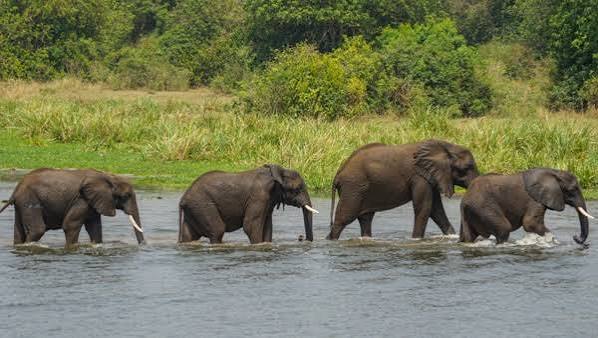
Murchison Falls National Park is one of Uganda’s most rewarding destinations for travellers who want to experience elephants in a truly wild setting. The park covers about 3,840 square kilometres and protects a remarkable combination of open savannah, woodland, riverine habitats and wetlands. Along the Victoria Nile, elephants often become part of the landscape itself. You may see them moving across the plains, feeding near the river, crossing tracks, or gathering in family groups while the Nile flows quietly nearby. For many visitors travelling with Safari O’clock, these encounters become some of the strongest memories of a Uganda safari.
The elephants of Murchison Falls also tell an important conservation story. Uganda once experienced a severe decline in elephant numbers because of poaching, political instability and habitat pressure. UWA records show that Murchison Falls had an estimated 12,000 elephants in the early period referenced by historical surveys, but that figure had fallen to about 1,420 by 1980. Today, elephant populations have recovered substantially, although conservation challenges remain. A recent UWA aerial survey cited on the current Murchison Falls National Park page counted more than 900 elephants in the park, while the wider 2026 State of Wildlife Resources report continues to highlight the importance of protecting Uganda’s elephant populations.
Why Elephants Murchison Falls Are So Special
Elephants in Murchison Falls are special because the experience combines wildlife with an extraordinary landscape. The park sits around the Victoria Nile, which cuts through the protected area before reaching the dramatic Murchison Falls. The river attracts elephants and other large mammals because water is essential in this dry savannah environment. UWA specifically highlights elephants, giraffes and buffaloes along the riverbanks, making the Nile one of the most rewarding places to experience large wildlife.
However, an elephant safari is not simply about finding one animal and taking a photograph. The real experience comes from watching how elephants behave. A family group may move slowly across the grassland while young calves remain close to their mothers. Another group may stop to feed, using trunks to pull vegetation or investigate the ground. Sometimes a large elephant stands quietly beside the vehicle and seems completely absorbed in its surroundings. These moments remind visitors that a safari is about observation rather than chasing animals.
For Safari O’clock, this distinction matters. A good safari should give travellers time to watch wildlife without putting unnecessary pressure on it. Our approach focuses on responsible viewing, patient observation and respect for the animals and their habitat.
Where to See Elephants Murchison Falls
The northern part of Murchison Falls National Park provides some of the most productive game-viewing opportunities. UWA identifies the Buligi Peninsula as the park’s prime game-viewing area. The peninsula consists largely of grassland and lies between the Victoria Nile and the Albert Nile. Elephants are among the wildlife visitors can expect to encounter there, together with buffaloes, antelopes and giraffes.
The Buligi landscape is particularly attractive for wildlife viewing because the open plains make it easier to scan the surroundings. Elephants can sometimes be seen in the distance before the vehicle gets closer. At other times, they may appear unexpectedly beside the track. The changing landscape also creates different photographic opportunities. An elephant against an open savannah looks very different from one standing beneath a tree or beside the Nile.
The riverbanks are another important area. Elephants need regular access to water, especially during hotter and drier periods. The Nile therefore provides both a water source and a scenic setting for wildlife encounters. UWA notes that the river stretch around the falls attracts elephants, giraffes and buffaloes, while hippos and Nile crocodiles remain closely associated with the water.
Elephants Murchison Falls Around the Nile
The Nile gives Murchison Falls its identity, but it also shapes the movement of wildlife. Elephants use the wider riverine landscape for water, feeding and movement. During a game drive, you may find elephants relatively close to the river or further out on the plains. Their location can change with weather, food availability, water conditions and daily movement.
The famous boat cruise adds another perspective. UWA describes the three-hour return journey from Paraa toward Murchison Falls as the park’s oldest and most popular excursion. Along the route, visitors can see riverside wildlife, including elephants and buffaloes, while hippos and crocodiles remain common around the water.
This makes a combination of game drives and a Nile boat cruise particularly valuable. A game drive allows you to follow wildlife across the savannah. The boat provides a lower, slower viewpoint from the river. Together, they show different sides of the same ecosystem.
Safari O’clock can therefore build a Murchison itinerary that does more than tick elephants off a wildlife checklist. The goal is to experience how the animals, river, grasslands and woodland interact.
Elephants Murchison Falls in the Dry Season
The dry season can provide excellent opportunities for elephant viewing because water becomes increasingly important to wildlife. As natural water sources become more limited, the Nile and other dependable water points can become important parts of the daily movements of animals. This can make elephants easier to locate in some areas.
However, visitors should avoid thinking of the dry season as a guarantee of large elephant herds at one particular location. Wild animals do not follow a tourist timetable. Elephants move according to their needs, and conditions can change from one day to the next.
The dry landscape can nevertheless create excellent visibility. Shorter grass may make it easier to see elephants across open plains. Their large bodies also stand out against the savannah, particularly in the early morning or later afternoon. For photographers, the lower sunlight can add depth and texture to the scene.
Safari O’clock guides can use current sightings, tracks, feeding behaviour and habitat conditions to decide where to spend time. That flexibility is important because wildlife viewing works best when the safari adapts to nature rather than forcing nature to follow a schedule.
Why Murchison Falls Is Good Elephant Habitat
Elephants require space, food, water and suitable routes through the landscape. Murchison Falls provides a combination of these resources across a very large protected area. Its northern sector includes open savannah, Borassus palms and acacia woodland, while other parts of the park contain thicker woodland and forest habitats.
The variety of vegetation gives elephants opportunities to browse and feed in different habitats. Their ability to move between areas also matters. Elephants are large animals with substantial food and water requirements, so conservation cannot depend only on protecting small isolated patches.
The Nile adds another important element. Water supports elephants directly, but it also supports the wider food web. Grasslands and woodlands support herbivores, birds and predators. The river supports aquatic life and attracts animals from different parts of the ecosystem.
This is why Murchison Falls should be understood as an ecosystem rather than simply a place containing individual wildlife species. When travellers watch elephants beside the Nile, they are seeing one part of a much larger ecological system.
How Elephant Herds Behave on Safari
One of the most fascinating parts of watching elephants is understanding their social behaviour. Elephant families often include females and young animals, while adult males can spend more time alone or move between groups. A safari guide can help visitors interpret these differences without disturbing the animals.
Young elephants are especially interesting to watch. They often remain close to adults and may spend time playing, investigating objects or learning how to use their trunks. Adults provide protection and guidance. When a family group moves, calves usually remain within the security of the herd.
Elephants also communicate through body posture, movement and sound. A relaxed elephant behaves differently from one that feels threatened. Ears, trunk position, head movement and changes in direction can all provide clues about an animal’s mood.
For that reason, the quality of the guide matters. At Safari O’clock, the aim is not simply to reach an elephant quickly. The guide should read the animals and allow enough space for them to remain comfortable.
What Time Is Best for Seeing Elephants Murchison Falls?
Early morning is often an excellent time for wildlife viewing. Temperatures are usually cooler, and many animals are active after the night. Elephants may be feeding, walking between areas or moving towards water. The softer morning light also creates beautiful conditions for photography.
Late afternoon can also be rewarding. As temperatures fall, wildlife activity may increase again. Elephants may return to feeding areas or move towards water. The changing light can create dramatic scenes across the savannah.
That does not mean elephants disappear during the middle of the day. They remain active throughout the day, although behaviour may change with temperature and conditions. Some may rest in shade while others continue feeding.
Murchison Falls National Park operates within official park hours, so safari activities must respect UWA regulations. UWA has stated park operating hours of 7:00 AM to 7:00 PM in its guidance.
Safari O’clock therefore recommends planning game drives around wildlife behaviour while also respecting park regulations. A flexible schedule often produces a better experience than trying to predict exactly where every elephant will be at a specific hour.
What You Can See Alongside the Elephants
An elephant safari in Murchison Falls rarely involves elephants alone. The same savannahs can produce sightings of buffaloes, Uganda kob, giraffes, antelopes and other wildlife. UWA identifies the Buligi Peninsula as a prime game-viewing area where several of these species occur together.
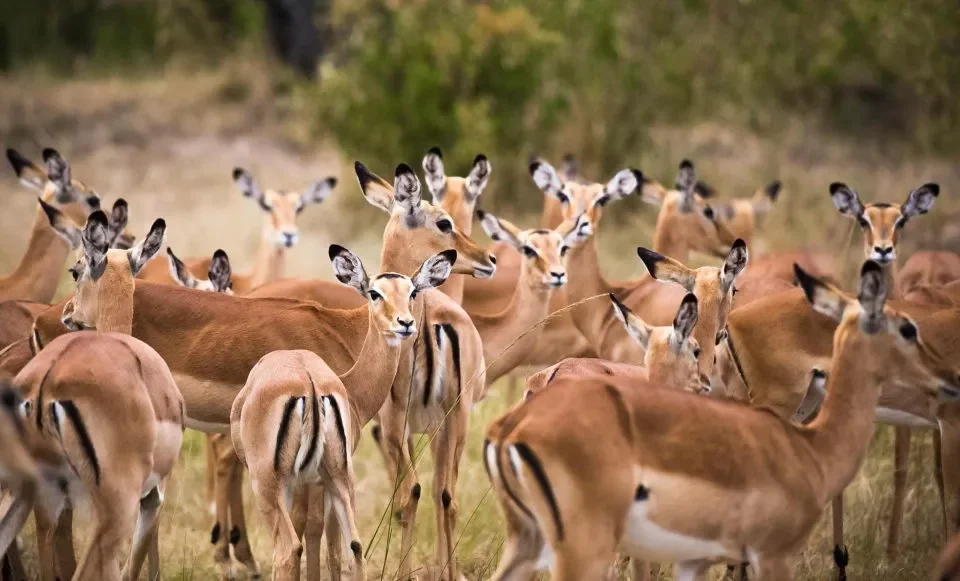
Murchison also has an impressive population of Uganda kob. UWA’s information on the park describes substantial kob herds in the Heart of Murchison, which have helped make that area important for lion viewing. This demonstrates how connected the park’s wildlife is. Herbivores support predators, while the river and vegetation support herbivores.
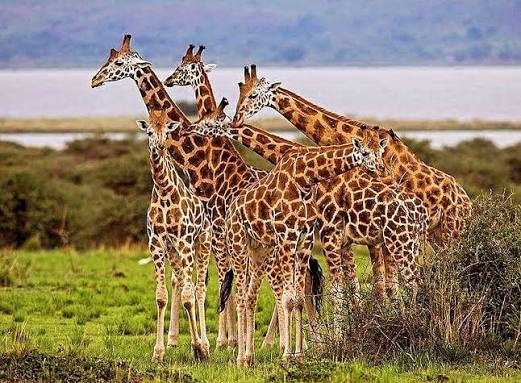
Giraffes are another major attraction. UWA records more than 1,500 giraffes in Murchison Falls in its species information, including animals in the northern sector and a reintroduced population on the southern bank.
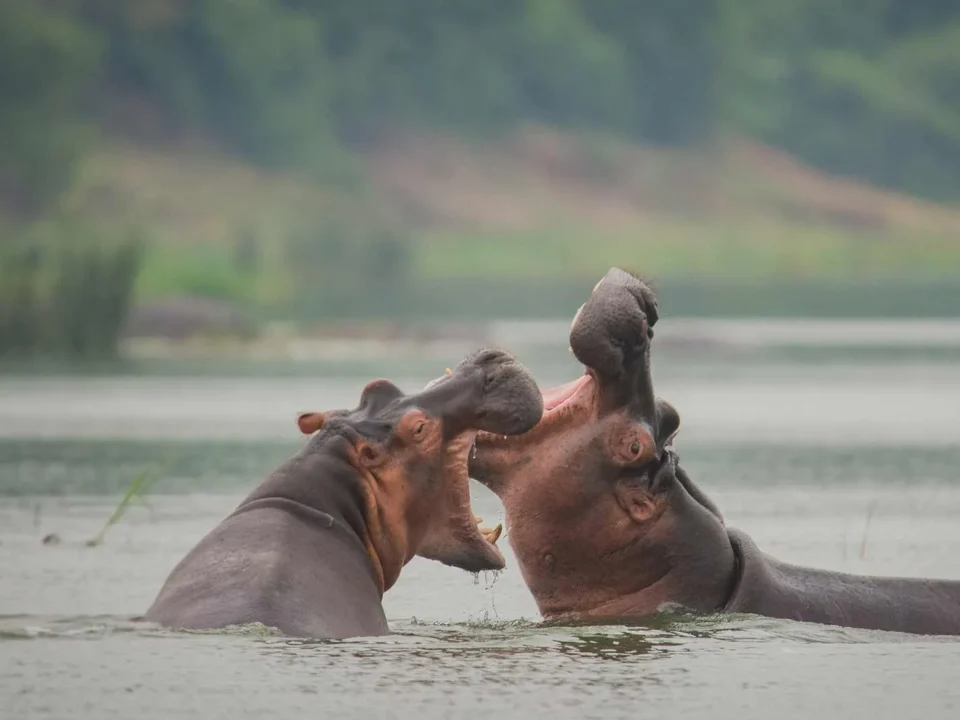
The river adds another layer. A boat trip may reveal hippos, crocodiles and numerous waterbirds. The Nile Delta is particularly important for birding, with the shoebill among the species visitors hope to find.
This variety is one reason Safari O’clock recommends allowing enough time for Murchison Falls. A rushed visit can produce photographs, but a well-planned safari gives you time to understand the ecosystem.
From Thousands to Recovery: The Elephant Conservation Story
The story of elephants in Murchison Falls has not always been positive. Uganda experienced severe wildlife losses during periods of political instability, insecurity and uncontrolled hunting. UWA’s 2026 State of Wildlife Resources report documents the historical collapse of elephant numbers in several protected areas. In Murchison Falls, historical estimates fell from around 12,000 elephants to approximately 1,420 by 1980.
That history makes today’s elephant sightings especially significant. Seeing elephants in Murchison is not simply seeing an attractive safari animal. It represents part of Uganda’s wider conservation recovery.
The recovery, however, should not be misunderstood as a reason to stop protecting elephants. UWA’s 2026 national report notes that elephant numbers across monitored protected areas declined from 6,621 in 2021–2022 to 6,352 in 2023–2025. The report also identifies habitat pressure, human-wildlife conflict and other environmental pressures as continuing conservation concerns.
Murchison itself also faces human-wildlife conflict issues. In 2025, UWA reported efforts to extend electric fencing in parts of the Murchison Falls Conservation Area after serious elephant incidents in communities near the protected area. Such measures show why elephant conservation must consider both wildlife and people living around protected areas.
Why Elephant Conservation Matters to Uganda Safaris
Healthy elephant populations benefit more than wildlife enthusiasts. Elephants are ecosystem engineers. Their feeding and movement can influence vegetation structure, create pathways and affect how other animals use the landscape.
They also contribute strongly to Uganda’s tourism economy. Travellers come from around the world to experience African elephants in protected landscapes. Their visits support guides, drivers, accommodation providers, conservation agencies, local communities and many other people connected to tourism.
This connection creates an important responsibility for safari companies. Safari O’clock believes tourism should support the long-term protection of the places that make Uganda special. That means respecting park rules, avoiding disturbance and helping visitors understand why conservation matters.
A memorable elephant encounter should therefore leave visitors with more than photographs. It should create appreciation for the animal and the landscape that supports it.
How to Photograph Elephants in Murchison Falls
Elephants are excellent subjects for wildlife photography because of their size, movement and social behaviour. However, the best photograph does not always come from moving as close as possible. A wider image can sometimes tell a stronger story by showing the elephant within the Murchison landscape.
Try photographing the entire herd when conditions allow. Include trees, grassland or the Nile when they help explain the setting. A single elephant walking across open savannah can also create a powerful image.
Morning and late-afternoon light can add warmth and texture. At the same time, photographers should avoid distracting the animals. Sudden vehicle movements, excessive noise and attempts to force a particular position can reduce the quality of the encounter.
Your guide can help position the vehicle responsibly. At Safari O’clock, wildlife photography should always come after animal welfare and safe viewing.
What Should You Pack for an Elephant Safari?
Comfort makes a significant difference during game drives. Lightweight clothing works well in the warmer parts of the day, while a light jacket can be useful during early morning drives. Neutral colours are practical because they blend more naturally with the surroundings.
A good camera or smartphone can capture the experience, but binoculars are equally valuable. Elephants may appear at a distance, and binoculars allow you to observe their behaviour without asking the vehicle to move closer.
A wide-brimmed hat, sunglasses, sunscreen and drinking water are also useful. Dust can become noticeable on some game tracks, so protecting cameras and other sensitive equipment is sensible.
Safari O’clock can also advise travellers about practical packing based on the wider Uganda safari itinerary. Murchison Falls may be only one part of a longer trip that includes chimpanzee tracking, gorilla trekking or other wildlife experiences.
Responsible Viewing of Elephants Murchison Falls
Responsible wildlife viewing begins with distance and patience. Never try to attract an elephant by shouting, feeding it or making unusual noises. Wildlife should remain wild, and visitors should allow animals to decide how close they want to come.
Drivers should also follow park regulations and avoid reckless driving around wildlife. A large animal can react quickly, even when it initially appears calm. Staying inside the safari vehicle during normal game drives also provides an important layer of safety.
UWA regulations exist to protect visitors and wildlife. Visitors should follow instructions from guides, rangers and park authorities at all times. Responsible behaviour also means keeping the environment clean and avoiding actions that could damage vegetation or disturb wildlife.
At Safari O’clock, we see responsible tourism as part of the safari experience rather than an inconvenience. The best encounter is one where the traveller enjoys the animal while leaving it undisturbed.
Elephants and the Complete Murchison Falls Safari Experience
Although elephants are a major reason to visit Murchison Falls, they should not be the only reason. The park offers a much broader safari experience. Game drives can reveal elephants, giraffes, buffaloes, Uganda kob and predators. Boat cruises add hippos, crocodiles and waterbirds. The falls themselves provide one of Uganda’s most dramatic natural spectacles.
The combination makes Murchison particularly appealing for first-time visitors to Uganda. You can experience a large savannah ecosystem, follow the Nile, watch elephants and other wildlife, and still have time to explore the cultural and natural attractions around the conservation area.
Safari O’clock can structure the experience around your interests. A wildlife-focused traveller may prefer additional game-drive time. A photographer may want slower viewing sessions during the best light. A family may prefer a balanced itinerary with shorter drives and a boat cruise. The important point is to build the safari around the experience rather than simply counting activities.
Frequently Asked Questions About Elephants Murchison Falls
Are there many elephants in Murchison Falls National Park?
Yes. Elephants are one of the park’s important large mammals. UWA’s current Murchison Falls information cites an aerial survey that counted more than 900 elephants in the park. The wider national conservation story shows that elephant numbers have recovered significantly from historic lows, although populations still require protection.
Where can I see elephants in Murchison Falls?
Elephants occur across suitable parts of the park. The Buligi Peninsula is one of the strongest game-viewing areas, while the Nile and its surrounding landscapes can also produce excellent elephant sightings. UWA specifically lists elephants among the wildlife visitors can see in the Buligi area and along the river.
Can I see elephants on the Murchison Falls boat cruise?
Yes, elephants can be seen from the boat along the Nile. UWA describes elephants and buffaloes among the riverside wildlife encountered during the cruise towards the falls. However, sightings are never guaranteed because animals move freely.
What is the best time to see elephants?
Early morning and late afternoon often provide comfortable wildlife-viewing conditions. However, elephants can appear throughout the day. Your guide can adjust the game drive according to current wildlife movements, weather and road conditions.
Are Murchison Falls elephants dangerous?
Elephants are wild animals and must always be treated with respect. Even a calm elephant can react if it feels threatened or if a vehicle approaches too closely. Visitors should remain in the vehicle during game drives and follow their guide’s instructions.
Why are elephant herds important to Murchison Falls?
Elephants are an important part of the park’s ecosystem. Their feeding and movement influence vegetation and the wider habitat. They also form a major part of the wildlife experience that attracts visitors to Murchison Falls and supports Uganda’s conservation-based tourism economy.
Final Thoughts on Elephants Murchison Falls
The famous elephants of Murchison Falls National Park offer far more than a spectacular wildlife photograph. They represent the scale of Uganda’s wilderness, the importance of the Nile and the remarkable recovery that conservation can support. From the open plains of Buligi to the riverbanks around the Victoria Nile, elephant sightings can become some of the most memorable moments of a Uganda safari.
Yet the most valuable experience comes from slowing down and observing. Watch how a herd moves. Notice how young elephants stay close to adults. Look at the landscape around them. Listen to your guide’s interpretation of their behaviour. These details turn a simple sighting into a meaningful wildlife experience.
For Safari O’clock, that is the essence of a good Uganda safari. We do not promise that elephants will stand beside the vehicle at a particular time or place. Instead, we plan carefully, work with experienced guides and allow the wilderness to provide the experience. In Murchison Falls, that approach can lead to something much better than a checklist: a genuine encounter with one of Africa’s most remarkable animals.