- DIRECT CONTACTS:
- +256394517569
- tours@safarioclock.africa

Planning a Rwanda Gorilla Trek for Two on a Clear Budget

Understanding the Main Costs Beyond the Gorilla Permit: A Rwanda Gorilla Trekking Cost Guide
November 10, 2026
How Currency and Payment Fees Can Affect Your Rwanda Travel Budget
November 10, 2026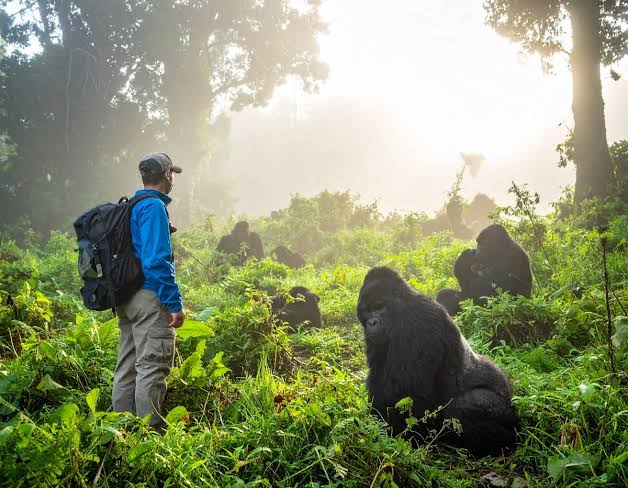
Planning a gorilla trekking holiday with someone special can be an unforgettable experience. Imagine travelling through Rwanda’s beautiful countryside, exploring the foothills of the Virunga Mountains and finally meeting a mountain gorilla family in its natural habitat. However, before booking your trip, you need to understand the costs involved.
A Rwanda gorilla trek is a special wildlife experience. It also requires careful financial planning. Couples must consider more than the price of two gorilla permits. Accommodation, transport, meals, travel documents and other expenses all contribute to the final budget. Without proper planning, these additional costs can make a trip more expensive than expected.
The good news is that two people can plan a memorable gorilla trekking holiday without automatically choosing a luxury package. The key is to understand which expenses are essential, where you can save and what deserves a larger share of your budget.
At Safari O’clock, we believe that good travel planning starts with clear information. This guide explains the main expenses couples should consider when organising a Rwanda gorilla trek. It also shows how to prepare a realistic shared budget before confirming your travel arrangements.
1. Start Your Rwanda Gorilla Trek Budget with the Permit Cost
The gorilla trekking permit is usually the biggest expense to consider. Every person who participates in the trek needs an individual permit. Therefore, a couple must budget for two permits rather than one.
According to the Rwanda Development Board’s official booking information, the standard permit for a foreign visitor is USD 1,500 per person. This means two foreign visitors travelling under that category should budget USD 3,000 for their permits alone. However, the applicable price depends on nationality and residency status.
Rwanda also has different permit categories and promotional rates for eligible visitors. For example, the official booking portal lists reduced rates for certain East African citizens and African visitors or residents. These rates have specific eligibility requirements and may not apply throughout the year. The portal currently notes that promotional rates do not apply during June to October 2026.
This distinction matters when couples prepare their budget. Two people travelling together may not necessarily qualify for the same permit category. For example, one person may hold East African citizenship while the other may be a foreign resident in an African country. Each traveller should confirm their own eligibility before making payment.
Safari O’clock recommends checking the official Rwanda Development Board booking portal before settling on a permit budget. Use the correct passport and residency details when checking the applicable fee. Never assume that a discounted rate applies simply because you are travelling from an African country.
Rwanda Gorilla Trek Permit Costs for Two People
For a clear starting point, consider these examples:
- Two foreign visitors paying the standard USD 1,500 rate each: USD 3,000 in total.
- Two eligible East African citizens paying the listed promotional USD 200 rate each: USD 400 in total, subject to the applicable dates and requirements.
- Two eligible African citizens or foreign residents in Africa paying the listed promotional USD 500 rate each: USD 1,000 in total, subject to the applicable dates and requirements.
These are examples based on the rates displayed on the official booking portal. They are not a guarantee that every couple qualifies for a particular price. Always confirm the current rate before booking.
The permit covers the gorilla tracking experience, but it does not automatically cover your hotel, meals, transport or international flights. Couples should therefore treat the permit as the first part of the budget, not the complete cost of the holiday.
2. Choose the Right Travel Dates for Your Rwanda Gorilla Trek
Your travel dates can influence the total cost of a gorilla trekking holiday. They affect accommodation availability, transport arrangements and the type of package you may choose.
Rwanda offers gorilla trekking throughout the year. However, weather conditions change between seasons. The drier months can make some forest trails easier to navigate, while wetter periods may bring muddy and slippery conditions. Rain can still occur in the mountains at different times of the year.
For couples working with a clear budget, the best approach is to compare several possible travel dates before committing. Check the permit availability first. Then compare accommodation prices and transport arrangements for those dates.
You should also investigate whether any official permit promotions apply to your travel period. However, do not build your entire budget around a discount until you have confirmed that both travellers qualify.
Safari O’clock can help couples compare available travel dates and organise the different parts of their itinerary. Booking early also gives you more time to select accommodation that matches your preferred level of comfort and spending.
Why Your Rwanda Gorilla Trek Dates Matter
The date you choose can influence the number of accommodation options available. During busy travel periods, popular lodges may fill up quickly. As a result, couples who wait until the last minute may have fewer choices.
Early planning also helps you avoid unnecessary travel pressure. You can arrange your permits, hotel and transfers in advance rather than trying to organise everything close to the trekking date.
If your schedule allows flexibility, compare more than one travel period. However, make sure that the final date works for both travellers and that the permits are confirmed before you make non-refundable arrangements.
3. Select Accommodation That Fits Your Shared Budget
Accommodation is another important expense for couples. Rwanda offers different types of accommodation near Volcanoes National Park, including guesthouses, budget lodges, mid-range properties and luxury safari lodges.
Your choice should depend on the experience you want and the amount you are comfortable spending. A luxury lodge may offer spacious rooms, beautiful mountain views, fine dining and additional services. However, a comfortable guesthouse or modest lodge can also provide a convenient base for your trekking experience.
Couples do not need to spend heavily on accommodation to enjoy gorilla trekking. The gorilla encounter takes place in the forest, not inside the hotel. Therefore, a well-located property with clean rooms, good service and suitable facilities may be a sensible choice.
Musanze is a useful base for visitors exploring the Volcanoes National Park area. Staying in or around Musanze can help couples organise their transfers to Kinigi, where visitors report for the trek. Some travellers also choose accommodation closer to the park headquarters.
Before confirming a room, check what the price includes. Some properties include breakfast, while others offer full-board packages. Also ask whether the hotel provides transfers to the park headquarters or whether you must arrange your own vehicle.
How Couples Can Save on Rwanda Gorilla Trek Accommodation
Sharing a room is one of the simplest ways couples can manage accommodation costs. Instead of booking separate rooms, you can select a suitable double or twin room, depending on your preference.
However, compare the total package rather than focusing only on the advertised room rate. A slightly more expensive property may include breakfast or dinner. It could therefore offer better value than a cheaper room where you must pay for every meal separately.
You should also consider the distance between your accommodation and Kinigi. A very cheap property far from the park may increase your transport costs. The best option is one that balances comfort, location and price.
Safari O’clock can help you identify accommodation options that match your preferred budget and trekking arrangements.
4. Plan Transport for Two Travellers
Transport is an essential part of your Rwanda gorilla trekking budget. Couples must consider how they will travel from Kigali to the Volcanoes National Park area and how they will reach the park headquarters on trekking morning.
Most international visitors arrive through Kigali International Airport. From there, they travel towards Musanze in northern Rwanda. The Rwanda Development Board’s booking information describes the journey from Kigali to Musanze as approximately 90 minutes. However, actual travel time can change depending on traffic, weather, road conditions and the exact location of your accommodation.
You should also plan the transfer from your hotel to Kinigi. Visitors must report to the park’s visitor information and registration centre at 7:00 a.m. on the trekking day. Therefore, transport arrangements should allow enough time for an early departure.
Couples can consider a private vehicle, a shared transfer or suitable public transport for part of the journey. Each option has different costs and convenience levels.
A private vehicle gives you greater flexibility. You can travel at your preferred pace, stop along the way and keep your luggage together. It can also make the journey easier when you have an early morning activity.
Public transport may reduce some travel expenses. However, it may require additional transfers and careful timing. For a couple travelling with limited time, a private transfer arranged in advance may provide greater convenience.
Choosing Transport for a Rwanda Gorilla Trek on a Budget
Before booking transport, ask whether the quoted price covers both travellers or the vehicle as a whole. This is important because some operators charge per vehicle, while others calculate costs per person.
Also confirm what the transport package includes. Ask whether it covers airport pick-up, the journey to Musanze, the transfer to Kinigi and the return journey after trekking.
Do not forget to ask about fuel, driver accommodation where applicable, parking and any additional transfer charges. These details help you compare quotations accurately.
Safari O’clock can organise transport arrangements that suit the couple’s itinerary, accommodation and preferred level of comfort.
5. Include Meals and Drinking Water in Your Budget
Food is another expense couples should plan before travelling. Your accommodation may include breakfast, but lunch and dinner may require separate payment.
The type of meals you choose will influence your daily spending. Couples can eat at their accommodation, explore restaurants in Musanze or arrange meals through their tour package.
On trekking morning, you should follow the instructions provided by your lodge and trekking operator. An early breakfast or packed meal may be useful because the activity begins in the morning. Carry drinking water for the hike and follow the park guides’ instructions about eating and drinking near wildlife.
When comparing accommodation packages, check whether meals are included. A full-board option may simplify your spending because you know more of your food costs in advance. On the other hand, a bed-and-breakfast option may suit couples who prefer to explore different restaurants.
A sensible budget should include breakfast, lunch, dinner, drinking water and any snacks you may need during the journey. This prevents small daily purchases from becoming unexpected expenses.
6. Prepare for Extra Costs Beyond the Gorilla Permit
One common budgeting mistake is assuming that the gorilla permit covers the entire experience. In reality, several additional expenses may arise during the trip.
For example, couples may need to pay for accommodation, transport, meals, travel insurance, personal items and optional activities. Depending on their arrangements, they may also need to budget for porter services and tips.
A porter can help carry your daypack during the trek. This service can be useful if you have a heavy bag or would appreciate assistance on steep and muddy trails. Porter availability and charges should be confirmed locally or through your tour operator.
You may also want to purchase souvenirs or support local businesses during your stay. These are optional expenses, but including a small allowance makes your budget more realistic.
Extra Expenses to Consider on a Rwanda Gorilla Trek
Before travelling, consider the following costs:
Travel insurance: Check whether your policy covers the activities you plan to undertake. Confirm the medical and emergency assistance included in the policy.
Visa and travel documents: Check the entry requirements that apply to each traveller. Visa costs depend on nationality and the type of entry permission required.
Porter services: If you would like help carrying your daypack, ask about the available service and current charge.
Tips: You may wish to recognise good service from guides, drivers, trackers and other staff. Tipping is a personal decision, so include an amount that suits your budget.
Personal purchases: Set aside money for souvenirs, toiletries, snacks and other small items.
Optional activities: You may want to add golden monkey tracking, cultural experiences or visits to other attractions. These activities require separate planning and may have additional fees.
Safari O’clock encourages couples to separate essential expenses from optional activities. This makes it easier to protect the main trekking budget while still leaving room for enjoyable experiences.
7. Build a Clear Rwanda Gorilla Trek Budget for Two
Once you understand the main expenses, you can prepare a shared budget. Start with the two permits, then add accommodation, transport, meals and other costs.
The most important thing is to use actual quotations rather than guessing. Hotel rates change, transport prices vary and permit fees depend on the visitor category. Therefore, a realistic budget should use confirmed prices for your chosen dates.
The following table provides a simple structure for organising your expenses.
| Budget item | What to include | How to calculate |
|---|---|---|
| Gorilla permits | Two individual permits | Confirm the applicable rate for each traveller |
| Accommodation | Room for two | Nightly rate multiplied by the number of nights |
| Transport | Airport transfers and park transfers | Use the operator’s confirmed quotation |
| Meals | Breakfast, lunch and dinner | Estimate daily spending for two |
| Porter services | Optional assistance during trekking | Confirm the current charge |
| Travel insurance | Cover for both travellers | Compare policy quotations |
| Visa and documents | Applicable entry and document fees | Check each traveller’s requirements |
| Optional activities | Additional tours and experiences | Add only the activities you choose |
| Emergency allowance | Unexpected expenses | Set aside a comfortable reserve |
Example: Calculating the Gorilla Permit Budget for Two
Suppose two foreign visitors are planning one gorilla trek each and both fall under the standard foreign visitor category.
Their permit calculation would be:
- Traveller one: USD 1,500.
- Traveller two: USD 1,500.
- Total for two permits: USD 3,000.
This is the permit portion only. The couple must still add accommodation, transport, meals and other expenses.
Now consider two travellers who both qualify for the listed promotional East African citizen rate of USD 200 per person. Their permit total would be USD 400, subject to the promotion’s applicable dates and documentation requirements.
The difference is significant. This is why confirming each traveller’s permit category is one of the most important steps in preparing a clear budget.
Create Three Spending Categories
Couples can make budgeting easier by dividing their expenses into three groups.
Essential expenses: These include permits, accommodation, transport, meals and necessary travel documents. Confirm these costs first because they form the foundation of the trip.
Comfort expenses: These include upgraded accommodation, private transfers, additional meals and porter services. Choose the options that improve your experience without putting pressure on your finances.
Optional expenses: These include souvenirs, extra excursions and additional nights for sightseeing. Add them only after you have covered the essential costs.
This approach helps you understand where your money is going. It also makes it easier to adjust the trip if your preferred package exceeds your available budget.
8. Decide How Many Nights You Need
The length of your stay can affect the total cost considerably. A couple travelling from Kigali may choose to arrive in Rwanda, travel to Musanze and spend a night near the park before trekking.
This arrangement reduces the risk of rushing to Kinigi on the morning of the trek. It also gives you time to rest after your journey and prepare your hiking equipment.
For a short trip, you may choose to travel to Musanze, spend the night, complete your trek and return to Kigali. However, your schedule should account for the trekking duration. The forest hike can take several hours, depending on the location of the assigned gorilla family.
A longer stay gives you more time to explore Rwanda. You could add a visit to Kigali, a cultural experience or another national park. However, every additional night adds accommodation and meal expenses.
Safari O’clock can help couples decide how many nights they need based on their arrival time, trekking date and preferred activities.
9. Understand What Happens on Gorilla Trekking Day
Knowing what to expect on trekking day helps couples prepare both financially and practically.
Visitors report to the park headquarters in Kinigi at 7:00 a.m. for registration and briefing. Park staff explain the trekking guidelines and allocate visitors to gorilla families. The allocation process considers factors such as fitness levels and the available groups.
You then travel towards the starting point with the park team. The hike takes place in the forest and can vary in length and difficulty. Some groups may require a shorter walk, while others may involve several hours of hiking over steep or muddy terrain.
Once you find the gorillas, visitors are allowed a maximum of one hour with the family. Rwanda’s official guidelines also limit each gorilla group visit to a maximum of eight visitors. The rules help protect the gorillas and maintain a controlled wildlife experience.
You should maintain the required distance from the gorillas, follow the guide’s instructions and avoid visiting if you have a contagious illness. These rules are important for both visitor safety and gorilla conservation.
Couples should remember that the one-hour viewing period is not the total duration of the activity. The walk to and from the gorillas can take considerably longer.
10. Book Your Rwanda Gorilla Trek Together and Confirm Every Detail
Once you have prepared your budget, the next step is to confirm the arrangements. Both travellers should check their passport details, travel dates and permit information before payment.
The Rwanda Development Board processes bookings on a first-come, first-served basis. Therefore, couples should avoid assuming that two permits will remain available simply because they have selected a date.
Confirm that the names and passport details used during booking are correct. The official booking portal warns that incorrect or incomplete applications can lead to denial of entry, even where payment has been made.
You should also confirm the accommodation, pick-up arrangements, meals and return transfer. If you are booking through a tour operator, request a clear breakdown of the package. It should show what is included, what is excluded and which costs you must pay separately.
Safari O’clock can assist with coordinating these arrangements. A well-organised itinerary helps both travellers understand what they are paying for before the journey begins.
11. Practical Ways Couples Can Keep Their Budget Under Control
A clear budget does not mean removing every comfort from your holiday. Instead, it means spending carefully on the things that matter most.
First, confirm your permit category before choosing a package. This prevents you from planning around an incorrect permit price.
Second, compare accommodation options based on location and included services. A room with breakfast and convenient access to the park may offer better overall value than a cheaper room with several additional costs.
Third, book suitable transport in advance. This gives you time to compare the full cost of private and shared arrangements.
You should also avoid adding too many activities to a short itinerary. The gorilla trek is already a major experience. You can enjoy it without filling every day with expensive excursions.
Finally, keep an emergency allowance separate from your planned spending. Unexpected delays, additional meals or small changes to your itinerary can happen. Having a reserve helps you handle these situations without disrupting the entire holiday.
12. Why Plan Your Rwanda Gorilla Trek with Safari O’clock?
Planning a gorilla trekking holiday for two involves several connected arrangements. You need to confirm permits, choose suitable accommodation, organise transport and understand the additional expenses.
Safari O’clock helps couples bring these details together in one organised travel plan. Rather than focusing only on the permit price, we look at the complete journey and help you understand the costs involved.
We can assist with permit arrangements, accommodation selection, airport transfers, transport to the Volcanoes National Park area and itinerary planning. We also help couples consider optional experiences that fit their interests and available budget.
Our goal is to make the planning process clear and manageable. You should understand what your package includes before confirming your booking.
A gorilla trekking holiday does not have to be complicated. With the right information and a realistic budget, two travellers can prepare for a rewarding experience in Rwanda.
Frequently Asked Questions About Planning a Rwanda Gorilla Trek for Two
How much does a Rwanda gorilla trek cost for two people?
The total depends on the permit category, accommodation, transport, meals and length of stay. For two foreign visitors paying the standard USD 1,500 permit fee, the permits alone cost USD 3,000. Other expenses must be added to calculate the complete trip cost.
Can two people share one gorilla trekking permit?
No. Each person needs an individual permit. Therefore, a couple must secure two permits for one shared trekking date.
Can couples book a private gorilla trekking experience?
Couples can arrange private transport and accommodation. However, this does not automatically mean they will have a private gorilla viewing group. Rwanda’s official rules limit each gorilla family visit to a maximum of eight visitors. Ask your tour operator to explain the available arrangements.
Is it cheaper to travel as a couple?
Sharing accommodation and some transport arrangements can reduce the cost per person. However, each traveller still needs an individual gorilla permit. Your savings will depend on the package and the services you share.
How many days should couples spend in Rwanda for gorilla trekking?
The ideal duration depends on your arrival time, trekking date and other activities. Many couples prefer to arrive near the park at least the day before trekking. This allows them to rest and reach Kinigi on time for the morning briefing.
Does the gorilla permit include accommodation and transport?
No. The permit does not automatically include accommodation, meals, airport transfers or transport to the park. These services should appear separately in your package quotation unless your operator clearly states otherwise.
When should couples book their gorilla trekking permits?
Book as early as possible once your travel dates are clear. Permit availability is limited, and the Rwanda Development Board processes reservations on a first-come, first-served basis.
Conclusion: Enjoy Your Rwanda Gorilla Trek Without Budget Surprises
A gorilla trekking holiday for two can become one of the most memorable experiences you share. However, a successful trip starts with understanding the costs before you travel.
Begin with the two permits, then add accommodation, transport, meals and other necessary expenses. Confirm whether you qualify for a special permit rate, compare accommodation options and request a clear breakdown of your travel package.
Most importantly, leave room for unexpected expenses. A realistic budget allows you to enjoy the journey without worrying about every small payment.
With careful planning and support from Safari O’clock, you can organise a Rwanda gorilla trek that balances comfort, convenience and your available budget. The aim is not simply to spend less. It is to spend wisely and make the most of your time in Rwanda.