- DIRECT CONTACTS:
- +256394517569
- tours@safarioclock.africa
Understanding the Main Costs Beyond the Gorilla Permit: A Rwanda Gorilla Trekking Cost Guide

How to Avoid a Rushed Journey on the Day Before Your Gorilla Trek
November 10, 2026
Planning a Rwanda Gorilla Trek for Two on a Clear Budget
November 10, 2026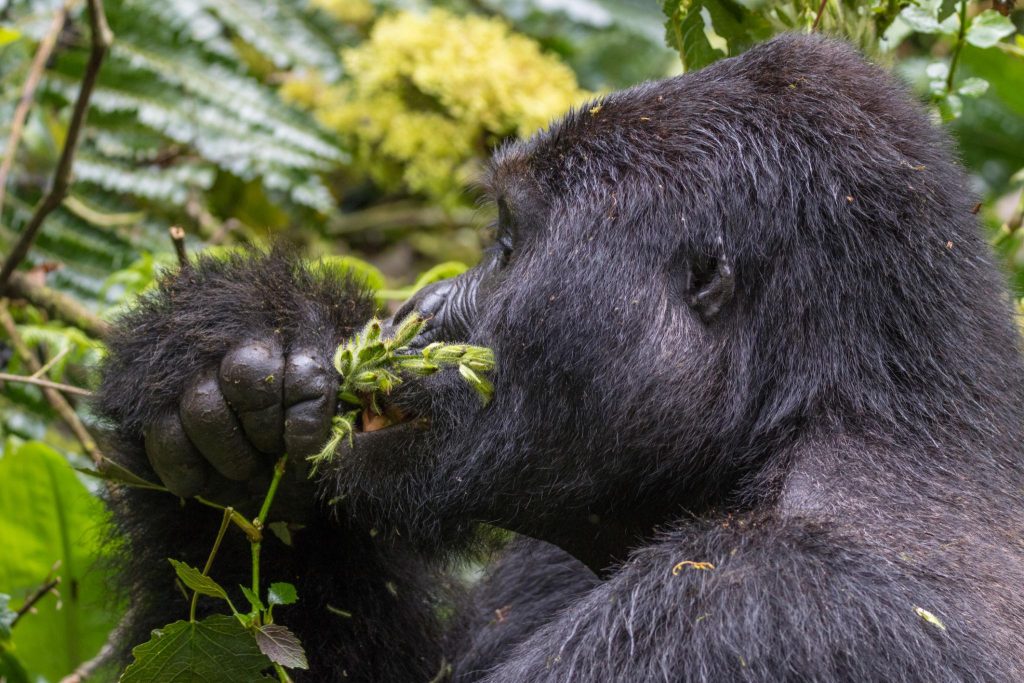
Planning a gorilla trekking adventure in Rwanda is an exciting experience. However, the cost of the adventure involves more than purchasing a gorilla trekking permit. Travellers must also consider accommodation, transport, meals, personal expenses and other safari arrangements. Understanding these costs early helps visitors prepare a realistic budget and avoid unexpected expenses during their journey.
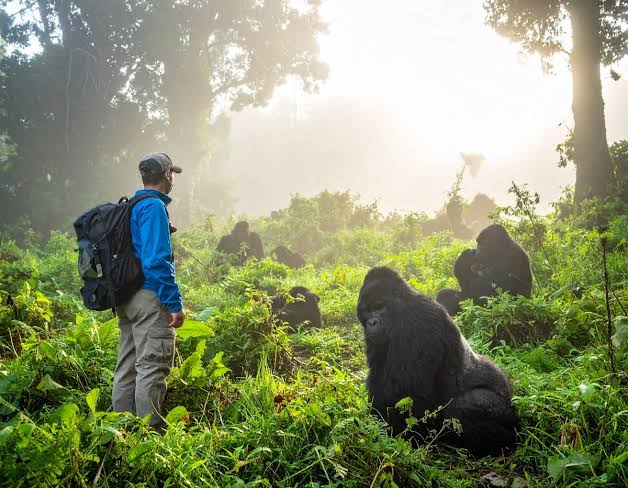
Rwanda’s Volcanoes National Park is one of the world’s most recognised mountain gorilla trekking destinations. Visitors travel to the northern part of the country to experience these remarkable animals in their natural habitat. Although the gorilla permit is usually the largest individual expense, it does not automatically cover every service required for the trip.
For this reason, travellers should understand the full cost of a gorilla trekking safari before confirming their bookings. Safari O’clock helps visitors consider these expenses when planning their Rwanda adventures. With a clear budget, travellers can choose suitable accommodation, transport and additional experiences without unnecessary financial pressure.
Why You Should Understand Gorilla Trekking Costs Beyond the Permit
A gorilla trekking permit gives you access to the regulated trekking experience. However, you still need to organise the practical parts of your journey. These include reaching Volcanoes National Park, finding somewhere to sleep, arranging meals and preparing for the hike.
For example, a traveller may purchase a permit but still need to pay for airport transfers, a private safari vehicle and accommodation near Musanze. These expenses can increase the total cost considerably, especially for visitors travelling alone or choosing luxury accommodation.
Furthermore, the length of your stay affects your overall budget. Someone travelling directly from Kigali for a short safari may spend less on accommodation than someone combining gorilla trekking with several days exploring Rwanda.
Therefore, looking at the permit price alone can give an incomplete picture. Safari O’clock encourages travellers to consider the entire itinerary before deciding how much money to set aside.
1. Gorilla Trekking Permit Costs
The gorilla trekking permit is usually the first major expense visitors consider. It allows eligible travellers to participate in the guided mountain gorilla trekking experience in Volcanoes National Park.
The Rwanda Development Board publishes different permit rates depending on the visitor’s category. Its booking portal currently lists a standard rate of USD 1,500 for foreign visitors. It also lists promotional rates for eligible Rwandan citizens, East African citizens, African citizens and foreign residents of African countries.
However, these reduced rates have specific eligibility requirements and seasonal conditions. The RDB portal states that the promotional rates are not applicable from June to October 2026. Visitors should therefore confirm the correct rate for their travel date and nationality before making payment.
The permit provides access to the regulated trekking activity. It does not automatically pay for your international flights, hotel, private transport, meals or personal purchases. Travellers should also confirm the exact services included in their booking.
Safari O’clock helps visitors understand the permit arrangements and consider them alongside the other expenses in their safari budget.
2. Accommodation Costs Near Volcanoes National Park
Accommodation is another important part of the gorilla trekking budget. Most visitors choose to stay in Musanze or near Kinigi because these locations provide convenient access to Volcanoes National Park.
The amount you spend depends on your preferred level of comfort. Budget guesthouses and simple lodges may suit travellers who want practical accommodation. Mid-range properties often provide additional facilities, comfortable rooms and restaurant services. Luxury lodges offer a more exclusive experience, with higher levels of comfort and personalised services.
Location also matters. A property close to Kinigi may reduce the distance you need to travel on the morning of your trek. This can be particularly helpful because visitors report to the park’s registration centre at 7:00 a.m.
When comparing accommodation prices, check what the quoted rate includes. Some properties include breakfast, while others charge separately for meals. You should also ask whether airport transfers, laundry and other services attract additional fees.
Safari O’clock can help travellers compare accommodation options according to their budget, preferred comfort level and trekking schedule. Choosing suitable accommodation early makes it easier to estimate the total safari cost.
3. Transport Costs for a Rwanda Gorilla Trekking Safari
Transport is another major expense that travellers should consider. Visitors arriving through Kigali International Airport usually need a road transfer to Musanze or the Volcanoes National Park area.
The total transport cost depends on several factors. These include the distance travelled, vehicle type, number of passengers and length of the safari. A private vehicle may cost more than shared transport, but it offers greater flexibility and convenience.
Travellers should also consider whether they need transport for only the Kigali-to-Musanze journey or throughout their stay in Rwanda. A longer itinerary may require additional driving between accommodation, attractions and other destinations.
The type of vehicle matters too. Rwanda has mountainous areas and some routes involve uneven or challenging road conditions. Therefore, choose a vehicle that suits the itinerary and number of passengers.
Before booking, ask whether the transport quotation includes fuel, driver services, parking and other applicable charges. Also, confirm whether the driver will remain available during the trekking day.
Safari O’clock helps travellers organise suitable transport arrangements and understand what their quotation covers. This makes it easier to compare safari packages accurately.
4. Food and Meal Expenses During Your Safari
Food is another cost that visitors sometimes overlook when planning a gorilla trekking trip. Although some accommodation packages include meals, others only cover the room and breakfast.
Travellers should check their meal arrangements before confirming a lodge. Ask whether breakfast, lunch and dinner are included. If the package includes only breakfast, you may need to budget for restaurant meals or other food purchases.
The trekking day also requires some preparation. Visitors often carry drinking water and a small snack for the hike. However, park rules prohibit eating, drinking and smoking near the gorillas. Always follow the instructions given by the park guides.
If you have dietary requirements, inform your accommodation provider before arrival. This gives the lodge time to discuss available meal options.
Safari O’clock encourages visitors to include realistic meal expenses in their budget. Knowing what your accommodation provides helps prevent unnecessary spending and makes the safari easier to organise.
5. Porter Fees During Gorilla Trekking
Hiring a porter is another expense worth considering. Porters assist visitors by carrying daypacks and providing support along difficult sections of the trail.
Gorilla trekking takes place in a mountainous forest environment. Some routes involve steep slopes, muddy paths, uneven ground and dense vegetation. Carrying a heavy backpack can make the experience more challenging.
A porter can carry your water, camera equipment and other personal belongings. They may also offer a helping hand when navigating difficult sections of the trail.
Porter services usually attract an additional charge. The exact amount can vary, so ask your tour operator or park representatives about the current arrangements. Hiring a porter is generally optional, but it can make the trek more comfortable and support local livelihoods.
Safari O’clock encourages travellers to consider this expense when preparing their trekking budget. Even visitors who feel physically fit may appreciate having assistance on the trail.
6. Tips and Personal Appreciation
Tipping is another expense that visitors may wish to include in their budget. During a gorilla trekking experience, travellers interact with several people who contribute to the overall experience.
These may include driver-guides, porters and other service providers. Some visitors choose to offer tips as a gesture of appreciation for helpful service.
However, tips are generally discretionary rather than compulsory permit charges. The amount depends on the visitor’s satisfaction, personal budget and local tipping practices.
It is helpful to carry some small-denomination cash if you plan to tip. You can also ask your tour operator for current guidance before travelling.
Safari O’clock encourages travellers to approach tipping respectfully. It should reflect appreciation rather than become a source of financial pressure.
7. International Flights and Airport Transfers
International flights can represent a significant part of the total Rwanda safari budget. The amount you spend depends on your departure country, airline, booking period, travel dates and luggage requirements.
Travellers flying into Kigali should compare different flight options before confirming their tickets. Booking early may provide more choices, although prices can still change depending on demand and availability.
After landing, you may also need airport transport. This could involve a private transfer, a pre-arranged hotel pick-up or another suitable transport option.
Remember that airport transfers and longer safari transfers may appear as separate items in a quotation. Confirm exactly what your travel package includes.
If you are already in Rwanda or travelling from another East African country by road, your transport budget may look different. Therefore, calculate your costs according to your actual starting point.
Safari O’clock can help coordinate the road arrangements that form part of your itinerary. Travellers should confirm flight bookings and any services not included in their package before departure.
8. Travel Insurance and Personal Medical Preparation
Travel insurance is another important consideration when calculating your safari expenses. Although it is not part of the gorilla permit, it can provide useful protection against certain unexpected travel problems.
Depending on the policy, travel insurance may cover eligible medical emergencies, trip interruptions, baggage problems and other specified risks. However, not every policy provides the same protection.
Gorilla trekking involves walking in a mountainous environment. Visitors should therefore review the policy carefully and check whether it covers hiking or trekking activities at the relevant altitude.
Also, consider any personal medical expenses that your insurance may not cover. Travellers who use regular medication should carry enough supplies for the trip and keep them accessible.
Safari O’clock encourages visitors to review their insurance arrangements before travelling. A suitable policy can provide additional peace of mind, although travellers should always read the exclusions and coverage limits.
9. Additional Activities Beyond Gorilla Trekking
Many visitors use their Rwanda trip to explore more than Volcanoes National Park. They may include cultural experiences, golden monkey tracking, nature walks, visits to local communities or other destinations.
These activities can increase the total safari cost. Each experience may have its own entrance fee, activity permit, transport requirement or guiding charge.
For example, visitors who add golden monkey tracking should confirm its separate permit cost. They should not assume that a gorilla trekking permit automatically covers other park activities.
You may also want to explore Kigali or visit other parts of Rwanda. However, additional destinations often require extra nights, meals and transport.
The best approach is to decide which activities matter most to you. Then, ask your tour operator to include their costs in the proposed itinerary.
Safari O’clock can help travellers combine gorilla trekking with other Rwanda experiences while keeping the overall budget clear.
10. Souvenirs, Shopping and Other Personal Expenses
Personal spending may seem small at first, but it can add to your total travel expenses. Visitors often purchase souvenirs, locally made crafts, snacks, drinks and other items during their stay.
You may also need money for laundry, extra refreshments, phone data or small personal purchases. These costs depend on your habits and the length of your trip.
Instead of leaving these expenses out of your budget, set aside a reasonable amount for personal spending. You do not need to spend everything, but having some money available can make the trip more convenient.
It is also useful to carry an appropriate payment method. Check which payment options your accommodation and service providers accept. Keep some local currency available for smaller purchases where necessary.
Safari O’clock encourages visitors to separate their essential safari expenses from optional personal spending. This makes it easier to understand how much the trip will actually cost.
How to Calculate Your Total Gorilla Trekking Safari Cost
The easiest way to understand your total budget is to list every major expense before making your bookings. Start with the gorilla permit, then add accommodation, transport, meals and other services.
Next, consider optional expenses such as hiring a porter, tipping and purchasing souvenirs. Include international flights and travel insurance if you are planning a complete trip from your home country.
For example, imagine a traveller booking a short Rwanda gorilla trekking safari. Their budget could include the following:
- Gorilla trekking permit.
- Return transport between Kigali and Musanze.
- Accommodation near Volcanoes National Park.
- Meals not included in the accommodation package.
- Airport transfers.
- Optional porter services.
- Tips and personal spending.
- Travel insurance and international flights, where applicable.
This list is a budgeting guide rather than a fixed price quotation. Actual costs depend on travel dates, visitor eligibility, accommodation choices, group size and service providers.
When comparing tour packages, look beyond the headline price. Ask for a clear breakdown of what is included and excluded. A package with a higher initial price may include more services than a cheaper quotation.
Safari O’clock can help travellers review these details before confirming their safari. Transparent budgeting makes it easier to understand the value of each service.
How Safari O’clock Helps You Plan a Clear Gorilla Trekking Budget
Planning a gorilla trekking safari becomes easier when you understand how each expense contributes to the overall experience. Instead of focusing only on the permit, consider the complete journey from arrival in Rwanda to the end of your adventure.
Safari O’clock helps travellers coordinate important arrangements such as accommodation, transport and additional activities. The company can also help visitors understand the services included in their proposed itinerary.
Travellers can discuss their preferred accommodation level, group size, travel dates and other activities before confirming their plans. These details help shape a safari that reflects both their interests and available budget.
Most importantly, Safari O’clock encourages visitors to ask questions about package inclusions and exclusions. This helps reduce misunderstandings and makes financial planning more straightforward.
Whether you prefer a short gorilla trekking trip or a longer Rwanda holiday, understanding the costs in advance helps you make informed decisions.
Frequently Asked Questions About Gorilla Trekking Costs Beyond the Permit
Does the gorilla trekking permit cover accommodation?
No. The permit does not automatically include accommodation. Travellers should arrange and budget for their own lodging unless their tour package specifically includes it.
Is transport included in the gorilla permit?
No. Visitors must arrange transport to the park and their accommodation. A tour package may include these services, but travellers should confirm this before booking.
Do I have to hire a porter during gorilla trekking?
No. Hiring a porter is generally optional. However, a porter can help carry your backpack and provide support on difficult sections of the trail.
Should I budget separately for meals?
Yes. Check whether your accommodation includes breakfast, lunch and dinner. You may need to pay separately for meals that are not included in your booking.
Are tips compulsory during gorilla trekking?
Tips are generally discretionary. Visitors may choose to appreciate their driver-guide, porter or other service providers according to their experience and personal budget.
Can I combine gorilla trekking with other Rwanda activities?
Yes. Visitors can include additional experiences in their itinerary. However, activities such as golden monkey tracking have separate arrangements and may attract additional charges.
How can I avoid unexpected expenses during my Rwanda safari?
Ask for a detailed quotation before booking. Confirm permit costs, accommodation, transport, meals, park activities and optional services. Also, set aside some money for personal expenses and unexpected needs.
Final Thoughts
Understanding the main costs beyond the gorilla permit is an important part of planning a successful Rwanda safari. Although the permit is a major expense, accommodation, transport, meals, porter services and personal spending also contribute to the total cost.
A realistic budget helps you choose suitable services and avoid financial surprises. It also allows you to compare safari packages based on what they actually provide rather than looking at the advertised price alone.
Before confirming your trip, ask questions, review the inclusions and make sure you understand any additional charges. With proper preparation and support from Safari O’clock, you can plan your gorilla trekking adventure with greater confidence and enjoy the experience without unnecessary financial uncertainty.