- DIRECT CONTACTS:
- +256394517569
- tours@safarioclock.africa

Questions Travellers Can Ask About Conservation Contributions

How to Choose a Responsible Rwanda Gorilla Tracking Operator
November 11, 2026
How Community-Owned Tourism Can Support Local Livelihoods
November 11, 2026
Conservation plays an important role in protecting Africa’s wildlife, forests, and natural landscapes. However, many travellers still wonder how their money supports these efforts. When booking a safari or gorilla trekking experience, visitors may pay park fees, wildlife permits, accommodation costs, and other travel expenses. They may also see opportunities to donate to conservation organisations or support community projects.
So, how can travellers know whether their spending makes a meaningful difference?
As responsible tourism continues to grow, asking the right questions helps visitors make informed decisions. It also encourages tourism businesses to communicate clearly about their conservation commitments. For travellers planning a gorilla trekking adventure in Rwanda, Safari O’clock believes that understanding these contributions is an important part of responsible travel.
This guide explores the key questions travellers can ask about conservation contributions before, during, and after their safari. It also explains how to assess conservation claims and support initiatives that benefit wildlife and local communities.
Why Should Travellers Ask About Conservation Contributions?
Conservation requires more than protecting animals inside national parks. It involves habitat management, wildlife monitoring, veterinary support, anti-poaching activities, research, and community engagement. These efforts require funding, trained personnel, and long-term planning.
Tourism can help provide some of these resources. For example, revenue from gorilla tourism contributes to conservation and supports communities around Rwanda’s protected areas. The Rwanda Development Board also operates a Tourism Revenue Sharing Programme that directs a portion of national park tourism revenue towards community development. According to the board, the programme has supported projects involving education, healthcare, water access, and local livelihoods.
However, travellers should not assume that every payment goes directly to wildlife protection. A permit, a donation, a lodge payment, and a community tourism experience may support different activities. Therefore, asking questions helps visitors understand what their money covers.
Safari O’clock encourages travellers to look beyond attractive conservation messages. Instead, visitors should seek clear explanations of how their spending supports wildlife, habitats, and people.
Questions Travellers Can Ask About Conservation Contributions Before Booking
The best time to understand conservation contributions is before paying for a trip. Tour operators, lodges, and conservation organisations should be able to explain their roles and the support they provide.
1. Where Does My Conservation Contribution Go?
This is one of the most important questions a traveller can ask. It helps establish whether a contribution supports park management, wildlife research, habitat restoration, community projects, or another conservation activity.
For example, a traveller booking a gorilla trekking experience in Rwanda may pay for a gorilla permit through the relevant authorised process. Tourism revenue helps support the wider conservation and tourism system. However, visitors should not assume that the entire permit fee goes directly to a single conservation project.
If a tour operator offers an additional conservation donation, ask where that money will go. Will it support a named conservation organisation? Will it fund a community initiative? Does the operator collect the money on behalf of a partner?
Safari O’clock can help travellers understand the different costs included in their itinerary and identify any additional contributions that a provider explicitly offers. Clear explanations help visitors distinguish official fees from optional donations.
2. Is the Conservation Contribution Compulsory or Optional?
Travellers should know whether a payment is a required fee or a voluntary contribution. This distinction matters because the two serve different purposes.
For instance, a national park permit may be mandatory for a particular wildlife activity. An additional donation to a conservation organisation may be optional. A lodge may also offer guests the opportunity to support a local school, community group, or habitat restoration project.
Ask your travel provider to explain each charge before confirming your booking. Request a breakdown if the package includes an item labelled conservation fee, sustainability contribution, or community support payment.
This simple step reduces confusion and helps travellers make informed choices. It also allows visitors to decide whether they want to contribute beyond the fees already included in their trip.
3. Which Conservation Organisation or Project Receives the Money?
When a business promotes a conservation contribution, ask for the name of the organisation or project involved. A clear answer gives you a starting point for further research.
For example, the International Gorilla Conservation Programme works with conservation partners and protected area authorities to support mountain gorilla protection, habitat conservation, and sustainable community development. Its work also includes promoting responsible gorilla tourism.
Travellers can visit an organisation’s official website to understand its mission, activities, and partnerships. They can also check whether the project described by a tour operator matches the information published by the organisation itself.
If a provider cannot identify the recipient of a supposedly dedicated donation, ask for further clarification before paying. A trustworthy business should welcome reasonable questions about the claims it makes.
4. How Much of My Contribution Reaches the Intended Project?
Some travellers want to know how much of their money supports the project and how much covers administration, fundraising, transport, or other operating costs.
This is a reasonable question. Conservation organisations need staff, equipment, transport, training, and administrative systems to carry out their work. These expenses do not automatically mean that a project is ineffective.
Instead, ask how the organisation manages its funds and reports its spending. You can also review its published reports, financial statements, or project updates where available.
Travellers should avoid expecting every organisation to use the same funding model. A wildlife monitoring project may have different costs from a community education programme. What matters is whether the organisation explains its financial arrangements clearly and demonstrates credible results.
Safari O’clock encourages visitors to look for transparent information rather than relying on impressive claims alone.
Questions Travellers Can Ask About Conservation Results
Understanding where money goes is only one part of responsible giving. Travellers should also consider what the contribution helps achieve.
5. What Results Has the Conservation Project Achieved?
Ask the organisation to explain what its work has accomplished so far. Useful information may include the number of community members trained, habitat areas restored, wildlife monitoring activities completed, or conservation education programmes delivered.
However, not every meaningful result can be measured through a simple number. Conservation often involves gradual changes that require years of monitoring. Protecting a forest, reducing threats to wildlife, or improving community attitudes may take time.
Therefore, ask about both immediate activities and long-term goals. For example, a habitat restoration project might report how many native trees it planted. It should also explain how it monitors tree survival and evaluates the condition of the restored area.
Similarly, a conservation education programme might report the number of people reached. Further evidence could show how the programme improves understanding of wildlife protection.
Travellers should remember that one successful activity does not automatically prove that an entire conservation programme has achieved its goals. Reliable reporting considers progress, challenges, and lessons learned.
6. How Does the Project Measure Its Impact?
A credible conservation initiative should have a reasonable way to assess its progress. The methods will depend on the project’s purpose.
Wildlife projects may use ranger patrol records, camera traps, field surveys, veterinary observations, or scientific research. Habitat projects may monitor vegetation recovery, forest cover, or signs of ecological improvement. Community initiatives may assess participation, access to services, training outcomes, or livelihood opportunities.
Travellers do not need to understand every technical detail. However, they can ask whether the project has clear objectives and regularly reviews its performance.
The International Gorilla Conservation Programme’s tourism work highlights the need to balance tourism income with the protection of gorillas and their natural behaviour. Responsible tourism must reduce risks to wildlife while supporting conservation and local communities.
As a result, a useful contribution should support a defined need rather than rely only on general promises to save wildlife.
7. Can I See Reports or Updates About the Project?
Ask whether the organisation publishes annual reports, project updates, research findings, or financial information. These materials help travellers understand what the project does and how it uses support.
Not every small community initiative has a sophisticated website. Some projects may share updates through local partners, public meetings, newsletters, or reports. Therefore, the absence of a polished website does not automatically mean that a project lacks value.
Nevertheless, visitors should look for reasonable evidence of activity and accountability. The information should explain the project’s purpose, who manages it, and what progress it has made.
When a tour operator promotes a specific conservation partnership, ask whether it can provide a public report or an official contact for further information. This allows travellers to check the claim independently.
Safari O’clock encourages travellers to value evidence, honest communication, and long-term commitment when choosing responsible tourism experiences.
Questions Travellers Can Ask About Community Benefits
Wildlife conservation and community wellbeing are closely connected. People who live near protected areas may experience both benefits and challenges from conservation and tourism. Responsible programmes should recognise these realities.
8. How Do Conservation Contributions Benefit Local Communities?
Ask how the project supports people who live near the protected area. Benefits may include employment, skills training, community infrastructure, education, healthcare, or income opportunities linked to tourism.
Rwanda provides an example through its Tourism Revenue Sharing Programme. The Rwanda Development Board reports that the programme directs 10% of national park tourism revenue towards development initiatives in communities surrounding protected areas. Supported priorities have included schools, health services, water infrastructure, and livelihoods.
This programme illustrates how tourism revenue can support community development alongside wildlife protection. However, travellers should not assume that every household receives direct cash or benefits equally from every project.
Ask which communities the initiative serves, how beneficiaries are selected, and how local people participate in decisions. These questions can reveal whether a project responds to community priorities.
Safari O’clock encourages travellers to consider experiences that create fair opportunities for local people. These may include purchasing locally made crafts, using community-based tourism services, and choosing accommodation that can explain its local employment and sourcing practices.
9. Do Local People Participate in Conservation Decisions?
Community participation matters because local residents often have valuable knowledge about the environment, wildlife movements, land use, and local challenges. Their involvement can help conservation projects respond to real needs.
Travellers can ask whether community members help plan, manage, or evaluate a project. They can also ask how the organisation collects feedback and handles concerns.
A project may offer employment yet still need stronger community participation. For this reason, visitors should look beyond the number of jobs created and consider whether local people have a meaningful voice.
Research on Rwanda’s tourism revenue-sharing programme has found links between community benefits and attitudes towards protected areas. It has also identified challenges that can limit how effectively benefits reach different groups. This shows why transparent management and fair participation remain important.
Visitors should not expect every community to have identical priorities. Instead, responsible initiatives should listen to local people and adapt their activities to the needs of each area.
10. Does the Project Support Sustainable Livelihoods?
Ask whether the initiative helps people develop reliable ways to earn a living while supporting conservation goals. Depending on the location, these opportunities may include guiding, cultural tourism, craft production, beekeeping, hospitality, or other locally appropriate activities.
Sustainable livelihoods can create economic opportunities connected to protecting natural resources. However, they must be planned carefully. A project should not promise that tourism will solve every economic challenge or eliminate all human-wildlife conflict.
Travellers can contribute by choosing services that employ local people fairly and by purchasing authentic products directly from artisans when possible. They can also ask whether a tourism business works with community enterprises and how it supports responsible local sourcing.
When visitors spend thoughtfully, more of their travel budget may remain within the destination’s economy. Still, travellers should avoid assuming that every locally branded product or experience automatically delivers fair benefits. Asking who provides the service and how the arrangement works can help.
Questions Travellers Can Ask About Wildlife Protection
Conservation contributions should support approaches that respect wildlife and protect natural habitats. Travellers can ask questions that reveal whether a project follows responsible practices.
11. Does the Contribution Support the Protection of Wildlife Habitats?
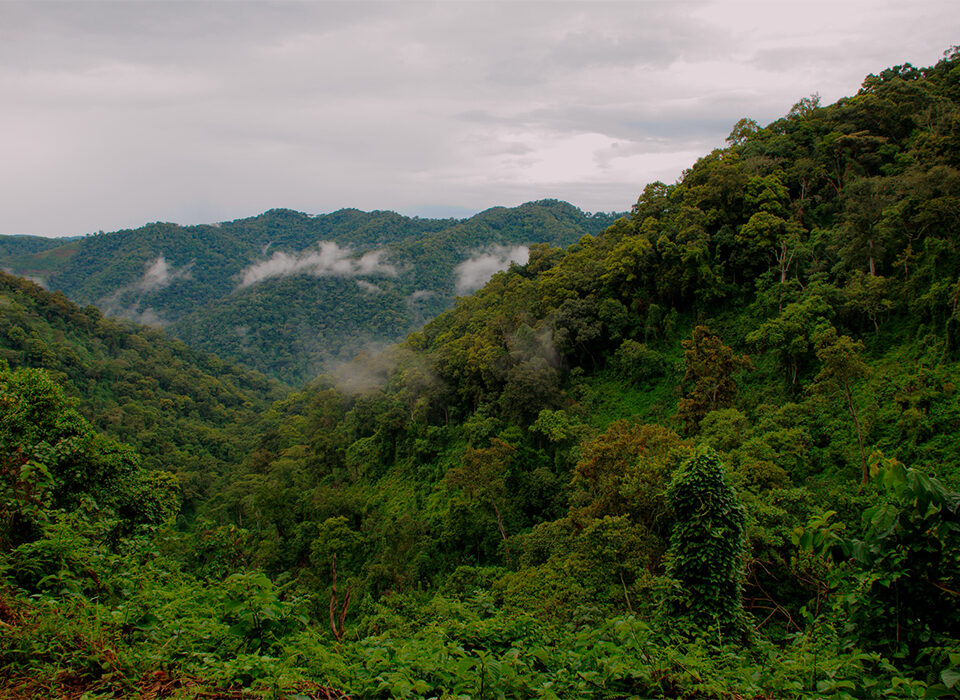
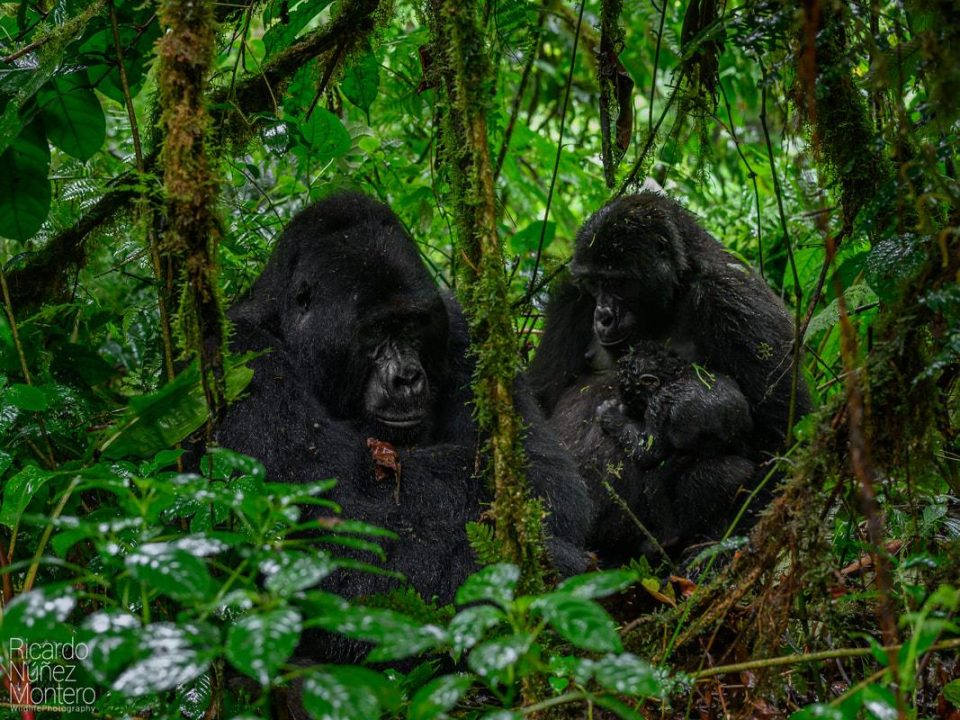
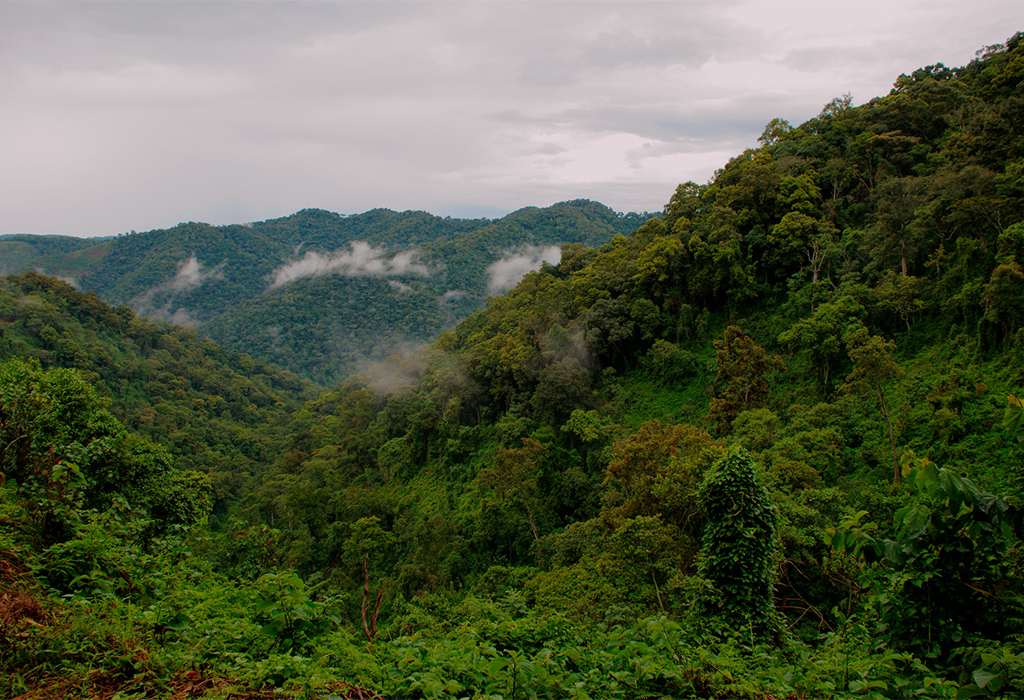
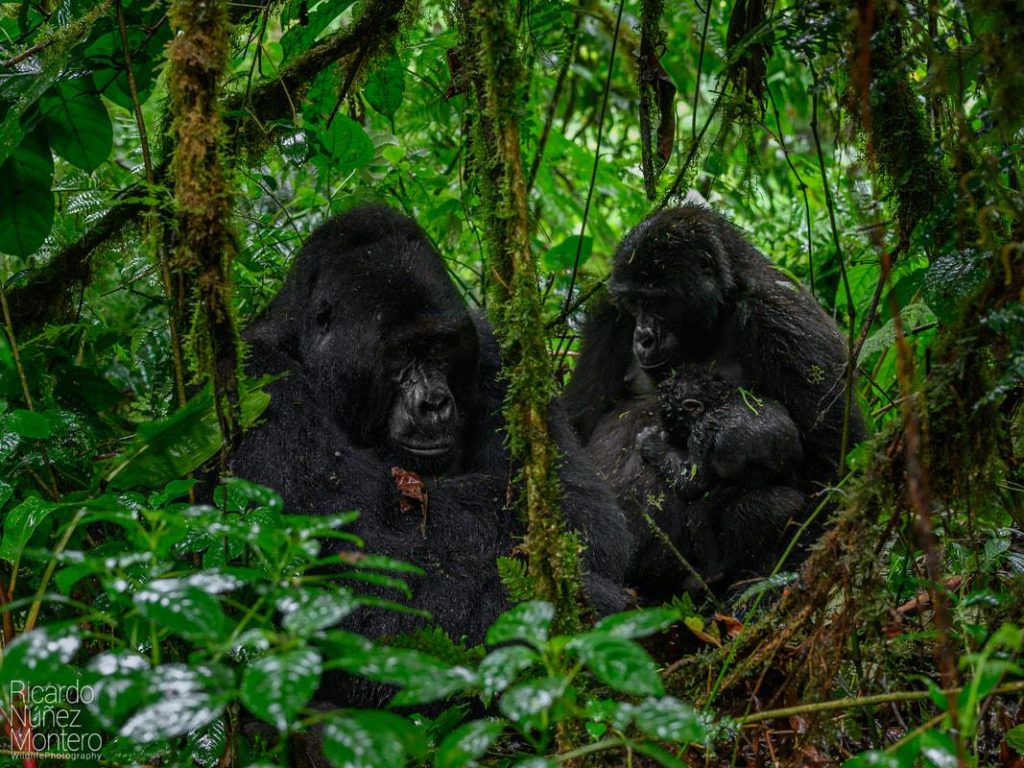
Wildlife depends on suitable habitats for food, shelter, breeding, and movement. For mountain gorillas, forest protection is especially important because their survival depends on healthy montane forest ecosystems.
Travellers can ask whether a conservation project supports habitat monitoring, forest restoration, ecological research, or measures that reduce threats to wildlife. They should also ask how the organisation evaluates the effectiveness of its work.
Habitat restoration, for example, requires more than planting trees. Projects must consider native species, site conditions, long-term maintenance, and the survival of planted vegetation. Similarly, wildlife protection may require cooperation among park authorities, scientists, conservation organisations, and neighbouring communities.
The best projects explain their objectives and acknowledge that ecological recovery takes time.
For visitors planning a gorilla trek, Safari O’clock can help explain how responsible travel choices fit into the wider effort to protect mountain gorillas and their forest habitat.
12. How Does the Project Protect Wildlife From Human Disturbance?
Tourism can generate important conservation revenue, but poorly managed visits can disturb animals. Visitors should therefore ask how tour operators and conservation partners reduce these risks.
Mountain gorilla tourism follows strict visitor rules designed to limit disturbance and reduce the risk of disease transmission. The International Gorilla Conservation Programme explains that responsible gorilla tourism aims to minimise disruption to natural behaviour and reduce health risks to gorillas.
Travellers can ask how guides communicate wildlife-viewing rules, manage visitor behaviour, and respond when an animal appears distressed. They should also ask whether the operator follows the official rules established by the relevant park authority.
A responsible operator should never encourage guests to approach wildlife too closely, touch wild animals, ignore guide instructions, or break park rules for photographs.
Financial support alone cannot guarantee good conservation outcomes. Visitors must also behave responsibly throughout their trip.
13. Does the Project Work With Qualified Conservation Partners?
Ask which organisations or authorities oversee the project and what role each partner plays. Depending on the initiative, these may include national park authorities, research institutions, wildlife veterinarians, conservation organisations, or community groups.
Partnerships can help combine expertise, funding, local knowledge, and practical experience. However, travellers should verify the relationship rather than assume that a project has official approval simply because it uses conservation language.
If an operator claims to support a particular organisation, check the organisation’s official website or request confirmation from the named partner.
Travellers should also distinguish between a formal partnership, a one-time donation, and a general commitment to responsible tourism. These are different arrangements, and each should be described accurately.
Safari O’clock encourages travellers to ask for clear explanations of conservation partnerships before relying on them when choosing a safari.
Questions Travellers Can Ask About Donations and Responsible Giving
Beyond the fees included in a safari, travellers may wish to make an additional donation. The right approach depends on the project, the visitor’s budget, and the type of support needed.
14. Is a Direct Donation the Best Way to Help?
A direct donation may be appropriate when a traveller has identified a credible organisation with clear objectives. However, giving money is not the only way to support conservation.
Visitors can also support local businesses, choose responsible tour operators, follow park rules, reduce waste, and share accurate information about wildlife protection. These actions can complement formal conservation programmes.
Before donating, ask the organisation what it needs most. Some projects may need funding for equipment or fieldwork. Others may prioritise staff training, community education, habitat restoration, or long-term monitoring.
Unrestricted donations can sometimes be more useful than money limited to a narrowly defined activity. They may allow an organisation to direct funds towards its most urgent needs. Nevertheless, travellers should understand the organisation’s donation policy before contributing.
Rather than donating impulsively, take time to identify the project and learn how it uses support.
15. Can I Donate Equipment or Supplies Instead of Money?
Some travellers prefer to contribute physical items. However, equipment and supplies should match a project’s actual needs.
Before buying anything, contact the organisation and ask whether it accepts donations of equipment, clothing, books, medical supplies, or other materials. Check the exact specifications, delivery arrangements, and any import requirements.
Unrequested donations can create storage problems, increase transport costs, or provide items that the project cannot use. In some cases, purchasing supplies locally may be more practical because it supports local businesses and reduces shipping demands.
For conservation work, specialised equipment may also require training, maintenance, or replacement parts. A simple donation of cash may therefore be more useful than an item selected without consultation.
Travellers should never assume that a well-intentioned gift will automatically help. The best contribution is one that responds to a clearly identified need.
16. How Can I Avoid Misleading Conservation Claims?
Travellers may encounter businesses that use phrases such as eco-friendly, wildlife-friendly, sustainable, or conservation-focused. These descriptions can be useful, but they do not always explain what a company actually does.
Ask the business to identify its specific actions. Does it contribute to a named conservation project? Does it support community employment? Does it have measures to reduce waste or disturbance to wildlife? Can it provide evidence of its claims?
Be cautious when a business promises guaranteed wildlife encounters, claims that every payment directly protects animals, or uses dramatic conservation messages without explaining its work.
Also, remember that responsible tourism is broader than a donation. It includes respecting wildlife, following local rules, reducing environmental harm, and treating communities fairly.
Safari O’clock encourages travellers to make decisions based on clear information rather than marketing promises alone.
Questions Travellers Can Ask Safari O’clock Before Booking
A tour operator can help travellers understand the costs and conservation context of their journey. Before confirming a booking, visitors should feel comfortable asking how the itinerary is organised and what its payments cover.
Start by asking which permits, park fees, transport costs, accommodation charges, and other services are included in the quotation. If the package mentions conservation or community contributions, request an explanation of those items.
Next, ask whether any contribution is mandatory or optional. If the operator describes a donation or partnership, ask for the name of the recipient and any available information about the initiative.
Travellers can also ask how the itinerary follows responsible wildlife-viewing rules. For a gorilla trek, this includes following the relevant park authority’s guidance, listening to the assigned guide, and avoiding actions that could disturb the animals.
Finally, ask how the company works with local service providers and whether guests can choose community-based experiences. These questions help visitors understand how their travel decisions may support the destination.
Safari O’clock aims to help travellers plan meaningful journeys with clear information about their itinerary. Visitors should review the details of their own package and confirm any specific conservation claim directly with the relevant organisation.
How Travellers Can Make Their Conservation Contributions More Meaningful
Asking questions is only the first step. Travellers can also take practical actions to make responsible choices before and during their journey.
First, research the organisations and projects you are considering supporting. Look for clear objectives, credible partnerships, and evidence of activities. Where available, review annual reports and project updates.
Second, choose tourism businesses that explain their services honestly. A reliable operator should distinguish between required park fees, optional donations, and its own business charges.
Third, support local people through thoughtful spending. Consider locally owned accommodation, community-based tourism, qualified local guides, and authentic crafts. Ask how the service operates rather than assuming that every purchase provides the same benefits.
Fourth, follow wildlife-viewing rules. Keep the required distance from animals, follow guide instructions, and never pressure guides to break park regulations. When trekking with mountain gorillas, follow all health and hygiene requirements provided by park authorities.
Finally, share responsible information after your trip. Accurate stories can help other travellers understand conservation challenges and make informed decisions. Avoid exaggerating a project’s achievements or presenting a personal donation as proof that a species has been saved.
Safari O’clock encourages travellers to view conservation as a long-term commitment. Meaningful support combines informed spending, responsible behaviour, respect for local communities, and a willingness to learn.
Frequently Asked Questions About Conservation Contributions
Are conservation contributions included in safari packages?
Some packages include official park fees or permits, while others list them separately. Additional donations may be optional. Travellers should ask their operator for an itemised quotation and confirm what each charge covers.
Does all gorilla trekking permit revenue go directly to gorilla conservation?
Travellers should not assume that the entire permit fee goes directly to a single conservation activity. Permit revenue forms part of a wider tourism and conservation system. For the most accurate information, consult the relevant park authority or official tourism body.
How can I check whether a conservation organisation is trustworthy?
Start by checking the organisation’s official website, mission, leadership, partnerships, and available reports. Ask the organisation how it uses donations and how it measures progress. You can also seek independent information about its work.
Can I support conservation without making a donation?
Yes. You can choose responsible tourism businesses, purchase from local enterprises, follow wildlife-viewing rules, reduce waste, and share accurate conservation information. These actions can complement financial support.
How do conservation contributions benefit local communities?
Depending on the programme, support may contribute to education, healthcare, water access, employment, training, or livelihood opportunities. However, benefits vary between projects, so travellers should ask who the initiative serves and how local people participate.
What should I ask before donating to a wildlife project?
Ask what the project does, who manages it, how it will use your contribution, and how it measures results. You should also check whether it publishes updates and whether the proposed donation meets an identified need.
Conclusion: Ask Questions, Travel Responsibly, and Support Conservation
Conservation contributions can help protect wildlife, maintain natural habitats, and create opportunities for communities living near protected areas. However, travellers need clear information to understand how their money supports these goals.
By asking where funds go, which organisations receive them, how projects measure results, and whether local communities participate, visitors can make more informed choices. They can also look beyond financial donations and support conservation through responsible spending and respectful wildlife viewing.
For anyone planning a Rwanda safari or mountain gorilla trekking experience, these questions provide a useful starting point. They help travellers understand the relationship between tourism, conservation, and community wellbeing.
Safari O’clock encourages every traveller to approach conservation with curiosity, honesty, and respect. A meaningful journey is not only about the wildlife you see. It is also about the choices you make and the care you show towards the places and people who make that experience possible.