- DIRECT CONTACTS:
- +256394517569
- tours@safarioclock.africa

The Complete Rwanda Gorilla Tracking Packing Checklist: Everything You Need for Your Safari

Questions to Ask Before Booking Rwanda Gorilla Trekking If You Have Limited Hiking Experience
November 23, 2026
What to Wear for Gorilla Tracking in Volcanoes National Park
November 23, 2026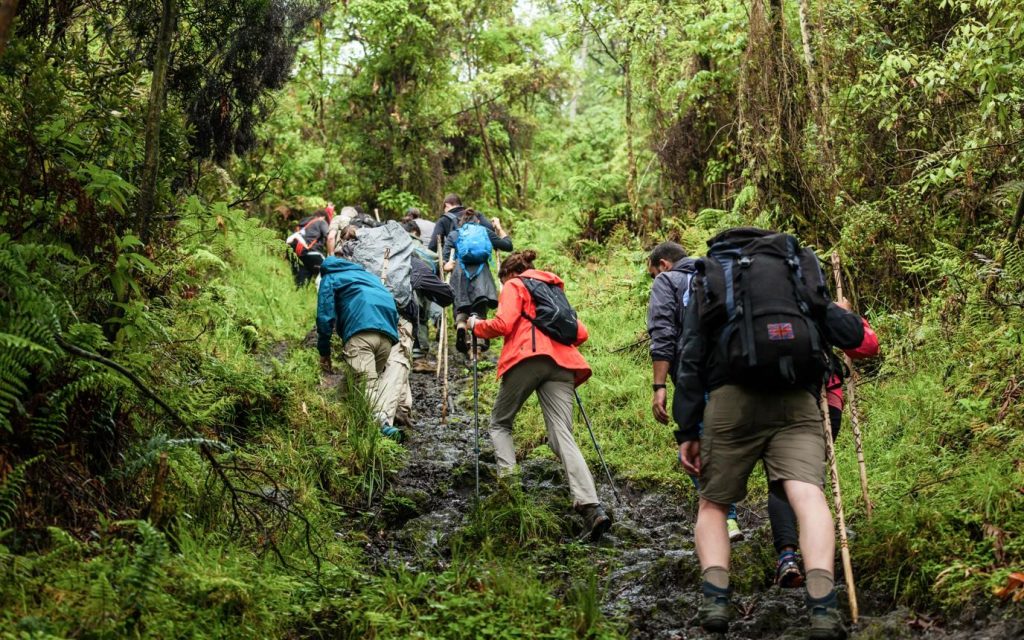
Preparing for a Rwanda gorilla trekking safari involves more than booking a permit and choosing accommodation. Travellers must also think carefully about what to pack for their time in Volcanoes National Park. The right clothing, footwear and personal equipment can make a significant difference to comfort during the trek.
Rwanda’s mountain gorillas live in the lush forests of Volcanoes National Park. The landscape features steep slopes, thick vegetation, uneven paths and muddy trails. In addition, the weather can change quickly because the park lies within a mountainous rainforest environment. Therefore, visitors should prepare for both wet and cool conditions, regardless of their travel month.
A good packing plan also helps you avoid carrying unnecessary luggage. You need enough supplies to remain comfortable without making your daypack too heavy. From waterproof hiking boots to gardening gloves, every item should serve a practical purpose.
At Safari O’clock, we encourage travellers to prepare early and understand the equipment required before departure. Whether you are visiting Rwanda for the first time or returning for another wildlife adventure, this complete Rwanda gorilla tracking packing checklist will help you organise everything you need for a successful safari.
1. Rwanda gorilla tracking packing checklist: What should you wear?
Your trekking outfit is one of the most important parts of your packing plan. The forest environment requires clothing that protects your body from vegetation, insects, mud and changing weather.
Unlike a traditional game drive, gorilla trekking involves walking through natural forest terrain. You may encounter thorny plants, branches and stinging nettles along the route. Therefore, choose comfortable clothes that provide good coverage and allow you to move freely.
Long-sleeved shirts
Pack two or three comfortable long-sleeved shirts, depending on the length of your safari. These provide protection against scratches, insects and stinging vegetation. Lightweight, breathable materials are useful because the physical activity can make you warm as you climb.
Choose shirts that you do not mind getting dirty. The forest environment can leave your clothes muddy, particularly after rainfall.
Long hiking trousers
Long trousers are essential for protecting your legs against nettles, insects and rough vegetation. Choose comfortable trousers made from quick-drying material. Avoid heavy jeans because they become uncomfortable when wet and take longer to dry.
You should also consider carrying an extra pair in case your trekking clothes become particularly muddy.
Warm clothing
Volcanoes National Park experiences cool mountain conditions, especially during early mornings and evenings. A fleece jacket, sweater or lightweight thermal top can help you remain comfortable before the trek begins.
Layering is a practical approach because you can remove or add clothing as temperatures change.
Waterproof rain jacket
Rain can occur at any time in a tropical rainforest. Therefore, include a lightweight waterproof jacket even if you are travelling during a relatively dry period.
A jacket with a hood offers additional protection while keeping your hands free. You can also carry waterproof trousers if you prefer extra protection during wet conditions.
Comfortable evening clothes
Your safari packing list should include ordinary clothes for relaxing at your lodge. Pack casual shirts, trousers, dresses or other comfortable outfits for evenings and days when you are not trekking.
You do not need to wear hiking equipment throughout your holiday. Comfortable casual clothing is sufficient for most lodge activities.
2. Rwanda gorilla tracking packing checklist: Which footwear is essential?
Footwear deserves special attention because the condition of the forest trails can change throughout the day.
A route that appears manageable at the beginning may become slippery after rain. In addition, some sections involve climbing over uneven ground and navigating through thick vegetation.
Waterproof hiking boots
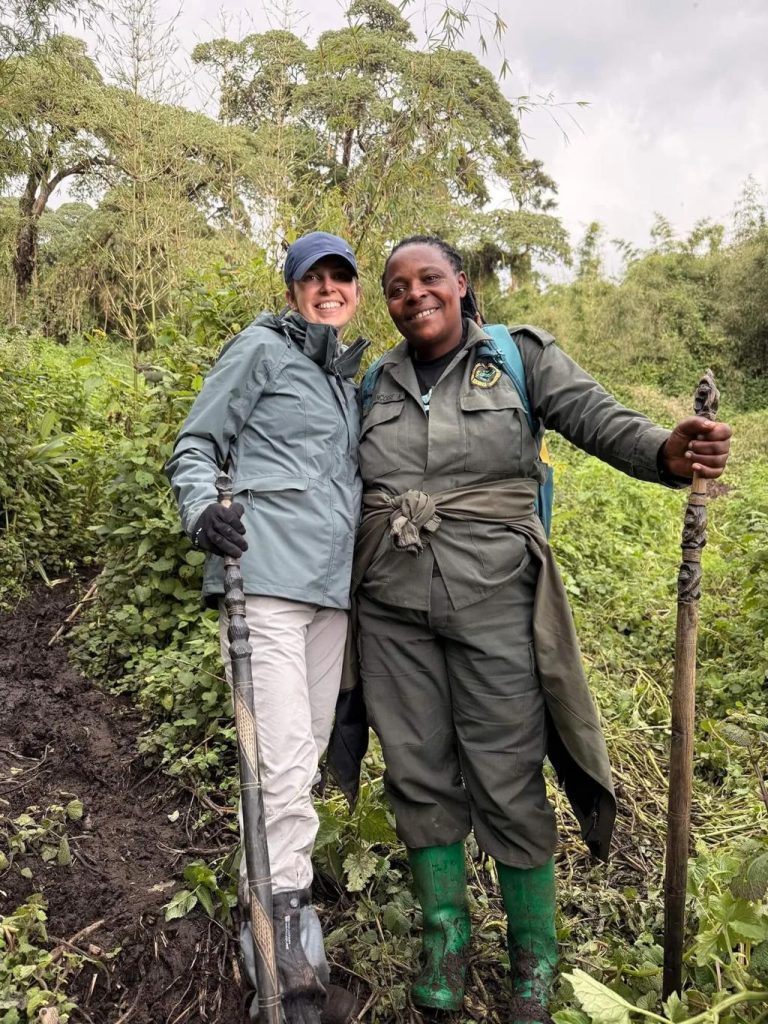
A sturdy pair of waterproof hiking boots should be at the top of your packing list. Choose boots with good traction, ankle support and comfortable inner cushioning.
Most importantly, wear them several times before travelling. New boots can cause blisters, especially during long walks.
Do not wait until the morning of your gorilla trek to discover that your footwear is uncomfortable. Properly broken-in boots will help you walk with greater confidence.
Hiking socks
Pack several pairs of comfortable hiking socks. Thick socks can improve cushioning and reduce friction inside your boots.
Long socks also allow you to tuck your trousers inside them before entering the forest. This helps prevent insects and small vegetation from getting inside your clothing.
Gaiters
Gaiters provide an additional protective layer around the lower legs. They help prevent mud, water and vegetation from entering your boots.
Although they are not compulsory for every visitor, they can be particularly useful during wet conditions.
Extra casual shoes
Carry a separate pair of comfortable shoes for your lodge and other travel activities. This allows your feet to rest after the trek and keeps your hiking boots separate from your everyday footwear.
3. Essential hiking equipment for Rwanda gorilla trekking
Apart from clothing, a few practical accessories can make your forest experience easier.
Waterproof daypack
A small daypack allows you to carry essential items without holding everything in your hands. Choose a comfortable bag with adjustable shoulder straps and enough space for water, snacks, personal medication and camera equipment.
A waterproof bag is useful. Alternatively, use a rain cover or waterproof inner bags to protect your belongings.
Avoid carrying a very large backpack because unnecessary weight can make climbing more difficult.
Gardening gloves
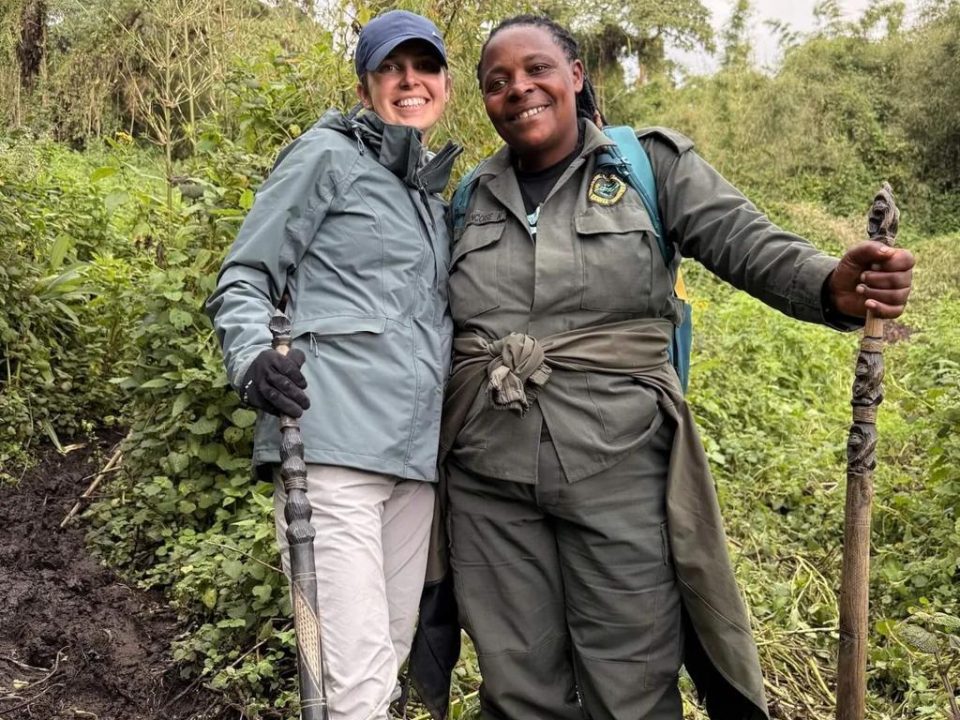
Gardening gloves are among the most useful items on a gorilla trekking packing checklist. They protect your hands when holding branches, moving through vegetation or maintaining balance on difficult sections.
Choose durable gloves that fit comfortably and provide a good grip. Ordinary fashion gloves may not offer enough protection against thorns and rough vegetation.
Walking stick
A walking stick can provide extra support when navigating steep or slippery trails. Park staff and local guides may provide wooden walking sticks at the starting point.
However, confirm the current arrangements with your tour operator before purchasing one unnecessarily.
Hat or cap
A comfortable hat protects your head from sunshine and light rain. A wide-brimmed hat provides additional coverage, while a simple cap is easy to pack and carry.
Sunglasses
Sunglasses can help protect your eyes from bright sunlight, particularly when travelling between destinations or spending time outdoors.
Choose a comfortable pair that stays secure during movement.
Insect repellent
The forest environment contains different insects. Carry a suitable insect repellent and follow the product instructions when applying it.
You may also ask your doctor or pharmacist about suitable products if you have sensitive skin.
4. Rwanda gorilla tracking packing checklist: Food and drinking water
Gorilla trekking can take several hours, depending on the location of the assigned gorilla family. Therefore, carrying sufficient drinking water and suitable snacks is important.
However, remember that eating and drinking are not allowed while observing the gorillas. Follow your guide’s instructions about when and where you can take refreshments.
Drinking water
Carry enough drinking water for the expected duration of your trek. Many packing guides recommend approximately one to two litres per person, although your actual needs may depend on the weather, physical activity and trek duration.
Ask your safari operator whether the lodge provides bottled water or refillable bottles.
Energy snacks
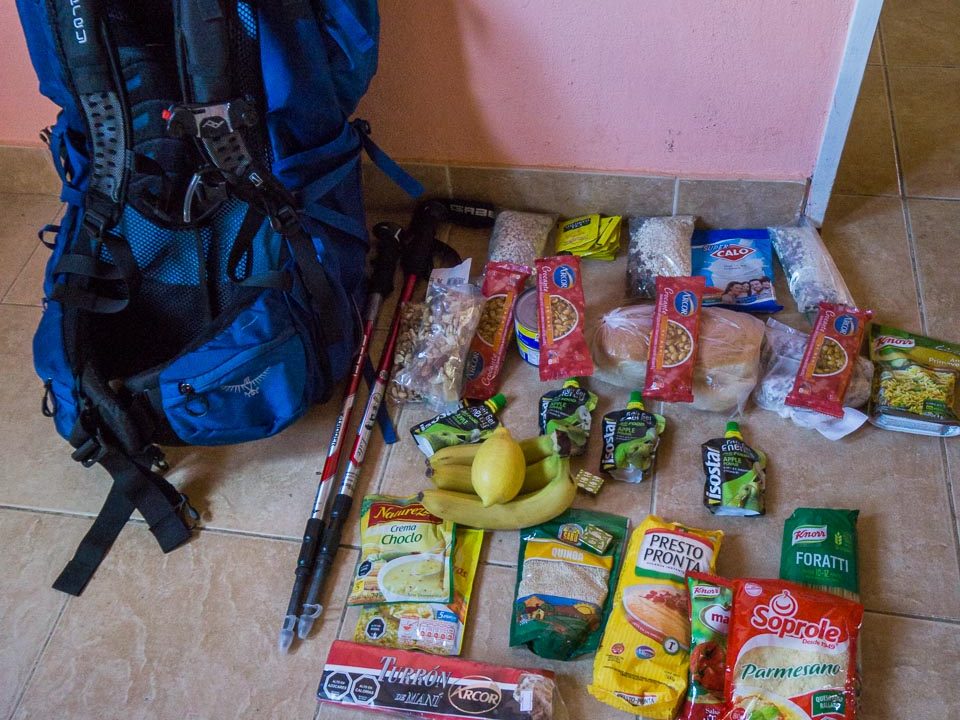
Pack a few lightweight snacks such as energy bars, nuts or dried fruit. These can provide energy during breaks before or after gorilla viewing.
Choose snacks that are easy to carry and do not create unnecessary packaging.
Packed lunch
Some treks take longer than expected. If you may be away from your lodge around lunchtime, ask whether your accommodation can prepare a packed meal.
Keep food securely stored and follow the park’s instructions about eating away from the gorillas. Never leave food waste in the forest.
5. Photography equipment to pack for gorilla tracking
Seeing mountain gorillas in their natural habitat is a memorable experience. Many travellers want to preserve the moment through photography.
However, you should choose equipment that is practical for walking through a mountainous forest.
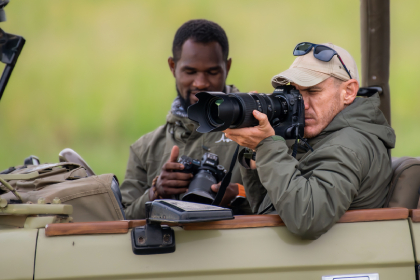
Camera
Carry a reliable camera that performs well in low-light conditions. Forest vegetation can limit natural light, so a camera with suitable low-light settings can be helpful.
Remember to switch off the flash before photographing gorillas. Flash photography is not permitted during the encounter.
Extra camera batteries
A spare battery is useful because you may take several photographs throughout the day. Cold conditions can also affect battery performance.
Charge your batteries fully before leaving your accommodation.
Memory cards
Carry sufficient memory space for your photographs and videos. You do not want to run out of storage during the most exciting part of your safari.
Waterproof camera protection
Rain and humidity can affect electronic equipment. Use a waterproof camera bag, dry bag or protective cover to keep your equipment safe.
Smartphone
A smartphone can serve as an additional camera, communication device and navigation aid during other parts of your journey.
However, keep it protected from moisture and secure it inside your daypack when not in use.
Lens cleaning cloth
Mist, rain and fingerprints can affect image quality. A small lens cloth helps you clean your camera lens without scratching it.
You do not need to carry heavy photography equipment unless you are an experienced wildlife photographer. A practical camera setup is usually easier to manage during a demanding trek.
6. Important travel documents for your Rwanda gorilla safari
Your packing checklist should also include the documents required for international travel and gorilla trekking registration.
Organise these documents before leaving home and keep them somewhere safe and accessible.
Valid passport
Carry your valid passport because you will need it for international travel and identification during your safari arrangements.
Check its validity and confirm the entry requirements that apply to your nationality.
Gorilla trekking permit
Your gorilla permit is essential for participating in the trekking experience. Confirm that your tour operator has arranged the correct date and visitor details.
Keep your permit confirmation accessible and follow the instructions provided by your operator.
Travel insurance documents
Travel insurance can provide useful protection against certain unexpected events. Depending on your policy, coverage may include medical emergencies, trip interruptions and other travel-related risks.
Read the terms carefully. Check whether the policy covers outdoor activities, hiking at altitude and emergency evacuation.
Flight tickets and accommodation confirmations
Keep copies of your flight details, hotel reservations and safari itinerary. Digital copies can be useful, but having an offline copy or printed backup is also advisable.
Visa and entry documents
Check whether you need a visa or any additional travel documentation before arriving in Rwanda.
Requirements can differ according to nationality and travel circumstances. Use official immigration information rather than relying on outdated travel advice.
Emergency contact information
Keep a written record of your tour operator, accommodation and emergency contacts. This is helpful if your phone battery runs out or you lose access to your digital documents.
7. Rwanda gorilla tracking packing checklist: Health and personal care items
Personal health supplies deserve a place in your luggage. Although lodges and tour operators may provide some basic items, carrying your own essentials offers greater convenience.
Personal medication
If you take regular medication, pack enough for your entire trip, plus a reasonable extra supply in case of travel delays.
Keep medication in its original packaging and follow the relevant airline and customs requirements.
Basic first-aid supplies
A small personal first-aid kit can include plasters, blister dressings, antiseptic wipes and other basic supplies.
These items may help you manage minor discomfort during your journey. For more serious injuries, seek assistance from your guide or appropriate medical professionals.
Sunscreen
Sun protection is useful even in mountainous environments where temperatures feel cool. Carry a suitable sunscreen and apply it according to the manufacturer’s instructions.
Lip balm
Cold air and changing weather can leave your lips dry. A small lip balm is easy to carry and useful throughout the safari.
Hand sanitiser
Hand sanitiser provides a convenient way to clean your hands when soap and water are not readily available.
Use it according to its instructions and maintain good hygiene throughout your trip.
Personal toiletries
Pack your toothbrush, toothpaste, deodorant, body lotion, shampoo and other personal care products.
Travel-sized containers can help save luggage space.
Tissues and wet wipes
These are useful for personal hygiene during long journeys and outdoor activities. Carry used wipes and other waste back with you instead of leaving them in the forest.
Face mask
A face mask may be useful for respiratory hygiene and may be required under applicable park health guidance. Confirm current instructions with your tour operator before travelling.
8. What should you pack for different seasons in Rwanda?
Although Rwanda has relatively distinct wet and dry periods, Volcanoes National Park remains a rainforest environment. Rain can occur even during months that generally experience lower rainfall.
Therefore, never plan your entire packing list around the expectation of dry weather.
During the wetter periods, waterproof clothing becomes especially important. Pack a reliable rain jacket, waterproof trousers, gaiters and protective bags for electronics. You should also carry extra socks because wet footwear can make walking uncomfortable.
During relatively dry months, trails may offer easier walking conditions in some areas. Nevertheless, the mountainous environment can still produce unexpected showers. Keep your waterproof jacket and suitable hiking boots in your luggage.
Cool mornings and evenings also make warm clothing useful throughout the year. A fleece jacket or sweater provides a comfortable extra layer.
If you are travelling during June, July, August, December, January or February, do not assume that you can leave rain protection behind. Good preparation matters more than the season alone.
9. What should you leave behind when going gorilla trekking?
Packing well also means knowing which items you do not need.
A heavy backpack can make the trek more exhausting. Therefore, carry only the essentials and leave unnecessary belongings at your lodge or in your safari vehicle, where secure storage is available.
Avoid carrying expensive jewellery, unnecessary electronic gadgets and large amounts of cash.
You should also avoid packing heavy shoes that are unsuitable for muddy trails. Ordinary sandals, fashionable shoes and brand-new trainers are not appropriate substitutes for sturdy hiking boots.
Tripods and bulky photography equipment may also become difficult to manage on steep forest trails. Choose compact equipment that you can carry comfortably.
Most importantly, do not bring anything that encourages littering or disturbs wildlife. Keep the forest clean and follow the instructions of your park guides.
10. Can you hire or borrow some gorilla trekking equipment in Rwanda?
You do not necessarily need to purchase every item before travelling.
Some safari lodges and local operators provide selected equipment, depending on their facilities and arrangements. These may include walking sticks, rain ponchos, gaiters and other trekking accessories.
However, availability differs between accommodation providers. Therefore, contact your lodge or tour operator before departure.
Hiring a local porter is another useful option. Porters can carry your daypack and provide support on difficult sections of the trail. Their services also create income opportunities for communities living around the park.
You should confirm the current porter charges and payment arrangements with your safari company.
Safari O’clock can help travellers understand which items they should bring from home and which ones they may be able to obtain locally.
11. How should you organise your luggage before travelling?
Once you have gathered your equipment, organise everything into separate categories.
Use packing cubes or small bags to separate trekking clothes, ordinary clothes, toiletries and electronic equipment. This makes it easier to locate items without unpacking your entire suitcase.
Keep important travel documents in a secure, accessible place. Do not place your passport or essential medication inside checked luggage.
Your trekking daypack should contain only the supplies you need for the forest. These include drinking water, snacks, personal medication, a camera, rain protection and other small essentials.
Pack your hiking boots where you can access them easily. If possible, wear them during your journey or keep them in your hand luggage when airline baggage rules allow.
Finally, check your airline’s luggage restrictions before departure. Different airlines have different weight and size limits for checked and cabin baggage.
12. Final Rwanda gorilla tracking packing checklist before departure
Before leaving for Rwanda, take a few minutes to review your luggage. A final check can help you identify missing items while there is still time to purchase them.
Your complete packing checklist should include:
Trekking clothing
- Long-sleeved shirts.
- Long hiking trousers.
- Warm fleece or sweater.
- Waterproof rain jacket.
- Waterproof trousers, if needed.
- Comfortable casual clothes for the lodge.
- Extra underwear and socks.
Footwear
- Broken-in waterproof hiking boots.
- Thick hiking socks.
- Extra socks.
- Gaiters, if available.
- Comfortable evening shoes.
Hiking accessories
- Waterproof daypack.
- Gardening gloves.
- Hat or cap.
- Sunglasses.
- Insect repellent.
- Sunscreen.
- Walking stick, if required.
- Waterproof bags or rain cover.
Food and hydration
- Drinking water.
- Energy snacks.
- Packed lunch, where necessary.
- Reusable water bottle, if preferred.
Photography equipment
- Camera or smartphone.
- Spare batteries.
- Memory cards.
- Waterproof camera protection.
- Lens cleaning cloth.
Travel documents
- Valid passport.
- Gorilla permit confirmation.
- Flight tickets.
- Accommodation confirmations.
- Visa or entry documents, where applicable.
- Travel insurance details.
- Emergency contacts.
Health and personal care
- Personal medication.
- Basic first-aid supplies.
- Blister dressings.
- Hand sanitiser.
- Tissues.
- Wet wipes.
- Face mask, if required.
- Toothbrush and toothpaste.
- Deodorant.
- Lip balm.
- Personal toiletries.
Final Thoughts: Pack Smart for Your Rwanda Gorilla Trekking Adventure
Preparing for gorilla trekking in Rwanda becomes easier when you understand the environment and choose your equipment carefully. The right footwear, protective clothing and waterproof accessories can improve your comfort during the journey.
However, remember that you do not need to purchase expensive equipment for every part of the experience. Focus on essential items, check what your accommodation provides and arrange additional support where necessary.
At Safari O’clock, we believe that proper preparation is an important part of every successful safari. We encourage visitors to organise their luggage early, confirm their trekking arrangements and ask questions whenever they are unsure about what to bring.
Whether you are travelling alone, with friends or as a family, this Rwanda gorilla tracking packing checklist can help you prepare for your adventure with greater confidence.
Pack thoughtfully, respect the natural environment and get ready to experience one of Rwanda’s most remarkable wildlife encounters. Your journey into the mountain gorilla habitat deserves careful preparation, and Safari O’clock is here to help you make the most of it.