- DIRECT CONTACTS:
- +256394517569
- tours@safarioclock.africa
How Gorilla Tracking Is a Carefully Managed Wildlife Experience

Who Leads the Gorilla Tracking Experience in Rwanda?
November 9, 2026
What Makes Volcanoes National Park Suitable for Gorilla Tracking?
November 9, 2026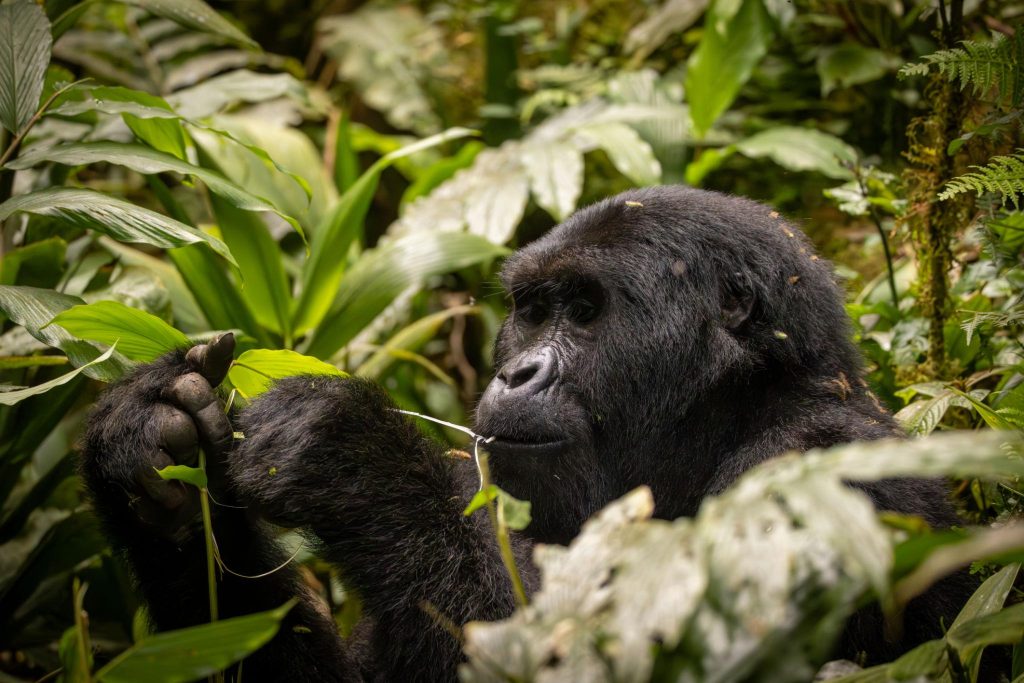
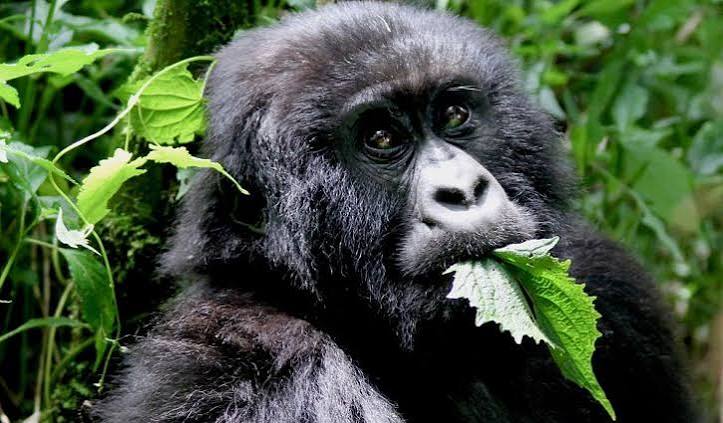
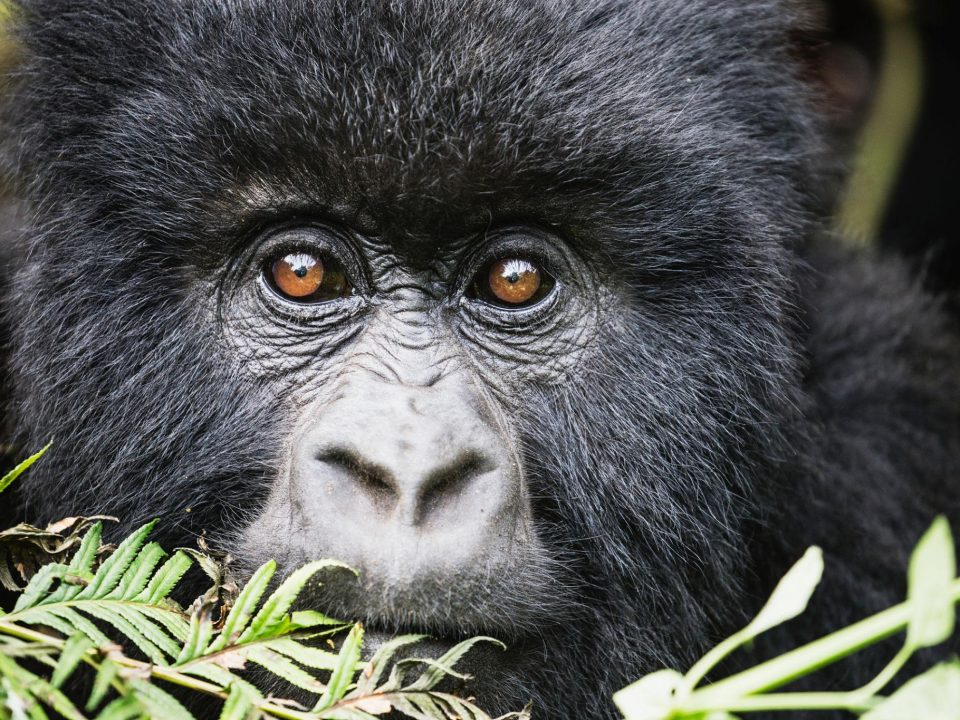
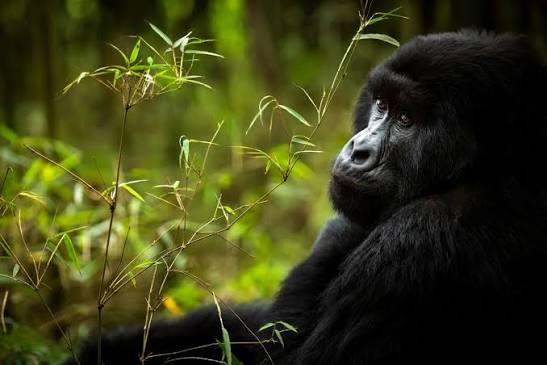
Gorilla tracking is one of Africa’s most remarkable wildlife experiences. It gives visitors an opportunity to observe endangered mountain gorillas in their natural forest habitat. However, this special encounter does not happen without careful planning. Every stage follows conservation guidelines designed to protect the gorillas and ensure responsible tourism
In Rwanda’s Volcanoes National Park and Uganda’s Bwindi Impenetrable National Park and Mgahinga Gorilla National Park, park authorities manage gorilla tourism through established procedures. These include permit controls, visitor briefings, trained guides, trackers, group limits and strict viewing rules. As a result, visitors enjoy an unforgettable encounter while helping to protect a vulnerable species.
At Safari O’clock, we believe that understanding these arrangements helps travellers appreciate the real value of gorilla tracking. It is not simply about getting close to a gorilla or taking memorable photographs. It is about entering a protected environment responsibly and respecting the wildlife that lives there.
What Makes Managed Gorilla Tracking Different from Ordinary Wildlife Tourism?
Ordinary wildlife viewing may involve watching animals from a vehicle, a viewing platform or a designated walking trail. Gorilla tracking is different because visitors enter the forest on foot and move through the natural habitat of a wild primate. This requires greater control over visitor behaviour, movement and contact with wildlife.
Mountain gorillas are endangered and share many biological similarities with humans. Therefore, they can be vulnerable to certain human respiratory infections and other diseases. Even a seemingly minor illness can create a serious risk for a gorilla. For this reason, park authorities place health precautions at the centre of the tracking experience.
Managed gorilla tracking also limits how many visitors can approach a gorilla family. In Rwanda, the official tracking guidelines allow a maximum of eight visitors per group. The viewing period is limited to one hour. These measures help reduce disturbance and control the number of people interacting with each habituated family.
Furthermore, visitors cannot simply enter the forest whenever they wish. They must hold valid permits and follow the procedures set by the relevant wildlife authority. This organised approach helps protect the animals while allowing responsible tourism to continue.
How Permits Help Control Managed Gorilla Tracking
A gorilla tracking permit is more than an entry ticket. It forms part of the system that regulates tourism in protected gorilla habitats. Park authorities use permits to manage visitor numbers, organise tracking activities and ensure that access follows approved procedures.
In Rwanda, visitors book mountain gorilla tracking permits through the Rwanda Development Board’s official booking system or an authorised tourism arrangement. In Uganda, the Uganda Wildlife Authority manages gorilla permits and designates the recognised tracking sectors. These systems help authorities organise visitors according to the available gorilla families and park arrangements.
Importantly, a permit does not give visitors unrestricted access to the forest. It allows them to participate in a specific tracking activity under the authority’s rules. Visitors must still report to the correct location, attend the briefing and follow the instructions of their assigned park team.
Safari O’clock helps travellers understand the permit process before their journey. We guide clients on the information required for booking, the importance of using the correct tracking location and the need to confirm travel arrangements early. This preparation helps reduce avoidable problems on the tracking day.
Why Visitor Numbers Are Limited During Managed Gorilla Tracking
Limiting visitor numbers is one of the most important ways park authorities reduce pressure on mountain gorillas. Large tourist groups could create unnecessary noise, movement and disturbance around the animals. Smaller groups make it easier for guides to supervise visitors and maintain the required distance.
In Rwanda, a maximum of eight tourists can visit a habituated gorilla family in a tracking group. The viewing period is limited to one hour. These restrictions help reduce the duration and frequency of human interaction with each family.
The same principle guides gorilla tourism management in Uganda. Uganda’s official tracking guidelines provide for the allocation of visitors to specific gorilla families through designated tracking sectors and approved procedures. Visitors should always follow the current instructions issued by the Uganda Wildlife Authority.
These limits also make the experience more organised. Guides can communicate instructions clearly, monitor visitor behaviour and respond when the gorillas move. Consequently, responsible group management benefits both wildlife protection and visitor safety.
The Role of Guides and Trackers in Managed Gorilla Tracking
Professional park guides and trackers play an important role in making gorilla tracking safe and responsible. Although they work together, their duties are different.
Trackers help locate and monitor gorilla families in the forest. They often enter the forest early to follow signs of gorilla activity. These signs may include feeding remains, nests, footprints and other evidence of movement. Their knowledge of the forest helps the tracking team understand where the gorillas may be.
Park guides lead visitors during the actual trek. They explain the rules, choose appropriate routes and communicate with trackers. They also help visitors understand how to behave when they encounter the gorillas. If the animals move or show signs of discomfort, guides can adjust the group’s position and give further instructions.
Rangers also support the wider protection of the national parks. Their responsibilities may include patrols, monitoring wildlife, protecting habitats and responding to conservation threats. Their work helps maintain the protected environment in which gorillas live.
At Safari O’clock, we recognise that these professionals are central to the tracking experience. Visitors should listen carefully to their instructions because their decisions help protect both people and wildlife.
How Pre-Trek Briefings Support Managed Gorilla Tracking
Before entering the forest, visitors attend a briefing conducted by park staff. This session explains the tracking procedures, expected behaviour and important conservation rules. It prepares visitors for the encounter and helps them understand their responsibilities.
During the briefing, visitors learn about maintaining a safe distance from gorillas, keeping their voices low and avoiding sudden movements. They also receive instructions on what to do if a gorilla approaches, charges or displays unusual behaviour. Most importantly, they are reminded to follow the guide rather than make independent decisions.
The briefing also covers health precautions. Visitors with contagious illnesses, such as colds or flu, should not visit gorillas. Coughing and sneezing can expose the animals to infections. Therefore, visitors must cover their mouths, turn away from the gorillas and follow the park’s health instructions.
In Rwanda, visitors report to the designated park offices at Kinigi for the morning arrangements. The exact reporting procedures and times depend on the destination and the relevant authority. Safari O’clock helps travellers prepare for these requirements before the tracking day.
Why Viewing Time Is Restricted During Managed Gorilla Tracking
Seeing mountain gorillas in their natural habitat is exciting. However, visitors cannot remain with a gorilla family for as long as they wish. Park authorities set a maximum viewing period to limit the time that tourists spend near the animals.
In Rwanda, the official guidelines limit the gorilla viewing encounter to one hour. This allows visitors to observe the family while reducing prolonged human presence. It also gives the gorillas more time to continue their normal activities without visitors nearby.
During this period, visitors may observe gorillas feeding, resting, grooming, playing or interacting with one another. However, their behaviour is never guaranteed. Some families may remain in one area, while others may move through the forest.
The guide manages the encounter and decides where visitors should stand. If the gorillas move, the group follows the guide’s directions. If the animals become unsettled or conditions require an early departure, visitors may have to leave before the maximum viewing time ends.
Therefore, the one-hour limit is not a promise that every encounter will last exactly sixty minutes. It is a maximum period intended to support responsible wildlife viewing.
Health and Hygiene Rules Protect Gorillas During Managed Gorilla Tracking
One of the biggest responsibilities in gorilla tourism is reducing the risk of disease transmission. Mountain gorillas can catch some human illnesses because they share many biological similarities with people. Respiratory infections are a particular concern.
For this reason, visitors should never track gorillas when they have a cold, flu or another contagious illness. Park authorities may deny access to visitors who show signs of illness. This precaution helps reduce the possibility of introducing infections into a gorilla population.
Visitors must also follow hygiene instructions throughout the trek. They should not spit in the forest or leave rubbish behind. If they need to cough or sneeze, they should cover their mouths and turn away from the animals. They must also respect any additional health measures issued by park authorities.
Distance is another important precaution. Rwanda’s official guidelines instruct visitors to maintain a distance of at least seven metres from gorillas. However, visitors should follow the current instructions of their destination’s wildlife authority and guide, especially where local rules differ.
These measures may seem strict, but they serve an important purpose. A responsible tracking experience places the health of the gorillas above the desire for a closer photograph.
How Managed Gorilla Tracking Protects the Natural Forest Habitat
Gorilla conservation involves more than protecting individual animals. It also requires the protection of the forests where they feed, rest, move and raise their young.
Mountain gorillas depend on healthy forest ecosystems. Their habitat provides food, shelter and space for their daily activities. Human activities such as illegal hunting, habitat destruction and unauthorised forest access can threaten these environments.
National park authorities therefore regulate tourism activities and restrict visitors to approved tracking arrangements. Guides help groups follow suitable routes and avoid unnecessary disturbance. Visitors must not remove plants, damage vegetation or leave waste in the forest.
In addition, park rangers and conservation teams monitor wildlife and support the protection of the wider ecosystem. Their work helps identify threats and maintain the conditions that gorillas need to survive.
Responsible tourism can also create economic benefits for surrounding communities. Tourism supports employment for guides, trackers, porters, drivers and other service providers. It also creates opportunities for local businesses that serve visitors. When communities benefit from conservation-related activities, they have stronger reasons to support the protection of wildlife and natural habitats.
The Importance of Responsible Visitor Behaviour During Managed Gorilla Tracking
Park authorities provide rules and professional guidance, but visitors also have a responsibility to protect the gorillas. Following instructions throughout the trek helps ensure that tourism does not create unnecessary pressure on wildlife.
Visitors should keep their voices low and avoid sudden movements. They should never attempt to touch, feed or attract the gorillas. Flash photography is not permitted in Rwanda’s official tracking guidelines. Visitors should also avoid using their phones in ways that disturb the animals or distract them from the guide’s instructions.
If a gorilla approaches, visitors should remain calm and follow the guide’s directions. They should not attempt to move closer for a photograph or block the animal’s path. The guide understands how to respond to the situation and will direct the group accordingly.
Visitors should also remember that they are guests in the gorillas’ natural environment. The animals do not perform for tourists, and they should never be forced to change their behaviour to satisfy visitors.
Safari O’clock encourages travellers to approach gorilla tracking with patience, respect and an open mind. The best encounter is not necessarily the one with the closest photograph. It is the one in which visitors observe the gorillas without causing unnecessary disturbance.
How Safari O’clock Helps Travellers Prepare for Responsible Gorilla Tracking
Planning a gorilla tracking trip involves more than choosing a travel date and booking accommodation. Visitors must understand permit requirements, park procedures, fitness expectations, packing needs and conservation rules.
Safari O’clock helps travellers organise these arrangements before they reach the national park. We provide guidance on the tracking destination, travel schedule and practical preparations. We also help visitors understand why park briefings, group limits and viewing restrictions matter.
Preparation is particularly important because gorilla tracking takes place in a natural forest environment. The terrain may be steep, muddy or slippery. Weather conditions can change, and the time spent hiking depends on the location of the assigned gorilla family. Visitors should therefore carry suitable walking shoes, rain protection, drinking water and other recommended items.
Most importantly, Safari O’clock encourages every traveller to respect the authority of park guides and follow the rules throughout the experience. Responsible preparation helps visitors enjoy the adventure while supporting the conservation work that makes gorilla tourism possible.
Gorilla Tracking Is a Conservation Responsibility, Not Just a Tourist Activity
Gorilla tracking offers a rare opportunity to observe endangered mountain gorillas in the wild. However, the experience depends on a careful balance between tourism, wildlife protection and community involvement.
Permit systems regulate access. Visitor limits reduce pressure on gorilla families. Trained guides and trackers organise encounters, while rangers and conservation teams help protect the wider habitat. Health precautions and viewing restrictions further reduce risks to the animals.
These arrangements show why gorilla tracking must remain a carefully managed wildlife experience. Every visitor has a role to play by following instructions, respecting the animals and avoiding behaviour that could disturb their natural environment.
When travellers choose responsible tourism, they contribute to a system that supports conservation and local livelihoods. Safari O’clock is proud to help visitors experience this remarkable part of Africa with greater understanding, preparation and respect for the mountain gorillas.