- DIRECT CONTACTS:
- +256394517569
- tours@safarioclock.africa

Which Extra Costs Should You Allow for on Trekking Day?

Planning a Rwanda Gorilla Trek for Two on a Clear Budget
November 21, 2026
How Porter Fees Fit into a Gorilla Tracking Budget
November 21, 2026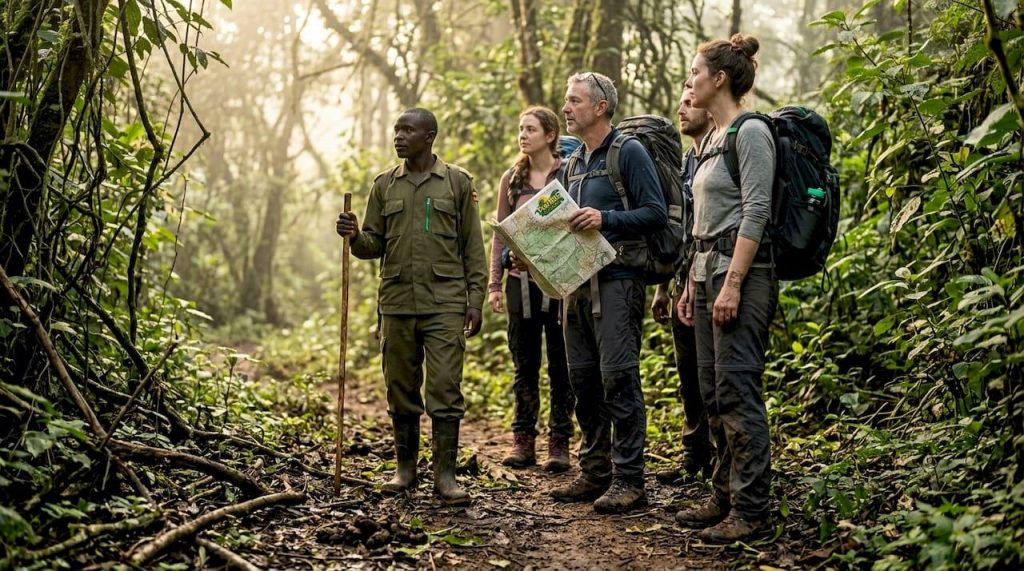
Gorilla trekking is one of the most remarkable wildlife experiences in East Africa. Whether you visit Bwindi Impenetrable National Park in Uganda or Volcanoes National Park in Rwanda, meeting mountain gorillas in their natural habitat is an unforgettable adventure. However, the cost of a gorilla safari does not always end with the permit and accommodation.
On the actual trekking day, visitors may encounter several additional expenses. These costs can include hiring a porter, tipping the trekking team, buying drinking water, renting equipment and arranging local transportation. Although some expenses are optional, preparing for them makes the experience more comfortable.
Many travellers plan their safari budgets around the major expenses. They calculate the permit, accommodation and transport. However, they sometimes forget the smaller costs that arise during the forest excursion. These expenses may seem insignificant individually, but they can increase the amount of money needed on the day.
At Safari O’clock, we encourage travellers to prepare for the entire experience rather than focusing only on the main safari package. This guide explains the gorilla trekking extras you should allow for, how to estimate them and how to avoid unexpected spending.
1. Understand the Gorilla Trekking Extras Before Your Safari
Before setting aside money for trekking day, understand what your gorilla permit and safari package already cover.
A gorilla tracking permit provides access to the authorised tracking experience under the rules of the relevant wildlife authority. The experience includes a briefing and guidance from authorised park personnel.
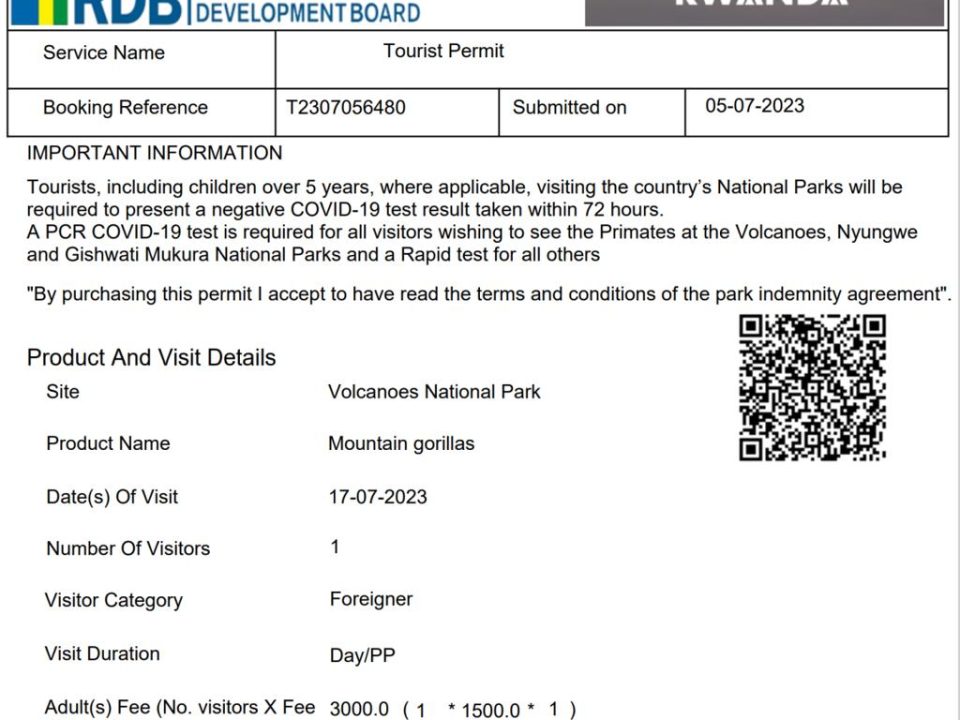
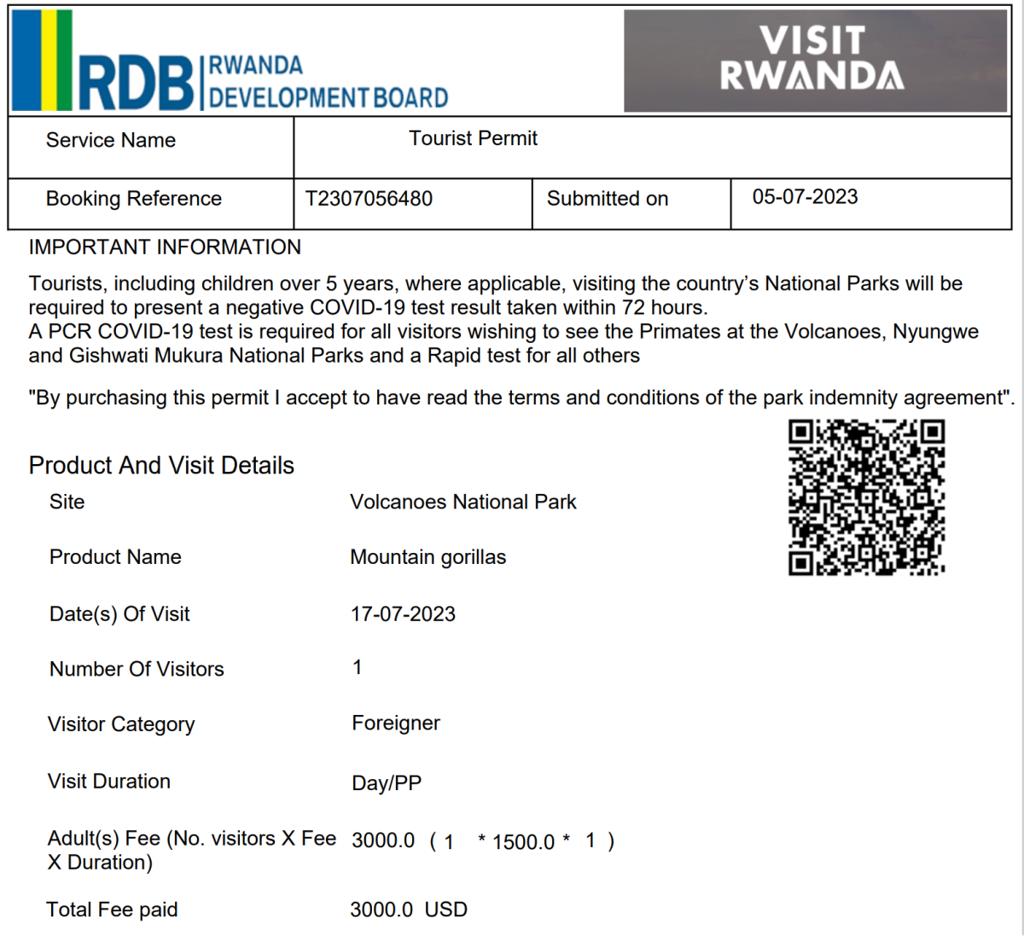
In Rwanda, the Rwanda Development Board requires visitors to report to the park registration centre at Kinigi by 7:00 a.m. Visitors receive instructions before entering the forest.
Uganda also requires visitors to validate their permits and attend an official briefing before tracking. Uganda Wildlife Authority guides and trackers accompany the visitors.
However, a permit does not automatically cover every personal service or item you may need during the trek. For example, hiring a porter, purchasing personal snacks and buying souvenirs may require separate payments.
Your safari package may already include some additional services. Therefore, check your quotation before paying for anything separately.
Safari O’clock recommends requesting a clear breakdown of included and excluded services. This helps you avoid duplicate payments and prepare a realistic trekking-day allowance.
2. Budget for a Local Porter
Hiring a porter is one of the most useful additional expenses to consider during gorilla trekking. A porter helps carry your backpack, water bottle, camera equipment and other personal belongings.
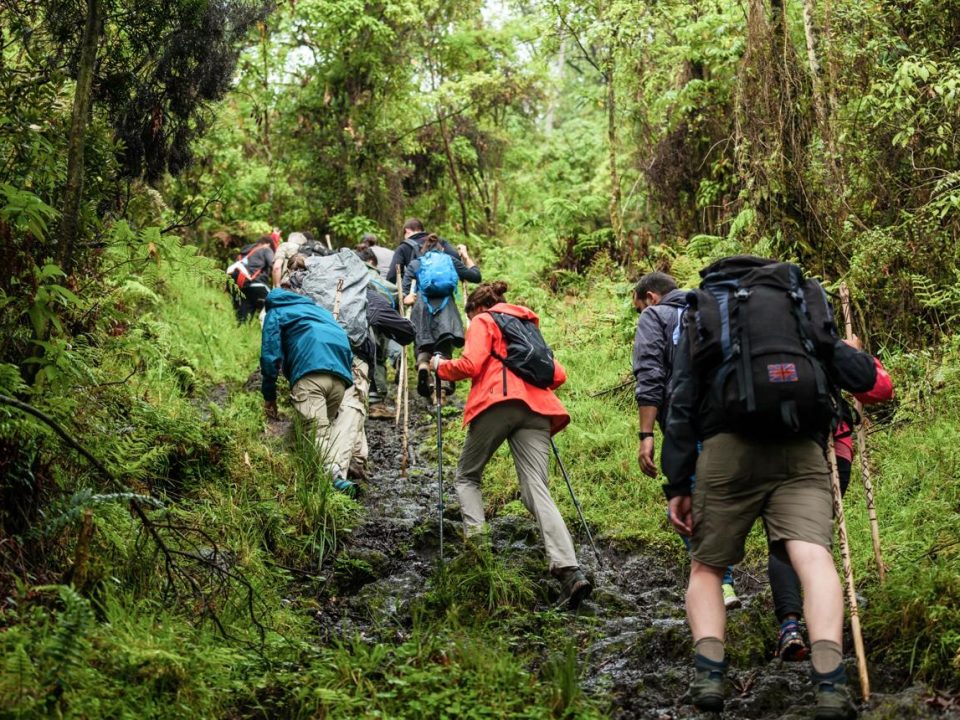
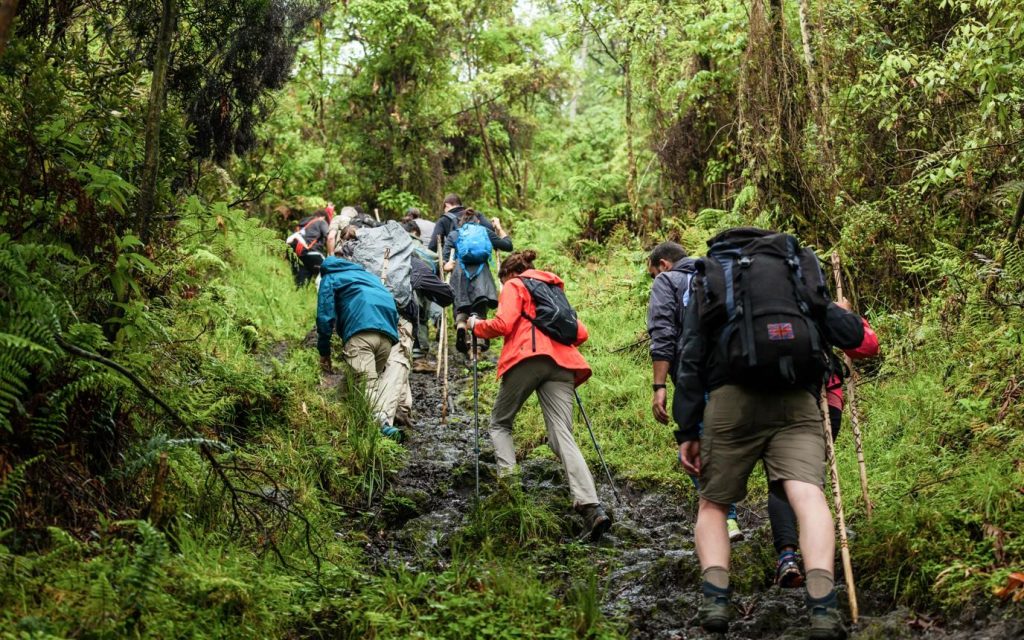
Gorilla trekking takes place in mountainous forest environments. Some trails involve steep slopes, muddy ground, thick vegetation and uneven surfaces. Depending on the gorilla family’s location, visitors may walk for several hours.
A porter can make the journey easier by carrying your belongings. Some porters also offer a helping hand when navigating difficult sections of the trail.
How much should you allow for a gorilla trekking porter?
Porter charges vary between destinations and local arrangements. As a general planning guide, travellers may allow approximately US$10–US$20 for a porter in Rwanda. In Uganda, a planning allowance of approximately US$15–US$25 is useful.
These are indicative estimates rather than official fixed park tariffs. Confirm the current charge with your tour operator or local porter service before travelling.
Remember that porter hire is normally optional. You can decide whether you need the service based on your physical comfort, backpack weight and trekking conditions.
Why hiring a porter supports local communities
Hiring a porter provides income to people living around the national parks. Many porters come from neighbouring communities and depend on tourism for employment.
Your payment supports local livelihoods while making your trekking experience more manageable.
At Safari O’clock, we encourage responsible tourism that recognises the contribution of local communities to wildlife conservation and visitor experiences.
3. Prepare Money for Tips During Gorilla Trekking
Tipping is another expense worth considering when preparing your trekking-day budget. Guides, trackers, rangers and porters contribute to the success of the experience.
The guides lead visitors through the forest and explain gorilla behaviour. Trackers help locate the gorilla families before visitors arrive. Rangers support park operations and visitor safety.
Their work makes the experience possible, and some travellers choose to show appreciation through tips.
Who can you tip on trekking day?
You may consider tipping the following people:
Your porter: A porter carries your belongings and may assist you along difficult trails. You can offer a tip in addition to the agreed service charge if you are happy with the assistance.
Your guide: The guide leads your group and explains the rules and wildlife behaviour. A tip is one way to appreciate good service.
Trackers and rangers: These teams play important roles in locating gorillas and supporting responsible visitor experiences. Some visitors contribute towards a shared tip for the team.
Your driver-guide: If your driver has transported you to the park and supported you throughout the safari, you may also wish to recognise their service.
Are tips compulsory?
No. Tipping is discretionary and should depend on your experience and personal budget. There is no universal official gorilla trekking tip amount set by the wildlife authorities.
If you plan to tip, carry small cash denominations. This makes it easier to give individual tips without needing change.
Safari O’clock encourages travellers to appreciate the people who make their experience special while remaining comfortable with their spending.
4. Allow Money for Drinking Water and Snacks
A gorilla trek can involve several hours of walking. Therefore, drinking water and suitable snacks are important preparations.
You should carry enough water for the duration of the trek. The amount depends on the weather, walking time and your personal needs.
A reusable water bottle can help you carry drinking water conveniently. You may also purchase bottled water before leaving your lodge or the nearby town.
Some lodges provide packed lunches or snacks for visitors who leave early in the morning. However, you should confirm this service before assuming it is included.
What snacks should you carry?
Choose lightweight snacks that are easy to pack and carry. Energy bars, nuts and other suitable packaged snacks can be useful during breaks.
However, there is an important wildlife protection rule to remember. Visitors must not eat or drink while in the immediate presence of gorillas. Follow your guide’s instructions about when and where you can take refreshments.
In Uganda, the wildlife authority’s tracking rules prohibit eating, drinking and smoking when visitors are with the gorillas. Rwanda also instructs visitors to follow the gorilla viewing rules.
Avoid leaving food wrappers or other waste in the forest. Carry all rubbish back with you.
At Safari O’clock, we recommend checking your packed lunch arrangements with your lodge or safari operator before trekking day.
5. Consider Renting or Buying Trekking Equipment
Your personal equipment can influence how comfortable you feel during the trek. Some visitors already own suitable hiking gear, while others may need to purchase or rent certain items.
The forest environment can be wet, muddy and unpredictable. Therefore, appropriate clothing and footwear are important.
Essential equipment to prepare
Hiking boots: Strong, comfortable and waterproof hiking boots provide support on uneven and slippery trails. Avoid using new footwear for the first time on trekking day.
Long trousers: Long trousers help protect your legs from vegetation, insects and stinging plants.
Long-sleeved shirts: These provide additional protection against scratches and nettles.
Waterproof jacket: Mountain weather can change quickly. A lightweight rain jacket helps protect you when rain begins.
Gardening gloves: These can protect your hands when holding vegetation for balance. Always avoid damaging plants.
Small backpack: A comfortable backpack helps carry your water, camera, snacks and personal belongings.
Socks and spare clothing: An extra pair of socks can be useful after a muddy trek.
Should you budget for equipment rental?
Some accommodation providers and local operators may offer equipment rental. Availability and prices differ by destination and property.
For example, you may find services for hiring walking sticks, gaiters or rain protection. However, do not assume that every item will be available at the park headquarters.
Ask Safari O’clock or your accommodation provider about available equipment before departure.
If you already own suitable hiking boots and waterproof clothing, you can avoid unnecessary rental or shopping expenses.
6. Set Aside Money for Transportation to the Trekking Starting Point
Your safari package may include transportation from Kigali, Kampala or another starting point. However, you should check whether it also covers the final transfer to the park briefing centre.
In Rwanda, gorilla trekking takes place in Volcanoes National Park. Visitors report to the registration centre at Kinigi for the morning briefing.
Travellers staying in Musanze may need a short transfer to Kinigi early in the morning.
In Uganda, visitors must report to their allocated gorilla tracking sector in Bwindi Impenetrable National Park or Mgahinga Gorilla National Park. The location depends on the permit and assigned tracking area.
For this reason, the distance between your accommodation and the briefing point matters.
If your package includes a dedicated safari vehicle and driver-guide, the transfer may already be covered. However, some accommodation arrangements may require separate transport.
Confirm the pickup time, meeting point and return transfer before trekking day. This prevents last-minute transport expenses and delays.
Safari O’clock can help organise suitable transfers so that visitors arrive at the briefing point on time.
7. Keep Emergency Cash for Unexpected Trekking-Day Expenses
Even with careful planning, small unexpected expenses can arise during a gorilla trek.
For example, you may need additional drinking water, a replacement rain jacket or transport after the trek. You may also wish to purchase refreshments or souvenirs when you return to the nearby town.
Carrying a small emergency allowance gives you flexibility without affecting your main safari budget.
However, avoid carrying more cash than you need. Keep your money secure and divide it between a safe location in your luggage and a small daypack wallet.
It is also useful to carry small denominations in an appropriate currency. Rwanda uses the Rwandan franc, while Uganda uses the Ugandan shilling. Some tourism services may accept foreign currency, but you should confirm payment arrangements in advance.
Do not rely entirely on card payments in remote areas. Mobile payment and card facilities may not always be available where you need them.
8. Budget for Photography and Personal Equipment
Many visitors want to capture their gorilla trekking experience. A camera or smartphone can help preserve memories of the forest and the wildlife.
However, photography may come with additional preparation costs.
If you use a camera, consider bringing extra batteries and enough memory card space. A long trek may limit opportunities to recharge your equipment.
You may also need a waterproof camera bag or protective cover to guard against rain.
Some visitors choose to rent photography equipment before the safari. If you plan to do this, confirm availability and rental charges in advance.
Remember that flash photography is not allowed when observing mountain gorillas. Follow your guide’s instructions and avoid actions that disturb the animals.
You should also avoid carrying unnecessary equipment. A heavy camera bag can make a challenging walk more tiring.
Safari O’clock encourages visitors to prioritise responsible photography and enjoy the encounter without interfering with the gorillas or other travellers.
9. Prepare for Meals After the Trek
Gorilla tracking can be physically demanding. After returning from the forest, you may want a proper meal and time to rest.
Some safari packages include lunch at the lodge. Others provide a packed meal or allow visitors to purchase food separately.
Check your accommodation’s meal plan before travelling. This is particularly important if your trek takes longer than expected.
You may also wish to budget for an additional drink or meal at a restaurant after the trek.
If you have dietary requirements, inform your lodge or safari operator in advance. This gives the accommodation team time to prepare suitable meals.
At Safari O’clock, we recommend confirming the meal arrangements as part of your pre-trek planning.
10. Understand Which Trekking-Day Costs Are Already Included
One of the easiest ways to avoid overspending is to identify expenses that your safari quotation already covers.
Different operators provide different packages. Therefore, never assume that every service is included simply because you have booked a gorilla tracking safari.
Before trekking day, review the following items:
- Gorilla tracking permit.
- Park briefing and authorised guide services.
- Porter hire.
- Accommodation and meals.
- Drinking water and packed lunch.
- Transport to and from the briefing point.
- Driver-guide services.
- Equipment rental.
- Tips and personal expenses.
Some services are part of the permit or official park arrangements, while others depend on your chosen package.
For example, Rwanda’s official visitor guidance confirms that porters are available for a separate charge. Uganda’s tracking guidelines require official permit validation and accompaniment by authorised guides and trackers.
Ask your tour operator to distinguish between included services, optional services and personal expenses.
Safari O’clock believes that clear quotations help travellers make better decisions and enjoy their experience with confidence.
11. Example of a Gorilla Trekking-Day Extra Budget
After identifying the possible expenses, prepare a simple allowance for the actual trekking day.
The following example provides an indicative budget for one visitor. It assumes that the main safari package already covers the gorilla permit, accommodation and transport.
Illustrative Rwanda trekking-day allowance:
| Additional expense | Estimated allowance |
|---|---|
| Porter service | US$10–20 |
| Optional tips | US$10–30 |
| Drinking water and snacks | US$5–10 |
| Equipment rental or small purchases | US$5–15 |
| Personal emergency allowance | US$10–20 |
| Estimated total | US$40–95 |
These figures are planning estimates, not official tariffs. Actual costs depend on local arrangements, the equipment available and your personal choices.
You may spend less if you bring your own equipment and decide not to hire a porter. On the other hand, additional purchases or more generous tips can increase your spending.
For Uganda, adjust the porter allowance to approximately US$15–US$25, subject to confirmation with the local service provider.
This budget does not include the gorilla permit, accommodation, main safari transport or international travel expenses.
12. How Safari O’clock Helps You Prepare for Trekking Day
A successful gorilla tracking experience requires more than securing a permit. Visitors also need suitable equipment, clear transport arrangements and enough money for optional services.
Safari O’clock helps travellers understand these requirements before arriving at their trekking destination.
When organising your safari, the company can help you review your package inclusions and identify expenses that you may need to pay separately.
This preparation can include checking porter arrangements, confirming packed meals, organising transport to the briefing point and advising you about suitable trekking equipment.
You can also request guidance on personal spending money and the services available at your chosen destination.
Whether you are travelling to Uganda or Rwanda, Safari O’clock aims to make the planning process straightforward and transparent.
Before departure, ask for a final checklist showing what to carry, what the package includes and which optional services require additional payment.
This small step can make your trekking morning much more relaxed.
13. Frequently Asked Questions About Gorilla Trekking Extras
What extra costs should I expect on gorilla trekking day?
Possible additional expenses include porter hire, optional tips, drinking water, snacks, equipment rental and personal purchases. Local transport may also cost extra if your safari package does not include the transfer to the briefing point.
Do I have to hire a porter?
No. Hiring a porter is optional. However, porters can help carry your belongings and provide assistance on difficult forest trails.
How much should I budget for a gorilla trekking porter?
As a general planning estimate, allow US$10–US$20 in Rwanda and US$15–US$25 in Uganda. Confirm the actual fee before travelling because prices can vary.
Are tips compulsory during gorilla trekking?
No. Tips are voluntary. You may choose to appreciate your guide, porter, trackers or other service providers according to the quality of their service and your budget.
Can I buy food during the trek?
Food availability in the forest is limited. It is better to arrange drinking water and suitable snacks before leaving your lodge. Remember that eating and drinking near the gorillas are prohibited.
Do I need to rent hiking equipment?
Not necessarily. You can bring your own suitable hiking boots, rain jacket, long trousers and gloves. Some accommodation providers may offer selected equipment for hire.
Should I carry cash during gorilla trekking?
Yes. Carry a reasonable amount of cash for optional services and personal expenses. Small denominations are useful because change may not always be available in remote locations.
Does the gorilla permit include a porter?
No. Porter services are separate from the standard gorilla permit. You should budget for a porter if you intend to use one.
Conclusion: Prepare for Every Expense Before Your Gorilla Trek
Gorilla trekking is a special experience, but the smaller expenses on the actual trekking day deserve attention. Porter services, tips, refreshments, equipment and personal purchases can all affect your final safari spending.
The best approach is to prepare a separate trekking-day allowance before travelling. Check which services your package already includes, carry suitable equipment and keep some emergency cash.
You do not need to spend unnecessarily to enjoy the experience. Instead, focus on the services that improve your comfort and support responsible tourism.
With proper preparation, you can enter the forest feeling confident and ready for your encounter with mountain gorillas.
Safari O’clock is committed to helping travellers plan meaningful wildlife experiences with clear information and practical budgeting guidance.
Plan your gorilla tracking adventure with Safari O’clock and prepare for every part of your journey, right down to the smallest trekking-day expense.