- DIRECT CONTACTS:
- +256394517569
- tours@safarioclock.africa

Where to Find Lions in Murchison Falls National Park

The Ultimate Guide to Wildlife in Murchison Falls National Park
September 15, 2026
Murchison Falls National Park and Its Famous Herds of Elephants
September 15, 2026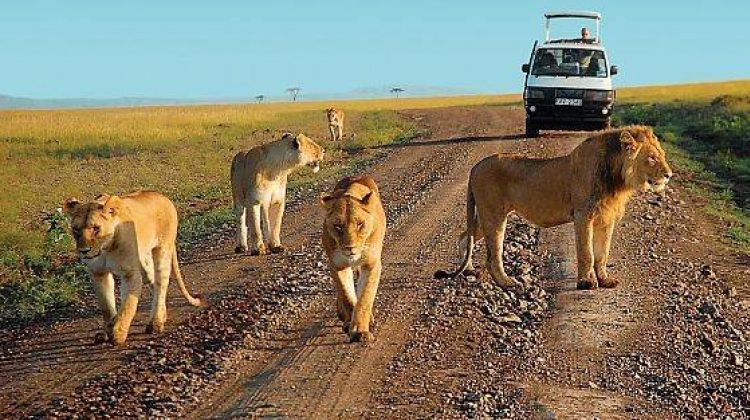
Seeing a lion in the wild is one of the most exciting moments on an African safari. In Uganda, Murchison Falls National Park offers one of the country’s important habitats for these powerful big cats. The park’s wide savannah plains, abundant Uganda kob, woodland and riverine environments provide the conditions lions need to hunt, rest and raise their young. Yet finding lions requires more than simply entering the park and driving around. Their movements change with prey availability, weather, temperature, vegetation and time of day. For travellers planning a Uganda safari with Safari O’clock, knowing where to look can make a major difference. This guide explains where lions occur in Murchison Falls National Park, which areas offer strong opportunities for sightings, what time of day works best, what lions eat and how Safari O’clock approaches lion viewing responsibly.
Where Are Lions in Murchison Falls?
The best places to look for lions in Murchison Falls National Park are mainly within the park’s savannah areas. The Buligi Peninsula, the Nile Delta region and the Heart of Murchison are especially important areas for wildlife viewing. Uganda Wildlife Authority describes the Buligi Peninsula as the park’s prime game-viewing area, where visitors can expect elephants, buffaloes, antelopes and giraffes while keeping watch for lions and leopards. UWA also identifies the Heart of Murchison as a prime location for lions because the area supports substantial herds of Uganda kob.
This distribution makes ecological sense. Lions need prey, cover and space. Murchison Falls provides all three. The open grasslands make it possible for lions to move between hunting areas, while patches of woodland provide shade and cover during the hotter parts of the day. Large herds of Uganda kob also create a dependable prey base. As a result, travellers who want to see lions should spend time exploring the savannah rather than focusing only on the famous waterfall.
Safari O’clock plans lion-viewing drives around these wildlife areas when conditions allow. However, we never promise a sighting. Lions are wild animals, and even a productive area can produce a quiet game drive. That uncertainty is part of an authentic safari. Your guide searches carefully, reads the landscape and communicates with other guides when appropriate. The objective is not simply to tick a lion off a list. It is to observe the animal without disrupting its natural behaviour.
Lions Murchison Falls: The Heart of Murchison
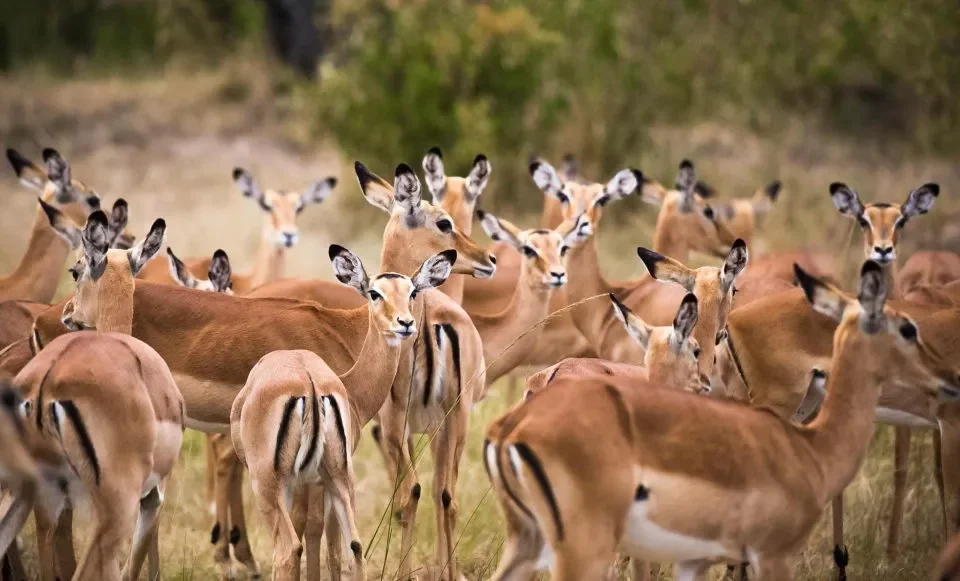
The Heart of Murchison deserves special attention when planning a lion safari. Uganda Wildlife Authority identifies this central area as a prime location for lions. The reason is closely connected to its substantial Uganda kob population. Kob are medium-sized antelopes that form an important part of the prey base for large carnivores in the park.
The Heart of Murchison lies in a tract of savannah in the central part of the conservation area. UWA describes it as an area where vehicle tracks have opened access to wildlife habitat and where the concentration of Uganda kob has helped make the area known for lions. This makes it particularly interesting for travellers who want to understand the relationship between predators and prey.
During a game drive, your Safari O’clock guide may spend time scanning the open grassland, checking shaded areas and watching the behaviour of Uganda kob. Prey animals sometimes provide useful clues. If a herd suddenly becomes alert, stares in one direction or begins moving together, a predator may be nearby. Experienced guides learn to read these subtle changes.
The landscape also changes throughout the day. In the morning, lions may still lie in open grass or beneath scattered trees after hunting during the cooler hours. As temperatures rise, they often seek shade and reduce their activity. Therefore, a patient guide does not simply drive quickly between sightings. The guide considers where lions are likely to rest and how recent animal movements might reveal their location.
Lions Murchison Falls in the Buligi Peninsula
The Buligi Peninsula is another important area for looking for lions. It occupies the northern part of Murchison Falls National Park and sits between the Victoria Nile and the Albert Nile. UWA describes it as the park’s prime game-viewing area.
The peninsula contains broad grasslands and other habitats that support numerous herbivores. Elephants, buffaloes, giraffes and several antelope species occur here. Lions can follow this concentration of prey. The open terrain also provides opportunities to spot a resting pride or an individual moving through the grass.
However, the word “open” should not make you expect every lion to be easy to find. Lions can disappear surprisingly well into tall grass. Their tawny coats often blend with dry vegetation, particularly during the drier months. A lion lying completely still may look like a mound of grass from a distance.
This is where a skilled safari guide becomes valuable. Safari O’clock guides understand that successful game viewing involves much more than driving through the park. They observe tracks, animal behaviour, vegetation, recent sightings and the condition of the roads. They also know when to stop and scan rather than continue driving.
Lions Murchison Falls Around the Nile Delta
The Nile Delta provides another important wildlife area within Murchison Falls National Park. Here, the Victoria Nile spreads into a network of channels and wetlands before entering Lake Albert. The landscape differs from the broad savannah farther inland, yet it remains rich in wildlife.
The Delta is particularly famous for birdwatching. It supports wetland species and provides one of the better areas in Uganda for looking for the shoebill. However, the wider region also supports large carnivores. Recent UWA large-carnivore research identified the Nile Delta region as an important area for large carnivores, including lions, leopards and spotted hyenas.
For travellers, this creates an interesting combination. A game drive through the Delta region can involve both predator viewing and exceptional birdwatching. You might spend one moment watching a lion in the grass and another looking across a wetland channel for a shoebill.
Safari O’clock recommends giving this landscape the time it deserves. The Delta is not simply a place to drive through while searching for one particular animal. Its mixture of water, grassland and vegetation supports a complex ecosystem. Your guide can help you understand how predators, herbivores and birds fit into that environment.
Why Are Lions Found in Murchison Falls?
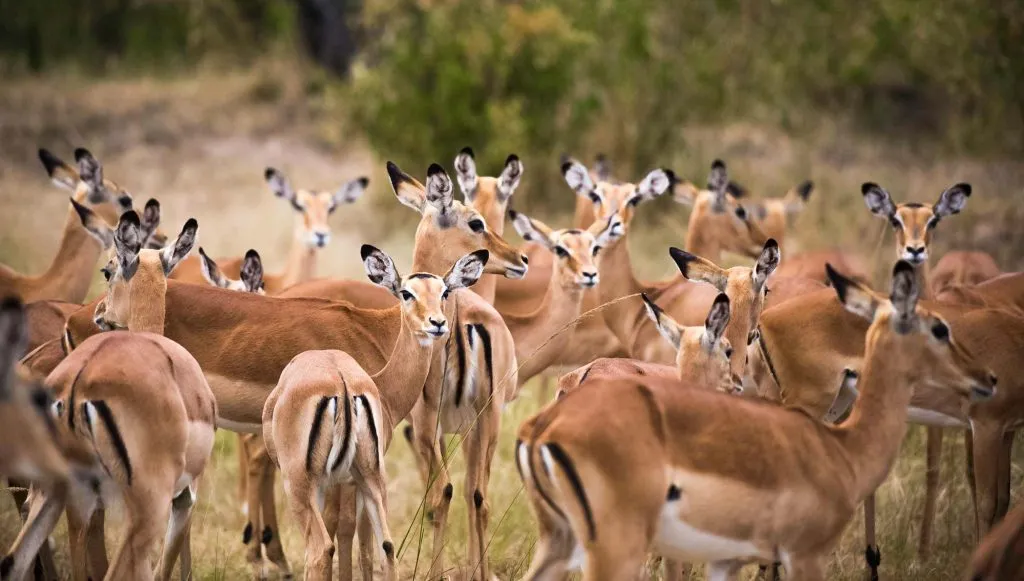
Lions choose areas where they can find prey and suitable habitat. Murchison Falls provides a combination of open savannah, woodland, water sources and large herbivore populations. Uganda kob are particularly important because they occur in substantial numbers in parts of the park.
The relationship between lions and kob demonstrates why predators depend on healthy ecosystems. If prey populations remain strong, lions have better opportunities to survive and reproduce. If habitat changes dramatically or prey numbers fall, predators can also suffer.
The park’s history makes this conservation story especially important. Murchison Falls Conservation Area experienced severe wildlife losses during periods of