- DIRECT CONTACTS:
- +256394517569
- tours@safarioclock.africa

Understanding the Difference Between Gorilla Tracking and Gorilla Trekking

What Makes Mountain Gorilla Trekking Different from Zoo Visits?
November 2, 2026
How to Choose the Right Rwanda Gorilla Tracking Package
November 3, 2026
When planning a mountain gorilla safari in Africa, you will often encounter two terms: gorilla tracking and gorilla trekking. At first, these expressions may sound like two different wildlife activities. However, they generally describe the same exciting adventure of finding and observing mountain gorillas in their natural habitat.
Although travellers and tour operators frequently use these terms interchangeably, understanding their meanings can make your safari planning easier. The difference mainly relates to how people describe the process of locating gorillas and the journey visitors undertake through the forest.
Uganda is among the world’s most remarkable destinations for this experience. Its protected forests provide shelter for endangered mountain gorillas and attract travellers from different parts of the world. With Safari O’clock, visitors can explore these incredible destinations while learning about wildlife conservation and responsible tourism.
In this guide, we explain the meaning of gorilla tracking and gorilla trekking, explore their similarities, highlight their differences in everyday usage, and introduce the experiences available to visitors in Uganda.
What Is Gorilla Tracking?
Gorilla tracking is a guided wildlife activity that involves locating and observing habituated mountain gorilla families in their natural forest environment. It takes place in protected areas where trained trackers, guides, and park rangers help visitors find the gorillas.
The word tracking describes the process of following signs that reveal where gorillas have moved. These signs may include footprints, broken vegetation, feeding remains, and nesting sites. Experienced trackers use their knowledge of gorilla behaviour and forest conditions to locate the animals.
In Uganda, gorilla tracking takes place in Bwindi Impenetrable National Park and Mgahinga Gorilla National Park. Both destinations offer visitors opportunities to encounter mountain gorillas in their natural habitats.
The experience begins with a briefing at the park headquarters. Visitors receive instructions about safety, conservation, and responsible behaviour before entering the forest. Afterwards, guides lead the trekking groups along designated routes to find their assigned gorilla families.
According to the Uganda Wildlife Authority, the search may take approximately two to seven hours, depending on the gorillas’ location and the forest conditions. Once visitors find the family, they generally have one hour to observe the animals.
Therefore, gorilla tracking focuses on the organised process of locating and observing gorillas in the wild.
What Is Gorilla Trekking?
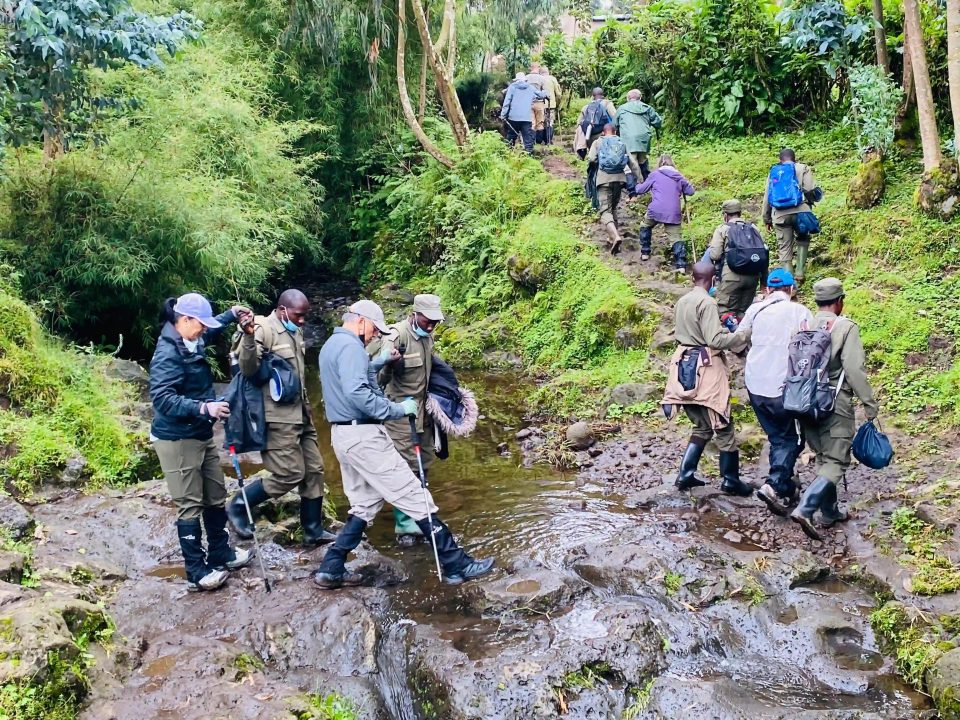
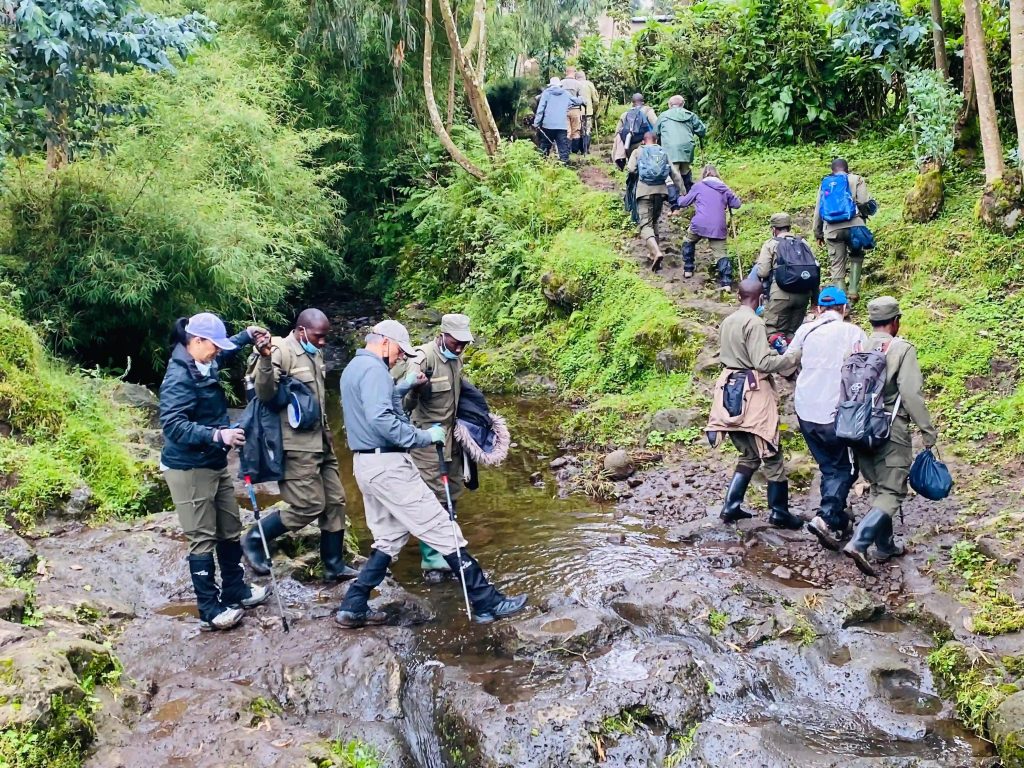
Gorilla trekking refers to the journey visitors undertake through the forest to find mountain gorillas. It involves walking through their natural habitat, often across steep slopes, muddy trails, thick vegetation, and uneven terrain.
The activity combines wildlife observation with outdoor adventure. Unlike traditional wildlife viewing from a vehicle, visitors explore the forest on foot with experienced guides and trackers.
During the trek, visitors may encounter different forest plants, birds, insects, and other wildlife. The surrounding environment also provides an opportunity to appreciate the biodiversity of Uganda’s tropical forests.
The difficulty of the trek varies. Some gorilla families remain relatively close to the starting point, while others move deeper into the forest. Consequently, visitors should prepare for changing terrain and unpredictable walking conditions.
Gorilla trekking does not involve chasing or disturbing the animals. Instead, trained trackers locate the gorilla families, and visitors follow their guides to the appropriate viewing location.
At Safari O’clock, we encourage travellers to prepare adequately for this adventure. Suitable hiking boots, drinking water, long trousers, gardening gloves, and rain protection can make the journey more comfortable.
Ultimately, gorilla trekking describes the physical journey through the forest, while the actual objective remains finding and observing mountain gorillas.
Gorilla Tracking vs Gorilla Trekking: What Is the Real Difference?
This is where many travellers become confused. Are gorilla tracking and gorilla trekking two separate activities? Do they require different permits? Does one involve more time with the gorillas than the other?
The simple answer is no. In the context of standard mountain gorilla tourism, both terms generally refer to the same experience.
However, the words highlight different parts of that experience.
1. Gorilla Tracking Focuses on Finding the Animals
The term tracking emphasises how trained trackers locate gorilla families in the forest.
Trackers use their experience and knowledge of gorilla movements to identify where the animals may be. They examine signs such as feeding remains, broken branches, and nesting locations.
Their work helps guides direct visitors towards the gorilla families. As a result, tracking is an important part of organising successful wildlife encounters.
2. Gorilla Trekking Focuses on the Visitors’ Journey
The term trekking emphasises the walking experience visitors undertake through the forest.
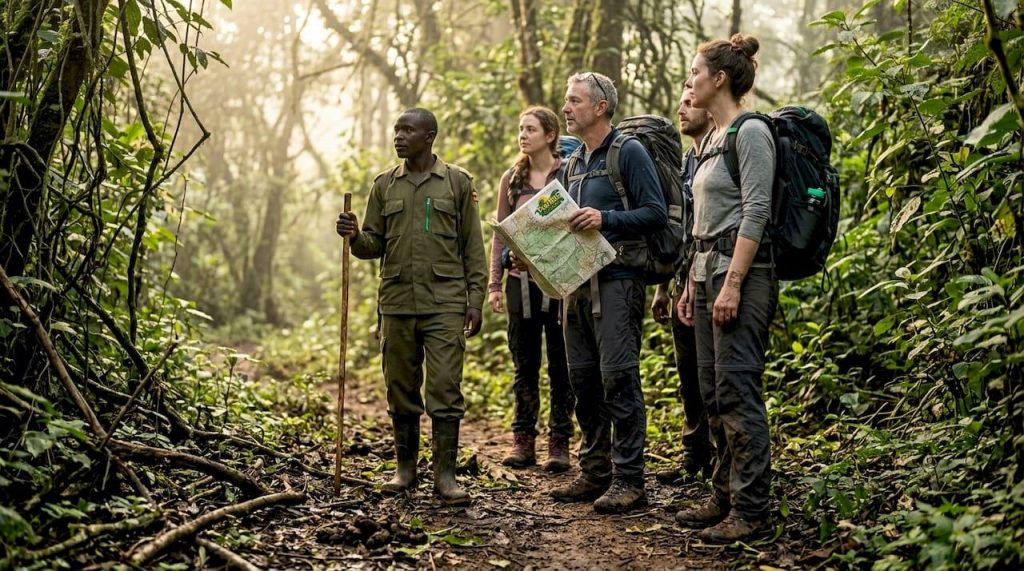
Travellers follow experienced guides along forest trails until they reach the assigned gorilla family. Depending on the location, the journey may involve climbing hills, crossing muddy sections, and walking through dense vegetation.
Therefore, trekking highlights the physical adventure involved in reaching the gorillas.
3. Both Activities Offer the Same Standard Gorilla Encounter
Despite the difference in wording, travellers generally purchase the same standard gorilla tracking permit when booking this experience in Uganda.
Both terms describe an organised visit to a habituated gorilla family. Visitors follow park regulations, explore the forest with authorised guides, and enjoy a limited observation period with the animals.
The Uganda Wildlife Authority officially uses the term gorilla tracking on its website, although it also refers to the experience as gorilla trekking when describing the activity.
This distinction is important because travellers should not assume that tracking and trekking require separate permits or offer different viewing durations.
Where Can You Experience Gorilla Tracking and Gorilla Trekking in Uganda?
Uganda offers two major destinations for mountain gorilla tracking and trekking. Each provides a unique forest environment and opportunities to observe these endangered primates.
Bwindi Impenetrable National Park
Bwindi Impenetrable National Park is one of Africa’s most famous mountain gorilla destinations. Located in southwestern Uganda, the park protects an ancient tropical rainforest with remarkable biodiversity.
It is home to a significant proportion of the world’s mountain gorilla population. Visitors can access different trekking sectors, including Buhoma, Ruhija, Rushaga, and Nkuringo.
Each sector provides access to designated gorilla families. The trekking experience varies depending on the family’s location, terrain, and weather conditions.
Besides gorillas, Bwindi supports numerous bird species, butterflies, forest mammals, and diverse plant life. Consequently, visitors enjoy more than a wildlife encounter. They also discover an important ecosystem that supports many other species.
For travellers planning a Uganda safari, Bwindi offers an opportunity to combine gorilla trekking with cultural experiences and exploration of southwestern Uganda.
Mgahinga Gorilla National Park
Mgahinga Gorilla National Park is another important destination for mountain gorilla trekking in Uganda. It lies within the Virunga Mountain range, which extends across Uganda, Rwanda, and the Democratic Republic of Congo.
The park forms part of the larger Virunga conservation landscape and protects mountain gorillas alongside other wildlife.
Its mountainous terrain creates a different trekking environment from Bwindi’s dense forest. Visitors can enjoy impressive scenery, bamboo vegetation, and views of the surrounding volcanic mountains.
Mgahinga is also known for its golden monkeys, making it an interesting destination for travellers who want to experience more of Uganda’s primate diversity.
With Safari O’clock, travellers can explore the available options and choose a destination that suits their interests, travel schedule, and accommodation preferences.
What Happens During a Gorilla Tracking or Trekking Experience?
Understanding the experience before travelling helps visitors prepare properly. Although the exact journey varies, standard gorilla tracking follows an organised process.
The Morning Briefing
The adventure begins early in the morning at the park headquarters.
Park officials welcome visitors and explain the rules that protect both humans and gorillas. They also organise trekking groups and allocate visitors to specific gorilla families.
During the briefing, guides discuss safety procedures, expected walking conditions, and responsible wildlife viewing.
Entering the Forest
After the briefing, visitors begin their journey into the forest with authorised guides.
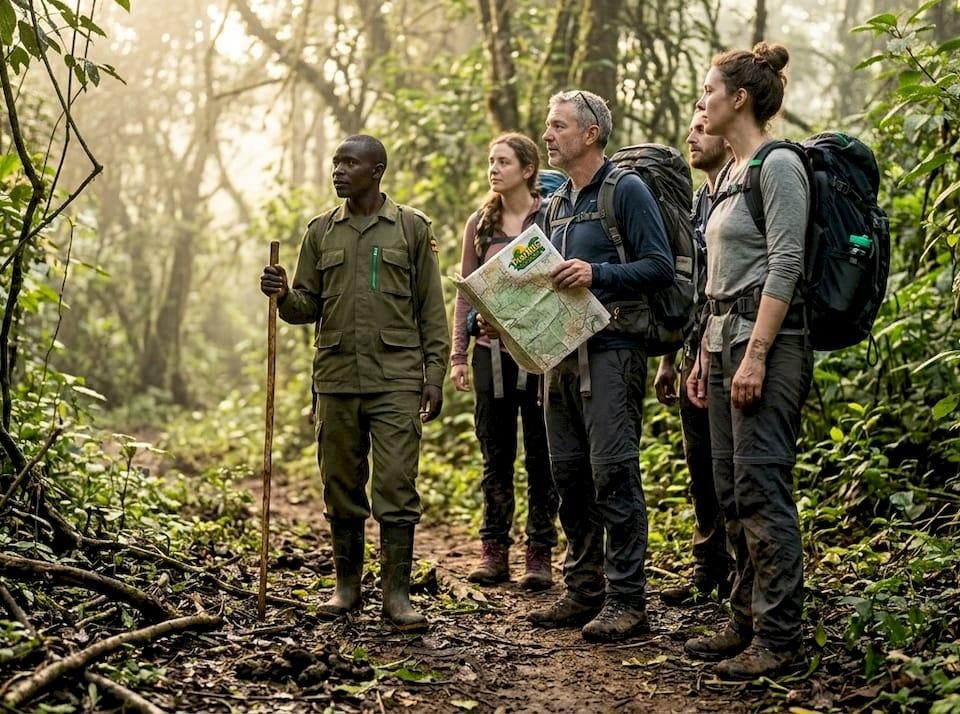
The trackers communicate information about the gorilla family’s movements and help the group navigate the forest. Meanwhile, guides explain the surrounding environment and provide assistance along the trails.
The walking time varies considerably. Therefore, visitors should remain patient and follow their guides’ instructions.
Meeting the Mountain Gorillas
Finding the gorillas is often the most exciting moment of the adventure.
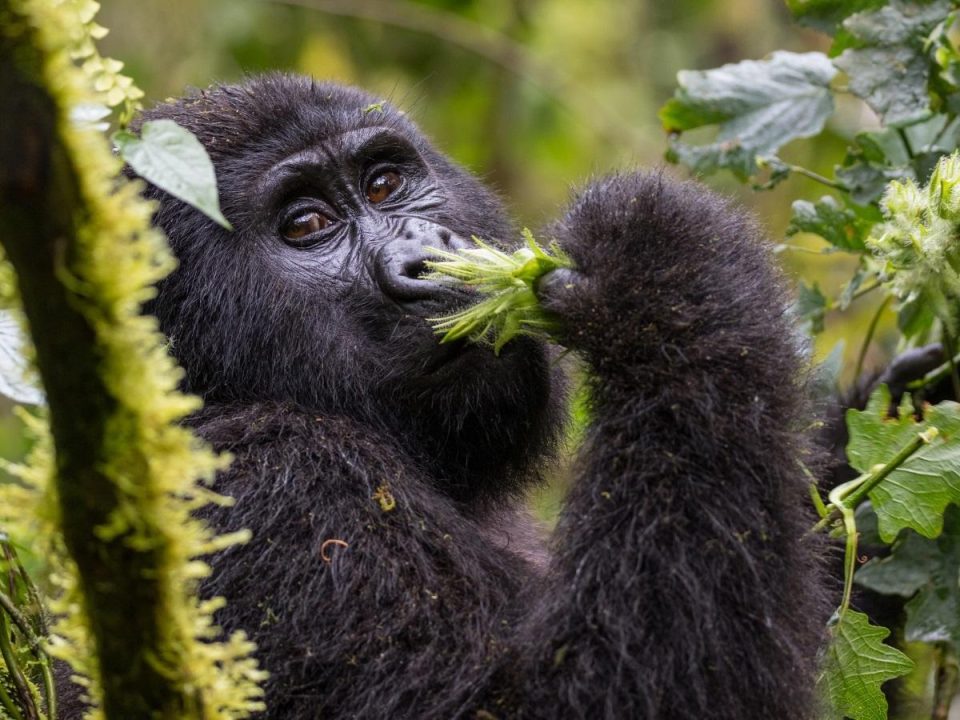
Visitors may encounter a silverback resting beneath the vegetation, mothers caring for their infants, or younger gorillas playing with one another.
Other family members may feed, groom, or move through the forest. However, gorilla behaviour is unpredictable, so every encounter is different.
Visitors generally spend one hour observing a habituated gorilla family during standard tracking. They must maintain the required distance and avoid disturbing the animals.
Returning from the Forest
After the observation period, guides lead visitors out of the forest.
Many travellers describe the experience as one of the highlights of their African safari. The opportunity to observe endangered mountain gorillas in their natural environment creates lasting memories.
Is Gorilla Habituation Different from Gorilla Tracking and Gorilla Trekking?
Yes. This is an important distinction that travellers should understand.
Gorilla habituation is a separate conservation and tourism experience. It involves accompanying researchers and experienced trackers as they work with a gorilla family that is still becoming accustomed to the presence of humans.
Unlike standard tracking, habituation allows visitors to spend more time learning about the process of habituation and observing the gorillas.
In Uganda, the Gorilla Habituation Experience takes place in the Rushaga sector of Bwindi Impenetrable National Park.
The experience can allow visitors up to four hours with the gorillas, subject to the applicable park regulations and permit arrangements. Standard gorilla tracking, in comparison, generally allows one hour with a habituated family.
Habituation also involves a smaller visitor group and offers a closer look at the scientific and conservation work behind responsible gorilla tourism.
However, it is important to understand that habituation does not mean visitors can freely approach or interact with gorillas. All participants must follow the instructions of researchers, trackers, and park authorities.
For travellers interested in learning more about gorilla behaviour and conservation, this experience offers another way to explore Uganda’s remarkable wildlife.
Why Is Gorilla Tracking and Trekking Important for Conservation?
Mountain gorillas are endangered animals that depend on protected forest habitats for survival. Their conservation requires continuous monitoring, habitat protection, veterinary care, and cooperation with surrounding communities.
Responsible gorilla tourism can contribute to these efforts in several ways.
First, permit revenue helps support protected area management and conservation activities. These activities include monitoring wildlife, protecting forest habitats, and maintaining park operations.
Secondly, tourism creates employment opportunities for local communities. Guides, trackers, porters, drivers, accommodation providers, and other service providers benefit from visitors who travel to experience gorilla tourism.
Furthermore, responsible tourism encourages awareness about endangered species and the importance of protecting their natural environments.
However, gorilla conservation requires more than tourism revenue. It also depends on scientific research, disease prevention, anti-poaching efforts, and sustainable relationships between conservation authorities and local communities.
Safari O’clock encourages responsible wildlife experiences that recognise the importance of protecting mountain gorillas and their habitats.
How Should You Prepare for Gorilla Tracking and Gorilla Trekking?
Proper preparation can make your gorilla adventure more comfortable and enjoyable.
Although visitors do not need to be professional hikers, a reasonable level of physical fitness helps them manage the forest terrain.
Start by preparing suitable clothing. Long-sleeved shirts and long trousers help protect your skin from vegetation and insects. Sturdy hiking boots provide better support on slippery and uneven ground.
You should also carry drinking water, snacks for the journey, a waterproof jacket, and a small backpack. Gardening gloves can help protect your hands when moving through vegetation.
Hiring a local porter can also make the experience easier. Porters assist visitors with their bags and offer support on difficult sections of the trail. Their services also provide income opportunities for people living near the parks.
Most importantly, follow the instructions given by park authorities. Visitors should not enter the forest when they have an infectious illness because human diseases can threaten gorilla health.
The current park regulations also require visitors to respect viewing distances, avoid flash photography, and refrain from feeding or touching the gorillas.
With proper preparation, visitors can enjoy their adventure while helping protect these remarkable animals.
Plan Your Gorilla Tracking and Trekking Adventure with Safari O’clock
Uganda offers extraordinary opportunities to experience mountain gorillas in their natural habitat. Whether you choose Bwindi Impenetrable National Park or Mgahinga Gorilla National Park, the adventure introduces you to some of Africa’s most remarkable wildlife.
At Safari O’clock, we understand that planning a gorilla safari involves more than obtaining a permit. Travellers also need to consider accommodation, transportation, trekking locations, travel dates, and other activities.
Our goal is to help visitors discover Uganda through well-planned wildlife experiences that combine adventure, comfort, and responsible tourism.
Whether you are travelling as a couple, with friends, or in a group, we can help you explore the possibilities of a mountain gorilla safari.
You can also extend your adventure by exploring Uganda’s other attractions, including national parks, beautiful landscapes, cultural experiences, and wildlife destinations.
A gorilla encounter is a special opportunity to appreciate the beauty of nature and understand the importance of conservation.
Let Safari O’clock help you discover the difference between reading about mountain gorillas and experiencing them in the heart of their natural habitat. Your Ugandan wildlife adventure awaits!
Frequently Asked Questions About Gorilla Tracking and Gorilla Trekking
Are gorilla tracking and gorilla trekking the same thing?
Yes. Both terms generally describe the same wildlife tourism activity. Gorilla tracking emphasises locating the animals, while gorilla trekking describes the journey visitors undertake through the forest.
Do gorilla tracking and gorilla trekking require different permits?
No. In Uganda, standard gorilla tracking and gorilla trekking refer to the same activity and use the same standard tracking permit.
How long does gorilla trekking take?
The search for gorillas can take approximately two to seven hours, depending on their location and forest conditions. Once visitors find the family, the standard observation period is one hour.
Where can I go gorilla trekking in Uganda?
Visitors can experience mountain gorilla trekking in Bwindi Impenetrable National Park and Mgahinga Gorilla National Park.
What is the difference between gorilla trekking and gorilla habituation?
Standard gorilla trekking involves visiting an already habituated gorilla family for one hour. Gorilla habituation allows visitors to accompany researchers and trackers as they work with a family that is still becoming accustomed to human presence. The habituation experience can allow up to four hours with the gorillas.
Is gorilla trekking physically difficult?
The difficulty varies depending on the gorilla family’s location and the terrain. Some treks are relatively short, while others involve steep slopes, muddy trails, and longer walks. Reasonable physical preparation is recommended.
Can children participate in gorilla trekking in Uganda?
Uganda’s standard gorilla tracking minimum age is 15 years. Travellers should confirm the current requirements with the Uganda Wildlife Authority before booking.
Final Thoughts
Gorilla tracking and gorilla trekking are two commonly used expressions for one remarkable wildlife adventure. Although the words highlight different aspects of the activity, both involve finding and observing habituated mountain gorillas in their natural forest environment.
Understanding this terminology helps travellers plan confidently and avoid confusion when booking their safaris.
Uganda remains a remarkable destination for this experience, with Bwindi Impenetrable National Park and Mgahinga Gorilla National Park offering opportunities to encounter endangered mountain gorillas.
With Safari O’clock, you can discover these extraordinary destinations, appreciate their natural beauty, and experience responsible wildlife tourism.
Discover Uganda. Experience the wild. Travel with Safari O’clock.