- DIRECT CONTACTS:
- +256394517569
- tours@safarioclock.africa

What Visitors Learn During the Pre-Trek Briefing: A Complete Gorilla Trekking Guide

How to Choose the Right Rwanda Gorilla Tracking Package
November 3, 2026
How Long Does a Rwanda Gorilla Tracking Experience Take?
November 3, 2026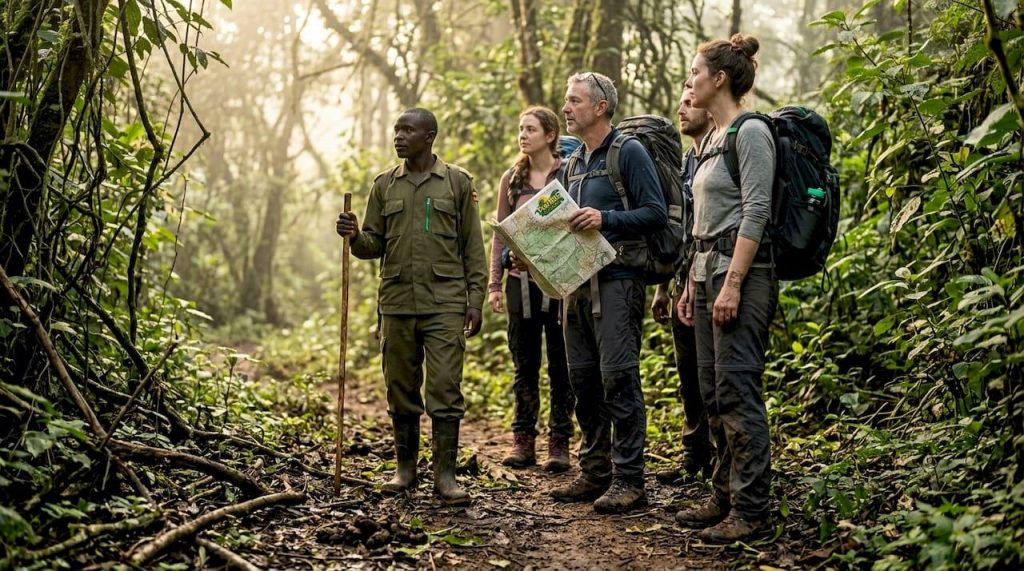
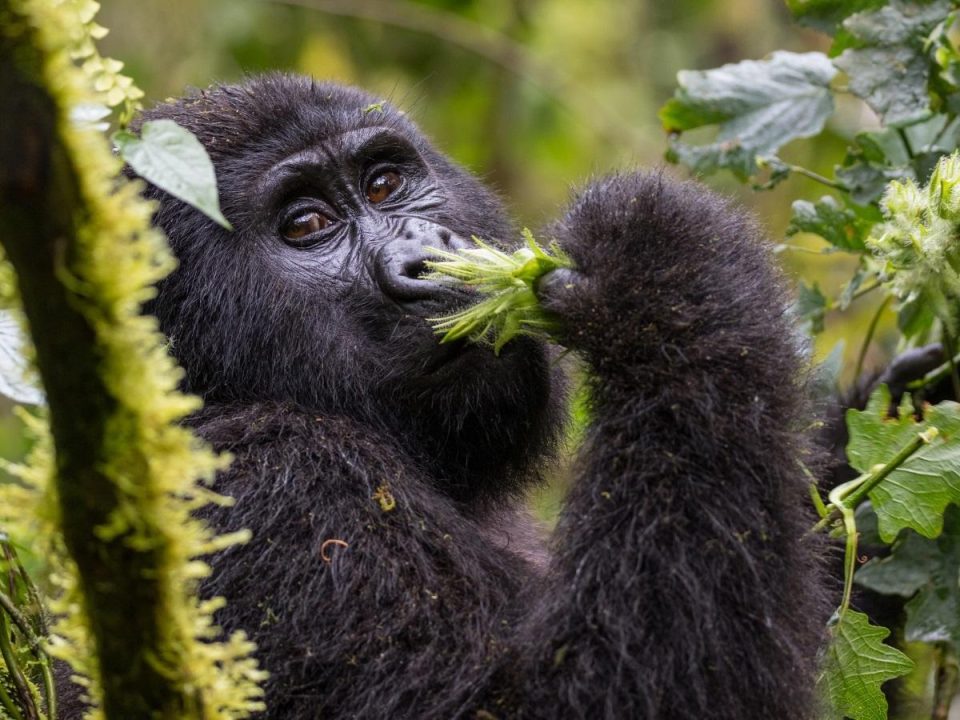
Mountain gorilla trekking is one of the most memorable wildlife experiences in Africa. It allows visitors to explore beautiful tropical forests and observe endangered mountain gorillas in their natural habitat. However, before entering the forest, every visitor must understand how to behave around these remarkable animals. This is where the pre-trek briefing becomes essential.
During a gorilla trekking safari in Rwanda or Uganda, the pre-trek briefing prepares visitors for the journey ahead. Park rangers and experienced guides explain the trekking procedures, safety precautions, health requirements, and conservation rules. They also help visitors understand what to expect when they encounter a gorilla family.
At Safari O’clock, we believe that proper preparation makes every wildlife adventure more enjoyable and responsible. Understanding the briefing before your trek helps you feel confident, follow instructions, and appreciate the importance of gorilla conservation.
So, what exactly do visitors learn during the pre-trek briefing? Here is everything you need to know before setting off on your gorilla trekking adventure.
What Is a Gorilla Trekking Briefing?
A gorilla trekking briefing is an information session conducted by park authorities before visitors enter the forest to search for mountain gorillas. It usually takes place at the designated park headquarters or trekking starting point.
In Rwanda, visitors commonly gather at the headquarters of Volcanoes National Park in Kinigi. In Uganda, briefings take place at the designated trekking sectors of Bwindi Impenetrable National Park or Mgahinga Gorilla National Park.
During this session, park staff explain the rules that visitors must follow throughout the trek. They also provide important information about gorilla behaviour, personal safety, and environmental protection.
Furthermore, visitors receive instructions about their assigned trekking group and the gorilla family they will visit. The guides may also explain the expected walking conditions and the importance of following their instructions.
The briefing is therefore more than a routine introduction. It prepares visitors to enter a sensitive wildlife habitat with respect, awareness, and confidence.
1. Understanding the Rules of Gorilla Trekking
One of the first things visitors learn during the pre-trek briefing is how to behave during the trek. Mountain gorillas are wild animals, even though some groups have become accustomed to the presence of people.
For this reason, park authorities enforce strict rules to protect both visitors and gorillas. Rangers explain these requirements before the group enters the forest.
Visitors learn that they must remain with their assigned group and follow the guide at all times. They should also keep their voices low and avoid unnecessary movements when approaching wildlife.
In addition, visitors must never touch, feed, chase, or deliberately provoke a gorilla. These actions can disturb the animals and create unnecessary risks.
The briefing also explains restrictions on eating, drinking, smoking, and photography near the gorillas. Visitors must follow the instructions given by their guides throughout the encounter.
By understanding these rules beforehand, travellers can enjoy their experience without causing unnecessary disturbance to the gorilla family.
2. Gorilla Trekking Safety Guidelines Explained
Safety is another major subject covered during the briefing. Although gorilla trekking is a carefully managed wildlife activity, visitors must understand how to respond to different situations in the forest.
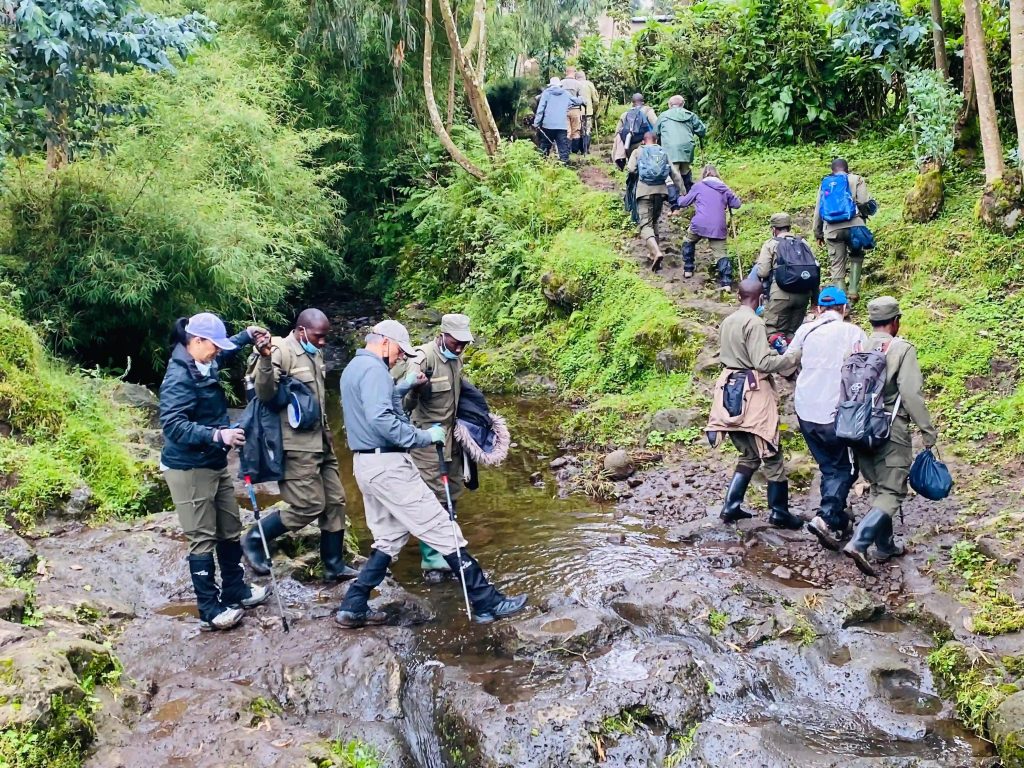
Guides explain how to walk safely along forest trails, remain within the group, and respond to instructions. They may also discuss uneven ground, steep slopes, slippery paths, and thick vegetation.
The terrain can change significantly depending on the location of the gorilla family. Therefore, visitors should remain alert and avoid rushing along the trail.
What to Do When a Gorilla Approaches
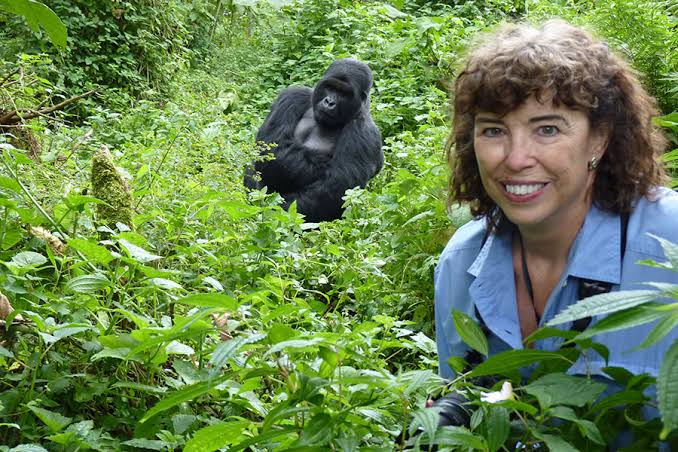
Visitors also learn how to respond if a gorilla approaches them unexpectedly. Gorillas are powerful wild animals, so visitors should never attempt to touch or move closer to them.
If a gorilla approaches, visitors should remain calm and follow the ranger’s instructions. They must not run, shout, make sudden movements, or attempt to take photographs at the expense of safety.
The guide understands the situation and will direct the group on what to do next. Visitors should therefore avoid acting independently.
These instructions help reduce unnecessary disturbance and allow the animals to move freely through their habitat.
Why Visitors Must Follow Their Guide
Experienced park guides understand gorilla behaviour and the conditions of the forest. They also know how to manage the group during the trek.
For this reason, visitors must remain behind the guide and follow all instructions. If the guide asks the group to stop, move back, remain quiet, or leave the area, everyone should cooperate immediately.
At Safari O’clock, we encourage travellers to listen carefully during the briefing. Understanding the guide’s instructions beforehand makes it easier to respond appropriately throughout the experience.
3. Learning About Gorilla Health and Disease Prevention
Mountain gorillas are vulnerable to several human respiratory infections. Diseases that cause mild symptoms in people can pose serious risks to these endangered animals.
As a result, the pre-trek briefing covers health precautions and disease prevention. Park staff explain why visitors should not trek when they have symptoms of a potentially infectious illness.
Visitors should report any illness to the relevant park staff before entering the forest. Authorities can then determine whether the visitor should participate, based on the applicable health protocols.
The briefing also explains what to do when coughing or sneezing near the gorillas. Visitors should turn away from the animals, cover their nose and mouth, and follow the guide’s instructions.
Hand hygiene is another important precaution. Visitors may be asked to clean their hands before the trek, according to park procedures.
These measures help reduce the risk of transmitting infections between humans and gorillas. They also demonstrate why responsible tourism must prioritise wildlife health.
Why the Health Rules Matter
Mountain gorillas share many biological similarities with humans. This makes them susceptible to some of the same infectious diseases.
Consequently, maintaining appropriate distance and avoiding direct contact are important conservation measures. Visitors should never assume that a gorilla is safe to touch simply because it appears calm.
The briefing helps travellers understand that protecting gorillas involves more than preserving their forest habitat. It also requires careful management of human contact.
4. What Visitors Learn About Gorilla Behaviour
Another important part of the briefing introduces visitors to gorilla behaviour. Understanding how these animals behave can make the encounter more meaningful and help visitors appreciate their natural environment.
Guides may explain the roles of different members of a gorilla family. These can include the dominant silverback, adult females, juveniles, and infants.
Visitors may also learn about feeding, resting, grooming, movement, and social interaction. During the trek, the guide can explain some of these behaviours as the group observes the gorillas.
However, gorillas do not always behave in predictable ways. Their movements depend on factors such as feeding patterns, resting periods, social interactions, and environmental conditions.
Therefore, visitors should not expect the animals to pose for photographs or remain in one place. Instead, they should observe quietly and allow the gorillas to continue their normal activities.
This understanding encourages visitors to appreciate wildlife on its own terms rather than expecting a staged encounter.
5. Understanding the Gorilla Trekking Experience
The pre-trek briefing also helps visitors understand how the entire adventure works. This includes group organisation, the role of the guides, and the possible duration of the hike.
After registration and the briefing, park authorities organise visitors into trekking groups and assign guides and gorilla families according to the applicable procedures.
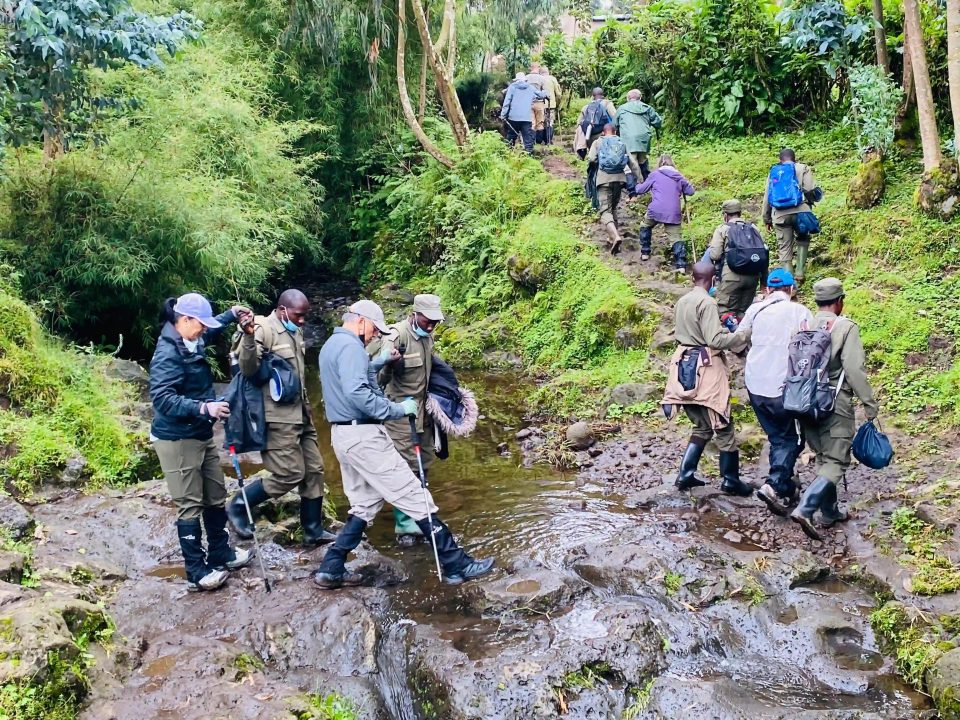
The group then proceeds to its designated starting point. Depending on the park and the location of the gorillas, visitors may walk through dense vegetation, bamboo forests, steep slopes, or muddy trails.
How Long Does Gorilla Trekking Take?
Visitors often want to know how long they will spend in the forest. However, the total trekking time varies considerably.
Some groups find the gorillas after a relatively short walk. Others may spend several hours hiking before reaching their assigned family.
The duration depends on the gorillas’ movements, the terrain, the weather, and the location of the group. Consequently, travellers should prepare for a potentially demanding hike rather than expect a fixed duration.
Once visitors reach the gorillas, the viewing period is generally limited to a maximum of one hour under standard trekking rules. Rangers may end the encounter earlier if the animals become uncomfortable or circumstances require it.
Understanding these details helps visitors manage their expectations and enjoy the journey without unnecessary pressure.
6. Learning About the Importance of Gorilla Conservation
Gorilla trekking supports conservation by creating an opportunity for responsible wildlife tourism. However, visitors must understand that their presence can also affect the animals and their habitat.
During the briefing, guides explain why park authorities limit the number of people who can visit a gorilla family. Smaller groups help reduce disturbance and manage the risk of disease transmission.
Visitors also learn why they must remain on designated routes where instructed, avoid damaging vegetation, and take all rubbish out of the forest.
These rules help protect the habitat that mountain gorillas depend on for food, shelter, and survival.
Furthermore, responsible tourism can support conservation programmes and communities living near protected areas. Tourism creates demand for accommodation, guiding services, transport, and other local businesses.
When travellers respect park regulations, they contribute to a more responsible tourism system.
Safari O’clock encourages visitors to see gorilla trekking as both a wildlife adventure and an opportunity to support conservation through responsible travel choices.
7. Photography Rules and Responsible Wildlife Observation
Many travellers look forward to photographing mountain gorillas. The briefing explains how to take pictures without disturbing the animals or putting personal safety at risk.
Visitors must follow the park’s photography rules. Flash photography is prohibited during gorilla encounters, so travellers should check their camera settings before taking pictures.
Guides may also instruct visitors to remain in position, avoid sudden movements, and keep a respectful distance from the animals.
Although photographs are valuable memories, observing the gorillas should remain the priority. Visitors should not move closer, block the animals’ paths, or ignore their guide to obtain a better picture.
It is also important to remember that gorillas may move away, change their position, or enter areas where visibility is limited. Visitors must accept these natural behaviours rather than attempt to control the encounter.
By following the briefing, travellers can capture meaningful memories while respecting wildlife.
8. What to Wear and Carry for Gorilla Trekking
The pre-trek briefing may also reinforce practical advice about clothing and equipment. Proper preparation helps visitors manage the physical demands of walking through a tropical forest.
Guides commonly recommend sturdy hiking boots or walking shoes with good grip. The trails may contain mud, loose soil, slippery vegetation, and uneven ground.
Long trousers and long-sleeved shirts help protect the skin from vegetation and insects. Waterproof jackets are useful because rain can occur in mountain forest environments.
Gardening gloves or suitable trekking gloves may help protect the hands when visitors need support on vegetation-covered sections of the trail. However, visitors should avoid grabbing plants unless necessary and should always follow the guide’s instructions.
A small backpack can hold drinking water, snacks for use away from the gorillas, personal medication, and other essential items. Travellers should carry only what they can comfortably manage.
Walking sticks and porters may also be available, depending on the park and the arrangements made for the trek. Visitors who expect to need assistance should discuss their needs with their tour operator before the trekking day.
At Safari O’clock, we recommend preparing your clothing and equipment in advance. This allows you to concentrate on the experience instead of worrying about missing essentials.
9. Respecting the Forest and Its Wildlife
Gorilla trekking takes place in protected natural environments that support many other species. The forest may contain birds, butterflies, insects, small mammals, and other wildlife.
During the briefing, guides explain why visitors must protect the environment throughout the trek. They should never leave rubbish behind, remove plants, or disturb animals unnecessarily.
Visitors should also remain on the route indicated by their guide. Wandering away from the group can create safety problems and cause unnecessary disturbance to the forest.
If a visitor needs a toilet stop during the trek, they should inform the guide and follow the park’s sanitation procedures.
These simple actions help preserve the forest for wildlife and future visitors.
Moreover, they remind travellers that gorilla trekking is not only about seeing gorillas. It is also about respecting the wider ecosystem that makes their survival possible.
10. Group Allocation and the Role of Park Rangers
The briefing also introduces visitors to the organisation of the trek. Park authorities assign visitors to groups and provide guidance on the gorilla family each group will visit.
Under standard gorilla trekking rules in Rwanda and Uganda, a maximum of eight tourists generally visit a habituated gorilla group at a time. However, visitors should confirm the current requirements with the relevant park authority because rules can vary or change.
The allocation process helps manage visitor numbers and reduce pressure on the gorillas. It also allows guides to coordinate the trek more effectively.
Park rangers play an essential role throughout the experience. They guide visitors through the forest, explain wildlife behaviour, monitor the encounter, and ensure that the group follows the rules.
In some areas, trackers help locate gorilla families before visitors arrive. Their work supports the organisation of trekking activities and helps guides plan the approach.
Visitors should listen carefully to every instruction and ask questions when something is unclear. Good communication between the group and its guides helps create a safer and more organised adventure.
11. How Visitors Can Prepare for the Briefing
Visitors can make the most of the pre-trek briefing by arriving on time and paying attention to the information provided.
Before the trekking day, travellers should confirm their permit arrangements, transport, accommodation, and meeting point. They should also check the expected departure time with their tour operator.
It is helpful to prepare appropriate clothing, comfortable footwear, drinking water, and any personal essentials in advance.
Visitors should also inform their tour operator about relevant mobility concerns or special assistance needs before the trek. This allows the operator to explain available options and help travellers make suitable arrangements.
During the briefing, ask questions if you do not understand a rule or instruction. For example, you may ask about the expected hiking conditions, the use of walking sticks, photography restrictions, or what happens if the gorillas move away.
Most importantly, remember that the briefing is not simply a formality. It provides information that you will need throughout the adventure.
12. Why Choose Safari O’clock for Your Gorilla Trekking Adventure?
Planning a gorilla trekking safari involves more than obtaining a permit. Travellers must also consider transport, accommodation, park regulations, clothing, and the physical demands of the hike.
Safari O’clock can help travellers plan their safari arrangements and understand what to expect before the trekking day. Proper planning allows visitors to prepare their schedules, organise suitable equipment, and approach the experience with realistic expectations.
Whether you are considering gorilla trekking in Rwanda’s Volcanoes National Park or Uganda’s Bwindi Impenetrable National Park, it is important to understand the requirements of your chosen destination.
Our approach focuses on helping travellers make informed decisions and appreciate the value of responsible wildlife tourism.
Before travelling, visitors should confirm current permit requirements, park regulations, and health guidance with the relevant authorities or their tour operator. These details are important because official requirements may change.
With the right preparation, your gorilla trekking adventure can become a memorable opportunity to explore Africa’s forests and observe one of its most remarkable wildlife species.
Conclusion: Make the Most of Your Pre-Trek Briefing
The pre-trek briefing is an essential part of the gorilla trekking experience. It teaches visitors how to behave around mountain gorillas, follow safety instructions, prevent disease transmission, and protect the forest.
It also explains how the trek works, why guides are important, and what visitors should expect when they finally encounter a gorilla family.
Although the briefing may take only a short time, the information it provides remains important throughout the adventure.
By listening carefully and following the rules, visitors can help protect endangered mountain gorillas while enjoying a rewarding wildlife experience.
Safari O’clock encourages every traveller to prepare responsibly, respect park regulations, and approach gorilla trekking with patience and an open mind.
Ready to plan your gorilla trekking adventure? Contact Safari O’clock to discuss your safari plans and prepare for an unforgettable encounter with mountain gorillas in Rwanda or Uganda.