- DIRECT CONTACTS:
- +256394517569
- tours@safarioclock.africa

What First-Time Visitors Often Get Wrong About Gorilla Tracking

How to Plan Your First Gorilla Trek Without Overcomplicating It
November 3, 2026
How to Choose Flexible Travel Dates for a Gorilla Safari
November 3, 2026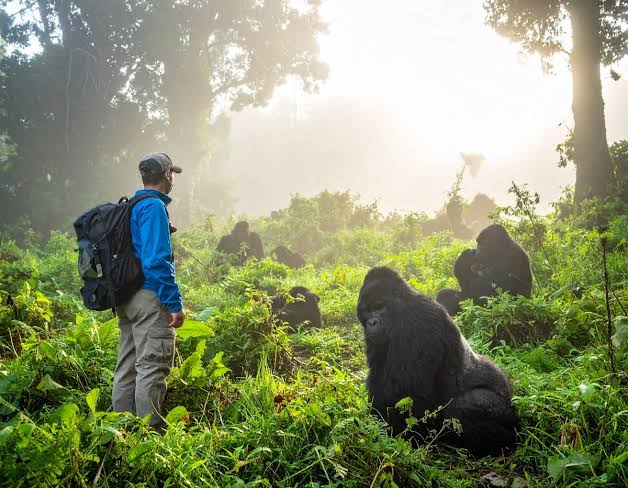
Gorilla trekking is one of Africa’s most unforgettable wildlife experiences. It gives travellers an opportunity to encounter endangered mountain gorillas in their natural forest habitat. For many visitors, seeing a gorilla family for the first time is a lifelong dream. However, the excitement of planning this adventure can sometimes lead to avoidable mistakes.
First-time visitors often concentrate on booking flights, choosing accommodation, and securing trekking permits. Although these arrangements are important, there is much more to consider. Some travellers underestimate the physical demands, misunderstand the trekking rules, or arrive with unrealistic expectations about the experience.
In Rwanda, gorilla trekking takes place in Volcanoes National Park, home to several habituated mountain gorilla families. The experience requires preparation, patience, and respect for wildlife. Understanding what to avoid can make your journey more comfortable and rewarding.
At Safari O’clock, we believe that good preparation helps travellers enjoy their adventures with confidence. Here are some common mistakes first-time visitors make and how to avoid them.
1. Assuming Gorilla Trekking Is Just an Ordinary Nature Walk
One of the biggest mistakes first-time visitors make is assuming that gorilla trekking is an ordinary walk through the forest. Although the experience involves walking, it is much more than a simple nature trail.
Mountain gorillas live in forested mountain environments. Their location changes as they move through the forest in search of food and suitable resting areas. Consequently, visitors must sometimes walk across steep slopes, muddy paths, and dense vegetation to find them.
The duration also varies from one trekking group to another. Some visitors may find their assigned gorilla family relatively quickly. Others may spend several hours walking before reaching the animals.
Therefore, do not plan your day around the assumption that the trek will take only one or two hours. Instead, prepare for a potentially demanding outdoor experience. Wear suitable hiking boots, carry drinking water, and follow your guide’s instructions.
Understanding the nature of the activity helps you approach the experience with realistic expectations.
2. Making Last-Minute Gorilla Trekking Bookings
Another common mistake is waiting until the last minute to arrange a gorilla trekking permit. Some travellers assume they can arrive in Rwanda and purchase a permit immediately before their preferred trekking date.
However, gorilla trekking operates under a controlled permit system. The authorities limit the number of visitors who can visit each habituated gorilla family. This helps protect the animals from excessive human contact and disturbance.
In Rwanda, a maximum of eight visitors can visit one habituated gorilla family at a time. Permits are therefore limited, particularly during popular travel periods.
If you already have a preferred travel date, arrange your permit well in advance. Confirm the availability of your permit before making other non-refundable travel commitments.
Also, ensure that the information you provide during booking is correct. The Rwanda Development Board requires accurate traveller details and supporting identification documents. Incorrect or incomplete applications can cause problems at the park entrance.
Safari O’clock recommends confirming permit availability early. This gives you enough time to organise transport, accommodation, and the rest of your safari.
3. Underestimating the Physical Demands of Gorilla Trekking
You do not need to be a professional athlete to enjoy gorilla trekking. However, assuming that the activity requires no physical preparation can make the experience unnecessarily difficult.
The forest terrain is unpredictable. You may encounter slippery ground, thick vegetation, steep hills, and uneven walking paths. In addition, Volcanoes National Park lies in a mountainous region, so the altitude can make physical activity more challenging for some visitors.
Your assigned gorilla family also influences the difficulty of the trek. Since gorillas move freely through the forest, the distance visitors walk can vary considerably.
You can prepare by taking regular walks before your trip. Gradually increase your walking distance and include gentle hill walking if possible. This helps your body become more comfortable with longer periods of activity.
During the trek, walk at a manageable pace and communicate with your guide when you need a break. You can also hire a porter to carry your daypack and provide assistance on difficult sections.
The goal is not to walk faster than everyone else. It is to enjoy the experience safely and comfortably.
4. Choosing the Wrong Clothing and Footwear
Your clothing choices can have a significant effect on your comfort during gorilla trekking. Unfortunately, some first-time visitors pack according to appearance rather than practicality.
Gorilla trekking takes place in a natural forest environment. The ground can become muddy, and vegetation may brush against your legs and arms. Ordinary trainers, sandals, and light clothing may not provide enough protection.
Sturdy hiking boots with good grip are among the most important items to pack. They help you maintain stability when walking across uneven or slippery ground.
Long trousers and long-sleeved shirts can protect your skin from scratches and insects. A lightweight waterproof jacket is also useful because mountain weather can change quickly.
Consider carrying gardening gloves to protect your hands when moving through vegetation. A comfortable daypack, drinking water, and personal medication are also useful.
Avoid bringing too many unnecessary items. A heavy bag can make the trek more tiring.
At Safari O’clock, we encourage visitors to prioritise comfort and safety when preparing their trekking clothes. Practical clothing makes it easier to concentrate on the adventure.
5. Expecting to See Gorillas Immediately
Many first-time visitors imagine that they will enter the forest and find gorillas within a few minutes. While some trekking groups may locate their assigned family quickly, others need considerably more time.
Mountain gorillas are wild animals. They move around their habitat to feed, rest, and interact with other members of their family. Although trackers work hard to locate them, their movements cannot be controlled.
This means that every trekking experience is different. The group you join may have a shorter or longer walk than another group visiting the park on the same day.
Rather than becoming frustrated when the trek takes longer than expected, enjoy the forest environment. You may encounter interesting vegetation, birds, and other signs of wildlife along the way.
Listen to your guide and remain patient. The journey through the forest is part of the adventure.
6. Planning Too Many Activities Around the Trek
Some travellers try to fit every possible activity into a very short Rwanda itinerary. They may schedule gorilla trekking, golden monkey tracking, volcano hiking, cultural visits, and city tours without allowing enough time for rest.
Although Rwanda offers several exciting attractions, trying to experience everything at once can make your trip exhausting.
Gorilla trekking itself can take several hours. The actual walking time depends on the gorilla family’s location and the conditions in the forest. You may also need time to travel between your accommodation and the park.
A better approach is to give your gorilla trekking day enough space in your itinerary. If you have additional days, you can explore other attractions without rushing.
For example, you could spend your first day travelling from Kigali to Musanze and settling into your accommodation. Dedicate the second day to gorilla trekking. Then use the remaining time for another activity or your return journey.
Safari O’clock can help you create a balanced itinerary that considers your travel dates, interests, and available budget.
7. Ignoring the Gorilla Trekking Rules
Another serious mistake is treating the park regulations as optional instructions. Gorilla trekking involves endangered wildlife, and visitors must follow strict rules to protect the animals.
Mountain gorillas are susceptible to several human infectious diseases. Even illnesses that seem mild to people can pose a serious risk to these animals.
For this reason, visitors who have a cold, flu, or another contagious illness should not visit the gorillas. If you feel unwell before your trek, inform your tour operator and follow the park authorities’ guidance.
Rwanda’s official guidance also requires visitors to maintain a distance of at least seven metres from the gorillas. However, these animals may sometimes approach visitors on their own. If this happens, remain calm and follow your guide’s instructions.
Other important rules include keeping your voice low, avoiding sudden movements, and never attempting to touch the gorillas.
Flash photography is prohibited. Visitors must also avoid eating, drinking, smoking, or littering near the animals.
The viewing period is limited to a maximum of one hour. However, guides may end the encounter earlier if the gorillas become uncomfortable or conditions require it.
Following these rules helps protect the gorillas and makes the experience safer for everyone.
8. Forgetting That Gorilla Trekking Begins Early
Some visitors underestimate how early they need to wake up on the trekking day. This can lead to unnecessary rushing and missed reporting times.
In Rwanda, visitors are required to report to the designated park registration centre in Kinigi at 7:00 a.m. The morning process includes registration, group organisation, and a briefing from park personnel.
During the briefing, guides explain the trekking rules and provide important instructions. Visitors are then assigned to their trekking groups and proceed towards their respective starting points.
To avoid rushing, choose accommodation with convenient access to the park. Arrange your morning transport in advance and confirm the departure time with your driver.
You should also prepare your clothes and daypack the previous evening. Keep your permit confirmation and identification documents ready.
A relaxed morning allows you to begin the adventure with confidence.
9. Assuming Every Gorilla Trek Costs the Same
Another mistake is planning a budget using information from an old website or an outdated travel article.
Gorilla trekking costs depend on several factors. These include the destination, permit category, accommodation, transport, and additional services.
In Rwanda, the official gorilla trekking permit price depends on the visitor’s eligibility category and applicable rates. The Rwanda Development Board publishes the official rates and booking requirements.
For example, international visitors, East African citizens, and qualifying foreign residents may fall under different permit categories. Promotional rates may also have specific conditions and dates.
Besides the permit, remember to include accommodation, meals, transport, travel insurance, and personal expenses in your budget.
It is also useful to ask whether your safari quotation includes a private vehicle, driver-guide, park transfers, and other services.
Do not choose a safari package based on price alone. Understand what the package covers before making a payment.
Safari O’clock can help you compare travel arrangements and understand the costs involved in your preferred gorilla trekking experience.
10. Forgetting to Carry Enough Water and Personal Essentials
A long forest walk can be physically demanding, especially when the terrain is steep or the weather is warm. Some visitors arrive without enough water or important personal supplies.
Before leaving your accommodation, check your daypack. Carry drinking water, any necessary personal medication, and a small snack for use away from the gorillas.
Remember that eating and drinking are not permitted when you are with the gorillas. Follow your guide’s instructions about when and where you can take refreshments.
A waterproof jacket is also useful. Even when the morning starts with clear skies, rain can develop in the mountains.
You may also carry a camera or phone for photographs. However, make sure the flash is switched off before reaching the gorilla family.
A little preparation can prevent discomfort during the trek.
11. Trying to Get Too Close for Photographs
Seeing mountain gorillas in their natural environment can be an emotional experience. Naturally, many visitors want to capture photographs to remember the encounter.
However, excitement should never lead you to ignore the viewing rules.
Some visitors may be tempted to move closer to the animals for a better photograph. Others may try to reach out when a curious young gorilla approaches.
These actions are inappropriate and can disturb the gorillas. Always maintain the required distance and follow the guide’s instructions.
You can still capture beautiful photographs without compromising wildlife safety. Use your camera’s zoom when necessary and avoid sudden movements.
Never use flash photography. Keep your voice low and remain within your assigned group.
Remember that the most important part of the experience is observing the gorillas responsibly, not collecting the largest number of photographs.
12. Overlooking the Importance of Hiring a Porter
Some travellers believe that hiring a porter is unnecessary. They prefer carrying their own bags throughout the trek, even when the terrain becomes difficult.
However, a porter can make your experience much more comfortable. Porters help carry daypacks and can offer physical assistance on challenging sections of the trail.
Their services are particularly useful for visitors who are unfamiliar with mountain hiking. They can also help reduce the strain of carrying equipment over long distances.
Hiring a porter has an additional benefit. It creates income opportunities for local people living around the park.
Responsible tourism should benefit both wildlife and surrounding communities. Supporting local service providers is one practical way to contribute.
If you think you may need assistance, consider arranging a porter before the trekking day or ask your guide about the available options.
13. Not Allowing Enough Time for Travel and Rest
Your gorilla trekking experience does not begin when you enter the forest. It starts with your journey to the destination.
Visitors travelling from Kigali need to consider the road journey to Musanze and the surrounding Volcanoes National Park area. The drive generally takes around two to three hours, depending on traffic and road conditions.
Arriving very late the evening before your trek may leave you tired the following morning. This is especially important for visitors who have just completed a long international flight.
Where possible, arrive in Rwanda with enough time to rest before trekking. Spend the night near the park and prepare for an early departure.
After the trek, allow yourself time to relax. You may feel tired after several hours of walking, so avoid scheduling demanding activities immediately afterwards.
A comfortable travel schedule helps you enjoy the experience without unnecessary pressure.
14. Focusing Only on the Gorillas and Ignoring Conservation
Many visitors plan their trip around one main goal: seeing mountain gorillas. While this is understandable, overlooking the conservation story means missing an important part of the experience.
Mountain gorillas are endangered animals that depend on protected habitats and continued conservation efforts.
Responsible tourism supports conservation in several ways. It creates economic opportunities, encourages the protection of natural habitats, and supports services connected to national parks.
The experience also introduces visitors to the people who work to protect wildlife. These include park rangers, trackers, guides, researchers, and members of surrounding communities.
As a visitor, you can contribute by respecting park regulations, avoiding littering, and supporting responsible tourism businesses.
Your encounter with mountain gorillas should leave you with more than photographs. It should also give you a greater appreciation of the importance of protecting wildlife.
15. Choosing a Tour Operator Without Checking What Is Included
The final mistake is booking a gorilla trekking package without understanding the services included.
Some travellers focus only on the advertised price. However, two packages with different prices may offer very different services.
Before confirming your booking, ask about the permit, accommodation, transport, meals, and guiding arrangements. Also, find out whether airport transfers and other services are included.
Check the cancellation policy and payment terms. Make sure you understand which costs are included and which ones you must pay separately.
A reliable tour operator should explain the arrangements clearly and help you understand what to expect.
At Safari O’clock, we believe that transparency and proper preparation are important parts of a successful safari. Our aim is to help travellers make informed decisions and enjoy their journeys with confidence.
Make Your First Gorilla Trek a Memorable Experience with Safari O’clock
Your first gorilla trekking adventure should be exciting, rewarding, and well organised. However, enjoying the experience requires more than simply booking a permit and travelling to Rwanda.
Take time to understand the trekking conditions, prepare your body, choose suitable clothing, and follow the park’s conservation rules. Book your permit early and allow enough time for transport and rest.
Most importantly, remain flexible. Mountain gorillas are wild animals, and their movements cannot be predicted. Every trek offers a different experience, which makes each encounter special.
With proper preparation, you can avoid common mistakes and concentrate on what truly matters: experiencing mountain gorillas in their natural home.
Safari O’clock is ready to help you plan your adventure. Whether you need assistance with permits, accommodation, transport, or a complete Rwanda safari package, we can help you organise the important details.
Ready to experience mountain gorillas for the first time? Contact Safari O’clock today and let us help you plan an unforgettable Rwanda gorilla trekking adventure.