- DIRECT CONTACTS:
- +256394517569
- tours@safarioclock.africa

Which Travel Documents Should You Carry on Gorilla Trekking Day?

Travel Insurance Questions to Ask Before Rwanda Gorilla Tracking
November 9, 2026
How to Keep Passport Copies Secure During a Gorilla Safari
November 9, 2026
Preparing for a gorilla trekking adventure in Rwanda involves more than packing hiking boots, drinking water and a rain jacket. You must also prepare the right travel documents before leaving your accommodation. Without the required documents, you could face delays or miss your scheduled tracking activity.
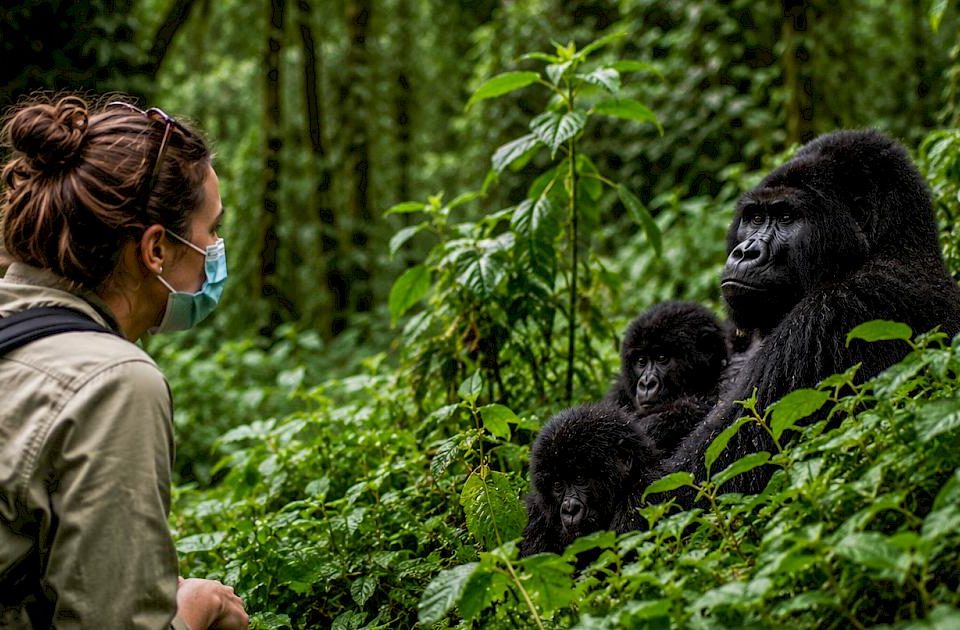
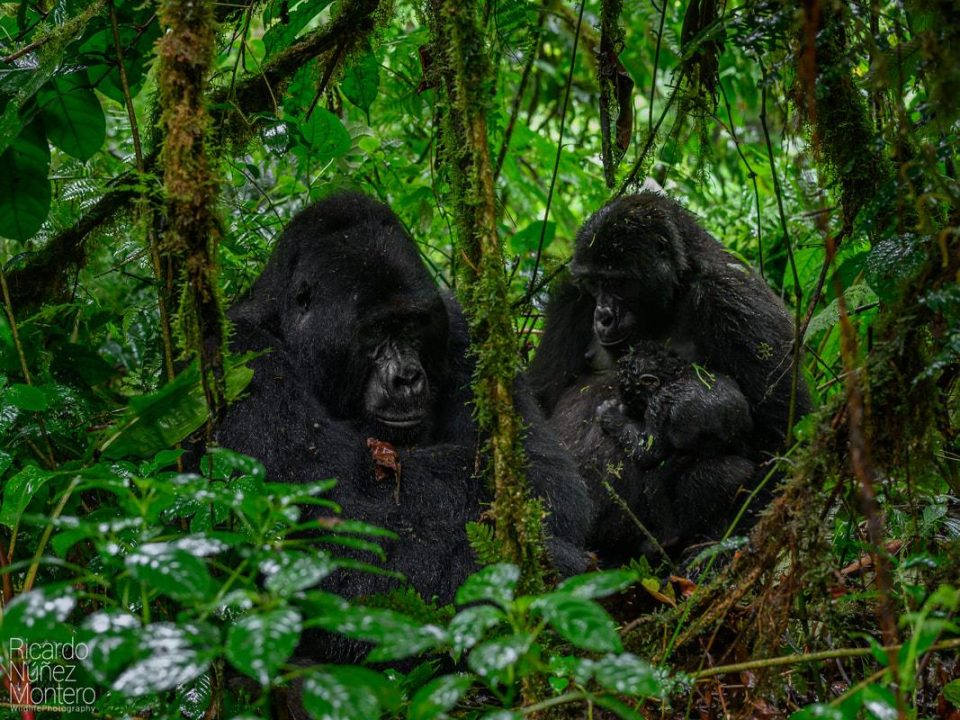
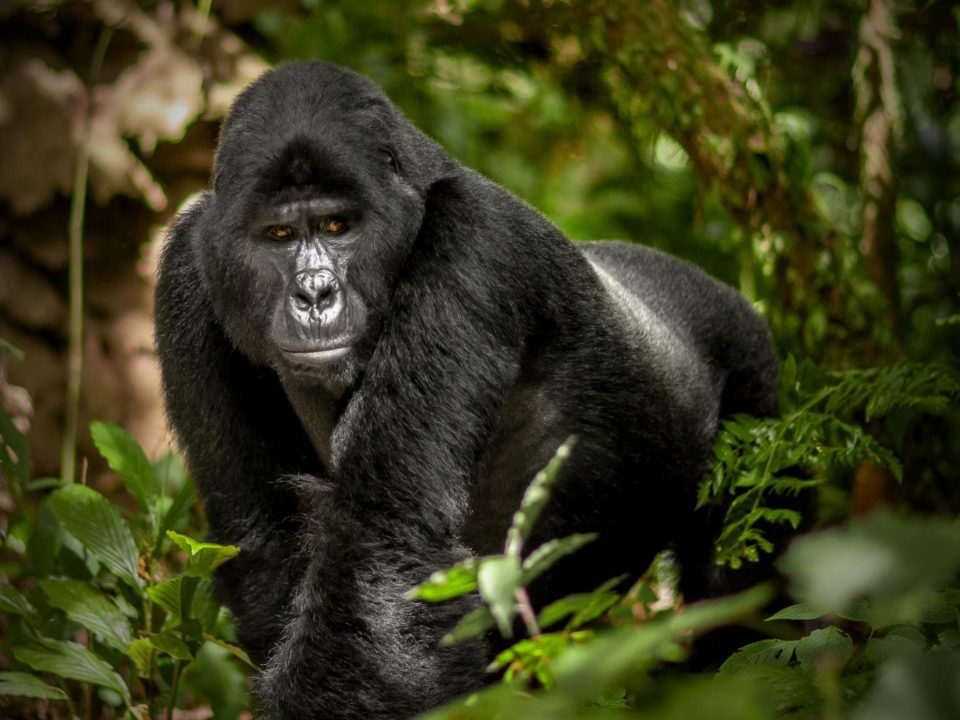
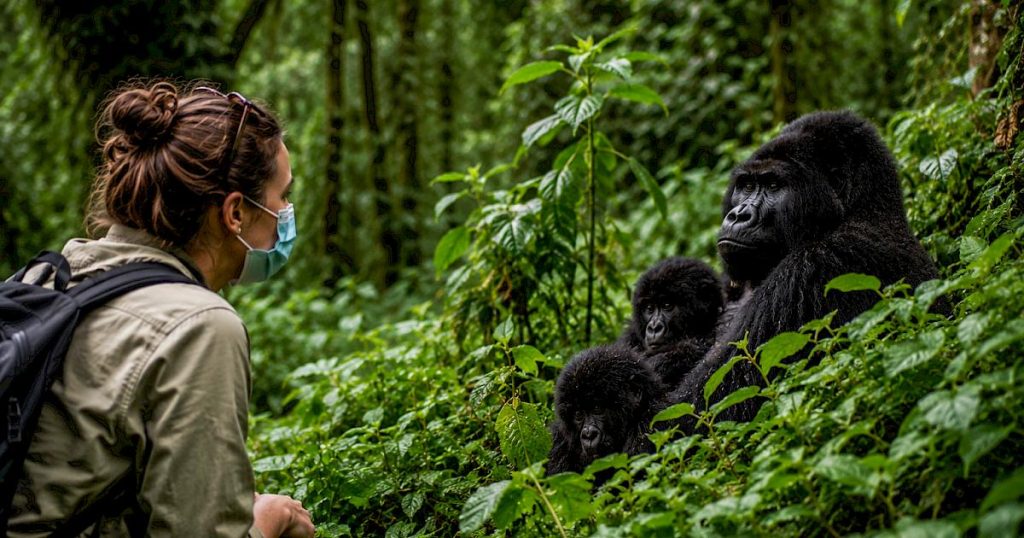
Rwanda’s Volcanoes National Park is one of the world’s most remarkable destinations for seeing endangered mountain gorillas in their natural habitat. Visitors travel to the park for an unforgettable experience in its mountainous forests. However, the Rwanda Development Board (RDB) requires visitors to present the appropriate documents for verification before tracking begins.
Therefore, it is important to check your documents the evening before your trek. Your passport or qualifying identification document, gorilla permit confirmation and relevant supporting documents should be ready when required. You should also confirm the reporting time and location with your tour operator.
Safari O’clock encourages every traveller to prepare carefully before trekking day. This guide explains which documents to carry, why they matter and how to avoid common mistakes.
Essential Documents for Gorilla Trekking in Rwanda
The documents you need depend partly on your nationality and the permit category under which you booked. However, every traveller should confirm the requirements for their individual booking before departure.
1. Your Original Passport or Accepted Identification Document
Your passport is one of the most important documents to prepare for gorilla tracking in Rwanda. Park officials may use it to verify your identity and compare your details with the permit booking.
Before travelling, check that your passport is valid and that the details match your booking confirmation. Pay particular attention to your full name and passport number. Even a small error can create problems during verification.
The RDB’s official mountain gorilla tracking information also specifies identification requirements for particular visitor categories. For example, East African citizens must provide an accepted East African ID card or passport. Foreign residents claiming a resident rate may need to prove their qualifying residency status.
Carry the original identification document required for your category. A photograph of your passport on your phone may not replace the original document required by park officials.
Safari O’clock recommends checking these requirements before leaving your hotel or lodge. This is especially important if you booked under a special resident or regional visitor category.
2. Your Gorilla Tracking Permit or Booking Confirmation
Your gorilla tracking permit is another essential document to prepare. It confirms the activity you booked and helps officials verify your reservation.
Before trekking day, check that your permit relates to the correct date and destination. If you are tracking in Rwanda, ensure that your booking is for Volcanoes National Park rather than a gorilla tracking activity in another country.
Keep your permit confirmation accessible. A printed copy can be useful, while an electronic copy provides a convenient backup. However, follow the specific instructions provided by the booking authority or your tour operator.
Remember that paying for a permit does not remove the need for document verification. RDB warns that visitors may be denied entry if they submitted incorrect, incomplete or invalid identification details during booking.
Therefore, check your permit information before travelling. If you notice an error, contact the relevant booking authority or Safari O’clock promptly instead of waiting until you reach the park.
3. Proof of Residency or Citizenship, Where Applicable
Some gorilla permit categories depend on nationality or residency status. If you booked using a special category, you may need additional documents to prove your eligibility.
For instance, qualifying foreign residents may need to show evidence of their residency or work permit status. East African citizens may need an accepted national identification document or passport.
These requirements matter because permit prices and eligibility rules can differ between visitor categories. You should not assume that a residence card, visa or other document automatically qualifies you for a particular rate.
Before trekking day, review the rules that applied when you purchased your permit. Carry the original supporting documents requested for your category.
Safari O’clock can help travellers review their booking information before departure. However, the final eligibility decision rests with the relevant authorities.
Other Travel Documents to Carry on Trekking Day
Not every useful document is compulsory at the park entrance. Nevertheless, carrying certain supporting records can help you manage unexpected situations during your safari.
4. Your Passport Copy and Emergency Contact Details
Although you should carry the required original identification, keeping a secure copy can provide a useful backup. Save a digital copy in a protected location and consider carrying a separate paper copy.
A copy may help you access your passport details if the original is lost. However, it does not replace an original passport when an authority requires one.
You should also keep emergency contact details available. Include your tour operator, accommodation provider and travel insurance assistance number where relevant.
These details can be useful if you become separated from your group or need help during the journey. Keep them somewhere accessible rather than relying entirely on an internet connection.
5. Your Travel Insurance Information
Travel insurance documents are useful when preparing for a gorilla tracking trip. They are not normally a substitute for the official tracking permit or identification document. However, they can help you access assistance if an unexpected problem occurs.
Carry your policy details, insurer’s emergency telephone number and relevant policy reference. You may keep these details on your phone and in a printed document.
Before travelling, confirm that your policy covers the activities you intend to undertake. Ask your insurer about emergency medical treatment, evacuation and any exclusions relating to guided hiking or gorilla tracking.
Safari O’clock recommends preparing this information before departure, particularly for visitors travelling from overseas.
6. Your Booking and Accommodation Details
Keep your accommodation confirmation and safari itinerary accessible. These documents can help you confirm where you are staying, how you will reach the park and whom to contact if your plans change.
For example, visitors tracking gorillas in Volcanoes National Park usually travel to the Kinigi registration area for their morning briefing. Knowing your accommodation address and departure arrangements can help you plan the journey.
Your itinerary should include the tracking date, transport arrangements and the contact details of your tour operator. It is also useful to know the expected departure time from your lodge.
Although accommodation confirmations are not a substitute for the required park documents, they can make your travel arrangements easier to manage.
7. Payment Receipts and Other Relevant Confirmations
Keep receipts for major travel bookings, including your gorilla permit, accommodation and transport. These records can help you resolve payment questions or confirm an arrangement if a discrepancy arises.
If your tour operator has provided a booking voucher or written confirmation, keep it accessible as well. Check whether the voucher contains specific instructions for registration.
However, do not assume that a payment receipt alone gives you permission to track gorillas. Park officials must still verify the relevant permit and identification information.
If you booked through Safari O’clock, ask your travel consultant which confirmations you should carry and whether any documents require printing.
How to Prepare Your Documents the Evening Before Trekking
Preparing your documents in advance helps you avoid unnecessary stress on the morning of your trek. Instead of searching through your luggage, you can focus on getting ready for the journey.
First, place your passport or required identification document in a secure, easily accessible location. Then, check your gorilla permit confirmation and make sure the date and park details are correct.
Next, gather any supporting documents required for your permit category. These may include proof of residency or other evidence requested by the booking authority.
After that, save copies of your travel insurance information, accommodation details and emergency contacts. Keep digital copies secure and avoid sharing sensitive passport information unnecessarily.
Finally, confirm your departure time with your driver or tour operator. Rwanda’s official gorilla tracking information directs visitors to report at the Kinigi registration area at 7:00 a.m. Check your specific booking instructions in case reporting arrangements change.
Safari O’clock recommends completing these checks before going to bed. This allows you to leave your accommodation on time and arrive prepared for registration.
Common Document Mistakes to Avoid on Gorilla Trekking Day
One common mistake is carrying an expired or incorrect identification document. Always check your passport details and validity before travelling. If you booked using a special permit category, confirm that your supporting documents meet the relevant requirements.
Another mistake is assuming that a digital photograph replaces every original document. Electronic copies are useful backups, but park officials may require the original identification document.
Some travellers also forget to check their permit date. If your confirmation shows the wrong date or location, contact the relevant authority or tour operator immediately.
Furthermore, do not assume that a payment receipt replaces a valid permit. Keep the permit confirmation and follow the instructions issued by the booking authority.
Finally, avoid leaving document checks until the morning of the trek. You may have limited time before registration, and fixing a booking error at the last minute can be difficult.
Do You Need a Visa or Other Immigration Documents on Trekking Day?
Your visa and immigration documents are important for entering Rwanda. However, they serve a different purpose from the documents used to register for gorilla tracking.
International visitors should check Rwanda’s entry requirements before travelling. Depending on their nationality and circumstances, they may need a visa or may qualify for a particular entry arrangement.
Keep your passport and any relevant immigration documents secure during your stay. If you are travelling across borders as part of a wider East African safari, check the entry requirements for every country on your itinerary.
You may not need to present your visa again at the gorilla registration desk in every case. Nevertheless, your passport or accepted identification remains important for verifying your identity and permit details.
Safari O’clock encourages visitors to confirm immigration requirements before departure and to keep essential travel documents accessible throughout their trip.
What Happens If You Forget an Essential Document?
Forgetting a required document can delay registration or prevent you from participating in your scheduled trek. The outcome depends on which document is missing and the applicable park rules.
For example, if officials cannot verify your identity or permit, you may need to contact the booking authority for guidance. However, there is no guarantee that staff can resolve the problem before your scheduled tracking time.
Rwanda’s gorilla tracking guidance warns that incorrect, incomplete or invalid application information can result in denied entry, even when a permit has been paid for and issued.
If you discover a problem before trekking day, contact your tour operator or the relevant authority as soon as possible. Do not wait until you reach the park entrance.
This is another reason to prepare your documents the evening before departure. A few minutes of checking can help prevent avoidable problems.
Travel Documents Checklist for Rwanda Gorilla Tracking
Before leaving your accommodation, confirm that you have prepared the documents relevant to your booking.
- Original passport or accepted identification: Carry the document required for your visitor category.
- Gorilla permit confirmation: Check the date, park and booking details.
- Residency or citizenship evidence: Bring supporting documents if your permit category requires them.
- Travel insurance information: Keep your policy details and emergency contact number accessible.
- Accommodation confirmation: Save your lodge details and contact information.
- Safari itinerary: Check your departure arrangements and registration location.
- Payment receipts: Keep useful booking records for reference.
- Emergency contacts: Save your tour operator’s number and other important contacts.
- Immigration documents: Keep your relevant passport and visa information secure.
The passport, permit and supporting identification requirements deserve the most attention. Other items provide useful backup information and help you manage your trip.
Prepare for Your Gorilla Tracking Adventure With Safari O’clock
A successful gorilla tracking experience begins with careful preparation. Alongside choosing suitable clothing and arranging transport, you should confirm that your documents are complete and correct.
Safari O’clock helps travellers organise their Rwanda safari experiences, including gorilla tracking in Volcanoes National Park. We encourage visitors to review their permits, confirm their travel arrangements and follow the instructions provided by the relevant authorities.
Before trekking day, check your original identification, permit confirmation and any supporting documents required for your visitor category. Keep other useful records accessible, and confirm your reporting time with your tour operator.
With the right preparation, you can spend less time worrying about paperwork and more time looking forward to your encounter with Rwanda’s remarkable mountain gorillas.
Contact Safari O’clock to begin planning your Rwanda gorilla tracking adventure.