- DIRECT CONTACTS:
- +256394517569
- tours@safarioclock.africa

Travel Insurance Questions to Ask Before Rwanda Gorilla Tracking

How to Check Visa Requirements Before Travelling to Rwanda
November 9, 2026
Which Travel Documents Should You Carry on Gorilla Trekking Day?
November 9, 2026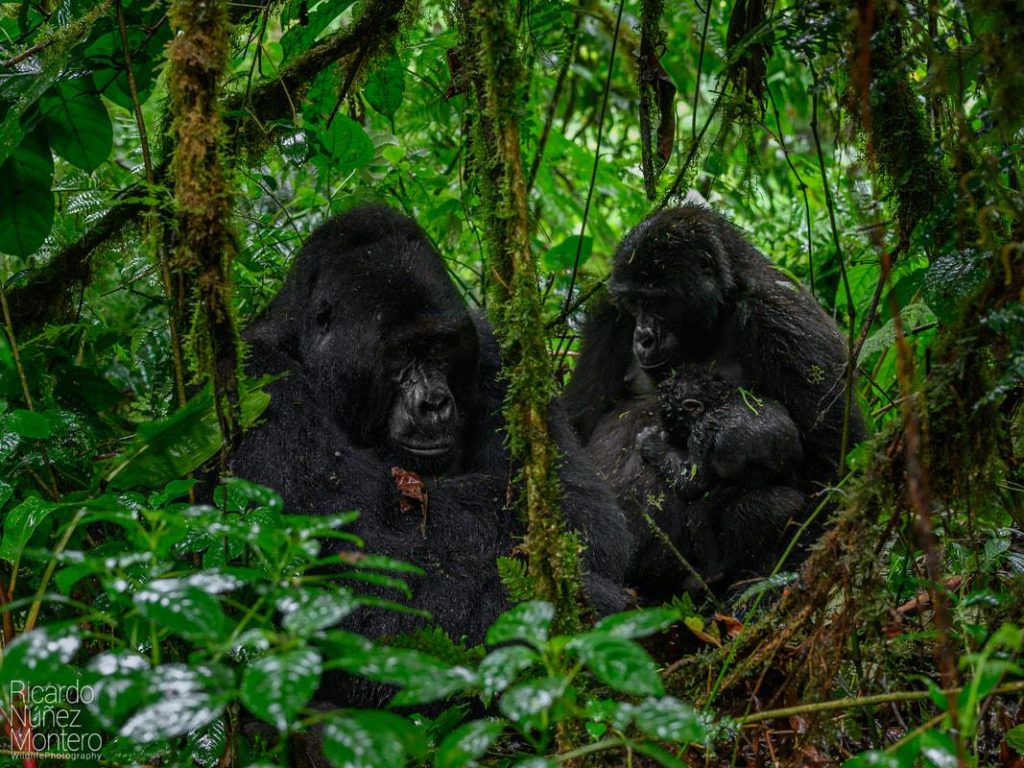
Planning a Rwanda gorilla tracking adventure is exciting. You may already be thinking about your gorilla permit, accommodation, flights and the incredible experience of seeing mountain gorillas in their natural habitat. However, there is another important detail to organise before departure: travel insurance.
Travel insurance can help protect you against unexpected expenses during your trip. Depending on your policy, it may cover emergency medical treatment, evacuation, trip cancellation, travel delays and lost luggage. However, not every policy covers every situation. Therefore, travellers should understand their coverage before paying for a policy.
Gorilla tracking also presents special considerations. The activity takes place in a mountainous forest, where trails can be steep, muddy and physically demanding. If you become ill or suffer an injury, you may need medical assistance and transport from a remote area.
Safari O’clock encourages travellers to ask the right questions before choosing their insurance. This guide explains what to check, which exclusions to look for and how to prepare for a safer Rwanda gorilla safari.
Why Gorilla Tracking Insurance Matters in Rwanda
Travel insurance is worth considering because unexpected problems can disrupt even a carefully planned holiday. An illness, injury or cancelled flight may create additional expenses. Without suitable coverage, you might have to pay these costs yourself.
Rwanda offers medical facilities in Kigali and other towns. However, access to advanced treatment may be more limited in remote areas. Serious medical conditions can sometimes require evacuation to another facility or country. Official travel advice therefore recommends checking that your insurance covers overseas medical treatment and emergency evacuation.
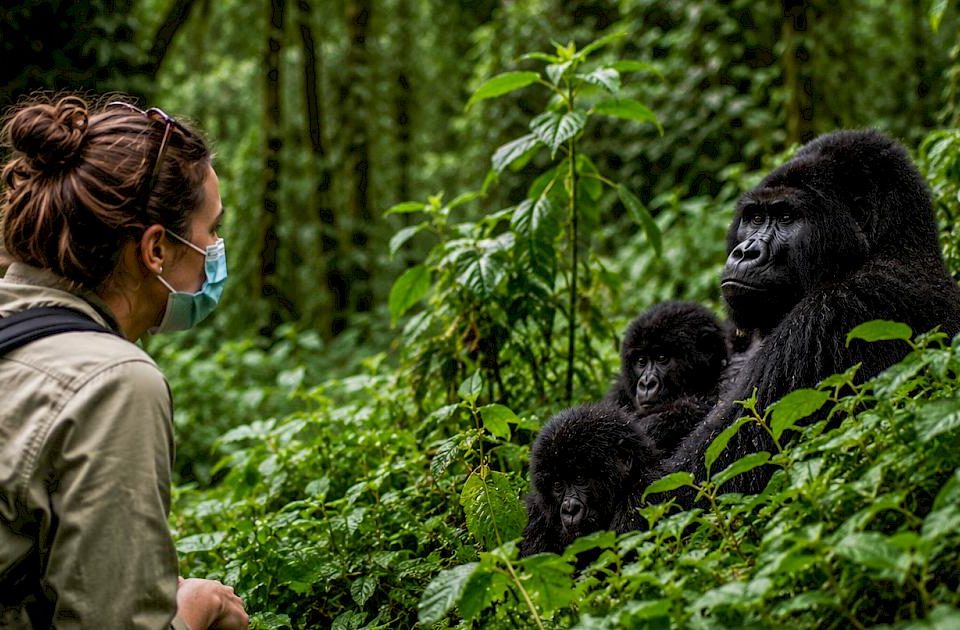
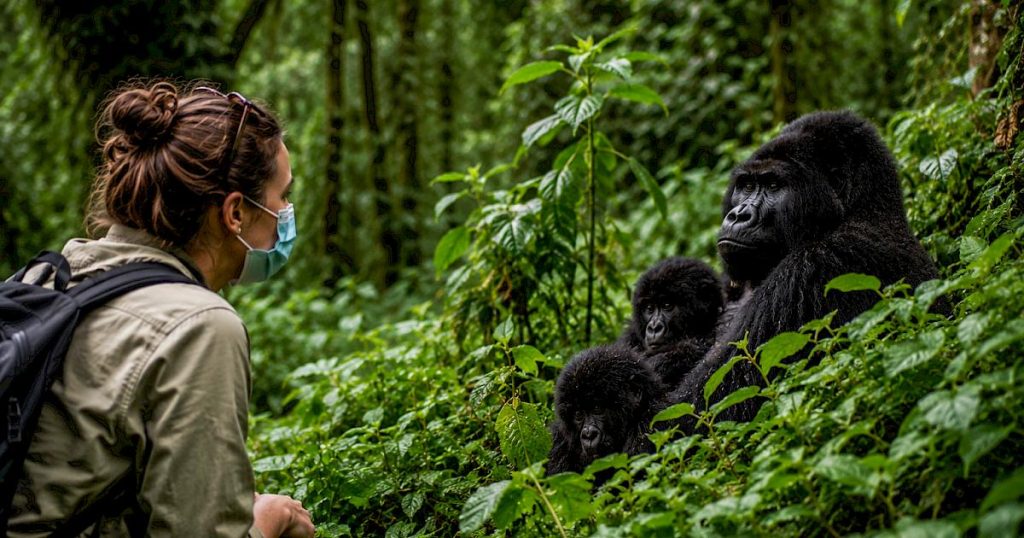
Gorilla tracking takes place in Volcanoes National Park, in Rwanda’s mountainous north-west. Visitors walk through forest vegetation and uneven terrain to find habituated mountain gorilla families. Trek duration and difficulty vary according to the location of the gorillas and the route chosen.
Consequently, travellers should not assume that an ordinary holiday insurance policy automatically covers gorilla tracking. Instead, ask your insurer to confirm in writing that the policy covers the activity and its associated risks.
Questions to Ask About Gorilla Tracking Insurance Before Booking
Before purchasing travel insurance, speak to your provider and explain your travel plans. Give them your destination, travel dates and planned activities. This allows them to assess your needs and explain any restrictions.
1. Does My Policy Cover Gorilla Tracking?
This should be your first question. Some insurance policies exclude certain adventure activities or require additional coverage. Others may cover hiking but impose limits based on altitude, terrain or the type of activity.
Explain that you intend to track mountain gorillas in Volcanoes National Park. Ask whether the policy covers the activity for the full duration of your planned trek.
Also, request written confirmation. Do not rely only on a general statement that your policy covers holidays or outdoor activities. Clear confirmation can help prevent disagreements if you later need to make a claim.
Safari O’clock recommends checking this point before paying for your trip. It is much easier to address coverage questions before departure than during an emergency.
2. Does the Policy Cover Emergency Medical Treatment?
Ask your insurer which medical expenses the policy covers when you travel to Rwanda. These may include consultations, diagnostic tests, hospital admission, prescribed treatment and emergency surgery, depending on the terms.
You should also ask whether the insurer pays medical providers directly or expects you to pay first and claim reimbursement later. This distinction matters because some facilities may require payment before providing treatment.
Check the maximum medical benefit as well. A policy with a low limit may not provide enough protection for a serious medical emergency.
Furthermore, ask whether the policy covers treatment outside Rwanda if local medical facilities cannot provide the care you need. Understanding these conditions before departure can help you make an informed decision.
3. Is Emergency Medical Evacuation Included?
Medical evacuation is one of the most important questions for visitors planning gorilla tracking. If you become seriously ill or suffer an injury in a remote area, you may need transport to a suitable medical facility.
Ask whether your policy covers evacuation from Volcanoes National Park or nearby trekking areas. Find out whether it includes ambulance transport, air evacuation when medically necessary and transfer to an appropriate hospital.
You should also ask whether the policy covers medical repatriation. This refers to arrangements to return you home for medical reasons when appropriate.
However, evacuation benefits often have conditions. The insurer may need to approve the arrangements before they proceed, except where emergency circumstances prevent prior authorisation. Ask who makes these decisions and which emergency number you should call.
Do not assume that every policy covers helicopter evacuation or transport across international borders. Request clear details about the limits and exclusions.
Questions About Medical Conditions and Personal Safety
Your health and medical history can affect the coverage available to you. Therefore, review these details honestly before buying insurance.
4. Are Pre-Existing Medical Conditions Covered?
If you have a medical condition that existed before purchasing the policy, ask whether the insurer covers it. Some policies exclude pre-existing conditions, while others may provide coverage under specific terms.
Explain any relevant medical history when completing your application. Ask whether you need to provide medical information or obtain approval before travelling.
Also, discuss the physical demands of gorilla tracking with your healthcare professional if you have concerns about your fitness. The activity can involve steep slopes, uneven ground and hiking at altitude.
Never assume that a policy covers every medical emergency simply because the insurer accepted your application. Read the terms carefully and disclose information as required.
5. Does the Policy Cover Injuries During Hiking?
Gorilla tracking involves walking through natural forest terrain. You may encounter slippery paths, steep sections, thick vegetation and uneven ground.
Ask whether your policy covers injuries sustained during guided hikes. Find out whether it covers falls, sprains, fractures and other accidents that may require medical attention.
You should also check for altitude restrictions. Some policies limit coverage for activities above a specified elevation. Since gorilla tracking takes place in the Virunga Mountains, confirm that the policy’s limits suit your planned activity.
In addition, ask whether the policy requires you to follow a licensed guide or approved operator. If it does, make sure your arrangements meet those conditions.
6. What Happens If I Become Ill Before the Trek?
Illness can affect your ability to participate in gorilla tracking. Rwanda’s official gorilla tracking guidance warns visitors who have contagious illnesses not to visit the gorillas, helping protect these endangered animals from human diseases.
Ask whether your travel insurance covers trip cancellation or interruption if you become ill before departure. Find out whether it covers unused travel arrangements and what evidence the insurer requires.
However, cancellation benefits do not automatically cover every illness or change of plans. The policy may specify which circumstances qualify for a claim.
You should also ask whether a doctor’s certificate is necessary. Understanding the claims process in advance can make a difficult situation easier to manage.
Questions About Trip Cancellation and Gorilla Permit Costs
Gorilla tracking permits can represent a significant part of your safari budget. Therefore, ask your insurer how the policy treats prepaid travel expenses.
7. Are Gorilla Tracking Permits Covered If I Cancel?
Ask whether your policy covers non-refundable gorilla permit costs when a covered event forces you to cancel your trip.
The answer depends on the insurance contract. Some policies cover eligible prepaid expenses when cancellation results from specified events. Others exclude certain bookings or impose strict conditions.
Rwanda’s official gorilla tracking information also explains that refunds depend on the circumstances. For example, the rules distinguish between certain failures to locate gorillas and cancellations or missed visits for other reasons.
Therefore, do not assume that your insurer will reimburse a permit simply because you cannot attend. Ask about the exact circumstances covered and whether permit costs qualify as eligible expenses.
Keep your permit confirmation, payment receipts and other booking documents. These may be important if you need to make a claim.
8. Does the Policy Cover Flight Delays or Missed Connections?
A delayed flight can affect your arrival in Rwanda or cause you to miss a planned connection. In some cases, this may disrupt your gorilla tracking schedule.
Ask whether the policy covers eligible additional accommodation, meals, transport or rebooking expenses caused by a covered delay. Also, check whether missed connections qualify for protection.
Pay close attention to the conditions. Some policies require a minimum delay period or exclude disruptions caused by certain events.
If you have a fixed gorilla permit date, consider arriving in Rwanda with enough time to reach your accommodation before the tracking day. This practical step can reduce the risk of missing your activity because of a late arrival.
9. What If I Need to Cut My Trip Short?
Unexpected events may force you to return home earlier than planned. For example, a serious illness, injury or qualifying family emergency could interrupt your holiday.
Ask whether your policy covers trip interruption and unused prepaid expenses. You should also confirm whether it pays for additional transport when a covered event requires an early return.
These benefits differ between policies. Some cover only specific reasons for interruption, while others place limits on reimbursement.
Read the conditions carefully before making your purchase. This will help you understand what financial support may be available if your plans change unexpectedly.
Questions About Insurance Exclusions and Claims
Insurance exclusions explain the circumstances in which a policy may not pay. Understanding these exclusions is just as important as knowing what the policy covers.
10. Which Activities or Situations Are Excluded?
Ask your insurer to explain the exclusions that could affect your Rwanda itinerary. These may relate to particular adventure activities, undeclared medical conditions, alcohol-related incidents or travel against official advice.
Do not assume that all hiking activities receive the same treatment. Some policies distinguish between ordinary walking, guided mountain hikes and higher-risk activities.
You should also check whether the policy remains valid throughout your itinerary. If you plan to visit other countries after Rwanda, make sure the geographical coverage includes every destination.
Where the insurer uses technical terms, ask for a clear explanation. It is better to understand a restriction before travelling than to discover it when submitting a claim.
11. How Do I Contact the Insurer During an Emergency?
Ask for the insurer’s emergency assistance number and save it in your phone. Keep a written copy with your passport and travel documents as well.
Find out whether the assistance service operates 24 hours a day. Ask what information you should provide when reporting an emergency.
Some insurers require you to contact their assistance team before arranging non-urgent treatment or evacuation. Others may allow emergency treatment first when immediate action is necessary.
Understand the procedure before leaving home. If an emergency occurs, follow the insurer’s instructions when practical, but do not delay urgent medical care while trying to obtain approval.
12. What Documents Will I Need to Make a Claim?
Ask which documents the insurer requires for medical expenses, cancellation, delays or lost belongings. Depending on the claim, these may include medical reports, receipts, police reports, booking confirmations or proof of payment.
You should also ask how long you have to submit a claim. Some policies set strict notification deadlines.
Keep digital copies of important travel documents in a secure location. Store original receipts and confirmations where you can find them easily.
Finally, check whether the insurer offers online claims or requires you to complete specific forms. Knowing the process beforehand can save time later.
How to Choose the Right Gorilla Tracking Insurance Policy
Once you have answers to these questions, compare policies based on the protection they offer rather than price alone. A cheaper policy may have lower benefit limits or exclusions that affect your planned activities.
Start by checking medical expenses and emergency evacuation. Then review coverage for gorilla tracking, hiking, trip cancellation, travel delays and personal belongings.
Next, compare excesses and deductibles. These are amounts you may need to pay yourself before certain benefits apply. Also, examine the maximum amount available for each type of claim.
Consider the length of your trip and all the countries you intend to visit. Make sure your policy covers the entire travel period, including any stopovers that fall within its terms.
Most importantly, read the policy wording and ask questions when something is unclear. Safari O’clock encourages travellers to choose coverage that matches their actual itinerary and personal circumstances.
When Should You Buy Travel Insurance for Rwanda?
It is generally sensible to arrange travel insurance soon after booking your trip. Some policies provide cancellation benefits only when you purchase them within a specified period after making your first travel payment.
Buying early may also help you understand your protection before making further bookings. However, coverage begins according to the policy’s terms, so check the start date carefully.
Before departure, review your policy one more time. Confirm that the travel dates, destination and planned activities are correct.
Keep your policy documents and emergency contact information accessible during your journey. If your itinerary changes, contact your insurer to confirm whether the new arrangements remain covered.
Travel Insurance Checklist Before Rwanda Gorilla Tracking
Before leaving for Rwanda, make sure you can answer these essential questions:
- Does my policy cover gorilla tracking and guided hiking?
- Does it include emergency medical treatment?
- Does it cover medical evacuation from remote areas?
- Are pre-existing medical conditions covered under the agreed terms?
- Does it cover eligible cancellation costs, including gorilla permits?
- Are flight delays, missed connections and trip interruption included?
- What exclusions or activity restrictions apply?
- Which emergency number should I call?
- What documents will I need if I make a claim?
- Does the policy cover my entire trip and every destination?
If you cannot answer one of these questions, contact your insurer before travelling. Clear answers can help you make a more informed decision.
Plan Your Rwanda Gorilla Safari With Safari O’clock
A Rwanda gorilla tracking adventure deserves careful planning. Alongside arranging permits, accommodation and transport, travellers should consider how they will manage unexpected events.
Safari O’clock helps travellers organise memorable Rwanda safari experiences, including gorilla tracking in Volcanoes National Park. We encourage visitors to prepare well, understand park rules and review their travel arrangements before departure.
Travel insurance should match your actual activities and provide appropriate protection for your circumstances. Because policies differ, always confirm coverage directly with your insurer.
Before you travel, ask the right questions, read the policy carefully and keep your documents accessible. With thoughtful preparation, you can focus more confidently on the remarkable experience of encountering mountain gorillas in the wild.
Contact Safari O’clock to begin planning your Rwanda gorilla tracking adventure.