- DIRECT CONTACTS:
- +256394517569
- tours@safarioclock.africa

How Porter Fees Fit into a Gorilla Tracking Budget

Which Extra Costs Should You Allow for on Trekking Day?
November 21, 2026
How Meals and Drinks Affect the Total Cost of a Gorilla Trip
November 21, 2026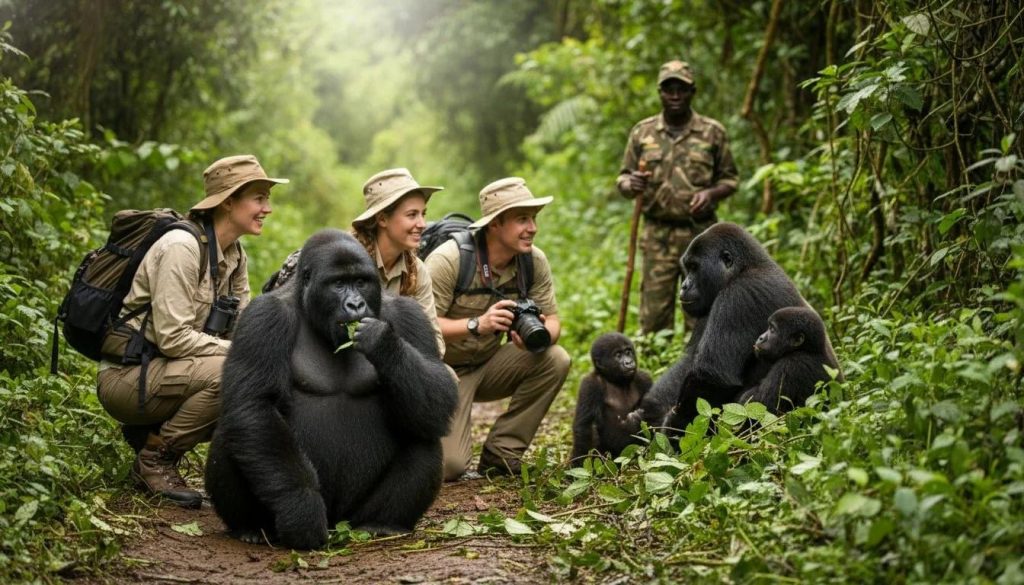
Gorilla tracking is one of Africa’s most memorable wildlife experiences. However, preparing for the adventure involves more than buying a gorilla permit. Travellers must also consider accommodation, transport, meals, personal equipment and other expenses. One important cost that deserves attention is the porter fee.
When planning a gorilla safari in Rwanda or Uganda, many visitors focus on the permit price. As a result, they sometimes overlook the cost of hiring a local porter. Although porter services are usually optional, they can make the trek more comfortable and manageable. They also provide an opportunity to support people living near the national parks.
At Safari O’clock, we encourage travellers to understand every part of their safari budget before departure. This helps prevent unexpected expenses and makes it easier to enjoy the experience. In this guide, we explain how gorilla porter fees fit into your overall tracking budget, what the service includes and how much money you should set aside.
What Are Gorilla Porter Fees?
Gorilla porter fees are payments made to local workers who assist visitors during gorilla tracking. Porters normally meet trekkers at the park’s designated starting point. They help carry personal belongings and provide practical support along forest trails.
A typical porter can carry your backpack, drinking water, snacks, camera equipment and other personal items. Some porters also offer a helping hand when you walk across slippery slopes or uneven ground. Their knowledge of the local environment can make the journey easier to manage.
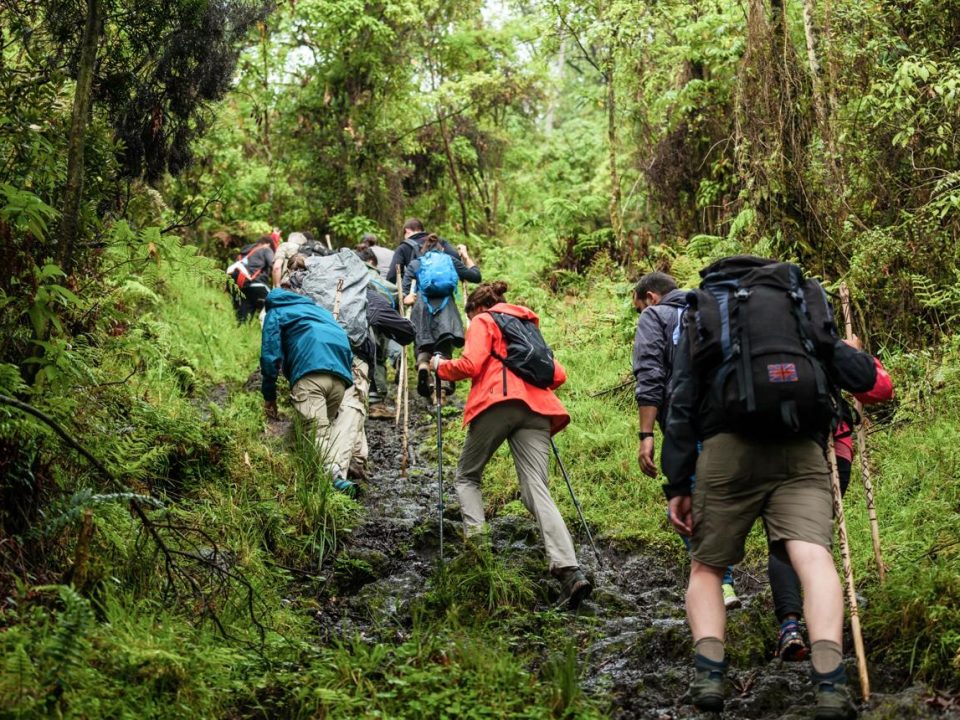
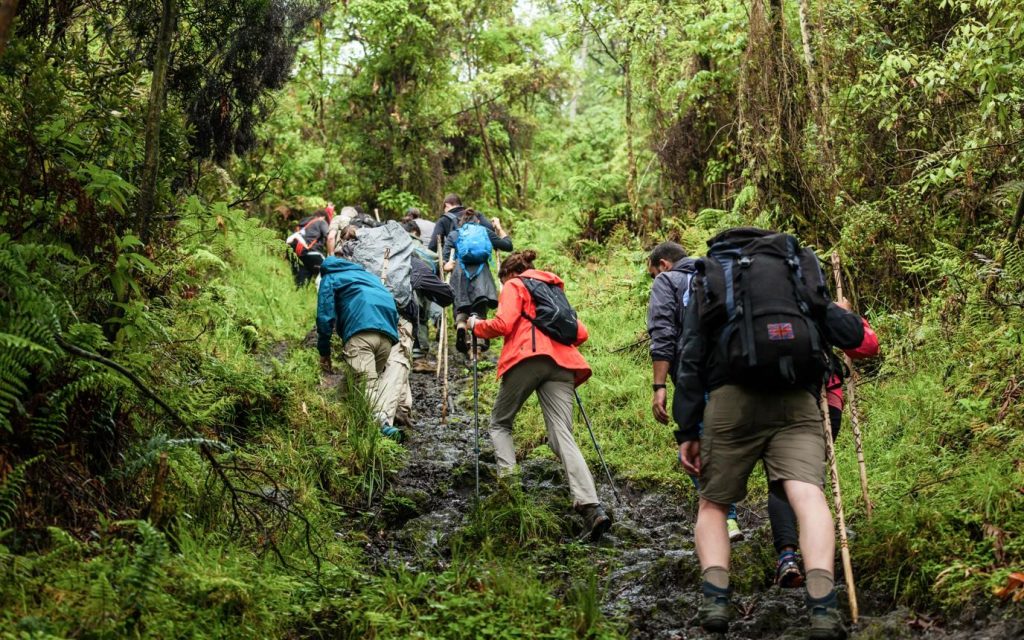
Gorilla tracking takes place in mountainous forests with changing terrain. Some trails are steep, muddy or covered with thick vegetation. Therefore, carrying a heavy backpack can make an already demanding walk more tiring.
Hiring a porter allows you to concentrate on the trail and enjoy the surroundings. It can also help you conserve energy for the time you spend observing the gorillas.
It is important to understand that a porter does not replace the park guide or ranger. Park staff remain responsible for leading the trek, locating the gorillas and enforcing wildlife protection rules. The porter provides additional personal assistance throughout the journey.
Why Gorilla Porter Fees Matter in Your Safari Budget
A complete gorilla tracking budget should account for both essential and optional expenses. Your gorilla permit is usually one of the largest costs. However, smaller expenses can also affect the final amount you spend.
For example, a traveller who budgets only for the permit, transport and accommodation may forget to set aside money for porter services. This can create an unexpected expense on the morning of the trek.
Gorilla porter fees are generally much smaller than the cost of a gorilla permit. Nevertheless, they deserve a separate line in your budget. This makes it easier to understand your total spending before travelling.
Porter fees also have a local economic benefit. Hiring a porter creates an income opportunity for someone living near the trekking destination. In communities around gorilla parks, tourism-related work can provide an important source of livelihood.
Therefore, this expense has two benefits. You receive practical assistance during your trek, while a local worker earns money from your visit.
At Safari O’clock, we believe responsible travel should consider both visitor comfort and the communities that make tourism possible.
How Much Should You Budget for Gorilla Porter Fees?
The amount you pay for a porter depends on the destination, local arrangements and the service provided. There is no single universal porter tariff that applies to every gorilla trekking location.
For Rwanda, a 2025–2026 visitor fact sheet from a local safari provider lists porter hire at approximately US$20 per trek. It also recommends a separate optional tip of US$5–US$10. These figures provide a useful planning reference, although travellers should confirm the current arrangement before their trek.
In Uganda, travellers can use approximately US$15–US$25 as an indicative planning allowance for porter hire. However, this is not a fixed Uganda Wildlife Authority tariff. The final amount should be confirmed with the operator or local porter arrangements at the trekking sector.
These estimates help visitors prepare without assuming that every destination charges the same amount. They also show why it is useful to discuss porter services with your tour operator before the safari begins.
For a simple budget, consider setting aside around US$20–US$25 per person for porter hire. This is a practical planning allowance rather than a guaranteed price. You may need to adjust it depending on the country and the local rate.
Gorilla Porter Fees in Rwanda
Rwanda offers mountain gorilla tracking in Volcanoes National Park. The park lies in the Virunga conservation landscape, where visitors walk through mountainous forest to find habituated gorilla families.
The terrain can vary considerably between trekking routes. Some visitors enjoy relatively manageable walks, while others encounter steep slopes and muddy sections. The location of the assigned gorilla family also affects the length and difficulty of the trek.
Porters are available to assist visitors at the trekking starting points. They can carry backpacks and help travellers navigate difficult sections of the trail. Their assistance can be especially valuable when the ground becomes slippery after rainfall.
For budgeting purposes, a figure of approximately US$20 per porter provides a useful starting point in Rwanda. However, travellers should confirm the current charge with their safari operator or the local porter arrangement.
Visitors may also choose to give an additional tip after receiving good service. A tip is separate from the agreed hiring fee and should remain voluntary.
Safari O’clock recommends including porter hire in your initial safari calculations. This gives you a clearer picture of your expected expenses before arriving at Volcanoes National Park.
Gorilla Porter Fees in Uganda
Uganda is another excellent destination for mountain gorilla tracking. Visitors can track gorillas in Bwindi Impenetrable National Park and Mgahinga Gorilla National Park.
Bwindi has several trekking sectors, including Buhoma, Ruhija, Rushaga and Nkuringo. Each sector offers different routes and access to habituated gorilla families. The terrain can include steep climbs, thick vegetation, narrow paths and muddy sections.
Because of these conditions, a porter can be particularly helpful. They can carry your daypack and assist you when you need extra support on challenging sections of the trail.
For Uganda, an indicative allowance of US$15–US$25 per trek is a useful starting point. However, this should not be treated as an official fixed rate. Confirm the amount with your tour operator before the trekking day.
It is also important to separate porter fees from the gorilla permit. Uganda Wildlife Authority’s published conservation tariff lists the guide fee, park entrance and community contribution among the services covered by the gorilla tracking permit. Porter hire is a separate arrangement.
Safari O’clock encourages visitors tracking in Bwindi or Mgahinga to prepare for porter hire as an additional expense. This helps you avoid relying on the permit price as your complete trekking budget.
What Services Does a Gorilla Porter Provide?
Understanding the service helps you decide whether porter hire is worthwhile. A porter does more than carry a bag. Their assistance can make several parts of the trekking experience easier.
Carrying Your Personal Belongings
One of the main responsibilities of a porter is carrying your backpack. Your bag may contain drinking water, snacks, a camera, extra clothing and other personal items.
Carrying these belongings yourself can become tiring during a long walk. A porter helps reduce the weight you carry, allowing you to focus more on walking.
Providing Support on Difficult Trails
Some gorilla trekking routes involve steep slopes and slippery ground. A porter may offer a helping hand when you need extra balance or support.
This assistance can be useful during both uphill and downhill sections. However, you should still wear proper hiking boots and follow the guide’s instructions.
Helping You Enjoy the Trek
When you do not have to carry a heavy backpack, you can pay more attention to the forest environment. You may find it easier to appreciate the scenery, listen to bird calls and enjoy the journey.
A porter can also help you manage your belongings when the group stops for breaks. Nevertheless, visitors should always follow the park guide’s directions when approaching the gorillas.
Are Gorilla Porter Fees Included in the Permit?
This is an important question when preparing a gorilla safari budget. In general, travellers should not assume that their gorilla permit includes porter hire.
The permit covers the regulated gorilla tracking activity and the services specified by the relevant wildlife authority. Optional porter services are arranged separately.
For example, Uganda Wildlife Authority’s published tariff identifies the guide fee, park entrance and community development contribution as included in the gorilla permit. It does not list an individual porter as an included service.
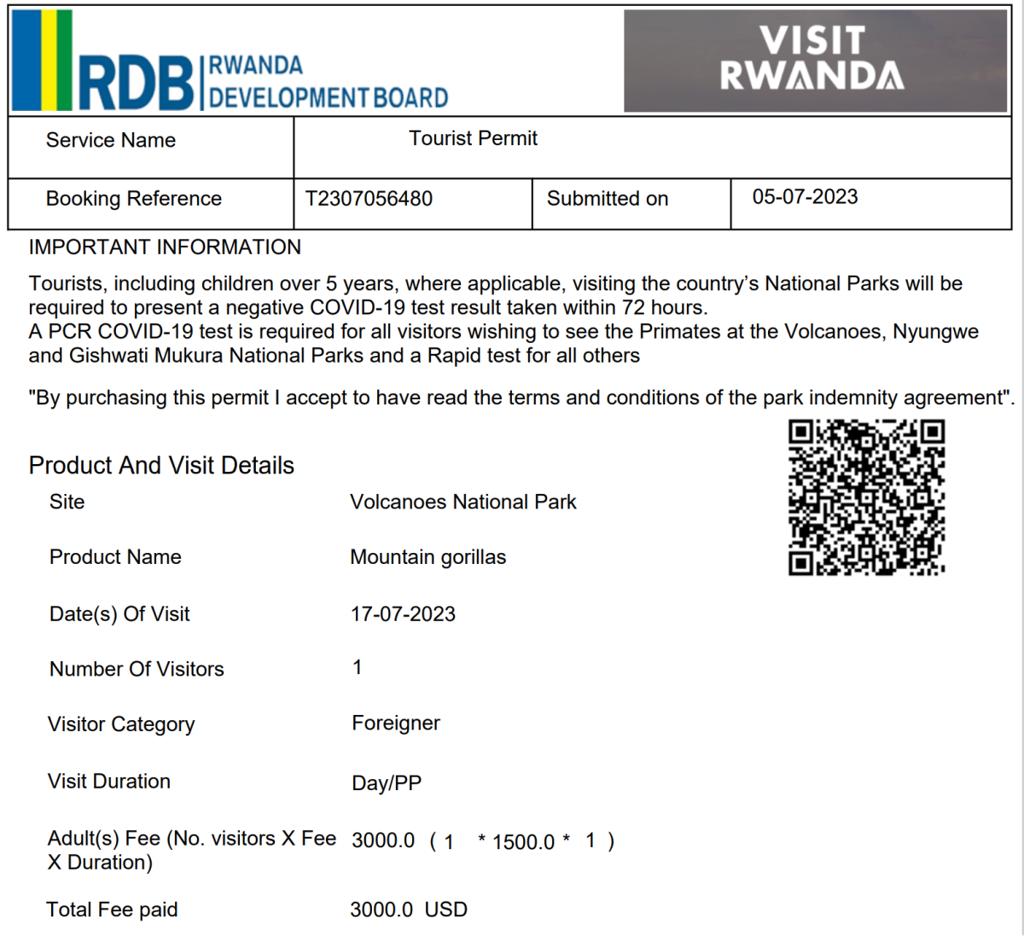
In Rwanda, visitors should also budget separately for porter hire rather than assuming that it comes with the permit.
This distinction matters because permit prices are already a major part of the safari cost. Adding porter hire separately gives you a more realistic estimate of the money required.
When booking with Safari O’clock, ask for a breakdown of your package. Find out which services are included and which expenses you should pay separately at the trekking destination.
How to Include Gorilla Porter Fees in Your Total Budget
The easiest way to manage porter costs is to create a separate budget category for trekking-day expenses. This prevents small payments from being overlooked.
Start by listing your main safari costs. These may include the gorilla permit, accommodation, transport, meals and travel insurance. Then add porter hire, tips and personal purchases.
For example, consider a traveller planning one gorilla trek in Rwanda or Uganda. The following table shows how to plan for porter-related expenses.
| Budget item | Illustrative allowance |
|---|---|
| Porter hire | US$15–US$25 |
| Optional porter tip | US$5–US$10 |
| Total porter-related allowance | US$20–US$35 |
These are planning estimates, not official fixed charges. The actual amount may differ according to the destination and local arrangements.
For two travellers hiring one porter each, the combined allowance would be approximately US$40–US$70. This simple calculation helps couples and small groups prepare their trekking-day money.
You should also keep a small additional amount for personal needs. For example, you may wish to buy a walking stick, purchase a snack or pay for another service available at the trailhead.
Safari O’clock can help you identify these possible expenses when preparing your safari itinerary.
Should You Tip Your Gorilla Porter?
A porter fee and a tip are two different payments. The porter fee is the agreed amount for the service. A tip is an additional payment offered to show appreciation for good assistance.
Some travellers choose to tip their porters after the trek. This is a personal decision and should depend on the service received and your budget.
A planning allowance of US$5–US$10 can be useful where tipping is customary. However, it is not a compulsory charge or a universal rule.
If you decide to give a tip, consider the effort involved in assisting you throughout the journey. A porter may carry your belongings for several hours across difficult terrain.
You should also prepare small cash denominations. This makes it easier to pay the agreed fee and any additional tip without struggling to find change.
At Safari O’clock, we encourage respectful interactions with local service providers. Fair payment and genuine appreciation help create a positive experience for both visitors and the communities around the parks.
How Porter Hire Supports Local Communities
Gorilla tourism creates economic opportunities for communities around protected areas. Porter services are one example of how visitors can contribute directly to local livelihoods.
When you hire a porter, you pay someone for their time, effort and assistance. This income can help support household needs, education and other daily expenses.
Porter work can also provide opportunities for people who live near the national parks. Their familiarity with the local environment and trekking conditions can be valuable to visitors.
In addition, responsible tourism can encourage positive relationships between conservation authorities, communities and visitors. People who benefit from tourism may have stronger economic reasons to support the protection of natural resources.
However, hiring a porter should not be viewed as a replacement for conservation fees or community programmes. These are separate contributions with different purposes.
Safari O’clock supports responsible travel practices that recognise the importance of local communities. Choosing local services where available is one practical way travellers can make their visits more meaningful.
Can You Track Gorillas Without Hiring a Porter?
Yes. Porter hire is generally optional, so visitors can choose to carry their own belongings. However, the decision should consider your fitness, the weight of your backpack and the expected trekking conditions.
Some visitors prefer carrying only a small daypack. Others may feel more comfortable hiring someone to carry their water, camera and personal items.
Even fit travellers can benefit from a porter. Gorilla tracking does not always follow an easy route. The forest terrain, weather and location of the gorilla family can change the difficulty of the walk.
Hiring a porter is therefore not a sign of weakness. It is a practical choice that can make the experience more comfortable.
If you have mobility concerns or a medical condition that could affect your ability to walk, discuss your needs with your tour operator and the park authorities before travelling. A porter does not replace any official accessibility arrangements or medical support.
At Safari O’clock, we encourage visitors to make an informed decision based on their individual needs and the conditions of their planned trek.
Other Expenses to Consider on Trekking Day
Porter hire is only one part of your trekking-day budget. Several other expenses may arise before or after entering the forest.
First, consider personal refreshments. Carry enough drinking water and suitable snacks for the walk, following the park’s guidance on what visitors may take into the forest.
Next, consider the equipment you may need. Waterproof clothing, hiking boots, gardening gloves and a walking stick can help you prepare for changing trail conditions. Some items may be available for hire or purchase near the park, although availability and prices vary.
You should also prepare money for optional tips. Guides, trackers, drivers and other service providers may receive tips depending on local customs and the quality of service. These payments are separate from porter hire and should not be treated as compulsory fees.
Finally, carry some local currency or suitable small cash denominations. Do not assume that every service point accepts cards or mobile payments.
Planning these expenses in advance makes the trekking morning easier. You can then focus on the experience instead of worrying about unexpected payments.
How Safari O’clock Helps You Plan Your Gorilla Tracking Budget
A successful gorilla safari begins with realistic planning. Understanding the permit cost is important, but knowing the additional expenses makes your budget more complete.
Safari O’clock helps travellers plan gorilla tracking experiences in Rwanda and Uganda. We consider important details such as the trekking destination, accommodation, transport arrangements and expected personal expenses.
We also encourage guests to ask questions about optional services before the trekking day. This includes porter hire, tips, walking equipment and other possible payments.
Every traveller has different needs. Some prefer a simple safari with comfortable accommodation, while others choose a more luxurious experience. Therefore, the best budget is one that reflects your travel style and the services you actually need.
By discussing your requirements with Safari O’clock, you can prepare a safari plan that considers both the major expenses and the smaller details.
Final Thoughts on Gorilla Porter Fees
Gorilla porter fees may be a small part of your overall safari budget, but they play an important role in preparing for the trekking experience. A porter can carry your belongings, provide practical support and help you manage challenging forest trails.
More importantly, hiring a porter creates an opportunity to support local people living near gorilla trekking destinations.
Whether you choose Rwanda’s Volcanoes National Park or Uganda’s Bwindi Impenetrable National Park, remember to include porter hire as a separate budget item. Confirm the current rate, prepare suitable cash and decide whether you wish to provide an additional tip.
With proper planning, you can avoid unexpected expenses and enjoy a more comfortable experience.
Let Safari O’clock help you prepare for your next gorilla tracking adventure. Plan wisely, travel responsibly and make every part of your safari count.