- DIRECT CONTACTS:
- +256394517569
- tours@safarioclock.africa

How to Discuss Mobility Needs Before Booking a Gorilla Trek

Practical Tips for Travellers Who Feel Nervous About Hiking During Gorilla Tracking
November 23, 2026
What to Tell Your Tour Operator About Your Fitness Level Before Gorilla Trekking
November 23, 2026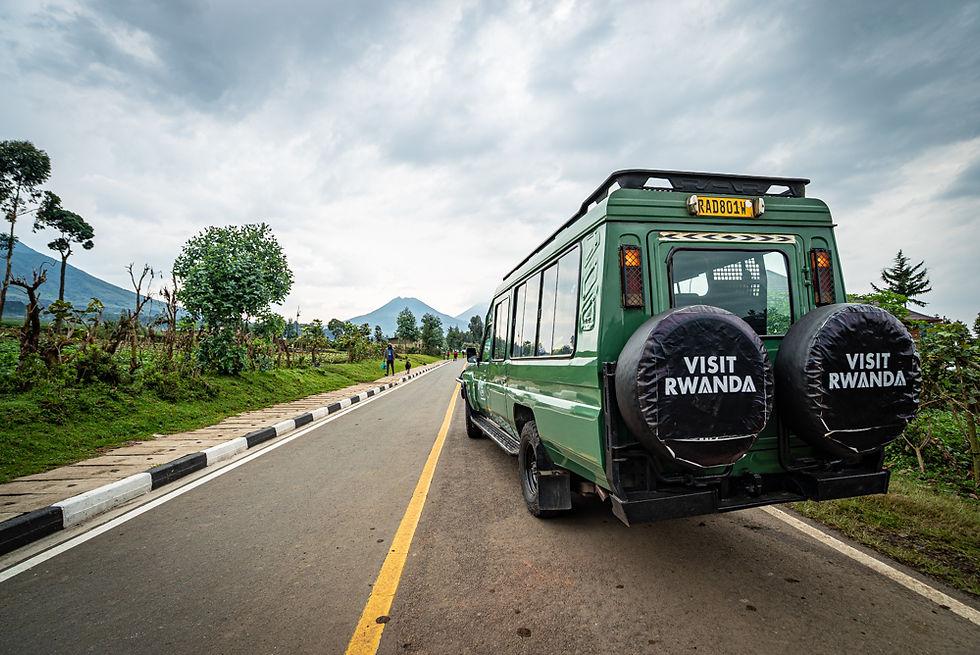
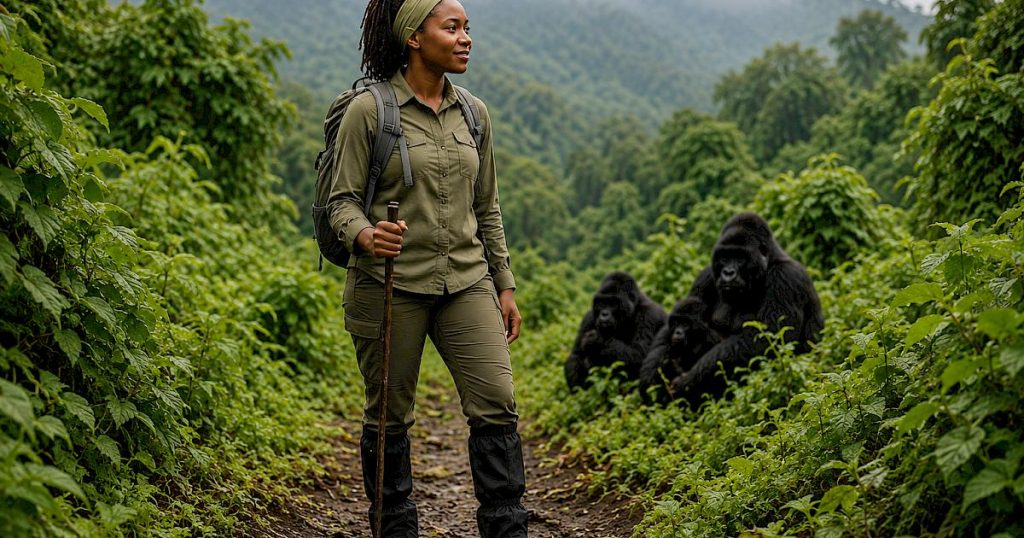
Gorilla trekking in Rwanda is an extraordinary experience. It allows visitors to explore the beautiful forests of Volcanoes National Park and observe endangered mountain gorillas in their natural habitat. However, the adventure also involves physical challenges that travellers should consider before making a booking.
For visitors with limited mobility, planning requires extra attention. You may use a wheelchair, walking stick, crutches or another mobility aid. Perhaps you experience knee pain, have difficulty maintaining balance or cannot walk for long periods. You may also need regular breaks or assistance when moving across uneven ground.
These needs should never be an afterthought. Discussing them before booking gives your tour operator time to investigate suitable arrangements and communicate with the relevant park authorities.
Importantly, limited mobility does not automatically mean that a gorilla trek is impossible. Some visitors with mobility challenges may be able to participate with appropriate support. However, the available options depend on the person’s abilities, the terrain and the arrangements approved for the trek.
At Safari O’clock, we believe that every traveller deserves honest information before making important travel decisions. This guide explains how to communicate your mobility requirements, what questions to ask and how to prepare for a more comfortable gorilla tracking experience.
Why Discussing Mobility Needs Before Booking Matters
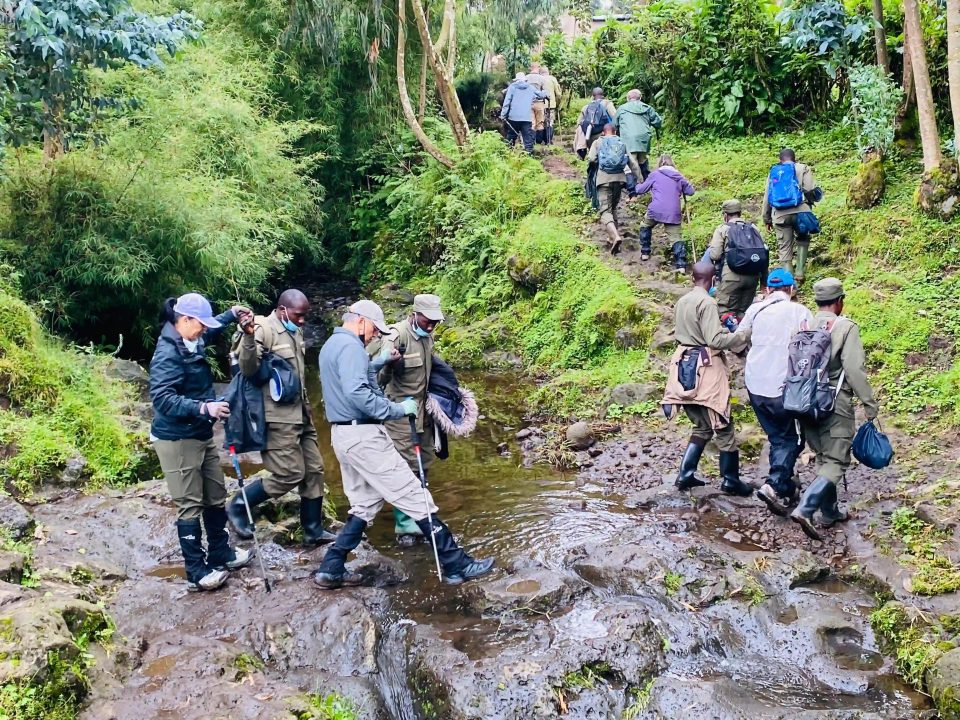
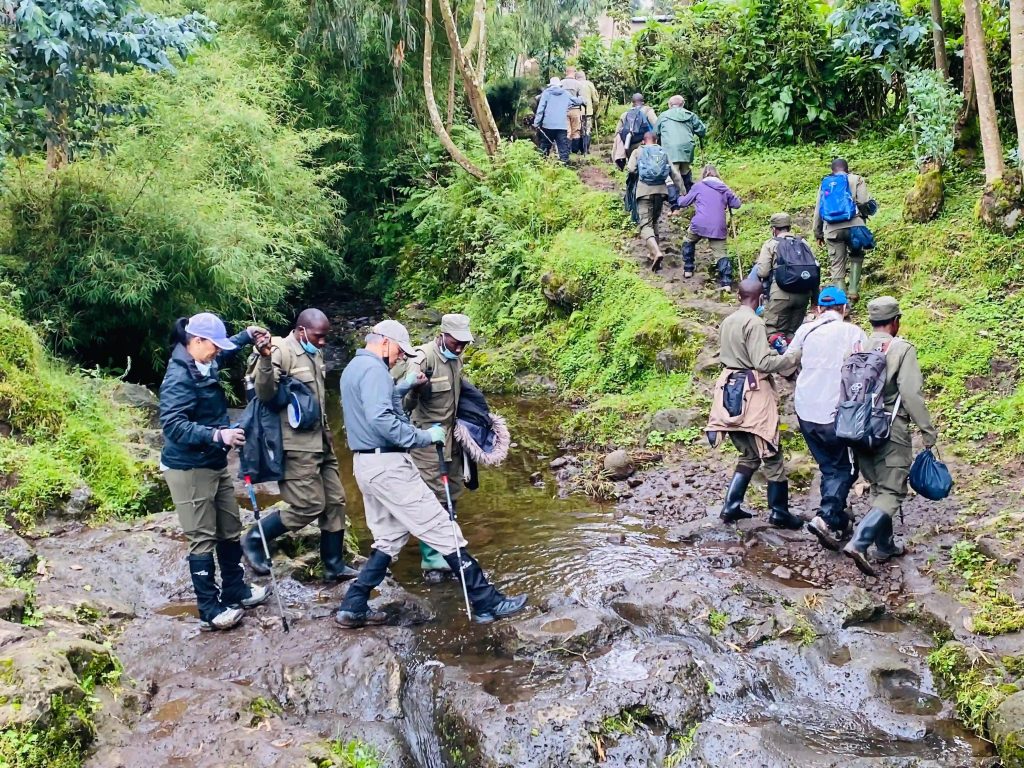
Gorilla tracking takes place in mountainous forest environments. Unlike ordinary walking trails, these routes may contain steep slopes, muddy ground, tree roots, thick vegetation and slippery sections.
The physical demands can change depending on the location of the gorilla family. Some groups may be closer to the starting point, while others may require longer walks through challenging terrain.
Furthermore, the altitude in Volcanoes National Park can make physical activity more demanding. Travellers may experience faster breathing and fatigue, particularly when walking uphill.
For someone with limited mobility, these conditions require careful consideration. A person who comfortably walks on flat ground may struggle with steep descents or uneven forest paths.
Discussing your requirements early helps your tour operator understand these differences. It also allows enough time to investigate porter assistance, specialised carrying equipment, accommodation and transport.
Most importantly, early communication reduces the risk of arriving in Rwanda only to discover that the planned arrangements cannot meet your needs.
1. Explain Your Mobility Needs Before Booking
The first step is to communicate openly with your tour operator. Do not wait until you arrive at the park to mention that you need assistance.
When making your initial enquiry, describe your mobility situation clearly. Explain what you can manage independently and where you usually need support.
For example, you may be able to walk for 30 minutes on flat ground but struggle with steep slopes. Another traveller may use crutches but manage short distances without assistance.
These differences matter because mobility needs are not the same for everyone.
Instead of simply saying that you have limited mobility, provide practical details. Explain whether you experience difficulty standing, climbing, bending, maintaining balance or walking for extended periods.
Safari O’clock encourages travellers to share this information during the early planning stages. Specific details help the team investigate realistic options rather than make assumptions about your physical abilities.
2. Describe the Type of Terrain You Can Manage
Walking ability involves more than the distance you can cover. The type of surface also makes a significant difference.
For example, walking along a smooth hotel pathway is very different from moving through a muddy mountain forest.
If you have mobility concerns, explain which surfaces you can manage comfortably. Mention whether you struggle with loose stones, slippery ground, tree roots or uneven steps.
You should also describe your ability to climb and descend.
Some travellers find uphill walking difficult because of limited leg strength. Others experience more discomfort when descending because of pressure on their knees or hips.
Balance is another important consideration. If you have difficulty standing on unstable ground, explain this before booking.
These details allow your operator to understand the practical challenges you may encounter during the trek.
3. Discuss Mobility Needs When Using a Wheelchair or Walking Aid
Travellers who use mobility equipment should communicate their requirements as early as possible.
Volcanoes National Park is not a conventional wheelchair-friendly hiking destination. Its forest environment contains narrow paths, steep slopes and natural obstacles. Therefore, an ordinary wheelchair may not be suitable for the trekking route.
However, specialised assistance may be possible for some visitors.
In Rwanda, certain trekking arrangements have used specially designed carrying chairs, often called sedan chairs. These allow a team of porters to transport a visitor through difficult sections of the forest.
The arrangement requires advance planning. It may also involve additional equipment and porter costs.
Availability should never be assumed. Ask Safari O’clock to investigate the current arrangements with the relevant authorities and confirm whether the equipment is suitable for your needs and the proposed route.
If you use a walking stick, crutches or a walking frame, explain how you use them. Also, ask whether you can safely use your equipment on muddy or steep ground.
Remember that the final trekking route depends on the gorillas’ location and the conditions in the forest. No equipment can guarantee that every section will be accessible.
4. Explain Any Physical Limitations That Could Affect the Trek
Some mobility challenges involve more than walking distance. Pain, reduced joint movement, muscle weakness and limited stamina can also influence the experience.
For example, a traveller with knee discomfort may manage a short walk but struggle with repeated climbing. Someone with back problems may find carrying a backpack uncomfortable.
Other visitors may experience fatigue after standing for extended periods. Some may need frequent opportunities to sit and rest.
Explain these limitations during your booking discussion.
You do not need to share unnecessary private medical information with everyone involved in your trip. However, provide enough relevant information to allow your tour operator to plan appropriately.
If you have a medical condition that could affect your ability to undertake strenuous activity or travel at high altitude, consult your healthcare professional before booking.
A medical professional can help assess your fitness for the trek and advise whether additional precautions are necessary.
5. Ask Whether Porter Assistance Is Available
Porters provide valuable support during gorilla tracking. They can carry daypacks and help visitors navigate difficult sections of the forest.
For travellers with mild mobility challenges, hiring a porter may make the journey more manageable.
However, it is important to understand the type of assistance you need. A porter carrying your backpack does not automatically provide physical support or guarantee safe movement across difficult terrain.
If you require someone to assist with walking, explain this specifically.
Ask your tour operator whether the porter service can accommodate your requirements and whether additional arrangements need approval.
For visitors who cannot walk the trail, ask about specialised carrying equipment and the porter team needed to operate it.
Porter availability, service arrangements and costs should be confirmed before travel.
Hiring local porters also supports communities surrounding the national park. Their work creates valuable tourism-related income and provides practical assistance to visitors.
6. Discuss Your Mobility Needs With the Park Authorities in Advance
Your tour operator plays an important role in communicating with the relevant park authorities.
Although the operator can help organise your safari, the final trekking arrangements must take account of park procedures, available resources and the location of the gorilla family.
For this reason, do not rely on a general promise that everything will be arranged.
Ask your operator to confirm whether your specific requirements have been communicated to the relevant authorities. Find out what support is available and whether any special arrangements require advance approval.
You should also ask whether your needs can be considered when assigning a trekking group.
Park staff may be able to consider a less demanding tracking option where circumstances allow. However, they cannot guarantee a particular gorilla family’s location because gorillas move naturally through the forest.
The best approach is to remain flexible and understand the limitations before paying for your permit.
7. Ask About Accommodation Accessibility
Your mobility arrangements should not end with the gorilla tracking activity. Accommodation also plays an important role in the overall travel experience.
Some lodges around Volcanoes National Park are built on hillsides. Their designs may include stairs, sloping pathways and uneven outdoor surfaces.
These features can create difficulties for visitors who use wheelchairs or struggle with walking.
Before confirming accommodation, explain your requirements to your tour operator.
Ask whether the property offers step-free access, suitable bedroom arrangements and bathrooms that meet your needs.
You should also ask about the distance between the reception area, restaurant and guest rooms.
If you use a wheelchair, request specific information about door widths, bathroom access and shower facilities. Do not assume that a property described as accessible will meet your individual requirements.
Where possible, request photographs or a detailed description of the facilities before making payment.
Safari O’clock can help investigate accommodation options that better match your mobility needs and travel preferences.
8. Check Transport Arrangements Before Confirming Your Safari
Transport is another important part of accessible travel planning.
Travellers with limited mobility may need additional assistance when entering or leaving a vehicle. Others may require more legroom, suitable seating or enough space to carry mobility equipment.
When discussing your safari, explain the type of vehicle and assistance you require.
Ask whether the vehicle can accommodate your wheelchair, walking aids or other equipment. Also, establish whether the driver can provide reasonable assistance when boarding and leaving the vehicle.
In Rwanda, reaching the gorilla tracking starting points may involve travelling along rough local roads. Some forest entry points are also a considerable drive from the park headquarters.
Consequently, vehicle suitability matters throughout the journey, not just during the drive from your hotel.
Safari O’clock encourages travellers to confirm these details before departure. A suitable vehicle and well-planned transfers can reduce unnecessary physical strain.
9. Discuss the Duration of the Trek and Opportunities to Rest
One common concern among travellers with mobility limitations is the amount of walking involved.
Gorilla tracking does not have one fixed duration. Some visitors may reach the gorillas relatively quickly, while others spend several hours walking through the forest.
The location of the gorilla family, the terrain and weather conditions all influence the experience.
When discussing your booking, ask about the expected physical demands and whether the tracking team can accommodate rest breaks where appropriate.
You should also ask what happens if you become exhausted during the trek.
Although guides can provide direction and assistance, they cannot guarantee that every section will have a convenient resting place. The forest is a natural environment, not a developed hiking facility.
Therefore, make sure your physical ability and the available support are compatible with the demands of the activity.
Do not book based only on an estimated walking duration. Consider the steepness of the route, the surface conditions and the possibility of changing circumstances.
10. Understand the Costs of Additional Mobility Support
Accessible travel arrangements may involve additional expenses.
For example, a specialised carrying chair may require a team of porters. Private transport, accommodation adjustments and additional assistance may also affect your safari budget.
Before confirming your booking, request a clear breakdown of the expected costs.
Ask whether porter services are included in your package or charged separately. If specialised equipment is necessary, confirm its availability, price and payment arrangements.
Also, establish whether additional support requires a deposit or advance payment.
Do not rely on outdated prices shared in old travel articles. Costs and service arrangements can change, so request current quotations for your specific travel dates.
Safari O’clock encourages transparent communication about these expenses. Knowing the likely costs in advance helps you plan without unexpected financial pressure.
11. Review Your Travel Insurance and Medical Preparation
Travel insurance is especially important when planning an adventure that involves physical activity.
Before travelling, check whether your policy covers your personal circumstances and planned activities.
If you use a wheelchair or other mobility equipment, ask whether the policy covers loss, damage or replacement during travel.
You should also understand the medical assistance and emergency evacuation provisions. These details matter when visiting remote mountain environments.
If you have a medical condition that affects your mobility, discuss the trek with your healthcare professional.
Ask whether you need any additional precautions when exercising at high altitude. Your doctor can also advise whether your current mobility aids are suitable for the expected terrain.
Keep essential medication accessible and carry relevant emergency contact information.
Good preparation helps you manage potential challenges and travel with greater confidence.
12. What to Include in Your Message to Safari O’clock
Sometimes travellers know they need assistance but struggle to explain their requirements clearly.
A simple, detailed message can make the booking discussion easier.
When contacting Safari O’clock, consider sharing the following information:
Your mobility situation: Explain whether you walk independently, use a walking stick, require a wheelchair or need another form of support.
Your walking ability: Describe approximately how long you can walk comfortably and whether you need regular breaks.
Terrain challenges: Mention whether you struggle with stairs, slopes, slippery surfaces or uneven ground.
Equipment requirements: Identify any mobility aids you intend to bring and explain whether you need help transporting them.
Medical considerations: Share relevant information that could affect your participation, particularly where professional medical advice or additional support is needed.
Assistance preferences: Explain whether you need a porter, physical support, specialised carrying equipment or help with vehicle transfers.
Accommodation requirements: Mention any needs involving step-free access, bathroom facilities or room arrangements.
Providing these details allows the travel team to ask more useful questions and investigate appropriate arrangements.
Important Questions to Ask Before Paying for Your Gorilla Trek
Before making your final booking, ensure that you understand the practical arrangements.
Here are some useful questions to discuss with your tour operator:
- Can my mobility requirements be accommodated during gorilla tracking?
- Is specialised carrying equipment available if I cannot walk the trail?
- How many porters or assistants would I need?
- Can the park authorities consider my mobility needs when assigning a trekking group?
- What happens if the gorilla family is located on a particularly steep route?
- Are there suitable rest opportunities during the trek?
- Can my accommodation meet my accessibility requirements?
- Is the safari vehicle suitable for my mobility equipment?
- What additional expenses should I budget for?
- What happens if the arrangements cannot be provided on the tracking day?
Request clear answers before making non-refundable payments. If any service remains unconfirmed, ask the operator to explain the alternatives and possible consequences.
What If Gorilla Trekking Is Not Suitable for Your Mobility Needs?
It is important to recognise that additional assistance cannot overcome every physical or environmental limitation.
Some forest routes may be too steep or difficult for certain visitors. Others may involve conditions that make a particular mobility arrangement unsafe.
If your requirements cannot be accommodated, do not feel pressured to continue with the booking.
Instead, discuss alternative wildlife and nature experiences with Safari O’clock.
Rwanda offers several rewarding activities that may involve less walking. These include selected wildlife viewing experiences, scenic drives, boat trips and cultural visits.
For travellers interested in Uganda, some vehicle-based wildlife safaris and selected boat excursions may also provide suitable alternatives, depending on individual accessibility requirements.
The aim is not simply to complete a particular activity. It is to enjoy a meaningful holiday that respects your comfort, independence and safety.
How Safari O’clock Helps Travellers With Mobility Requirements
At Safari O’clock, we understand that travellers have different physical abilities and comfort requirements.
Our role is to help you understand the practical demands of your planned adventure and investigate arrangements that may support your participation.
We encourage guests to communicate their mobility needs before booking. This gives us an opportunity to discuss transport, accommodation, porter assistance and any specialised arrangements that may be required.
We also believe in providing realistic information. Gorilla tracking takes place in a natural mountain environment, so no company can guarantee that every route will be accessible to every visitor.
Where additional assistance is necessary, the relevant arrangements must be investigated and confirmed with the appropriate authorities.
By discussing your requirements early, we can help you make informed decisions and avoid unnecessary uncertainty.
Final Thoughts: Make Your Mobility Needs Part of Your Travel Planning
Planning a gorilla tracking adventure should involve more than choosing a travel date and purchasing a permit. For travellers with limited mobility, it is equally important to understand the physical demands and discuss available support.
Start by explaining your walking ability, identifying the surfaces you find difficult and describing any equipment or assistance you need.
Next, ask about porter services, specialised carrying equipment, accommodation accessibility and suitable transport. Confirm the arrangements before making final payments.
Most importantly, be honest about your physical needs. There is no reason to feel embarrassed about asking questions or requesting assistance.
At Safari O’clock, we believe that informed travellers make better travel decisions. Our team is ready to help you explore your options, understand the requirements and plan a safari that considers your individual needs.
Contact Safari O’clock before booking your gorilla trek. Let’s discuss your mobility requirements and explore the most suitable way to experience Rwanda’s remarkable mountain gorillas.