- DIRECT CONTACTS:
- +256394517569
- tours@safarioclock.africa
Best Time of the Year for Gorilla Tracking in Rwanda: What to Consider

Luxury vs Mid-Range Rwanda Gorilla Tracking: What Changes?
November 8, 2026
How to Check Visa Requirements Before Travelling to Rwanda
November 9, 2026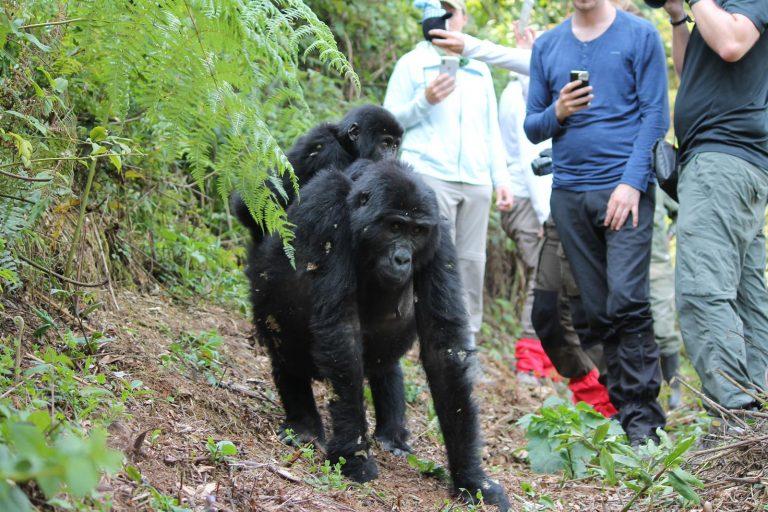
Planning a gorilla tracking adventure in Rwanda requires more than choosing a destination. Travellers also need to consider the best time to visit, weather conditions, accommodation availability and the overall experience they want. Although mountain gorilla tracking takes place throughout the year, some months offer more comfortable conditions than others.
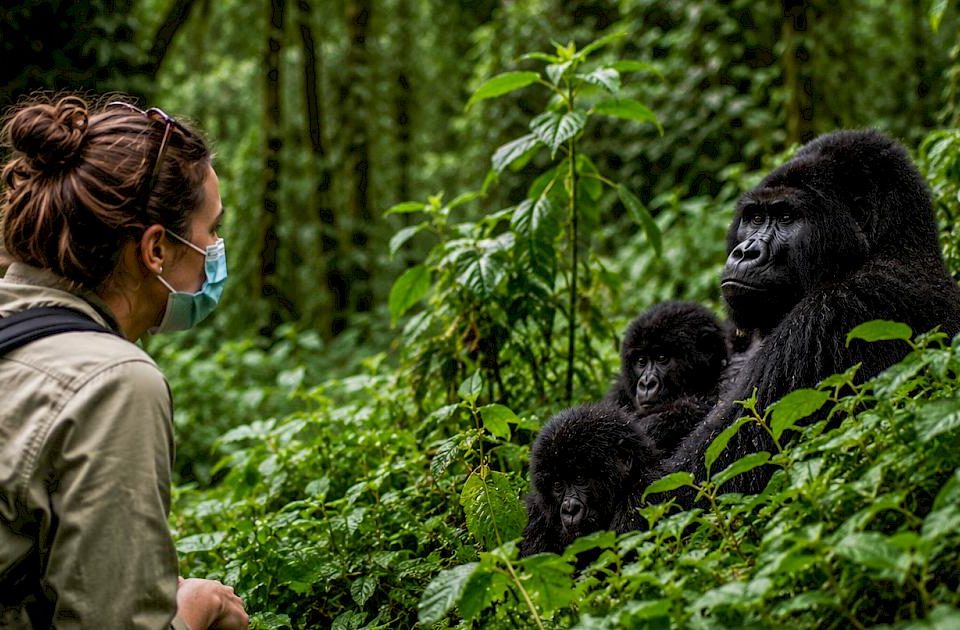
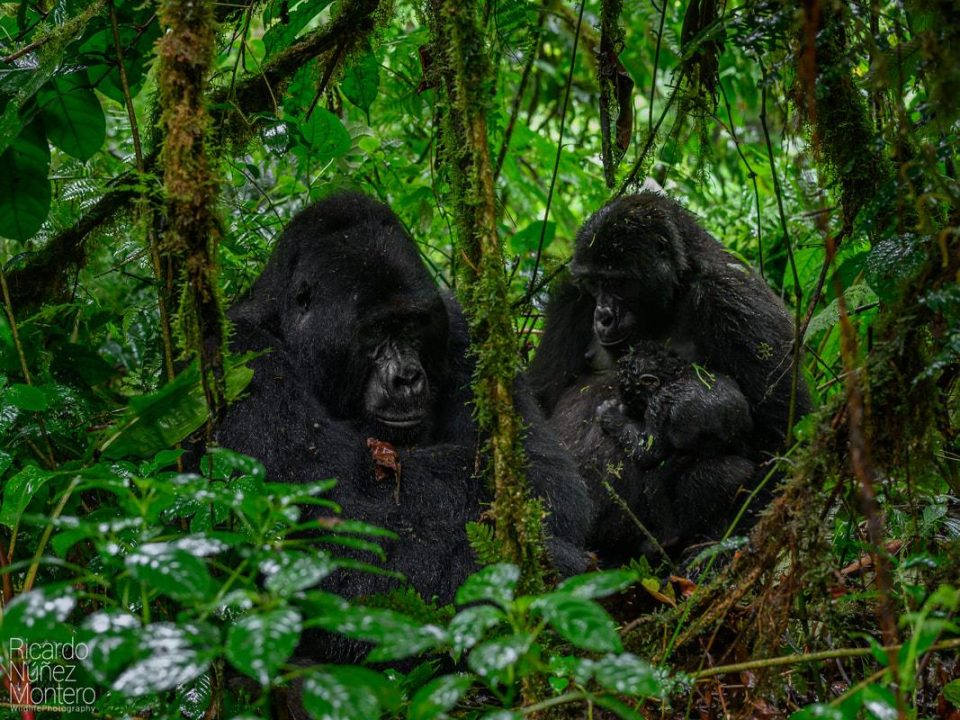
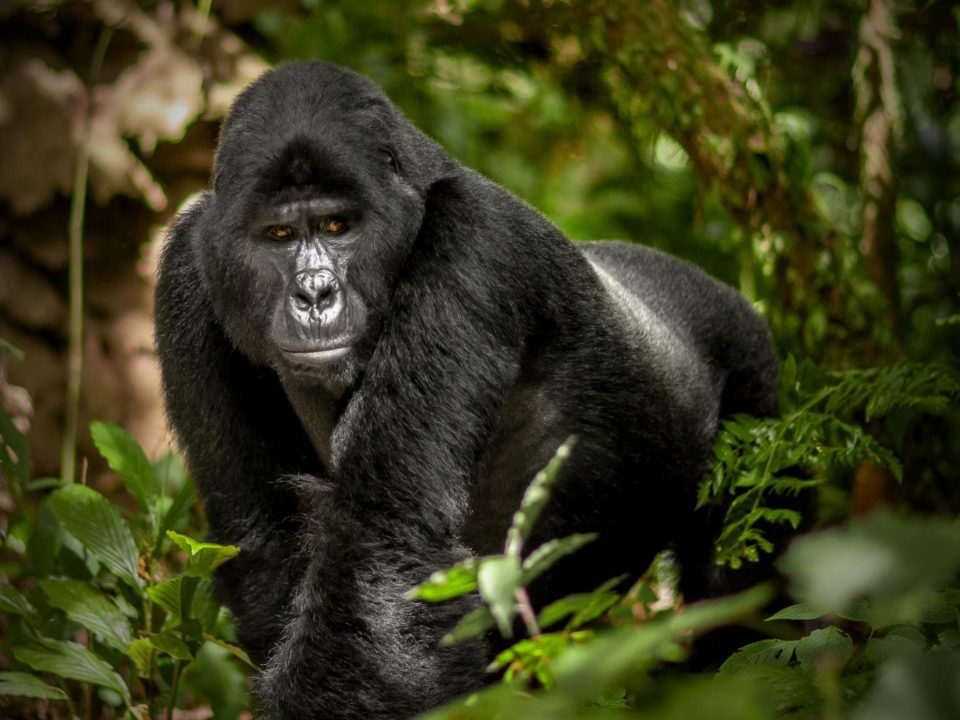
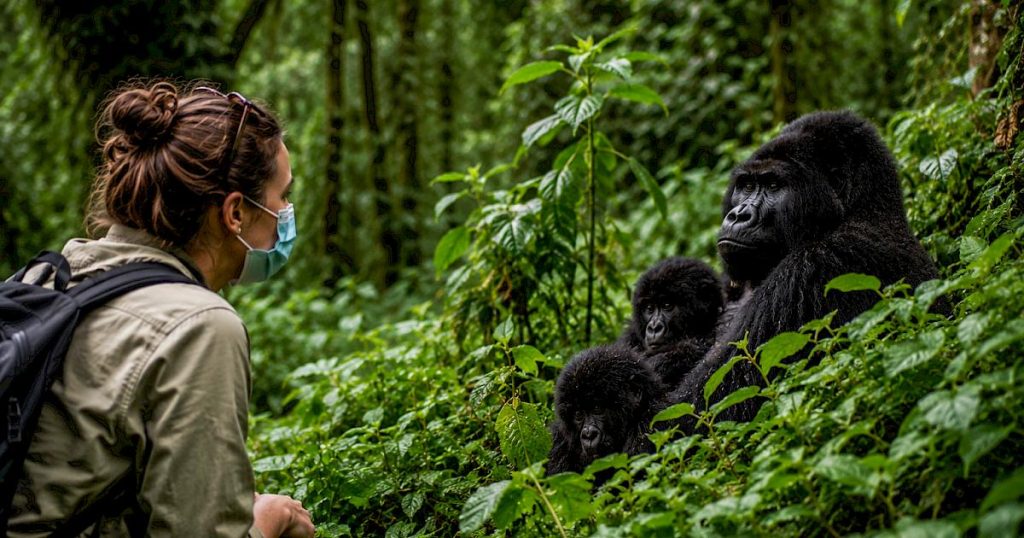
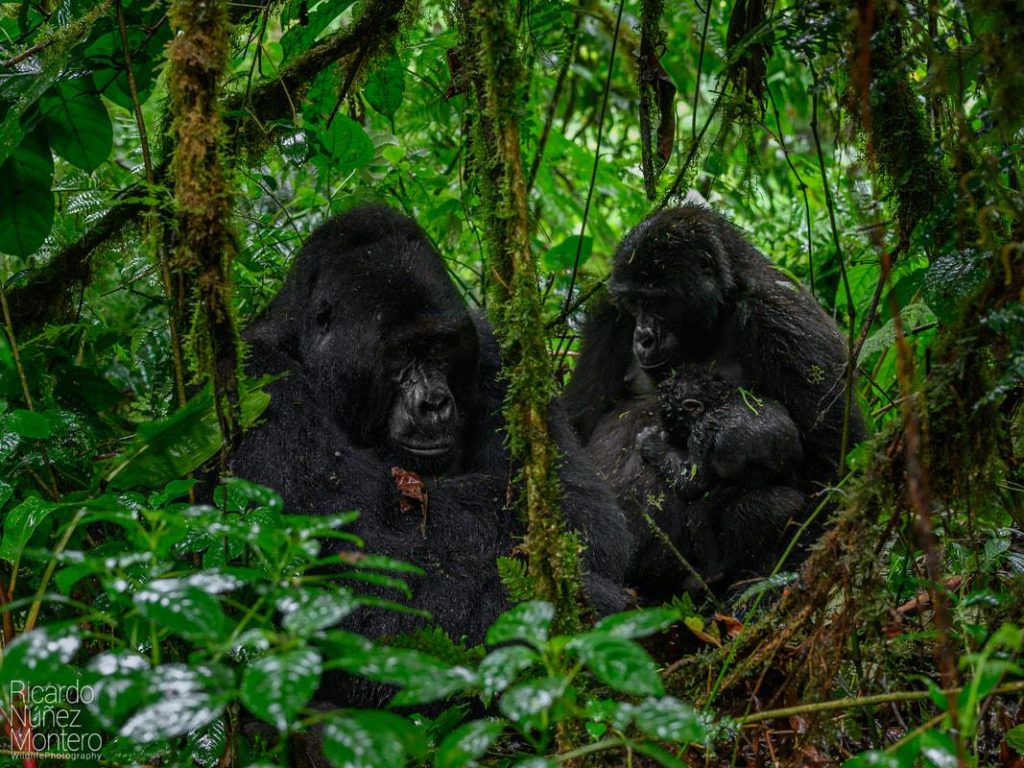
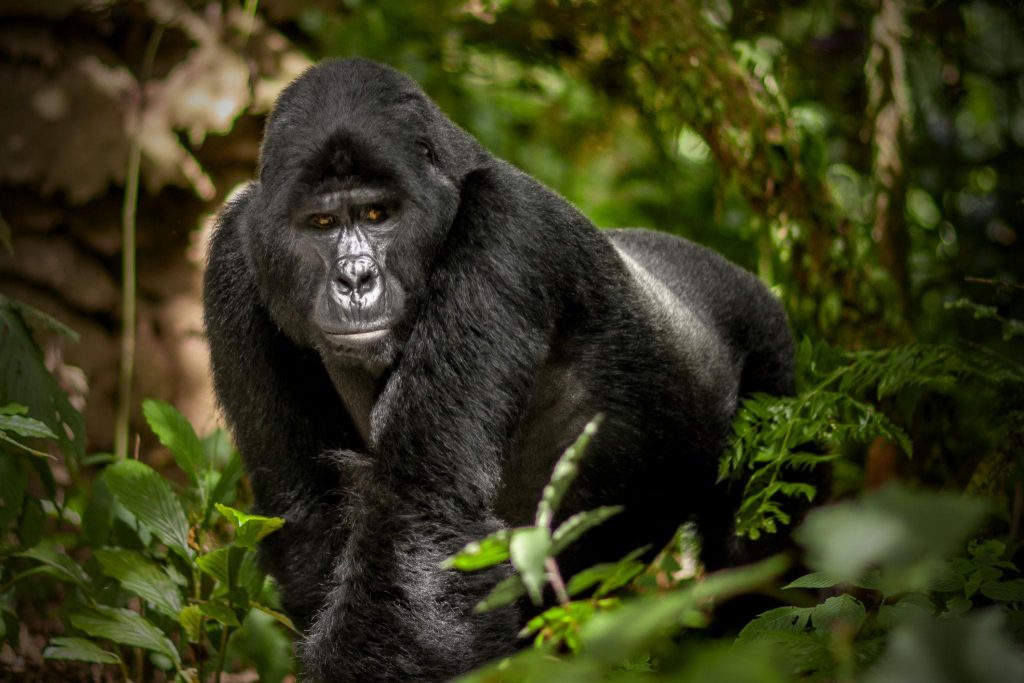
Rwanda is home to the endangered mountain gorillas found in Volcanoes National Park. This remarkable park lies in the north-western part of the country, within the beautiful Virunga Mountains. Its green forests, volcanic slopes and rich biodiversity attract visitors from across the world. However, the mountainous landscape also creates changing weather conditions. Therefore, choosing the right travel period can make a difference to your experience.
For many travellers, the dry months provide the most favourable conditions. The forest trails are generally less muddy, and walking through the mountainous terrain can be more comfortable. Nevertheless, the rainy months also have their attractions. With proper preparation, visitors can enjoy gorilla tracking in every season.
Safari O’clock helps travellers understand these seasonal differences before arranging their Rwanda gorilla safari. Here is what to consider when choosing the best time for your adventure.
Understanding the Best Time for Rwanda Gorilla Tracking
Rwanda experiences two main dry periods and two rainy periods. These seasonal changes influence the condition of forest trails, travel arrangements and the general trekking experience.
The longer dry season usually runs from June to September. During this period, rainfall is generally lower, and forest paths tend to be easier to navigate. As a result, many international visitors prefer these months for gorilla tracking.
The shorter dry season usually occurs from December to February. These months also provide favourable opportunities for outdoor activities. January and February are particularly attractive for travellers who want to avoid the busiest parts of the main mid-year travel season.
However, Rwanda’s weather does not follow a perfectly fixed pattern. Rain can fall even during the dry months because Volcanoes National Park lies in a mountainous region. Therefore, visitors should always prepare for changing conditions.
Rwanda Gorilla Tracking During the Long Dry Season: June to September
June, July, August and September are among the most popular months for gorilla tracking in Rwanda. During this period, the park generally receives less rainfall than during the main wet seasons. Consequently, visitors often experience more manageable hiking conditions.
The forest trails can become slippery after heavy rain. However, the drier months usually reduce this challenge. Travellers may find it easier to walk along the mountain paths, cross muddy sections and navigate steep slopes.
Why June and July Are Good Months for Gorilla Tracking
June and July are excellent months for travellers who prefer relatively dry conditions. Rainfall is usually lower, and the forest paths tend to be firmer. This makes the hiking experience more comfortable for many visitors.
These months also attract travellers planning holidays during the northern hemisphere summer. Therefore, demand for gorilla permits and quality accommodation can be high. Visitors should arrange their permits and accommodation early to secure their preferred travel dates.
July is also an interesting month for travellers who want to combine gorilla tracking with Rwanda’s conservation experiences. The annual Kwita Izina gorilla naming ceremony usually takes place around this period, although the exact date changes each year. It celebrates Rwanda’s commitment to mountain gorilla conservation and community involvement.
What to Expect in August and September
August remains a popular month for gorilla tracking. It falls within the longer dry season, although occasional rainfall is still possible. Travellers can enjoy the green forest environment while benefiting from generally more manageable trail conditions.
September marks the transition towards the wetter part of the year. Conditions can vary, so visitors should not assume that every day will remain dry. Even so, it remains a suitable month for a Rwanda gorilla safari.
Safari O’clock recommends these months to travellers who prioritise relatively dry hiking conditions. However, early booking remains important, especially for visitors with fixed travel dates.
Rwanda Gorilla Tracking During the Short Dry Season: December to February
The shorter dry season provides another excellent opportunity to visit Volcanoes National Park. December, January and February generally offer more favourable conditions than the main rainy months.
These months are particularly useful for travellers who cannot visit Rwanda during the middle of the year. They also provide an opportunity to combine gorilla tracking with other activities around the country.
Why January and February Are Worth Considering
January and February are attractive months for visitors who prefer a quieter alternative to the busy mid-year travel period. The weather is often more favourable for hiking than during the wetter months, although rainfall can still occur.
Travellers can also explore Musanze, visit the Twin Lakes of Burera and Ruhondo, or enjoy cultural experiences around Volcanoes National Park. These activities make it easier to create a wider Rwanda itinerary rather than focusing on gorilla tracking alone.
For couples, families with eligible teenagers and solo travellers, this period can offer a convenient opportunity to plan a memorable holiday. However, the best dates will depend on permit availability, accommodation preferences and individual schedules.
Is December a Good Month for Gorilla Tracking?
December can be a good month for gorilla tracking, particularly during the later part of the month. It falls around the transition from the shorter rainy period towards the shorter dry season.
However, rainfall patterns can vary from year to year. Visitors travelling in December should prepare for both sunshine and rain. Waterproof clothing and suitable hiking shoes remain essential.
December is also a popular holiday month. International travellers often plan end-of-year holidays during this period. Therefore, booking permits and accommodation early can help avoid last-minute challenges.
Rwanda Gorilla Tracking During the Rainy Season: March to May
The long rainy season generally occurs from March to May. During these months, Volcanoes National Park receives more rainfall, and forest trails can become muddy and slippery.
This can make hiking more demanding, especially on steep sections of the mountain. Wet vegetation may also brush against visitors as they move through the forest. For this reason, travellers should prepare carefully when choosing these months.
Nevertheless, the rainy season does not mean that gorilla tracking stops. Volcanoes National Park welcomes visitors throughout the year. With appropriate clothing, good footwear and guidance from experienced park staff, travellers can still enjoy this remarkable activity.
What Makes March and April Different?
March and April are generally among the wetter months in Rwanda’s mountain region. Heavy rainfall can affect trail conditions and make some sections more difficult to navigate.
Visitors should expect muddy ground, wet vegetation and changing weather. A waterproof jacket, gaiters and sturdy hiking boots can make the experience more manageable.
However, the rainy season also brings beautiful scenery. The forest becomes lush, and the surrounding volcanic landscape looks especially green. Travellers who enjoy nature photography may appreciate these conditions.
What to Consider When Travelling in May
May marks the later part of the long rainy season. Rainfall may begin to reduce towards the end of the month, although conditions remain unpredictable.
Travellers with flexible schedules may consider late May as a possible alternative to the wetter months. However, they should not rely on a particular week being dry.
Safari O’clock encourages visitors to consider their comfort, hiking ability and travel expectations before selecting rainy-season dates. The right preparation can make a significant difference.
Rwanda Gorilla Tracking in October and November
October and November generally form part of Rwanda’s shorter rainy season. During this period, rainfall increases again after the longer dry season.
The forest can become wetter, and some trails may require extra care. Nevertheless, these months remain suitable for gorilla tracking. Visitors should simply prepare for the possibility of rain throughout their adventure.
One advantage of travelling during this period is that some travellers may find more flexibility when arranging their wider holiday. However, permit availability and accommodation prices still depend on demand, so visitors should compare actual offers rather than assume that every rainy-season trip will be cheaper.
October and November can also appeal to visitors who enjoy green landscapes and nature photography. The surrounding mountains and forests often provide beautiful scenery.
Does the Season Affect Gorilla Sightings?
One common question among travellers is whether gorilla tracking is more successful during the dry season. It is important to understand that mountain gorillas live in their natural habitat. Their movements depend on several factors, including food availability, feeding patterns and daily behaviour.
Gorilla tracking is therefore not guaranteed to be easier simply because a visitor travels during a particular month. The park’s trackers monitor gorilla families and help guides locate them. However, the distance and difficulty of each trek can change from day to day.
During the rainy season, thick vegetation and muddy trails may make walking more challenging. In contrast, drier conditions can improve trail accessibility. Yet visitors can encounter mountain gorillas in either season.
The most important point is that gorilla tracking takes place in a wild environment. Travellers should remain flexible and follow the instructions of their guides throughout the experience.
Other Factors to Consider When Choosing Your Travel Month
Weather should not be the only factor guiding your decision. A successful gorilla safari also depends on your budget, available time, accommodation preferences and other activities you want to enjoy.
Gorilla Permit Availability
Every visitor aged 15 years and above must have a valid gorilla tracking permit to participate in the activity in Rwanda. The Rwanda Development Board manages the official booking process.
Permits are issued according to availability. Therefore, travellers should not wait until they arrive in Rwanda to arrange their tracking dates. This is especially important during popular travel periods such as June, July, August and September.
Safari O’clock can help travellers plan their permit arrangements alongside accommodation and transport. This makes it easier to organise the different parts of the safari before departure.
Accommodation Availability and Travel Budget
Accommodation choices can influence the overall cost of your Rwanda gorilla safari. Volcanoes National Park has budget, mid-range and luxury accommodation options. However, availability and rates can change depending on the travel period and individual property.
During popular dry-season months, travellers may face greater demand for certain lodges. Booking early gives visitors more time to compare accommodation options and choose a property that suits their budget.
Travelling during a quieter period may provide different accommodation offers. However, prices are not automatically lower throughout the rainy season. Visitors should request current quotations before making their decisions.
Your Fitness and Hiking Comfort
Gorilla tracking involves walking through a mountainous forest environment. Some treks take a relatively short time, while others require several hours of hiking.
The terrain can include steep slopes, muddy paths, thick vegetation and uneven ground. Therefore, visitors should consider their physical comfort when choosing their travel dates.
Drier conditions may make some trails easier to navigate. However, they do not remove the physical demands of the activity. Travellers should prepare through regular walking, use suitable hiking footwear and consider hiring a porter to assist with their daypack.
Combining Gorilla Tracking With Other Rwanda Activities
Your travel month may also depend on the other experiences you want to include in your itinerary. Rwanda offers more than gorilla tracking.
Visitors can explore the golden monkeys of Volcanoes National Park, discover the beautiful Twin Lakes, visit Musanze Caves or enjoy cultural experiences in nearby communities.
Travellers who want to visit Akagera National Park or Nyungwe National Park should also consider the seasonal conditions in those destinations. Different parks have different landscapes and wildlife experiences. Safari O’clock can help organise an itinerary that brings these activities together.
What Should You Pack for Gorilla Tracking in Rwanda?
Regardless of the month you choose, proper preparation is essential. The weather in Volcanoes National Park can change quickly, and visitors should be ready for both sunshine and rainfall.
Pack sturdy hiking boots with good grip to help you navigate uneven and slippery ground. Long trousers and long-sleeved shirts can protect your skin from scratches and stinging vegetation. A lightweight waterproof jacket is also useful, even during the dry season.
You should also carry drinking water, a small daypack, gardening gloves for holding vegetation and a walking stick if needed. A warm layer is important because mornings and evenings around the park can feel cold.
For photography, bring a suitable camera or smartphone. Remember that camera flash is not permitted when photographing mountain gorillas. Visitors must also follow all park rules, including maintaining the required distance from the animals.
So, What Is the Best Month for Gorilla Tracking in Rwanda?
For travellers who prioritise relatively dry hiking conditions, June, July, August and September are excellent choices. These months fall within the longer dry season and generally offer more manageable forest trails.
January and February are also good alternatives. They fall within the shorter dry season and provide another opportunity to enjoy gorilla tracking under relatively favourable conditions.
However, March, April, May, October and November should not automatically be ruled out. Gorilla tracking remains possible throughout the year. Visitors who travel during wetter months can still enjoy the experience when they prepare for muddy trails and changing weather.
Ultimately, the best month depends on what matters most to you. If comfortable hiking conditions are your priority, consider the dry seasons. If your dates are flexible, compare different months, permit availability and accommodation offers before making a decision.
Plan Your Rwanda Gorilla Tracking Adventure With Safari O’clock
Choosing the right travel period is an important part of planning a successful gorilla safari. However, you also need to organise permits, accommodation, transport and other travel arrangements.
Safari O’clock helps travellers plan memorable Rwanda gorilla tracking experiences. From selecting suitable travel dates to arranging accommodation and ground transport, our team can help bring the different parts of your journey together.
Whether you prefer the dry months or want to explore the quieter rainy season, we can help you plan according to your schedule, budget and travel interests.
Contact Safari O’clock today to start planning your Rwanda gorilla tracking adventure. The mountain gorillas of Volcanoes National Park offer a remarkable wildlife experience, and the right preparation can make your journey even more rewarding.