- DIRECT CONTACTS:
- +256394517569
- tours@safarioclock.africa

Choosing a Lens for Gorilla Tracking in Dense Forest

Camera Settings to Practise Before Your Rwanda Gorilla Trek
November 11, 2026
How to Take Sharp Gorilla Photos in Low Forest Light
November 11, 2026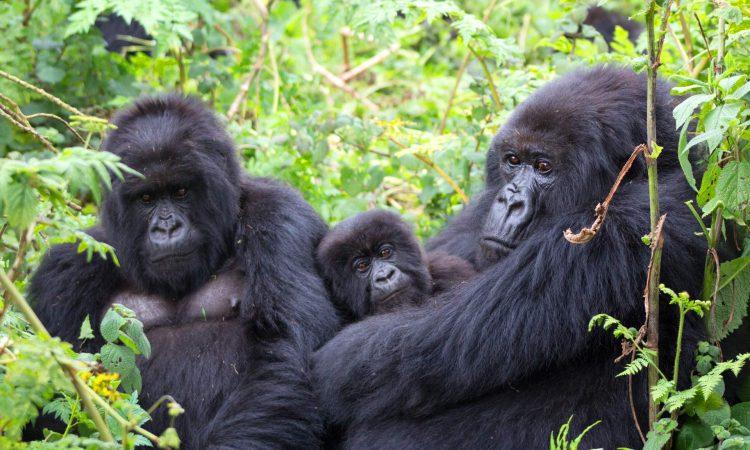
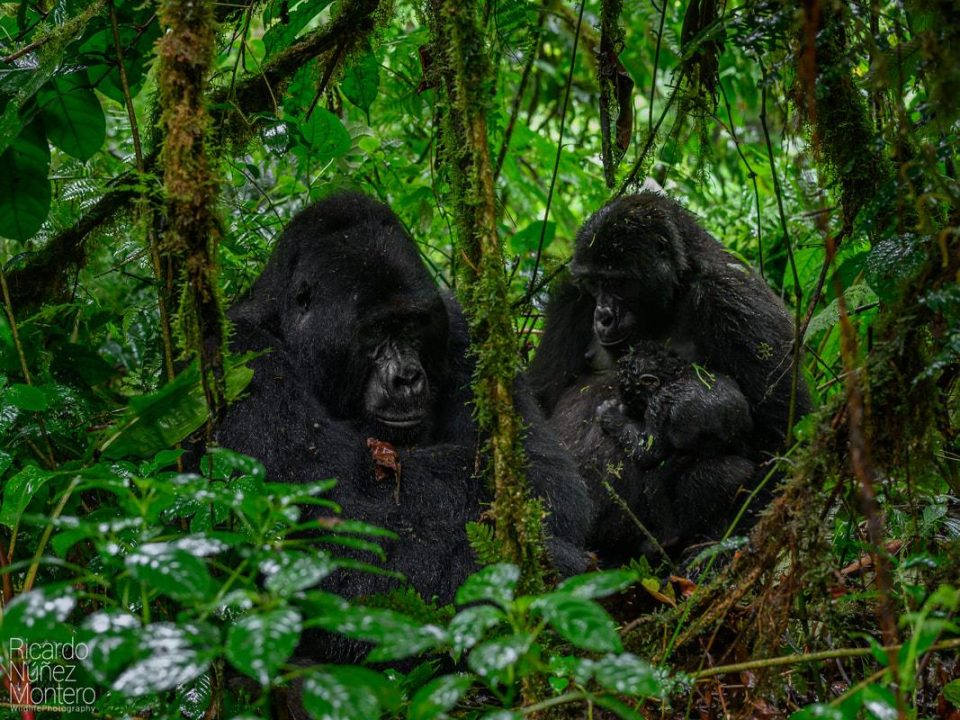
Gorilla tracking in Rwanda and Uganda offers a rare opportunity to observe mountain gorillas in their natural habitat. For many travellers, capturing photographs of this experience is also an important part of the journey. However, photographing gorillas in dense forest presents challenges that require careful preparation. Thick vegetation, limited natural light, changing weather and unpredictable animal movements can all affect the quality of a photograph.
One important decision is choosing the right camera lens. A lens that works well during an open savannah game drive may not perform as expected beneath a thick rainforest canopy. In addition, gorillas can appear at different distances. Sometimes they rest in a relatively open space. At other times, leaves, branches and other vegetation partly hide them.
Therefore, travellers should choose a lens that offers flexibility, handles low light and remains comfortable to carry during a demanding trek. Safari O’clock encourages travellers to understand their photography equipment before setting off. The right preparation can make photography easier while allowing visitors to respect the gorillas and their forest environment.
Why Choosing a Lens for Gorilla Tracking Matters
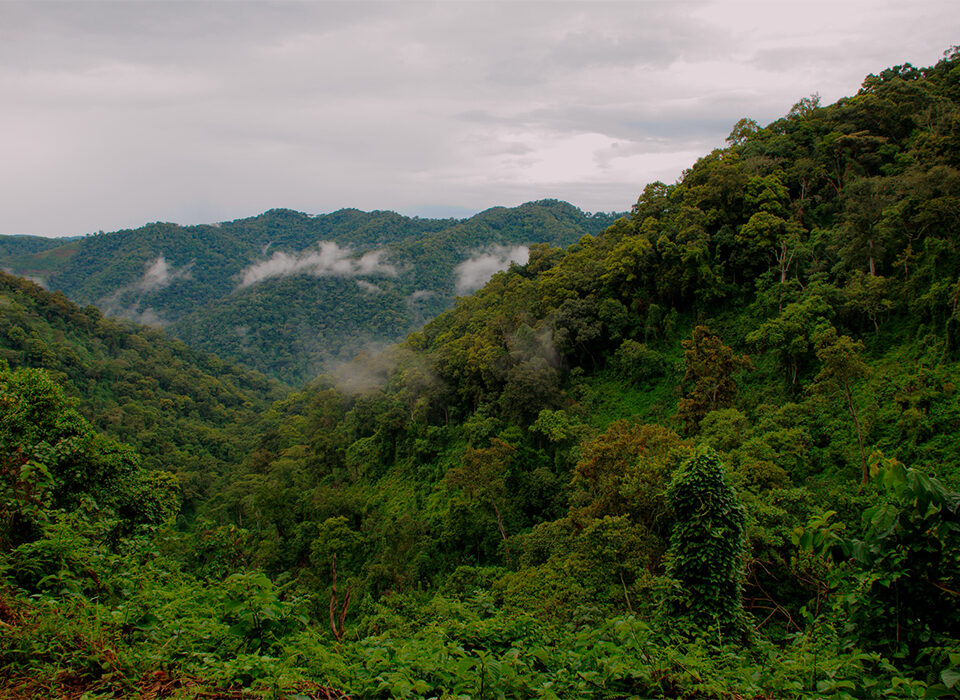
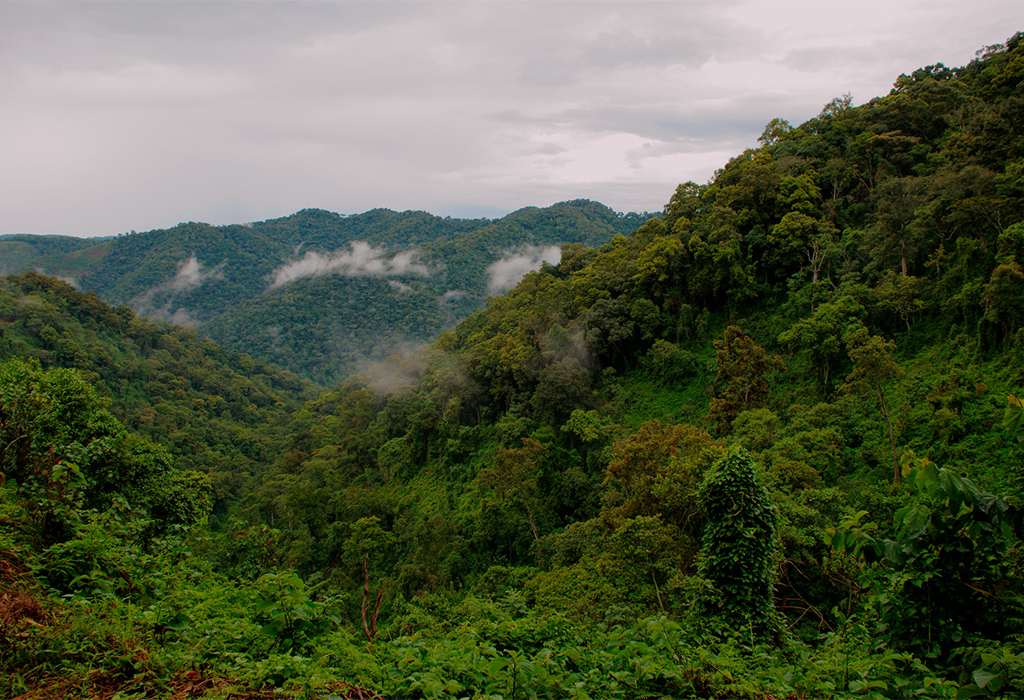
Mountain gorillas live in forest habitats where visibility can change within a short distance. In places such as Bwindi Impenetrable National Park and Volcanoes National Park, thick vegetation often limits how far visitors can see. The forest canopy also blocks much of the natural sunlight.
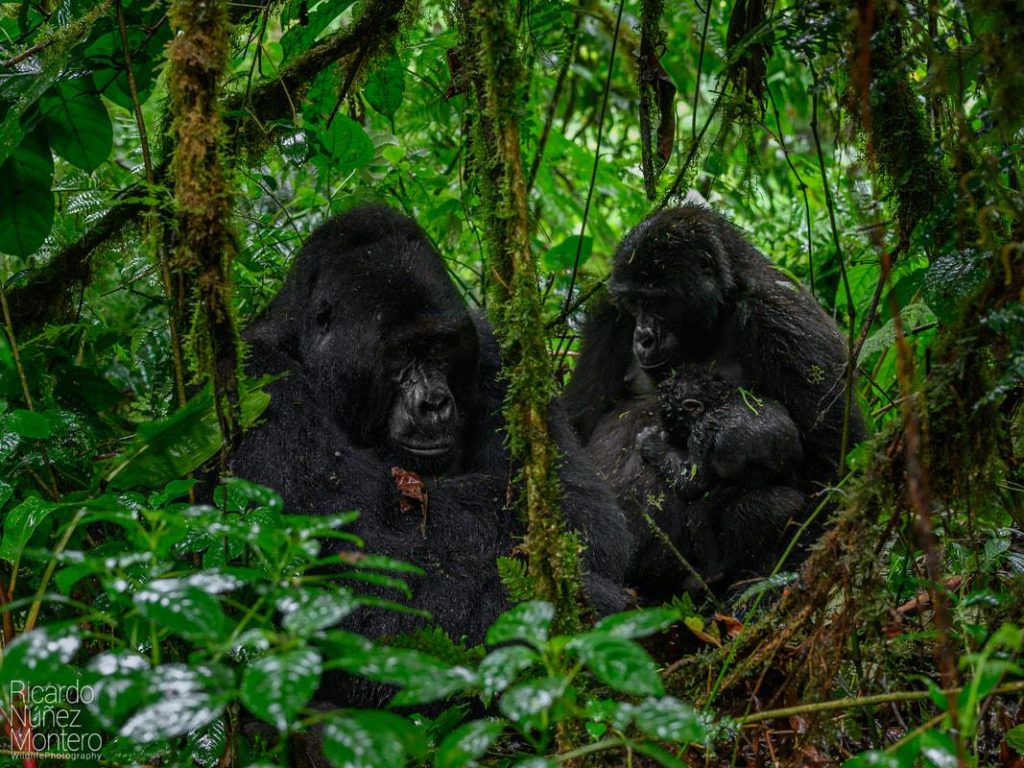
These conditions affect photography in several ways. First, your camera may struggle to capture enough light. Second, branches and leaves can obstruct the subject. Finally, gorillas may move from open areas into thicker vegetation without warning.
A suitable lens helps you respond to these changing conditions. It should allow you to photograph individual gorillas, family groups and wider forest scenes. It should also help you maintain the required viewing distance without trying to move closer for a better photograph.
However, no single lens works perfectly in every situation. Your choice should depend on your camera, photography experience, budget and preferred style. It should also reflect the type of environment you expect to encounter.
Understanding the Best Focal Length for Gorilla Tracking
Focal length determines how much of a scene your camera captures and how large distant subjects appear in your photograph. It is usually measured in millimetres, such as 24mm, 70mm, 200mm or 400mm.
A shorter focal length captures a wider view. This makes it useful when photographing several gorillas or showing an animal within its forest surroundings. A longer focal length gives a narrower view and makes distant subjects appear larger.
During gorilla tracking, both options can be useful. For example, a gorilla sitting close to your group may fill the frame even with a modest zoom. However, a gorilla resting further away behind vegetation may require more reach.
Short focal lengths for wider gorilla scenes
Lenses such as 24–70mm and 24–105mm offer useful flexibility for wider photographs. They allow photographers to capture more of the surrounding environment. This can help when photographing a gorilla family resting together or showing the relationship between the animals and their forest habitat.
A wider lens can also help when a gorilla appears relatively close. Instead of struggling to fit the animal into the frame, you can include more of its body and surroundings.
However, wide-angle lenses are not ideal for every close encounter. Photographers must still respect the required viewing distance. They should never move closer simply because a wider lens makes the gorilla appear smaller in the photograph.
Medium telephoto lenses for flexible framing
A medium telephoto zoom can provide a useful balance between reach and flexibility. The 70–200mm lens is a common example. It allows photographers to capture individual gorilla portraits, facial expressions and some wider compositions.
This range can work particularly well when the gorillas appear at moderate distances. It also gives photographers room to adjust their framing without changing lenses frequently.
Nevertheless, the lens may feel too long when a large gorilla family gathers close to the visitors. In such situations, photographers may need to zoom out or use a second camera with a wider lens.
Longer focal lengths for distant subjects
Longer lenses, such as 100–400mm, can help when animals remain further away. They allow photographers to capture details without approaching the subject.
However, a very long lens is not always the best choice for gorilla tracking. Encounters can happen at relatively close range. A long focal length may make it difficult to photograph an entire gorilla or several animals together.
It can also become challenging to hold a large lens steady in low light. Therefore, travellers should consider their expected shooting conditions rather than choosing the longest lens available.
Choosing a Lens for Gorilla Tracking in Low Light
Low light is one of the main photography challenges in dense forest. Thick branches and leaves reduce the amount of sunlight reaching the forest floor. Even during daylight, some areas can appear surprisingly dark.
A lens with a wide maximum aperture can help overcome this challenge. The aperture controls how much light passes through the lens. Photographers commonly see aperture values written as f/2.8, f/4 or f/5.6.
A smaller f-number represents a wider aperture. For example, an f/2.8 lens can generally collect more light than an f/5.6 lens at the same focal length. This can help the camera use a faster shutter speed and reduce motion blur.
Why an f/2.8 lens can be useful
A 70–200mm f/2.8 lens is a popular option for wildlife photography in challenging light. Its wide aperture makes it useful when photographing animals beneath a thick forest canopy.
It can also help separate a gorilla from a busy background. This creates a softer background while keeping the main subject in focus.