- DIRECT CONTACTS:
- +256394517569
- tours@safarioclock.africa

How Group Size Rules Affect Gorilla Permit Planning

How Families Can Check Gorilla Tracking Age Requirements Before Booking
November 21, 2026
Direct Booking or Tour Operator: Which Gorilla Permit Route Fits You?
November 21, 2026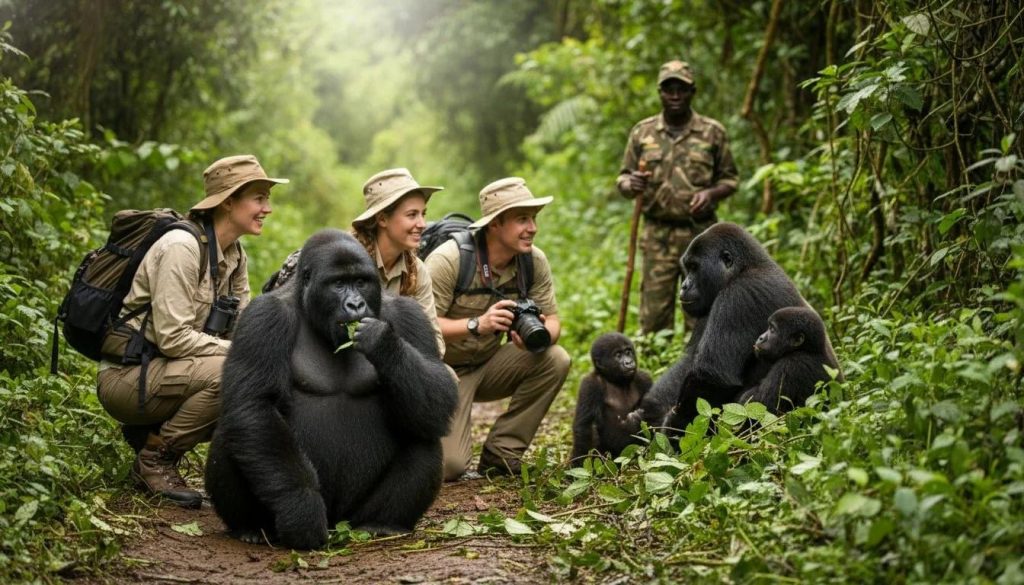
Mountain gorilla trekking is one of Africa’s most remarkable wildlife experiences. It allows visitors to enter natural forest habitats and observe endangered mountain gorillas in the wild. However, unlike ordinary wildlife tours, gorilla trekking operates under strict visitor limits. These rules protect the gorillas while ensuring that tourism remains responsible and sustainable.
One important rule every traveller should understand is the maximum number of visitors allowed to visit a habituated gorilla family each day. In both Uganda and Rwanda, the standard limit is eight visitors per gorilla group per day. This restriction directly affects permit availability, group bookings, travel dates and the overall planning process.
For travellers planning a gorilla safari, understanding group size rules can prevent unnecessary booking challenges. It also helps families, couples, friends and organised tour groups prepare for their journey. Safari O’clock helps travellers understand these requirements before confirming their gorilla trekking arrangements.
Understanding Gorilla Group Size Rules
Gorilla group size rules determine how many tourists can visit a particular habituated gorilla family within a day. The standard limit in Uganda and Rwanda is eight visitors per gorilla family per day. This means that a single gorilla family cannot receive unlimited visitors, even when demand for permits is high.
The rule forms part of responsible gorilla tourism. Mountain gorillas are endangered animals that require careful protection. Although habituated families have become accustomed to the presence of people, they remain wild animals. Too many visitors can create unnecessary noise, movement and disturbance within their natural environment.
Furthermore, limiting the number of visitors helps reduce the risk of disease transmission. Mountain gorillas share many biological similarities with humans. Consequently, they can catch certain respiratory infections and other illnesses from people. Smaller trekking groups help control the number of human contacts around these vulnerable animals.
For this reason, wildlife authorities regulate visitor numbers instead of allowing unrestricted access. Safari O’clock encourages travellers to understand these conservation measures because every gorilla permit contributes to a carefully managed tourism experience.
Why Gorilla Group Size Is Limited to Eight Visitors
The eight-person limit is not simply an administrative requirement. It serves important conservation and visitor management purposes.
1. Protecting Mountain Gorillas From Human Disturbance
Mountain gorillas spend their days feeding, resting, moving through the forest and interacting with other members of their families. Excessive human activity can interfere with these natural behaviours.
A smaller visitor group creates less noise and movement around the animals. It also allows guides to manage the encounter more effectively. Visitors can observe the gorillas without creating unnecessary pressure on the family.
Although habituated gorillas tolerate carefully managed human presence, they still need space and time to behave naturally. Therefore, the group size restriction helps maintain a balance between tourism and wildlife protection.
2. Reducing the Risk of Disease Transmission
Disease prevention is another important reason for limiting gorilla trekking groups. Humans can transmit infections to mountain gorillas, including respiratory illnesses.
When fewer tourists visit a gorilla family, wildlife authorities can manage human exposure more carefully. This is particularly important because an illness spreading among gorillas could affect an entire family.
Visitors must also follow health requirements before entering the forest. Anyone suffering from a cold, flu or another contagious illness should not visit the gorillas. Guides also provide instructions on hygiene, distancing and responsible behaviour.
Safari O’clock advises travellers to take these precautions seriously. Protecting gorillas is a shared responsibility between tourism companies, park authorities and visitors.
3. Maintaining a Better Wildlife Viewing Experience
Group size restrictions also improve the quality of the trekking experience. A smaller group makes it easier to hear the ranger’s instructions, observe gorilla behaviour and take photographs responsibly.
Visitors also have a better opportunity to appreciate the forest environment without competing with a large crowd for space.
Moreover, guides can coordinate the group more effectively. They can explain gorilla behaviour, answer questions and ensure that everyone follows the park regulations.
Therefore, the eight-person limit benefits both wildlife conservation and responsible tourism.
How Gorilla Group Size Affects Permit Availability
One of the biggest effects of group size rules is the limited number of permits available each day.
Every habituated gorilla family has a daily visitor capacity of eight tourists. Therefore, the number of permits available depends partly on how many families the relevant park has opened for tourism.
For example, imagine a destination has ten habituated gorilla families available for visitors on a particular day. If each family receives a maximum of eight tourists, the theoretical daily capacity would be 80 visitors.
This calculation explains why gorilla permits are limited. Even when hundreds of travellers want to trek on the same date, the authorities cannot issue unlimited permits.
The actual number of permits available can change as authorities manage gorilla families, tourism operations and conservation needs. Therefore, travellers should never assume that a particular date will automatically have enough spaces.
Safari O’clock recommends checking permit availability before making final travel arrangements. Early planning gives travellers a better opportunity to secure their preferred trekking dates and locations.
How Group Size Rules Affect Large Travel Groups
Travelling with friends, colleagues or family members can make a gorilla safari more enjoyable. However, large groups must understand how the eight-person restriction affects their bookings.
A group of eight or fewer people can potentially visit the same gorilla family, provided the required permits are available for the selected date and location.
However, groups with more than eight travellers cannot all visit the same habituated gorilla family on the same day.
For example, consider a family holiday involving ten adults. Since the maximum number of visitors per gorilla family is eight, the group cannot all be allocated to one family.
Instead, the wildlife authority or tour operator may arrange permits for two different gorilla families. In this case, eight travellers could visit one family while the remaining two visit another.
This arrangement requires careful coordination. The two groups may follow different forest routes, encounter different gorilla families and finish their treks at different times.
For this reason, Safari O’clock encourages larger travel groups to communicate their numbers early. This allows the company to explore suitable permit arrangements before confirming accommodation, transport and other safari services.
Gorilla Group Size and Family Travel Planning
Families planning gorilla trekking holidays should consider more than the number of people travelling together. They must also ensure that every participant meets the park’s entry requirements.
For instance, gorilla trekking in Uganda and Rwanda has a minimum age requirement of 15 years. This means that families travelling with younger children must consider alternative activities for those who cannot participate.
The eight-person limit also affects families with several adult members. A family of nine or more may need to divide its members between different gorilla families.
Furthermore, travellers should understand that obtaining permits for the same date does not automatically guarantee that everyone will visit the same gorilla family.
Safari O’clock can help families assess their group size, preferred trekking destination and available permit options. This makes it easier to organise a safari that considers everyone’s travel expectations.
Does Gorilla Group Size Affect Solo Travellers and Couples?
Not every gorilla trekking visitor travels with a large group. Some travellers prefer solo adventures, while others visit with a partner or a close friend.
Fortunately, the eight-person rule does not mean that visitors must arrive with a group of eight. Individual travellers can book their own permits and participate in a trekking group with other visitors.
Similarly, couples can secure two permits and may be grouped with other travellers visiting the same gorilla family.
The final allocation depends on permit availability and the arrangements made by the relevant wildlife authority.
For solo travellers, this system provides an opportunity to enjoy gorilla trekking without organising a large private group. Couples can also experience the adventure together while sharing the forest experience with other visitors.
Safari O’clock assists individual travellers and couples with understanding permit arrangements and selecting suitable trekking dates.
How Group Size Rules Influence Travel Dates and Seasons
The demand for gorilla permits changes throughout the year. Some periods attract more visitors because of favourable travel conditions, international holidays and popular safari seasons.
During busy travel periods, available permits may become limited quickly. This is especially important for large groups because they need several permits for the same date.
For example, a group of six requires six available spaces. A couple needs two, while a group of ten requires arrangements involving two different gorilla families.
Therefore, the larger the travelling party, the more important early booking becomes.
Travellers with flexible schedules may have more opportunities to secure suitable permits. They can consider alternative dates or trekking locations if their preferred option is unavailable.
However, travellers with fixed holidays should begin planning early. Waiting until flights and accommodation have been booked can create unnecessary pressure if permits are already sold out.
Safari O’clock recommends confirming gorilla permits first before finalising the remaining parts of the safari.
Can Large Groups Trek Together?
Large groups can still enjoy a gorilla trekking holiday together, but they may not all visit the same gorilla family.
The main consideration is the eight-person daily limit. Once a gorilla family reaches its visitor capacity, additional travellers must be allocated elsewhere or consider another date.
For example, a group of twelve travellers may need to divide into two groups. One group could have eight people, while the other has four.
The tour operator must then coordinate the available permits and consider the trekking sectors, accommodation locations and transport arrangements.
It is also important to understand that gorilla families are not assigned simply according to a visitor’s personal preference. Wildlife authorities manage allocations according to operational arrangements, gorilla movements and available permits.
In Uganda, bookings are made according to the selected park sector and date. Visitors are allocated to specific gorilla families on the trekking day.
Consequently, large groups should avoid assuming that everyone will receive the same trekking experience. Good planning and realistic expectations make the entire journey easier.
Practical Tips for Planning Gorilla Permits According to Group Size
Understanding the rules is the first step. However, travellers also need a practical booking strategy to avoid disappointment.
Confirm the Number of Travellers Early
Start by establishing the exact number of people who intend to participate in gorilla trekking. This helps determine how many permits the group needs.
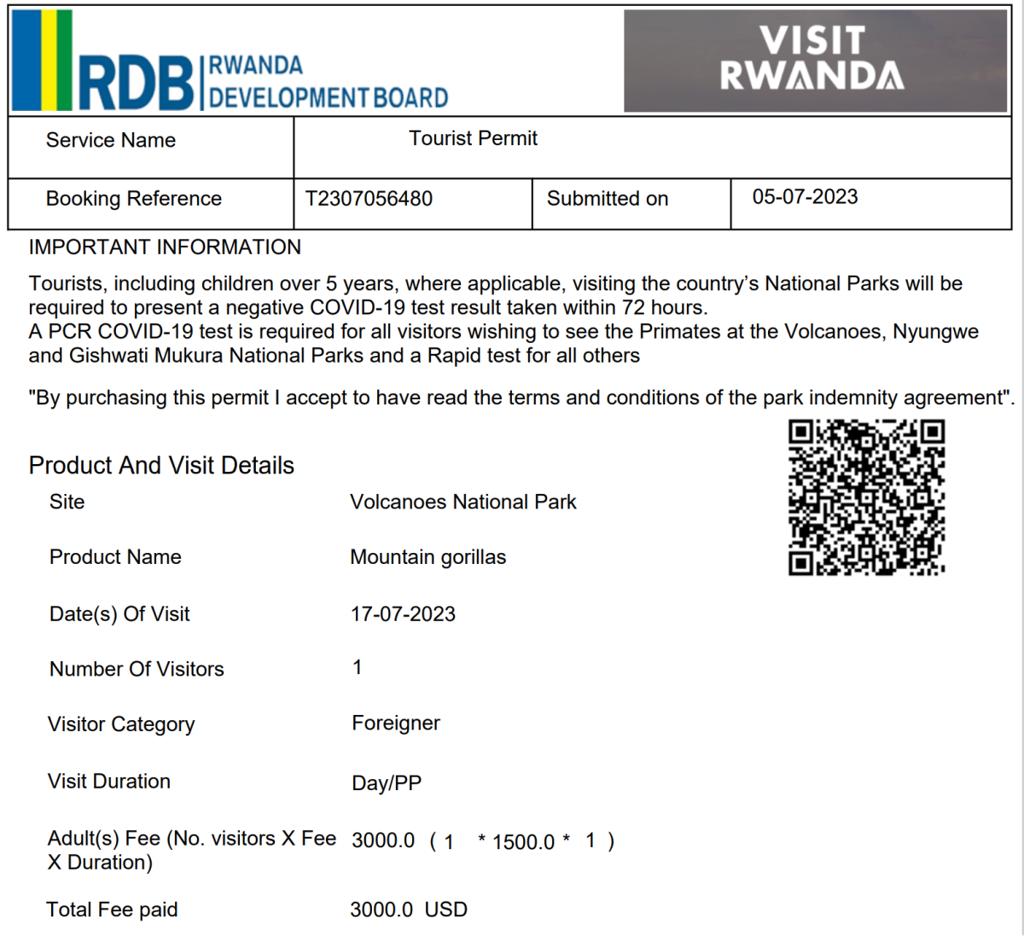
Remember that each visitor requires an individual permit. A group cannot share one permit, regardless of its size.
If some people are still uncertain about joining the trip, communicate this early to your tour operator. It helps avoid confusion when checking availability.
Check Permit Availability Before Booking Flights
Permit availability should guide your travel dates. Do not assume that every preferred date has enough spaces for your entire group.
Ask your tour operator to check the required number of permits for the same date and destination. Once availability is confirmed, you can proceed with the remaining arrangements.
Consider Alternative Trekking Dates
Flexibility can make a significant difference, particularly for groups of more than eight people.
If your preferred date has limited availability, consider travelling a day earlier or later. You can also discuss alternative trekking sectors where suitable permits may be available.
Safari O’clock can help travellers explore these options before finalising their safari itinerary.
Book Through a Reliable Tour Operator
Gorilla permit planning involves more than simply selecting a date. Travellers must consider the destination, trekking sector, group size, permit requirements and other travel arrangements.
Working with a knowledgeable tour operator helps simplify this process.
Safari O’clock assists travellers with gorilla safari planning, permit arrangements, accommodation and transport. This support is especially useful for large groups that require careful coordination.
Understand the Rules Before the Trek
Every visitor should understand the park regulations before entering the forest.
In Uganda, visitors must follow Uganda Wildlife Authority instructions. In Rwanda, visitors must follow the regulations established by the Rwanda Development Board.
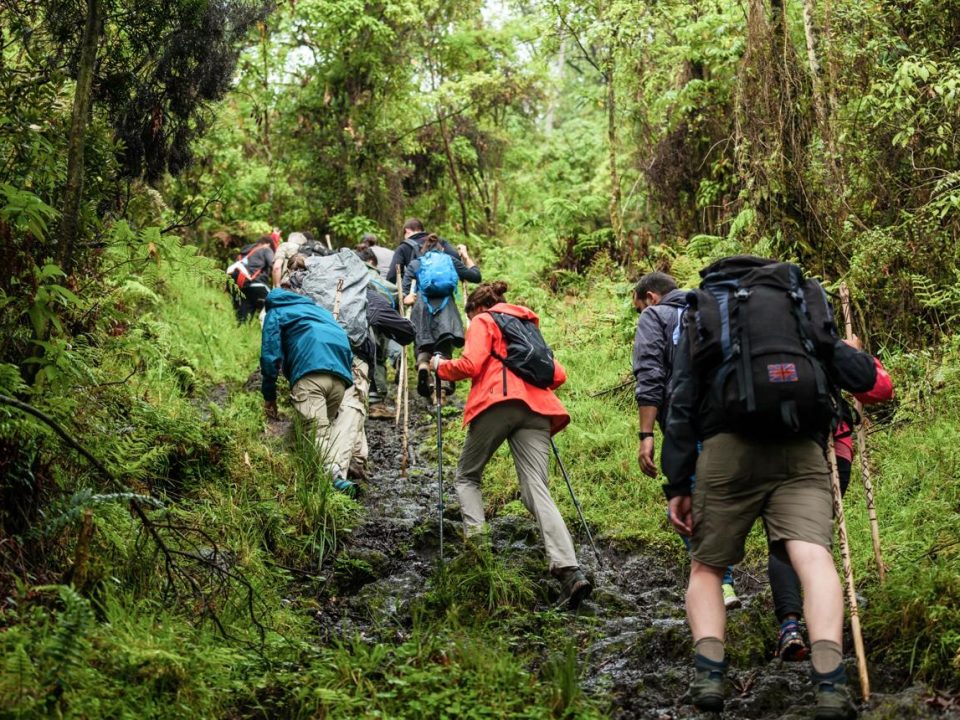
These rules include respecting the gorillas’ space, keeping noise low, following ranger instructions and avoiding trekking when unwell.
Preparing in advance makes the experience safer and more enjoyable for everyone.
Uganda and Rwanda: Understanding Their Gorilla Group Size Rules
Uganda and Rwanda are two of Africa’s leading mountain gorilla trekking destinations. Both countries use controlled visitor numbers to support responsible tourism.
In Uganda, gorilla trekking takes place in Bwindi Impenetrable National Park and Mgahinga Gorilla National Park. The Uganda Wildlife Authority limits each habituated gorilla family to a maximum of eight visitors per day.
In Rwanda, visitors trek mountain gorillas in Volcanoes National Park. The Rwanda Development Board also applies a maximum of eight visitors per gorilla group per day under its standard trekking arrangements.
Both destinations limit the time visitors spend with the gorillas to one hour. These restrictions help manage human contact and protect the animals.
Although the standard group size is similar, the destinations differ in their permit systems, pricing, accommodation options and overall safari experiences.
Travellers should therefore compare more than the number of visitors allowed per group when choosing between the two countries.
Safari O’clock helps visitors understand these differences and select a destination that matches their budget, travel dates and safari expectations.
What Happens When Gorilla Permits for Your Group Are Unavailable?
Sometimes, travellers discover that their preferred date does not have enough permits for everyone.
This situation can happen when other visitors have already secured the available spaces for that day.
However, it does not always mean that the entire safari must be cancelled. Travellers can explore several alternatives depending on their schedules and the remaining availability.
One option is to select another trekking date. Another is to consider a different trekking sector or destination.
For larger groups, splitting the party between different gorilla families may also be possible if the required permits are available.
However, these arrangements must be confirmed before making changes to the itinerary. Travellers should not assume that another family or sector will automatically have available spaces.
A professional tour operator can assess the available options and recommend a practical solution.
Safari O’clock encourages travellers to remain flexible where possible. A little flexibility can make a significant difference when planning a gorilla trekking holiday.
Why Early Gorilla Permit Planning Matters
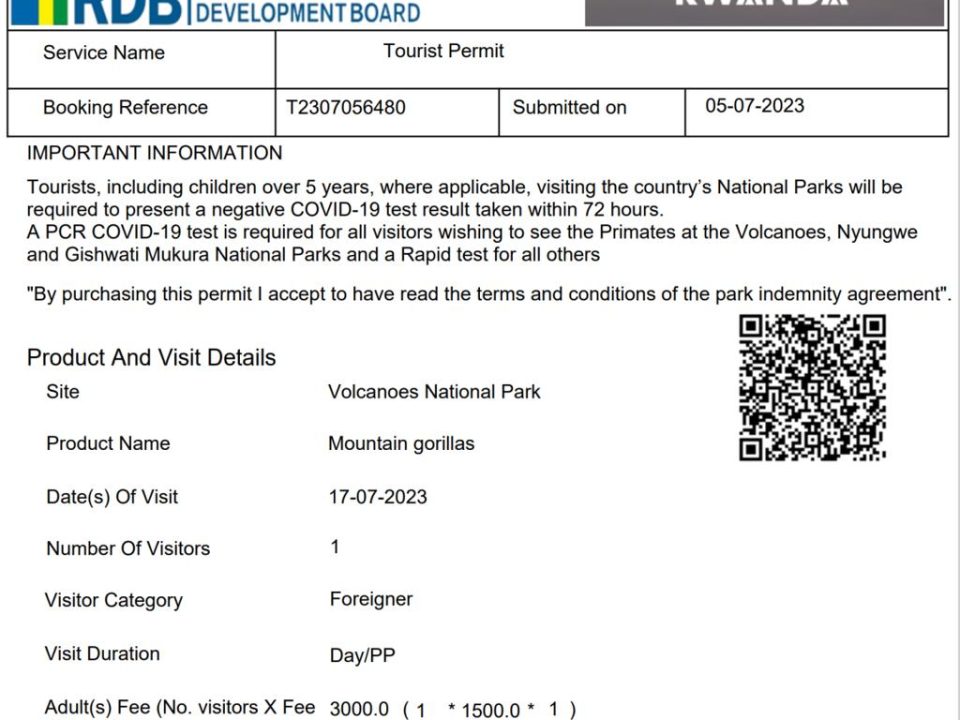
Gorilla trekking permits are limited because wildlife authorities control the number of people who can visit each habituated family daily.
The eight-person rule makes early planning particularly important for families, couples travelling together and organised groups.
When travellers book early, they have a better opportunity to secure the required number of permits. They can also organise accommodation, transport and other activities around confirmed trekking dates.
Early planning is even more important during popular travel periods when many visitors compete for limited spaces.
Waiting until the last minute may leave travellers with fewer choices. It can also make it difficult to coordinate large groups or find suitable accommodation near their chosen trekking sector.
At Safari O’clock, we believe a successful gorilla safari begins with proper preparation. Understanding visitor limits allows travellers to make informed decisions and enjoy a more organised experience.
Plan Your Gorilla Trekking Safari With Safari O’clock
Understanding gorilla group size rules is an essential part of planning a successful mountain gorilla trekking experience. The maximum of eight visitors per habituated gorilla family each day affects permit availability, group arrangements and travel dates.
Whether you are travelling alone, with your partner, as a family or with a large organised group, understanding these restrictions helps you prepare properly.
Most importantly, these rules exist to protect mountain gorillas and preserve their natural environment for future generations.
Safari O’clock is committed to helping travellers plan meaningful and responsible gorilla trekking experiences in Uganda and Rwanda. From checking permit availability to coordinating accommodation and transport, we help make the planning process easier.
Planning a gorilla trekking adventure? Contact Safari O’clock today and let us help you organise your permits, choose suitable travel dates and create an unforgettable mountain gorilla safari.