- DIRECT CONTACTS:
- +256394517569
- tours@safarioclock.africa

How Families Can Check Gorilla Tracking Age Requirements Before Booking

How to Organise Gorilla Permits for Couples Travelling Together
November 21, 2026
How Group Size Rules Affect Gorilla Permit Planning
November 21, 2026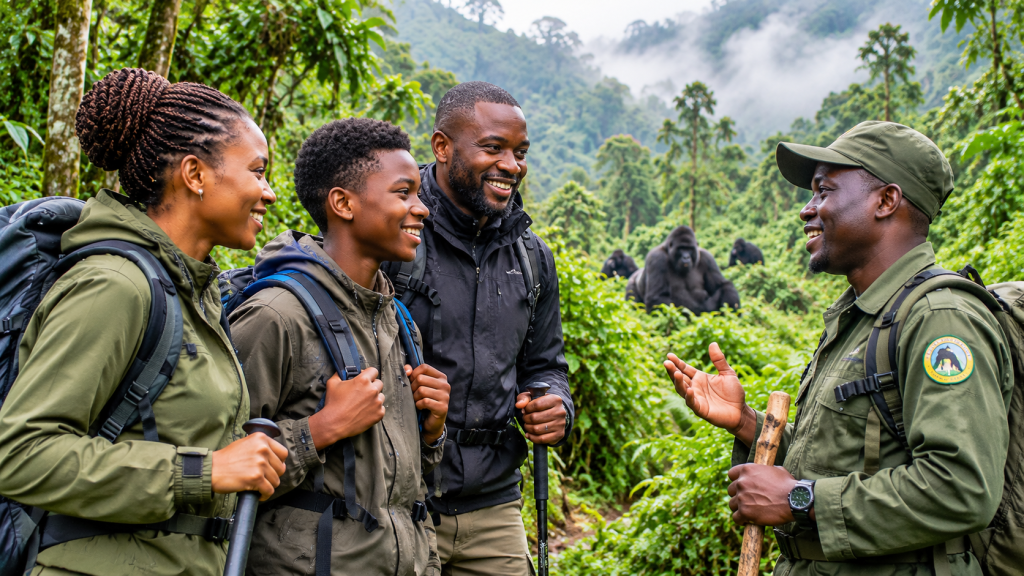
A family gorilla trekking holiday can be one of the most memorable wildlife experiences in Africa. Parents get to explore beautiful mountain forests, learn about wildlife conservation and share an unforgettable adventure with their children. However, before booking a gorilla safari, every family must check the minimum age requirements.
Mountain gorilla tracking has a minimum age limit of 15 years in both Rwanda and Uganda. This means that children must have reached their 15th birthday before they can participate. Families should confirm this requirement before paying for permits, booking accommodation or arranging flights.
At Safari O’clock, we encourage families to check the age rules early. This helps parents plan suitable activities for every family member and avoid disappointment at the park entrance. In this guide, we explain how to check gorilla tracking age requirements, prepare the correct documents and organise a family safari with confidence.
1. Understand the minimum gorilla tracking age requirements
The first step is to understand the official minimum age. Rwanda and Uganda both require visitors to be at least 15 years old to participate in mountain gorilla tracking.
In Rwanda, visitors track mountain gorillas in Volcanoes National Park. The Rwanda Development Board (RDB) manages the official tourism booking information and states that the minimum tracking age is 15 years.
In Uganda, visitors can track mountain gorillas in Bwindi Impenetrable National Park and Mgahinga Gorilla National Park. The Uganda Wildlife Authority (UWA) also sets the minimum age at 15 years.
Therefore, families travelling to either country should use 15 years as their starting point when planning a gorilla trekking holiday. Parents should not assume that a younger child can join simply because they are travelling with adults.
The age rule applies to each visitor individually. A parent cannot use their own permit to include a child who does not meet the minimum age.
2. Check your child’s age against the trekking date
One of the most important steps is checking your child’s exact age on the planned trekking date. A child’s age when the family starts planning the holiday may differ from their age when the actual trek takes place.
For example, imagine a child who is currently 14 years old but will celebrate their 15th birthday before the family’s planned trekking date. The family should confirm eligibility based on the age the child will be on the day of tracking.
However, a child who turns 15 after the scheduled trek does not meet the minimum age for that earlier date. Parents should therefore compare the child’s date of birth with the confirmed trekking date before requesting a permit.
This simple check can prevent costly booking mistakes. It also gives families enough time to adjust their travel dates if necessary.
Safari O’clock recommends checking every child’s date of birth before requesting permit availability. If the birthday falls close to the travel date, confirm the situation with the relevant authority before making payment.
3. Verify gorilla tracking age requirements through official sources
Families should always use reliable sources when checking gorilla tracking age requirements. Travel blogs, social media posts and old safari advertisements may contain outdated information.
For Rwanda, parents can check the official Rwanda Development Board gorilla tracking portal. It provides the minimum age, booking requirements, visitor information and other important tracking rules.
For Uganda, families can consult the Uganda Wildlife Authority website. Its gorilla and chimpanzee tracking guidelines explain the minimum age limit and other visitor requirements.
These official sources are important because they provide information from the authorities responsible for managing the parks and permits. They also help families avoid relying on assumptions or unverified advice.
If a family receives conflicting information from different websites, they should contact the relevant authority or a licensed tour operator for clarification. It is better to confirm a rule before paying than to discover a problem at the park entrance.
Safari O’clock can help families understand the requirements for their chosen destination and check the information before the booking process begins.
4. Prepare identification documents to confirm your child’s age
After checking the age requirement, parents should prepare the correct identification documents for each family member.
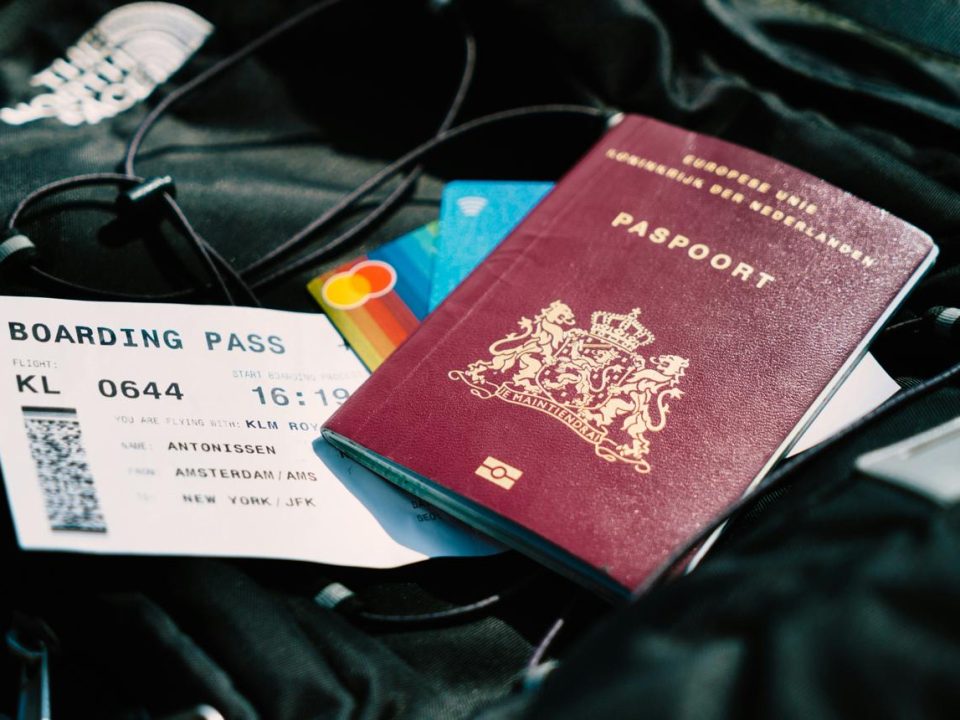
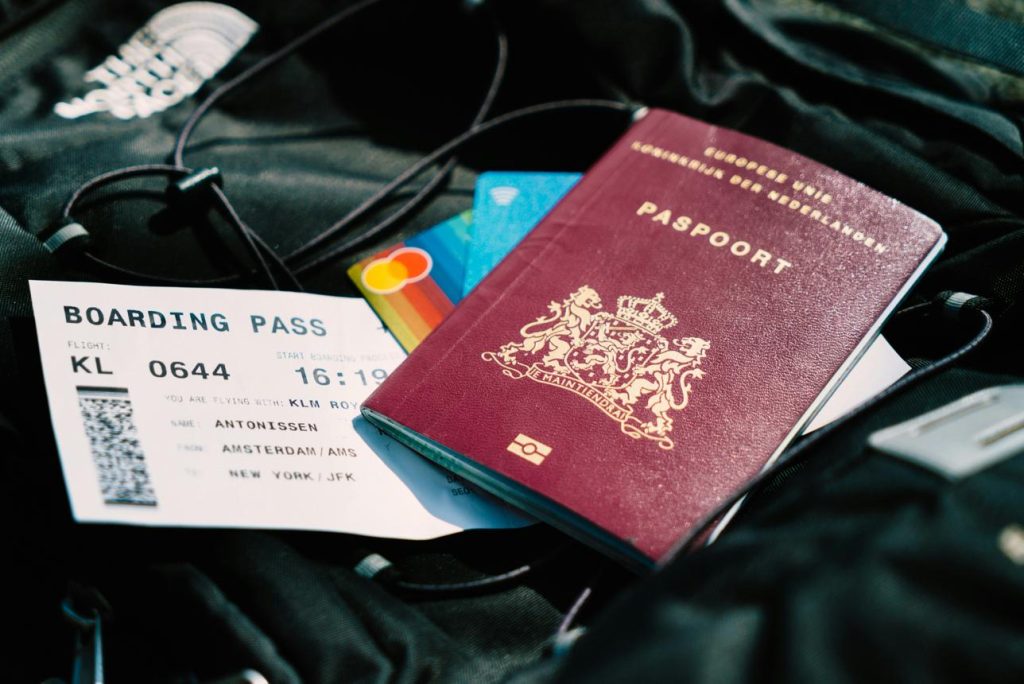
A valid passport is particularly important for international travellers. It contains the traveller’s full name, nationality, date of birth and passport number. These details help the booking team and park authorities verify the visitor’s information.
Parents should check that the child’s date of birth appears correctly on the passport. They should also make sure that the passport details match the information submitted during the permit application.
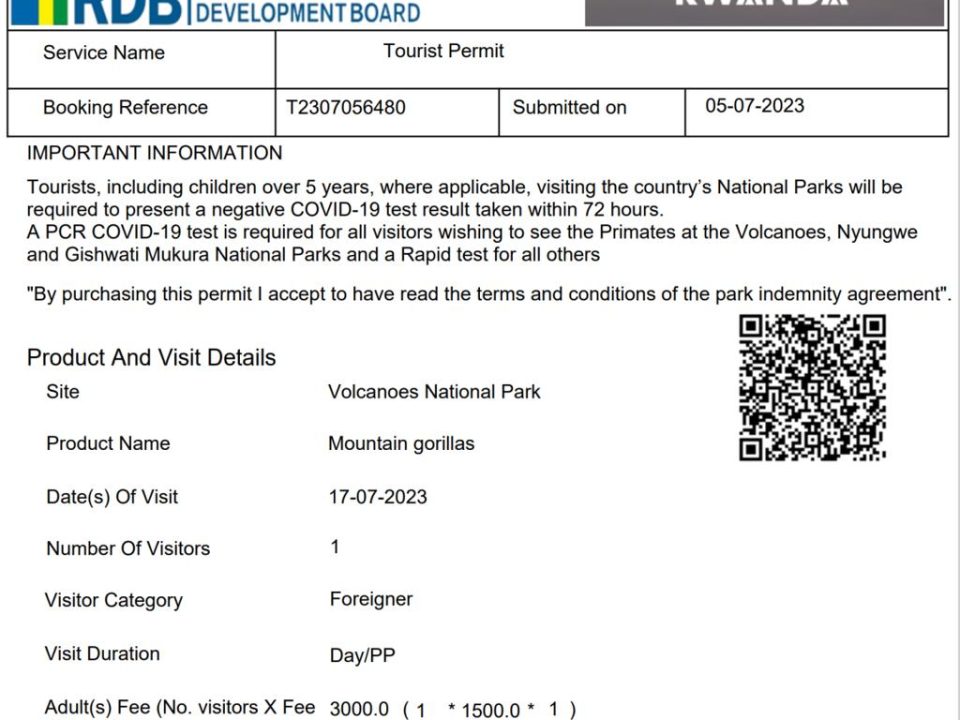
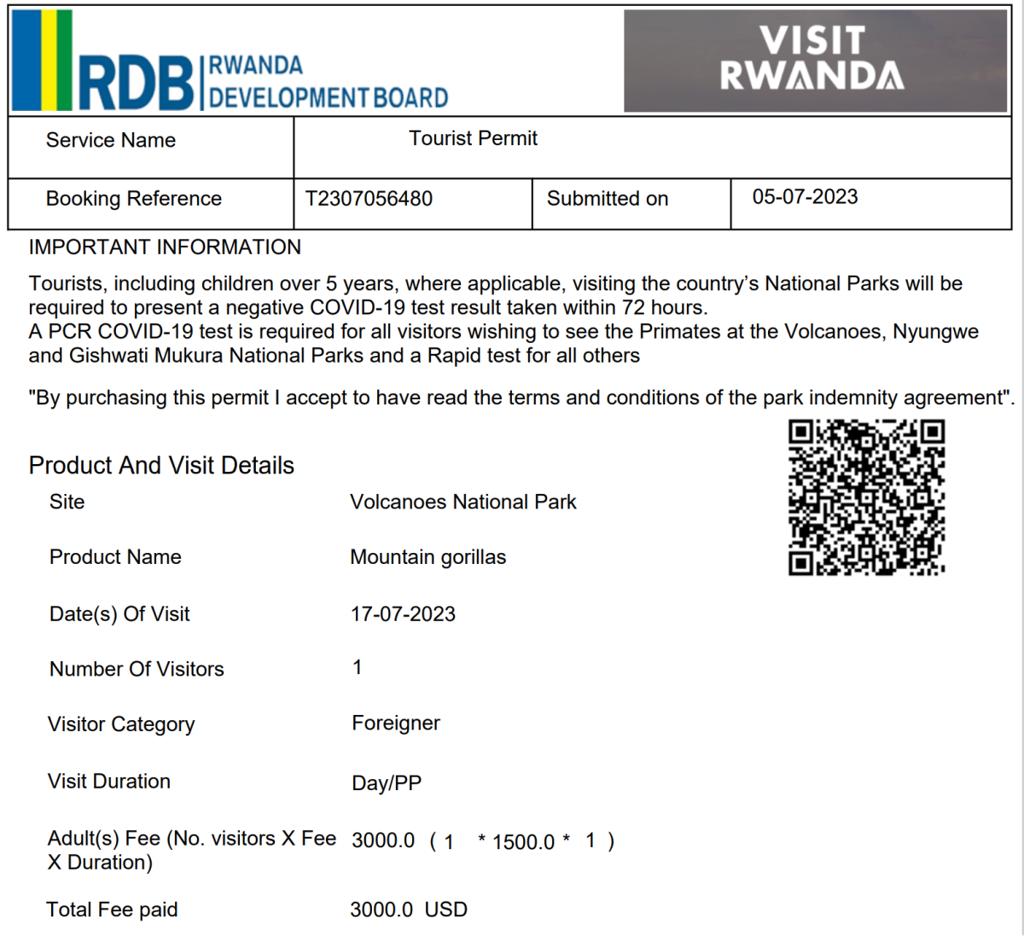
Do not estimate a child’s age or enter incorrect information to make them appear eligible. Rwanda’s official booking guidance warns that incorrect or false applications can result in denied entry, even if the visitor has already paid and received a system-generated permit.
For Uganda, the Uganda Wildlife Authority also requires visitors to present the appropriate identification documents for their visitor category. Families should confirm the current documentation requirements before completing their booking.
Keep copies of the relevant documents and carry the original identification used during the booking process. This makes verification easier when the family arrives for the trek.
5. Check the age requirements before paying for permits
Families should confirm that every intended participant meets the age requirement before paying for gorilla permits.
A gorilla permit is issued for an individual visitor. Therefore, parents must arrange a separate permit for each eligible family member.
For example, a family of four may include two parents and two children aged 16 and 13. The parents and the 16-year-old may meet the age requirement, but the 13-year-old does not qualify for mountain gorilla tracking.
In this situation, the family should not request a gorilla permit for the younger child. Instead, parents should discuss suitable arrangements before confirming the safari.
Permit availability can also be limited. Therefore, families should check availability for all eligible members on the same intended trekking date. They should then confirm the booking details before arranging accommodation and transport.
Safari O’clock encourages parents to share the ages of all family members during the first enquiry. This allows the travel team to identify possible age restrictions early and suggest practical arrangements.
6. Understand why the minimum age limit exists
The minimum age requirement is not simply an administrative rule. It also supports visitor safety, responsible tourism and gorilla conservation.
Mountain gorillas are vulnerable to some human respiratory infections and other diseases. Visitors must follow strict health and hygiene rules during the trek. For example, people with contagious illnesses such as colds or flu should not visit the gorillas.
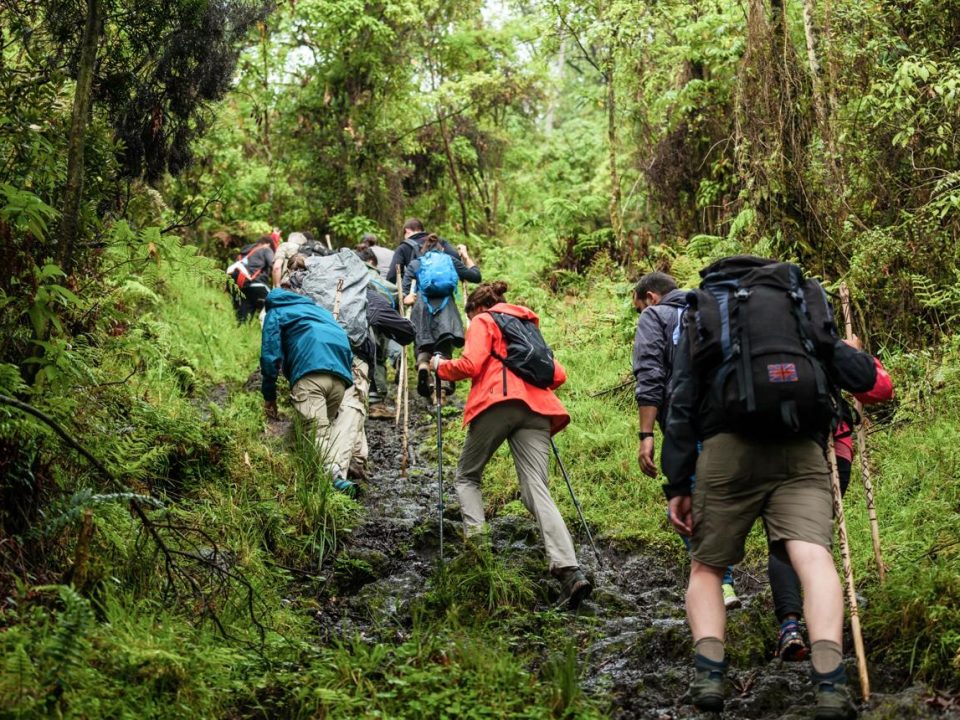
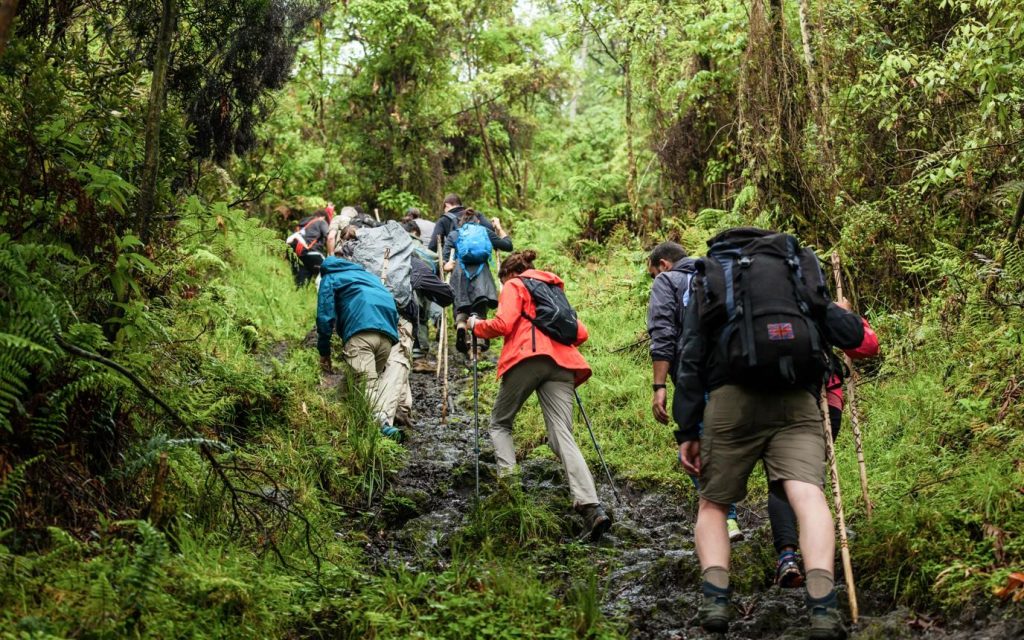
The trekking experience also takes place in natural mountain forests. Trails can be steep, muddy, slippery and physically demanding. Visitors must follow their guides’ instructions and behave responsibly around wild animals.
The age limit helps park authorities manage the experience and protect both visitors and gorillas. It also supports responsible wildlife tourism by ensuring that participants meet the established requirements.
Parents should explain these rules to teenagers before travelling. They should also prepare them to respect the gorillas, maintain the required distance and follow the ranger’s instructions throughout the encounter.
7. Know what happens when a child is below the minimum age
Families with children below 15 years should not assume that the entire holiday must be cancelled. They can still enjoy a memorable safari by planning activities that suit every family member.
However, children below the minimum age cannot join the mountain gorilla tracking activity. Parents should therefore discuss alternative arrangements before confirming their travel package.
One option is to plan a family itinerary that combines gorilla trekking for eligible members with other suitable activities for younger children. Depending on the destination, these may include cultural visits, nature walks with appropriate age limits, scenic excursions and visits to local communities.
In some cases, one adult may remain with the younger child while the other eligible family members go trekking. Alternatively, families may travel with another responsible adult who can supervise the child.
Parents should arrange supervision in advance. They should never assume that park staff or guides will take responsibility for a child who cannot participate in the trek.
Safari O’clock can help families explore suitable activities around Volcanoes National Park, Bwindi and Mgahinga. The aim is to create an enjoyable holiday without placing younger children in activities they are not permitted to join.
8. Do not confuse gorilla tracking with other wildlife activities
Another important step is understanding that different wildlife activities may have different age limits.
For example, Uganda’s published tracking guidelines set the minimum age for gorilla tracking at 15 years. The same guidelines list a different minimum age for chimpanzee tracking.
Rwanda also offers several nature and wildlife activities around Volcanoes National Park. However, families should not assume that every activity has the same age requirement as gorilla tracking.
Before adding an activity to the itinerary, check its specific rules with the park authority or tour operator. This is particularly important when travelling with younger children.
Families can also ask about the duration, difficulty and safety requirements of each activity. That way, they can choose experiences that suit the children’s ages and abilities.
Safari O’clock recommends checking each activity separately instead of using one general age rule for the entire safari.
9. Plan the family itinerary around the eligible travellers
Once the family confirms who can participate, the next step is organising the itinerary.
Families travelling to Rwanda should plan around Volcanoes National Park and its visitor registration arrangements. Those visiting Uganda should consider whether they will track in Bwindi Impenetrable National Park or Mgahinga Gorilla National Park.
In Uganda, Bwindi has different trekking sectors, including Buhoma, Ruhija, Rushaga and Nkuringo. The family should confirm the assigned sector before choosing accommodation and transport.
It is also important to consider the trekking date, travel time and the family’s overall schedule. Parents should allow enough time to reach the park and attend the required morning briefing.
If younger children will not participate, their activities and supervision arrangements should fit the same schedule. This avoids last-minute confusion and allows eligible family members to enjoy their trekking experience.
Safari O’clock can coordinate the different parts of the itinerary, including permits, accommodation, transport and alternative family activities.
10. Prepare teenagers for the gorilla trekking experience
Meeting the minimum age requirement is only one part of preparing a young traveller. Teenagers should also understand what to expect during the trek.
Gorilla tracking can take several hours. The duration depends on the location and movement of the gorilla family. Visitors may walk through steep forest trails, cross muddy sections and move through thick vegetation.
Parents should help teenagers prepare suitable clothing and equipment. Good hiking boots, long trousers, long-sleeved shirts and rain protection are useful. A small backpack, drinking water and a walking pole can also help.
Before the trek, guides explain the rules visitors must follow. These include keeping the required distance from gorillas, avoiding loud noises and not using flash photography.
Teenagers should also understand that gorillas are wild animals. They must not attempt to touch, feed or approach them without permission. Instead, they should remain calm and follow the guide’s instructions.
Good preparation helps young travellers enjoy the experience while respecting wildlife conservation rules.
11. Confirm all family booking details before departure
Before leaving home, parents should review the family’s travel documents and permit confirmations.
Check every eligible visitor’s name, passport details, trekking date and destination. Confirm that the permit information matches the identification documents.
Also, review the accommodation arrangements and transport schedule. If one child will remain behind during the trek, confirm who will supervise them and which activities they will enjoy.
Families should keep digital and printed copies of important documents. This includes passports, permits, payment receipts, accommodation confirmations and relevant travel information.
If any details change, contact the booking authority or tour operator as soon as possible. Do not wait until arrival at the park to report an error.
These checks help the family travel with confidence and reduce the risk of unexpected problems.
12. Let Safari O’clock help you plan a family gorilla safari
A successful family gorilla trekking holiday starts with accurate information. Parents need to understand the minimum age, confirm each child’s eligibility and organise suitable activities for those who cannot participate.
Safari O’clock helps families plan their gorilla trekking adventures in Rwanda and Uganda. We guide travellers through permit requirements, destination choices, accommodation and transport arrangements.
We also help families create practical itineraries that consider the ages and interests of everyone travelling. This makes it easier to plan a safari that is enjoyable and suitable for the whole family.
Whether you are travelling with teenagers or younger children, early preparation makes a difference. Check the age requirements, confirm permit availability and plan the activities before departure.
With the right arrangements, your family can enjoy a meaningful African safari while supporting responsible mountain gorilla tourism.
Frequently Asked Questions About Gorilla Tracking Age Requirements
1. What is the minimum age for gorilla tracking in Rwanda?
The minimum age for mountain gorilla tracking in Rwanda is 15 years. The Rwanda Development Board provides this requirement in its official gorilla tracking information.
2. What is the minimum age for gorilla tracking in Uganda?
The minimum age for mountain gorilla tracking in Uganda is also 15 years. The Uganda Wildlife Authority includes this rule in its gorilla and chimpanzee tracking guidelines.
3. Can a 14-year-old track gorillas if they are almost 15?
No. A child must have reached the minimum age by the trekking date. Being close to the 15th birthday does not meet the requirement.
4. Can children below 15 visit the gorilla parks?
Families should check the rules for each park and activity. The minimum age restriction applies to gorilla tracking, but other activities may have different requirements.
5. What documents can families use to confirm a child’s age?
International visitors should prepare the child’s valid passport and ensure that the date of birth is correct. Families should also confirm any additional identification requirements with the relevant authority.
6. Can parents track gorillas while a younger child stays behind?
Yes, families can explore this arrangement if they organise suitable supervision for the child. They should confirm accommodation, childcare or alternative activities before the trekking day.
7. Is there a different age limit for chimpanzee tracking?
Yes. Age requirements for chimpanzee tracking differ from those for gorilla tracking and may vary by destination or specific site. Families should confirm the current rule for the exact activity they wish to book.
Plan Your Family Gorilla Safari with Safari O’clock
Before booking your family adventure, make sure every traveller meets the requirements for their chosen activities. A simple age check can prevent disappointment and help you build a better itinerary.
Contact Safari O’clock to plan your Rwanda or Uganda family safari. We can help you check the relevant requirements, organise permits for eligible travellers and arrange activities that make the journey enjoyable for everyone.