- DIRECT CONTACTS:
- +256394517569
- tours@safarioclock.africa

How Anti-Poaching Work Helps Protect Mountain Gorillas

Why Human Disease Prevention Is Essential for Gorilla Visits
November 11, 2026
How Scientific Research Supports Mountain Gorilla Protection
November 11, 2026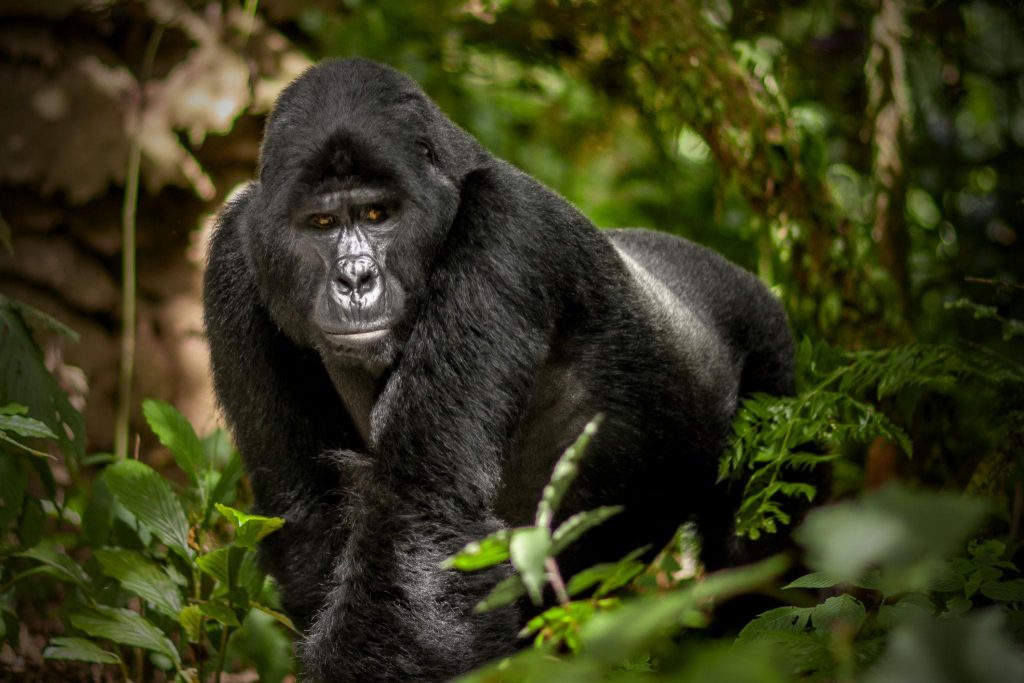
Mountain gorillas are among Africa’s most remarkable wildlife species. They live in the forested mountains of Uganda, Rwanda and the Democratic Republic of Congo. Although conservation efforts have helped their populations recover, these endangered animals still face several threats. One important threat is illegal hunting and the use of traps inside their natural habitats.
Anti-poaching work plays a major role in protecting mountain gorillas. It involves activities such as ranger patrols, removing illegal snares, monitoring wildlife and working with local communities. These efforts help prevent injuries, protect gorilla habitats and improve the safety of other wildlife.
However, anti-poaching work involves more than catching hunters. It also addresses the reasons people enter protected forests to hunt or collect natural resources. Through stronger law enforcement and community partnerships, conservation teams can create safer environments for mountain gorillas.
At Safari O’clock, we believe that responsible gorilla tourism should help visitors appreciate the work behind wildlife protection. Understanding anti-poaching efforts allows travellers to see why conservation requires constant commitment, cooperation and support.
Why Anti-Poaching Work Matters for Mountain Gorillas
Mountain gorillas face several threats, including habitat destruction, disease and human-wildlife conflict. Illegal hunting also creates risks within their forest homes. Therefore, anti-poaching work helps reduce dangers that could affect their survival.
Interestingly, poachers do not always target mountain gorillas directly. Many snares found in gorilla habitats were originally placed to catch smaller animals for bushmeat. However, these traps can injure or kill gorillas when they accidentally step into them.
This makes anti-poaching patrols especially important. Rangers search forest areas for illegal traps and remove them before animals become victims. They also monitor signs of illegal activity and report threats to park authorities.
Furthermore, anti-poaching work helps protect the wider forest ecosystem. When rangers prevent illegal hunting, they also protect other species that share the gorillas’ habitat. These include forest antelopes, monkeys and other wildlife.
As a result, anti-poaching efforts support the health and balance of the entire ecosystem rather than protecting only one species.
How Anti-Poaching Patrols Protect Mountain Gorillas
Ranger patrols are among the most important parts of mountain gorilla conservation. Trained teams regularly enter protected forests to monitor wildlife and identify possible threats.
Anti-Poaching Patrols Detect Illegal Activities
Rangers patrol forest trails, park boundaries and areas where illegal activities may occur. During these patrols, they look for signs of hunting, unauthorised entry, illegal logging and other activities that threaten wildlife.
They may also discover abandoned camps, hunting equipment and footprints that indicate human activity. By recording these observations, patrol teams help park managers understand where threats are increasing.
In Virunga National Park, for example, ranger patrols form a major part of wildlife protection. The park uses regular foot patrols, monitoring teams and other surveillance methods to protect its wildlife and natural resources.
These patrols also help rangers monitor gorilla movements and observe changes in their condition. Consequently, they can report unusual behaviour or potential dangers to the relevant conservation teams.
Anti-Poaching Patrols Improve Forest Security
Regular patrols discourage illegal activities inside protected areas. When people know that rangers actively monitor the forest, they may be less willing to enter it for illegal hunting.
However, forest security requires consistent effort. Mountain gorillas move through large areas, and their habitats contain difficult terrain. Therefore, conservation teams must remain active throughout the year.
Rangers also face challenges in areas affected by insecurity and armed conflict. Despite these difficulties, their work remains essential to protecting wildlife and maintaining the safety of protected areas.
Anti-Poaching Patrols Support Wildlife Monitoring
Patrols provide valuable information about the condition of the forest and its wildlife. Rangers can record animal sightings, identify changes in habitat and report signs of illegal activity.
Some conservation teams also use GPS devices, camera traps and digital monitoring systems. These tools help improve the accuracy of wildlife records and support better conservation decisions.
For example, Virunga National Park uses monitoring patrols and camera traps to gather information about wildlife populations and habitat changes.
Therefore, anti-poaching patrols do more than prevent hunting. They also provide information that helps conservationists understand and protect mountain gorillas.
How Removing Snares Protects Mountain Gorillas
One of the most direct ways anti-poaching teams protect mountain gorillas is through snare removal. Snares are traps designed to catch animals. Hunters often place them along animal trails and other areas where wildlife regularly moves.
Many snares use wire or rope loops that tighten when an animal becomes trapped. Although hunters may intend to catch smaller animals, gorillas can also become victims.
Why Snares Are Dangerous to Mountain Gorillas
Mountain gorillas spend much of their time walking through forests while searching for food. They move across vegetation, climb slopes and follow familiar paths within their home ranges.
Unfortunately, these movements can bring them into contact with hidden traps. A gorilla caught in a snare may suffer cuts, deep wounds, swelling or serious injuries to its limbs.
Young gorillas can face particular difficulties because their smaller bodies and limited experience may make them more vulnerable to traps. An injury can also affect a gorilla’s ability to move, feed and interact with its family.
In severe cases, a trapped animal may suffer for a long time without help. Therefore, removing snares before wildlife encounters them is an important conservation priority.
How Rangers Remove Illegal Snares
During patrols, trained rangers search for traps in areas where hunters may have placed them. When they find a snare, they carefully disable and remove it.
This work requires experience because some traps may be difficult to locate. Others may contain animals that need immediate assistance.
In Virunga National Park, ranger teams carry out dedicated de-snaring operations. The park has also reported the use of specially trained dogs to help locate snares through scent detection.
These activities reduce the number of dangerous traps in the forest. They also make the habitat safer for mountain gorillas and other wildlife.
Why Regular Snare Removal Matters
Removing one snare does not necessarily solve the problem. Hunters may return and place new traps in the same areas or move to different locations.
For this reason, conservation teams conduct repeated patrols and continue monitoring vulnerable forest areas.
Community cooperation also makes a difference. When local people share information about illegal hunting activities, rangers can respond more effectively.
Therefore, regular snare removal and community involvement work together to reduce the risks that mountain gorillas face.
How Anti-Poaching Work Protects Gorilla Habitats
Protecting mountain gorillas requires more than preventing illegal hunting. It also involves keeping their natural environment safe and healthy.
Mountain gorillas depend on forest habitats for food, shelter and movement. They feed on leaves, shoots, stems, roots and other vegetation. They also use the forest to build sleeping nests and raise their young.
Illegal activities can damage these important resources. For example, unauthorised tree cutting, charcoal production and agricultural encroachment can reduce the quality of gorilla habitat.
Anti-poaching and ranger patrols help identify these activities. They allow park authorities to respond when people enter protected areas to exploit natural resources illegally.
Moreover, conservation organisations work with communities to reduce pressure on forests. Some initiatives promote sustainable farming, tree planting and alternative sources of income.
These activities help address the pressures that encourage people to depend on protected forest resources. In turn, they support long-term habitat protection.
Safari O’clock recognises that protecting mountain gorillas also means protecting the forests that sustain them.
The Role of Local Communities in Anti-Poaching Work
Successful conservation cannot depend on park rangers alone. Communities living near gorilla habitats also play an important role in protecting wildlife.
People who live close to protected areas understand their surroundings. They may notice unfamiliar activities, abandoned traps or changes in wildlife movements. Their knowledge can help conservation teams identify threats more quickly.
Community Cooperation Strengthens Anti-Poaching Work
When communities cooperate with park authorities, they can help prevent illegal hunting and report suspicious activities. Some conservation programmes also involve trained community members in monitoring wildlife and supporting park management.
For example, the International Gorilla Conservation Programme works with protected area authorities and communities across Uganda, Rwanda and the Democratic Republic of Congo.
These partnerships support habitat protection, better tourism practices and community participation in conservation.
Furthermore, community involvement can improve trust between local residents and park authorities. This relationship is important because people who feel included in conservation efforts may become more willing to protect wildlife.
Alternative Livelihoods Help Reduce Poaching Pressure
Poverty and limited economic opportunities can increase pressure on natural resources. Some people may enter forests to hunt animals or collect materials because they depend on these activities for their livelihoods.
Conservation organisations therefore support alternative income opportunities. These may include beekeeping, craft production, sustainable agriculture and tourism-related employment.
Such initiatives help communities earn income without relying on illegal activities inside protected forests.
However, alternative livelihoods do not replace law enforcement. Instead, they complement ranger patrols by addressing some of the economic pressures behind illegal hunting.
Tourism Creates Opportunities for Community Participation
Mountain gorilla tourism supports employment in communities surrounding protected areas. Local people may work as guides, porters, drivers, lodge staff and craft producers.
Tourism revenue-sharing programmes can also support community projects. Depending on the country’s policies and park arrangements, these may include schools, water facilities and other local development initiatives.
When communities experience benefits from conservation, they have stronger reasons to support the protection of mountain gorillas.
This is why responsible tourism and anti-poaching work are closely connected.
How Technology Supports Anti-Poaching Work
Modern technology has improved the way conservation teams monitor protected forests. Although ranger patrols remain essential, digital tools help teams collect and manage information more effectively.
GPS devices allow rangers to record patrol routes and identify the locations of illegal activities. This information helps park managers understand which areas need more attention.
Camera traps provide another useful monitoring method. These cameras capture images of animals and human activity without requiring someone to remain at the location.
Some conservation teams also use digital reporting systems to record wildlife sightings, snare locations and other threats. These records help managers analyse patterns and plan future patrols.
In addition, communication equipment allows teams to share information from the field. This can improve responses when rangers discover injured wildlife or dangerous illegal activities.
Virunga National Park has reported using foot patrols, aerial surveillance and camera traps as part of its wider monitoring programme.
Technology does not replace trained conservation personnel. Instead, it strengthens their ability to monitor large and challenging forest environments.
The Risks Faced by Rangers Protecting Mountain Gorillas
Anti-poaching work can be physically demanding and dangerous. Rangers often travel through steep, thick forests and difficult terrain while carrying equipment and supplies.
They may encounter armed hunters, dangerous wildlife and other security threats. In areas affected by conflict, the risks can become even greater.
The work also requires patience and dedication. Rangers may spend long hours searching for snares, monitoring animal movements and checking remote sections of protected areas.
Their contribution is therefore central to mountain gorilla conservation.
Virunga National Park has documented the serious risks faced by its rangers, including deaths during security operations. This highlights the personal sacrifices involved in protecting wildlife.
Recognising these challenges helps visitors understand that gorilla conservation depends on more than beautiful forests and successful trekking experiences. It also relies on the people who protect these environments every day.
How Anti-Poaching Work Supports Gorilla Tourism
Gorilla trekking attracts visitors who want to experience mountain gorillas in their natural environment. However, this tourism experience depends on healthy wildlife populations and secure habitats.
Anti-poaching work helps create the conditions that allow responsible tourism to continue. By reducing illegal hunting and removing dangerous traps, conservation teams help protect the animals that visitors travel to see.
Furthermore, regular monitoring helps park authorities understand gorilla movements and health. This information supports responsible tourism management and helps reduce unnecessary disturbance.
Tourism can also contribute to conservation through permit revenue, employment and community development. In several mountain gorilla destinations, tourism forms an important part of the wider conservation economy.
Nevertheless, tourism must remain carefully managed. Visitors should follow park rules, maintain the required distance and respect the natural behaviour of gorillas.
Safari O’clock encourages travellers to understand that a gorilla trekking permit provides an opportunity to visit a protected wildlife area. It does not give visitors permission to interfere with the animals or their habitat.
Responsible tourism and effective anti-poaching work therefore support the same goal: protecting mountain gorillas for future generations.
How Travellers Can Support Anti-Poaching Efforts
Visitors may not participate directly in ranger patrols, but they can still support mountain gorilla conservation.
First, choose responsible tour operators that respect park regulations and promote ethical wildlife experiences. Responsible operators educate visitors about conservation and encourage behaviour that protects wildlife.
Second, follow all park rules during gorilla trekking. Avoid touching animals, feeding wildlife or leaving waste in the forest.
Third, support local businesses and community enterprises. Buying locally made crafts, hiring local service providers and using community-based tourism services can help strengthen livelihoods around protected areas.
Visitors can also learn about conservation organisations working in the region. Sharing accurate information about wildlife protection helps raise awareness of the challenges facing mountain gorillas.
Finally, respect the work of park rangers and conservation teams. Their efforts help keep gorilla habitats safer, often under difficult conditions.
At Safari O’clock, we encourage every traveller to make conservation part of their gorilla trekking journey.
Conclusion: Anti-Poaching Work Is Essential for Gorilla Survival
Anti-poaching work plays an important role in protecting mountain gorillas from illegal hunting, dangerous snares and habitat destruction. Through regular patrols, snare removal, wildlife monitoring and community partnerships, conservation teams reduce threats within protected forests.
These efforts also protect other wildlife species and support healthier ecosystems. Moreover, they help maintain the natural environments that make responsible gorilla tourism possible.
However, conservation requires continuous cooperation. Rangers, park authorities, researchers, local communities and visitors all have a responsibility to protect mountain gorillas.
When you travel with Safari O’clock, remember that every responsible gorilla encounter is an opportunity to appreciate the importance of conservation.
Behind every successful wildlife experience are people working to protect the forest, remove dangerous traps and safeguard the future of these remarkable animals.