- DIRECT CONTACTS:
- +256394517569
- tours@safarioclock.africa
How to Verify Current Gorilla Permit Prices Before Travelling

How Permit Availability Can Shape Your Rwanda Itinerary
November 21, 2026
Why Permit Rules and Prices Should Be Checked Before Publication
November 21, 2026
Planning a gorilla trekking safari is an exciting experience. However, before booking flights, accommodation or transport, you need to confirm the current gorilla permit prices. This is one of the most important steps when preparing for your trip. Permit fees can change, and different visitor categories may attract different rates.
Many travellers make the mistake of relying on old travel articles, social media posts or prices shared by friends. Unfortunately, this can lead to unexpected expenses during the booking process. A price that was correct last year may no longer apply to your travel dates.
At Safari O’clock, we encourage travellers to confirm permit fees before making final travel arrangements. This helps you prepare a realistic budget and avoid unnecessary surprises. Whether you plan to track mountain gorillas in Rwanda or Uganda, knowing where and how to verify the correct price will make your planning easier.
Why You Should Verify Gorilla Permit Prices Before Travelling
Gorilla trekking permits are controlled by national wildlife authorities. These authorities determine the applicable fees, booking procedures and visitor requirements. Therefore, the price you find on a travel website should not automatically be treated as the current official rate.
First, permit prices may change when a new conservation tariff takes effect. A government may also introduce promotional rates for specific visitor categories or travel periods. In addition, some discounted rates have strict eligibility requirements.
Secondly, the price depends on your destination. Rwanda and Uganda have different permit systems and fee structures. Rwanda’s gorilla trekking takes place in Volcanoes National Park. In Uganda, visitors track mountain gorillas in Bwindi Impenetrable National Park or Mgahinga Gorilla National Park.
Therefore, always confirm the country, park, trekking date and visitor category before accepting a quotation. This simple step can protect your travel budget.
Where to Check Current Gorilla Permit Prices
The safest way to verify gorilla permit prices is to start with the official wildlife authority responsible for your destination. These authorities publish permit information and manage the booking process.
Check Rwanda Gorilla Permit Prices Through the RDB
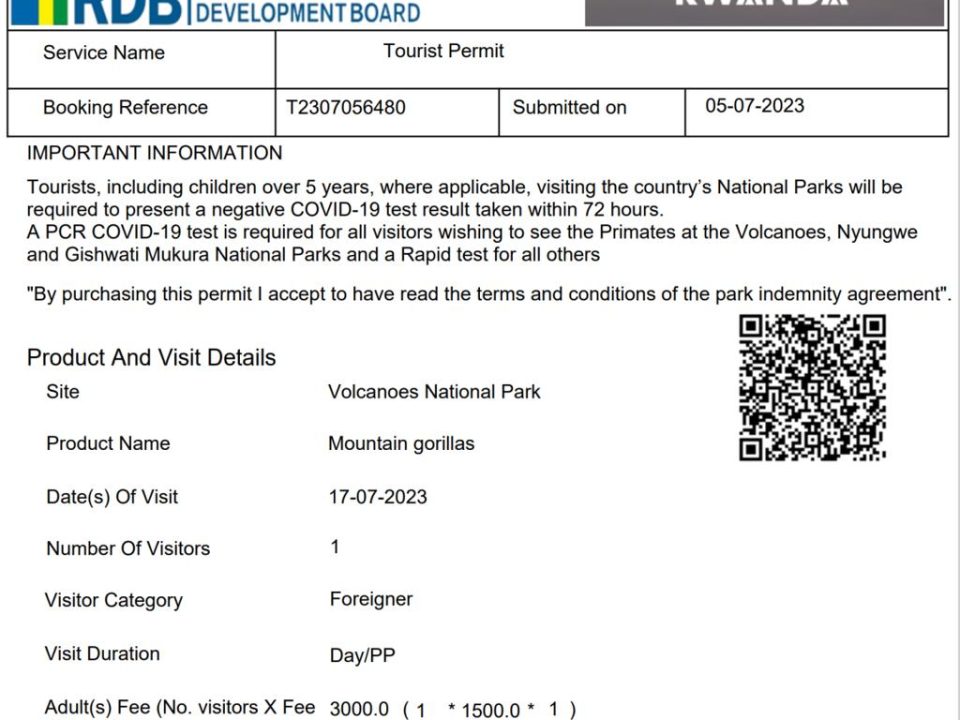
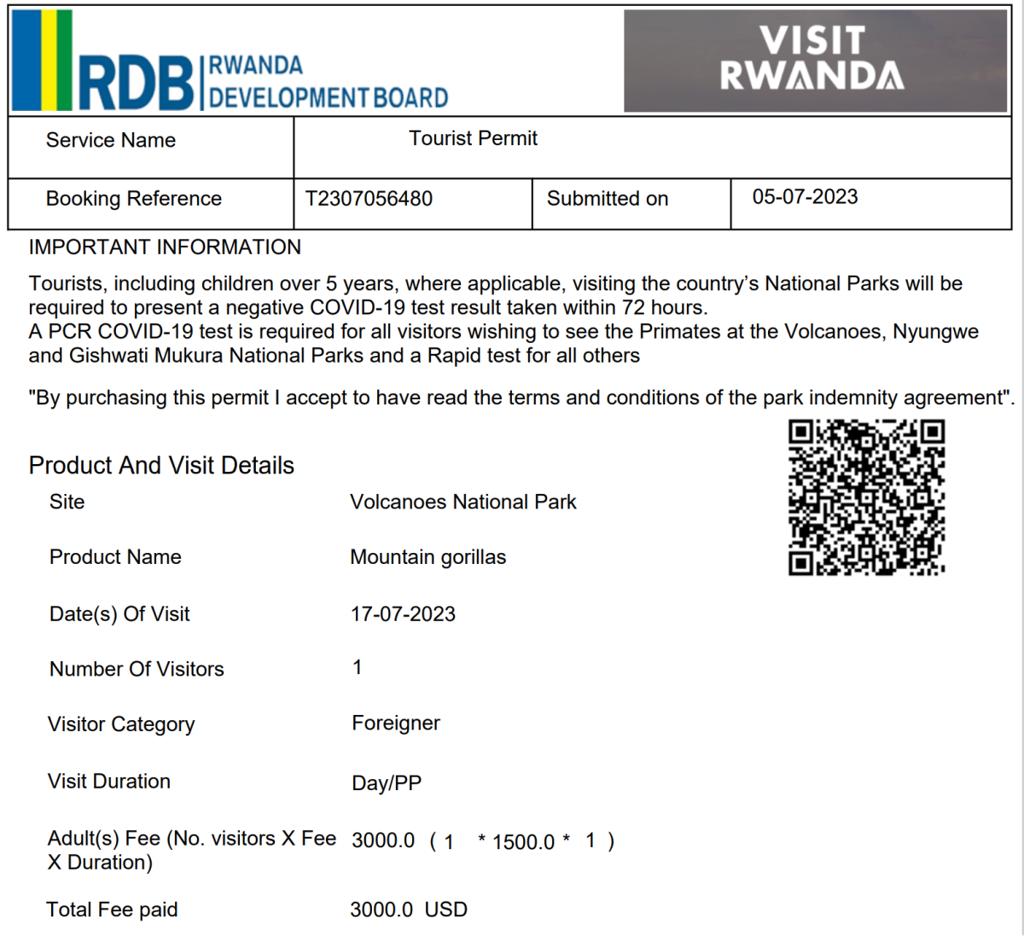
If you plan to visit Rwanda, use the official Rwanda Development Board (RDB) gorilla tracking booking portal. It provides information about available permits, visitor categories, application requirements and applicable fees.
Rwanda currently lists a standard permit fee of US$1,500 for foreign visitors. However, eligible categories may qualify for lower promotional rates. These include Rwandan citizens, East African citizens, African citizens and certain foreign residents in Africa.
For example, the published promotional rates include US$200 for eligible Rwandan and East African citizens. Other eligible African visitors and foreign residents in Africa may qualify for the US$500 rate. However, these rates have specific conditions and seasonal restrictions.
As of November 2026, the RDB portal indicates that the promotional rates do not apply from June to October 2026. Rwanda also announced an extension of the promotional rates through the end of 2026. Since these conditions can change, check the official portal again for your actual trekking date.
You can access the official booking information here:
Verify Uganda Gorilla Permit Prices Through UWA
Travellers planning to track gorillas in Uganda should check information from the Uganda Wildlife Authority (UWA). UWA manages gorilla trekking permits for Bwindi Impenetrable National Park and Mgahinga Gorilla National Park.
The revised UWA tariff lists the following standard gorilla tracking fees:
- Foreign non-residents: US$800
- Foreign residents: US$700
- Visitors from the rest of Africa: US$500
- East African citizens: UGX 300,000
The tariff also lists separate fees for the Gorilla Habituation Experience. This is a different activity from standard gorilla trekking, so travellers should not confuse the two prices.
Remember that these rates depend on your visitor category and the tariff applicable to your travel date. Uganda may also offer special promotional rates under specific conditions. Therefore, ask UWA or your licensed tour operator to confirm whether any promotion applies to your dates.
You can visit the official UWA website for current information:
Understand the Visitor Categories Before Checking Gorilla Permit Prices
One common reason travellers receive different quotations is that they belong to different visitor categories. The same destination may have several permit rates depending on citizenship or residency status.
For example, a foreign non-resident may pay a different amount from an East African citizen. Similarly, a foreign resident may qualify for a different rate if they meet the required conditions.
Before checking the price, identify the category that applies to you. Do not assume that living in an East African country automatically makes you an East African citizen. Citizenship and residency are different.
In Rwanda, certain foreign residents must provide proof of at least four consecutive months of residency or work permit status to qualify for the relevant rate. East African citizens may also need to present a valid passport or EAC identification document.
In Uganda, the applicable category also depends on the visitor’s status. The wildlife authority or licensed operator may request supporting documents before confirming the correct fee.
Safari O’clock can help travellers understand these categories before they proceed with a booking. This reduces the risk of selecting the wrong permit rate.
Check Whether Gorilla Permit Prices Have Changed
Never assume that a price published several months ago still applies. Instead, check the date of the information and compare it with the latest official tariff.
This is particularly important when planning a safari several months in advance. A traveller who checks the price early in the year may find that the applicable tariff has changed before the actual trekking date.
Start by checking the publication date of the tariff. If the website does not show when the information was updated, contact the relevant authority for clarification.
Next, confirm whether the listed price applies to your exact travel period. Some promotional rates have seasonal restrictions. Others may apply only to specific visitor categories.
You should also ask whether the quoted fee is for standard gorilla trekking or a different activity. The Gorilla Habituation Experience, for example, has a separate fee in Uganda.
Most importantly, request written confirmation of the applicable price before sending payment. This gives you a clear record of the amount agreed upon.
Confirm What Is Included in the Gorilla Permit Fee
Knowing the permit price is important. However, you should also understand what the fee covers.
A gorilla permit is not the same as a complete safari package. It generally provides permission to participate in the regulated gorilla trekking activity on the confirmed date. It does not automatically cover every expense involved in reaching the park.
Uganda’s published tariff states that its standard gorilla permit includes the guide fee, park entrance fees for the day and a community development contribution.
However, you should still budget separately for other travel expenses. These may include accommodation, airport transfers, vehicle hire, meals, international flights, travel insurance and personal expenses.
Rwanda and Uganda also have different tourism arrangements. Therefore, do not assume that everything included in one country’s permit fee is included in another country’s package.
When Safari O’clock prepares a quotation, ask for a clear breakdown of the permit and other safari costs. This helps you understand exactly what you are paying for.
Ask Your Tour Operator to Confirm Gorilla Permit Prices
A professional tour operator can help you verify the correct permit rate and understand the booking requirements. However, travellers should still check the operator’s credibility before making any payment.
If you are booking through Safari O’clock, provide your preferred travel dates, destination and visitor category. This allows the team to check the relevant permit information and guide you through the next steps.
Ask your operator to confirm the following details:
- The official permit price for your visitor category.
- The trekking date and destination.
- Whether the permit is available for your preferred date.
- Whether the quoted price includes any additional services.
- The payment procedure and booking confirmation.
- Any conditions that apply to changes or cancellations.
For Uganda, foreign non-residents must purchase gorilla permits through tour operators licensed by the Uganda Tourism Board. Therefore, verify the operator’s licence before proceeding.
You should also request an official invoice or written payment instructions. Uganda Wildlife Authority’s public advisory specifically advises visitors to obtain a proforma invoice confirming the reservation before making payment.
A reliable operator should explain the costs clearly and provide the relevant booking information. Avoid sending money to personal accounts or accepting vague payment instructions.
Be Careful With Old Gorilla Permit Prices Online
The internet contains many useful travel resources. However, not every published price reflects the current official tariff.
Some travel websites update their articles regularly. Others leave old information online for several years. As a result, travellers may find different prices for the same activity.
Social media can create further confusion. A screenshot shared by another traveller may show a promotional rate that has expired. It may also apply to a different visitor category.
Before relying on any online price, ask yourself three questions. When was the information published? Which visitor category does it cover? Does it apply to your travel dates?
If the information does not answer these questions, verify it directly with the wildlife authority.
At Safari O’clock, we recommend treating third-party travel articles as starting points rather than final proof of the amount payable. Official booking information should guide your final decision.
Verify Gorilla Permit Prices Before Paying
Once you have confirmed the correct price, take time to review the payment instructions. This is an important part of protecting your booking.
First, check that the payment amount matches the official quotation. If your operator provides a breakdown, compare the permit fee with the additional services.
Secondly, confirm the payment recipient. For Uganda, UWA provides official payment procedures and requires appropriate invoices for reservations. Foreign non-residents should use a licensed tour operator.
For Rwanda, follow the payment instructions provided through the official RDB booking process or a properly authorised booking arrangement.
Never rush to pay because someone claims that a permit will disappear within minutes. Gorilla permits have limited availability, but you should still receive clear booking details and legitimate payment instructions.
After payment, request written confirmation. Keep your invoice, payment receipt, permit details and booking correspondence in a safe place.
Also, check that the names and passport details on the booking are correct. RDB warns that incorrect or incomplete applications can lead to denied entry, even when payment has been made.
How to Budget for Your Gorilla Trekking Safari
Once you verify the permit fee, you can prepare the rest of your travel budget. This is especially useful for travellers who want to combine gorilla trekking with other activities.
Start with the confirmed permit price. Then add accommodation near the trekking destination. In Rwanda, many visitors stay around Musanze before travelling to the Volcanoes National Park briefing point at Kinigi.
In Uganda, accommodation options are available around different sectors of Bwindi and near Mgahinga. Your choice should depend on the trekking location and the route planned for your safari.
Next, consider transport. The distance from your hotel to the park, airport transfers and the type of vehicle can affect your overall budget.
You should also include meals, travel insurance, visa costs where applicable, porter services and personal expenses. If you plan to visit other national parks, include those activities in your budget as well.
A clear budget helps you avoid focusing only on the permit fee while overlooking other important costs.
Safari O’clock can help you plan these arrangements around your confirmed trekking date. This makes it easier to understand the full cost of your safari before travelling.
A Simple Checklist for Verifying Gorilla Permit Prices
Before confirming your gorilla trekking safari, go through this checklist:
- Confirm whether you are trekking in Rwanda or Uganda.
- Identify the national park and preferred trekking date.
- Check the latest official wildlife authority tariff.
- Confirm the visitor category that applies to you.
- Check whether promotional rates or seasonal conditions apply.
- Confirm whether you want standard trekking or a habituation experience.
- Ask what the permit fee includes.
- Request written confirmation of the price and availability.
- Verify the tour operator’s credentials where required.
- Follow official payment instructions and keep your receipt.
Completing these steps can help you avoid common booking mistakes. It also gives you more confidence when preparing your travel arrangements.
Frequently Asked Questions About Gorilla Permit Prices
How can I check current gorilla permit prices?
Start with the official wildlife authority for your destination. For Rwanda, check the Rwanda Development Board booking portal. For Uganda, consult the Uganda Wildlife Authority. You can also ask Safari O’clock to help verify the applicable rate for your travel dates and visitor category.
Are gorilla permit prices the same in Rwanda and Uganda?
No. Rwanda and Uganda have different permit fees and booking procedures. Their prices also vary according to visitor categories and applicable tariff conditions. Always check the correct destination before making payment.
Can I rely on gorilla permit prices published on travel websites?
Travel websites can provide useful guidance. However, some articles may contain outdated information. Always compare the published price with the latest official tariff before booking.
Does the gorilla permit cover my entire safari?
No. A gorilla permit does not automatically cover your flights, accommodation, meals, airport transfers and other safari activities. Check your package quotation to understand which services are included.
Can East African citizens qualify for lower gorilla permit prices?
Yes. Both Rwanda and Uganda publish specific rates for eligible East African citizens. However, travellers must meet the relevant identification and eligibility requirements. Confirm the documents needed before booking.
Should I verify the permit price before booking accommodation?
Yes. It is wise to check permit availability and the applicable price before making non-refundable travel arrangements. Once your trekking date is confirmed, you can organise accommodation and transport around it.
Plan Your Gorilla Trekking Safari With Safari O’clock
A successful gorilla trekking safari begins with accurate information. Verifying the current permit price helps you understand the financial requirements and avoid unexpected costs.
However, checking the price is only one part of the planning process. You must also confirm permit availability, prepare the correct travel documents and organise accommodation and transport.
Safari O’clock helps travellers plan gorilla trekking experiences in Rwanda and Uganda. From permit guidance to transport and accommodation arrangements, the team can help you organise the important details of your journey.
Before you make your next booking, let Safari O’clock help you confirm the applicable permit rate and plan around your preferred travel dates.
Contact Safari O’clock today and start planning your gorilla trekking adventure with confidence.