- DIRECT CONTACTS:
- +256394517569
- tours@safarioclock.africa

Why Permit Rules and Prices Should Be Checked Before Publication

How to Verify Current Gorilla Permit Prices Before Travelling
November 21, 2026
How to Organise Gorilla Permits for Couples Travelling Together
November 21, 2026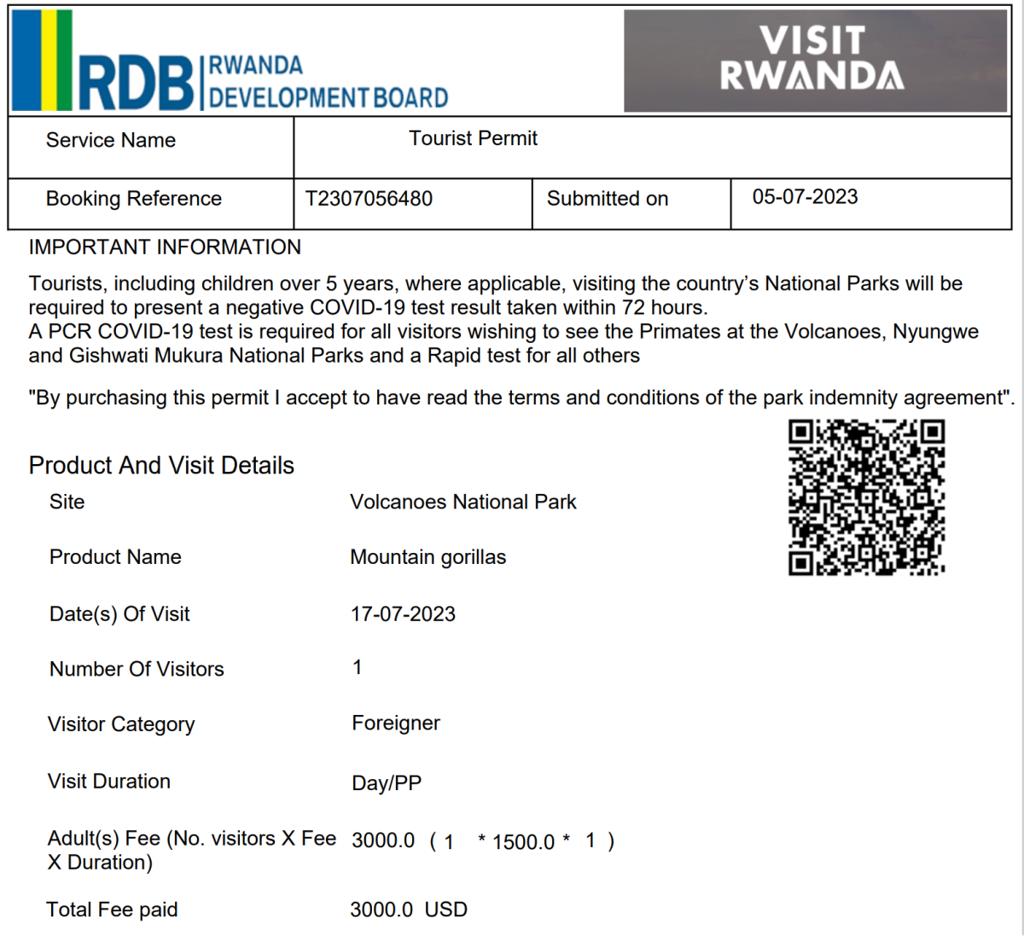
Publishing travel information requires more than writing an attractive article. It also requires accurate research, reliable sources and regular fact-checking. This is especially important when writing about gorilla trekking permits in Rwanda and Uganda.
Gorilla permits have specific prices, booking conditions and visitor requirements. These details come from official wildlife authorities. They may also change when new conservation tariffs or booking guidelines take effect. Therefore, travel companies must confirm the information before publishing it on their websites, brochures, social media pages or travel guides.
An outdated permit price can mislead a traveller who is preparing a safari budget. Similarly, an incorrect age requirement or booking rule can cause confusion during the reservation process.
At Safari O’clock, accurate travel information is an important part of responsible tourism communication. Before publishing any article about gorilla trekking, the team should verify the latest permit rules and prices. This helps travellers make informed decisions and builds confidence in the information they receive.
Why Permit Rules and Prices Must Be Verified Before Publication
Travel information can influence important decisions. A visitor may use a blog post to choose a destination, calculate a budget or decide when to book a gorilla trekking safari. As a result, even a small error can have serious consequences.
For example, imagine a traveller reading an article that lists an old gorilla permit price. They may use that figure to prepare their budget. Later, they discover that the official tariff has changed. This can create unexpected expenses and damage their confidence in the travel company.
The same problem can occur with booking conditions. A blog may describe a cancellation policy that no longer applies. Another article may give an incorrect minimum age or fail to explain the documents required for a discounted rate.
Therefore, writers should never treat permit information as permanent. They should check the official rules and prices before publishing and update the information whenever the relevant authority makes changes.
Official Sources Help Confirm Permit Rules and Prices
The first step in accurate travel writing is identifying the organisation responsible for the information. For gorilla trekking, the main authorities are the Rwanda Development Board (RDB) and the Uganda Wildlife Authority (UWA).
These organisations manage the relevant permit systems and publish official information about fees, booking requirements and visitor guidelines. Their websites should be the starting point for any article that discusses gorilla trekking regulations.
Check Rwanda Permit Rules and Prices Through RDB
The Rwanda Development Board manages mountain gorilla tracking permits for Volcanoes National Park. Its official booking portal provides information about permit fees, visitor categories, age restrictions and booking procedures.
For example, the RDB portal lists a standard permit price of US$1,500 for foreign visitors. It also displays promotional rates for eligible categories, including Rwandan citizens, East African citizens, African citizens and certain foreign residents.
However, these reduced rates have conditions. The portal explains that foreign residents must meet specific residency requirements. It also identifies periods when promotional rates do not apply.
The portal further states that visitors must be at least 15 years old. It warns that applicants who submit incorrect or incomplete documents may be denied entry, even if they have paid for a permit.
These details show why writers must read the complete official information rather than copying one price from a travel article.
Before publishing information about Rwanda, visit the official RDB booking portal:
Check Uganda Permit Rules and Prices Through UWA
Uganda Wildlife Authority manages gorilla trekking permits for Bwindi Impenetrable National Park and Mgahinga Gorilla National Park.
UWA publishes conservation tariffs that explain the fees for different visitor categories. It also provides guidelines covering bookings, payments, permit validation, rescheduling and refunds.
For instance, UWA’s published Conservation Tariff for January 2027 to June 2028 lists standard gorilla tracking at US$800 for foreign non-residents, US$700 for foreign residents, US$500 for visitors from the rest of Africa and UGX 300,000 for East African citizens.
However, this tariff has a future effective period. A writer publishing before January 2027 must not present these figures as the rates already in force in November 2026. Instead, the article should identify the tariff’s effective dates and explain when the new rates begin.
This distinction is important because a published document may be available before its effective date.
Writers can check UWA’s official website and published conservation tariffs here:
Permit Rules and Prices Can Change Over Time
One of the biggest challenges in travel content writing is keeping information current. A price that was correct when a writer created an article may become outdated later.
Wildlife authorities may introduce new tariffs, adjust visitor categories or change booking procedures. They may also introduce promotional offers for specific periods.
For example, Uganda’s published 2027–2028 tariff has a clearly stated validity period. It also includes special low-season rates for April, May and November. These details should appear correctly in any article that discusses the relevant tariff.
Rwanda also publishes promotional permit rates with specific eligibility and seasonal conditions. A writer who copies the discounted amount without explaining those conditions may create a misleading impression.
Therefore, every published article should distinguish between current rates, future rates and temporary promotional offers.
Writers should also check the date of the source. If an official authority publishes a new tariff, they should review existing articles and update any affected information.
Incorrect Permit Rules and Prices Can Mislead Travellers
Travel decisions often involve significant financial commitments. A visitor may spend money on international flights, accommodation, transport and other safari arrangements.
When a travel company publishes incorrect permit information, it can affect the entire planning process.
For example, an outdated price may cause a traveller to underestimate the total safari budget. An incorrect visitor category may also lead someone to expect a discount they do not qualify for.
Booking rules can create similar problems. If an article promises that a permit can be changed freely, the traveller may make arrangements based on an inaccurate assumption.
Uganda’s official tracking guidelines explain that rescheduling depends on availability and specific conditions. They also outline applicable surcharges and refund procedures. These rules are more detailed than a simple statement that permits can be changed.
Rwanda’s booking portal also explains its own application, refund and visitor requirements. These conditions are not necessarily identical to Uganda’s.
For this reason, Safari O’clock should avoid presenting the rules of one country as though they apply to both destinations. Every article must identify the correct wildlife authority and destination.
Why Writers Should Include the Effective Date of Permit Prices
A price without a date can quickly become confusing. Readers need to know when the quoted amount applies.
For example, an article might state that a gorilla permit costs a particular amount. However, it may not explain whether the price applies to the current year or a future tariff period.
A better approach is to include the effective date in the article. This gives readers a clearer understanding of the information.
Writers should also identify the visitor category. A foreign non-resident may pay a different fee from an East African citizen or a foreign resident.
When a price applies only during a promotional period, the article should state the relevant dates and eligibility requirements. This prevents readers from assuming that the discount applies throughout the year.
At Safari O’clock, we recommend including a short price note near every published fee table. It should identify the official source, the tariff period and the visitor category.
This small detail makes travel information easier to understand and maintain.
Permit Rules and Prices Must Be Checked for Each Destination
Rwanda and Uganda are both important mountain gorilla trekking destinations. However, their permit systems have different requirements.
Rwanda manages gorilla tracking in Volcanoes National Park. Uganda manages it in Bwindi Impenetrable National Park and Mgahinga Gorilla National Park.
Although both countries require permits, their tariffs, application procedures and visitor conditions are not identical.
For example, Rwanda’s booking portal states that visitors must report at 7:00 a.m. for registration and briefing. Uganda’s official tracking guidelines provide separate procedures for its designated tracking locations and permit validation.
The two countries also publish their own rules for visitor categories and supporting documents.
Therefore, writers should create separate sections for Rwanda and Uganda. They should avoid combining different prices into one general figure or describing one country’s requirements as universal gorilla trekking rules.
This approach helps readers understand which conditions apply to their chosen destination.
Check Visitor Categories Before Publishing Permit Prices
Permit prices often depend on the visitor’s citizenship or residency status. This means writers must understand the categories before presenting a fee.
Uganda’s official guidelines identify categories such as East African Community citizens, visitors from the rest of Africa, foreign residents and foreign non-residents. Each category has specific document requirements.
For example, an East African citizen may need to provide a valid national identity card or passport from an EAC member state. A foreign resident may need a valid passport and proof of residency, such as a work permit or residence document.
Rwanda also applies different rates to different visitor categories. Its booking portal explains the documents needed to qualify for certain resident rates.
Writers should never assume that a person qualifies for a discount simply because they live in an African country. Citizenship and residency are different conditions.
Before publishing a price table, confirm the correct category names and supporting documents. If the eligibility requirements are unclear, contact the relevant authority for clarification.
Verify Booking, Cancellation and Rescheduling Rules
Permit prices are only one part of the information travellers need. Booking conditions can also affect the cost and flexibility of a safari.
For example, Uganda’s official guidelines explain how visitors can request permit rescheduling. The rules include limits on the number of changes, availability requirements and possible surcharges.
The guidelines also describe cancellation and refund procedures. These conditions may depend on how far in advance the visitor makes the request and the reason for cancellation.
Rwanda has its own booking and refund conditions. Its official portal explains when visitors may qualify for a refund and when cancellations or late arrivals do not qualify.
These differences matter when writing articles about permit changes, cancellations or travel disruptions.
Writers should avoid using broad statements such as “all gorilla permits are non-refundable” unless the official rules support that exact claim. They should also avoid promising that every permit can be rescheduled.
Instead, explain the applicable conditions and direct readers to the relevant authority for the latest requirements.
How Accurate Permit Information Builds Trust in Safari O’clock
A travel website is often one of the first places a potential visitor searches for information. Readers expect clear answers about destinations, costs, booking procedures and travel requirements.
When a company publishes accurate information, it gives visitors more confidence in its services.
For Safari O’clock, this means checking facts before publishing every gorilla trekking article. It also means correcting outdated information when official rules change.
Accuracy can improve the customer experience in several ways.
First, travellers can prepare realistic budgets. Secondly, they can understand the documents and eligibility requirements before booking. Thirdly, they can compare Rwanda and Uganda using reliable information.
Most importantly, accurate content helps prevent misunderstandings between travellers and the tour operator.
A company should not publish a price simply because another website has mentioned it. It should confirm the figure using the responsible wildlife authority.
This approach supports professional communication and helps Safari O’clock maintain a reliable travel information resource.
A Practical Checklist for Checking Permit Rules and Prices Before Publication
Before publishing a gorilla trekking article, travel companies and content writers should review the following points:
- Confirm whether the article discusses Rwanda or Uganda.
- Identify the responsible wildlife authority.
- Check the latest official conservation tariff or booking information.
- Confirm the effective date of the published rates.
- Check the visitor categories and eligibility requirements.
- Verify the minimum age and other visitor restrictions.
- Confirm the booking and payment procedures.
- Review cancellation, refund and rescheduling conditions.
- Distinguish standard gorilla tracking from the Gorilla Habituation Experience.
- Include the official source or booking link.
- Remove outdated prices and unsupported claims.
- Record the date when the information was last checked.
This checklist can become part of Safari O’clock’s regular content review process. It helps writers check important details before an article reaches the public.
How Often Should Travel Websites Update Permit Information?
Travel companies should not wait for a customer to report an error before reviewing their content. Instead, they should check important information regularly.
Permit prices and booking rules deserve particular attention because they can affect travel budgets and reservations.
A practical approach is to review price-related articles whenever a wildlife authority announces a new tariff. Writers should also check their content before the start of a new tariff period.
For example, when Uganda publishes a tariff for a future period, Safari O’clock should prepare an update and make the effective date clear. The company should also review older articles that contain prices affected by the new tariff.
Rwanda-related articles should receive similar attention when RDB announces changes to promotional rates, eligibility or booking conditions.
A useful website practice is to include a “Last verified” date on articles containing permit prices. This tells readers when the team last checked the information. However, the date should only change after someone has genuinely reviewed the official source.
Regular updates help keep the website useful long after the original article goes live.
Frequently Asked Questions About Publishing Permit Rules and Prices
Why should permit rules and prices be checked before publication?
Writers should verify permit information to prevent outdated prices, incorrect booking conditions and misleading travel advice. Accurate information helps travellers plan their budgets and understand the requirements before booking.
Which official sources should travel writers use?
For Rwanda, writers should check the Rwanda Development Board’s official gorilla tracking booking portal. For Uganda, they should consult the Uganda Wildlife Authority’s official website, conservation tariffs and tracking guidelines.
Can a travel company use prices from another travel website?
A travel company may use other websites for general research. However, it should confirm permit prices and rules through the relevant wildlife authority before publication. Third-party articles may contain outdated or incomplete information.
Should future permit prices be published?
Yes, provided the writer clearly identifies the future effective period. A future tariff should never be presented as the current rate before its official start date.
How often should gorilla permit information be reviewed?
Review it whenever the responsible authority announces a new tariff or changes its booking rules. It is also good practice to check important price-related articles before each new tariff period.
What happens when a travel website publishes incorrect permit information?
Incorrect information can confuse travellers, affect their budgets and damage the company’s reputation. In some cases, it may cause visitors to misunderstand eligibility or booking requirements.
Publish Accurate Gorilla Trekking Information With Safari O’clock
Responsible travel content begins with reliable information. Every price, booking condition and visitor requirement should come from a source that can be trusted.
For gorilla trekking, the Rwanda Development Board and Uganda Wildlife Authority provide essential information about permits and visitor guidelines. Travel companies should use these official resources before publishing content about the two destinations.
At Safari O’clock, we believe that useful travel information should be clear, accurate and relevant to the traveller’s needs. This means checking permit rules and prices before publication and reviewing existing articles whenever official requirements change.
Whether you are planning a gorilla trekking safari in Rwanda or Uganda, accurate information can make the preparation process easier.
Choose Safari O’clock for helpful travel guidance and let your gorilla trekking journey begin with the right information.