- DIRECT CONTACTS:
- +256394517569
- tours@safarioclock.africa

How Tour Operators Help Coordinate Rwanda Gorilla Permits

What to Confirm Before Paying for a Gorilla Trekking Permit
November 21, 2026
Understanding the Difference Between a Gorilla Permit and a Complete Tour Package
November 21, 2026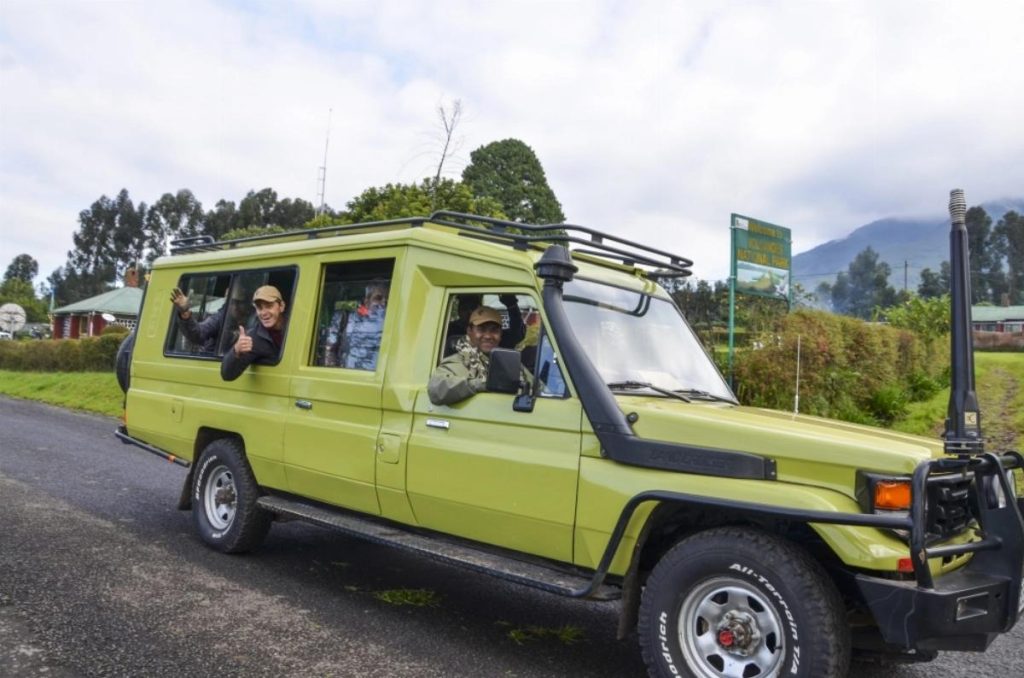
Planning a mountain gorilla trek in Rwanda involves more than choosing a travel date and arriving at the park. Visitors must secure an official gorilla permit, submit accurate travel documents, arrange transport and understand the park’s visitor requirements. These steps can feel complicated, especially for travellers visiting Rwanda for the first time.
This is where tour operators play an important role. They help travellers organise the booking process and connect the gorilla permit with the rest of the safari. They can also help coordinate accommodation, transport, park transfers and other travel arrangements.
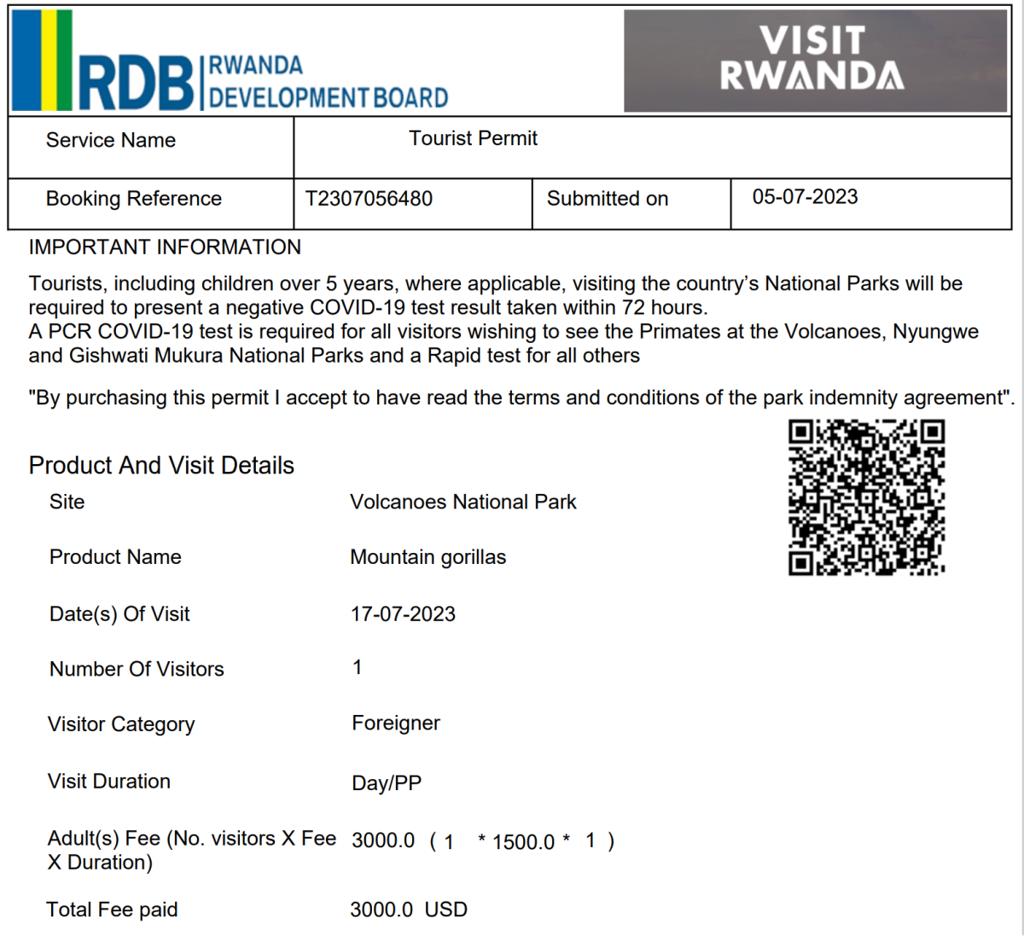
However, it is important to understand who issues the permit. The Rwanda Development Board (RDB) manages Rwanda’s official tourism permit system. Tour operators help coordinate bookings, but they do not independently issue official gorilla permits or control the number of permits available.
At Safari O’clock, we believe that understanding this process helps travellers plan with confidence. Here is how tour operators help coordinate Rwanda gorilla permits and what visitors should expect before confirming their trip.
Understanding How Rwanda Gorilla Permits Work
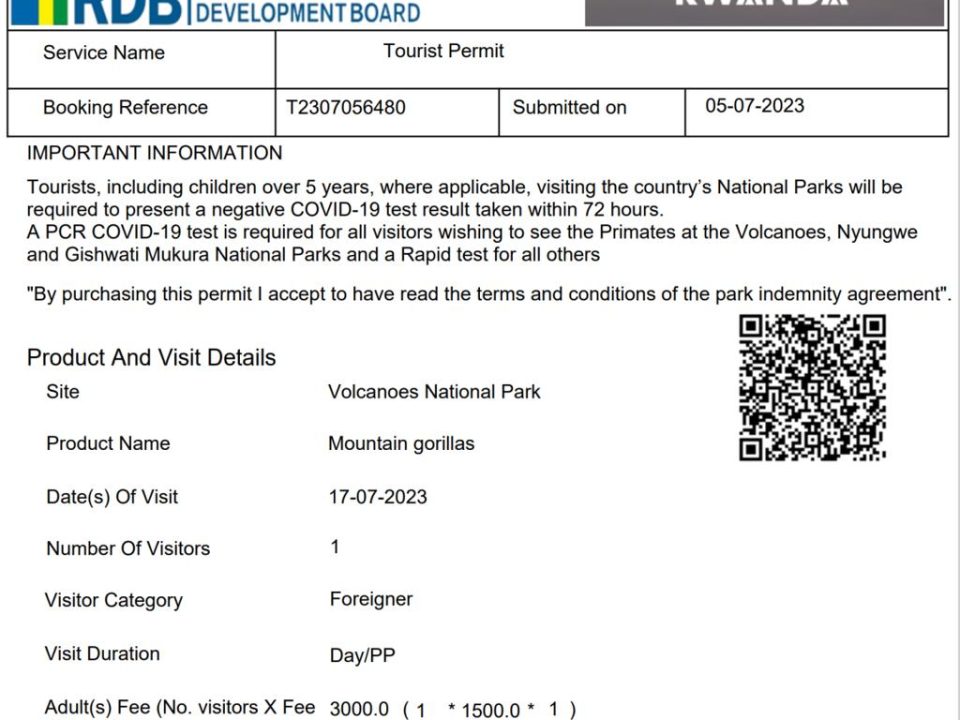
Rwanda’s mountain gorilla trekking experience takes place in Volcanoes National Park. Visitors need a valid gorilla trekking permit before they can participate in the activity. The permit authorises one visitor to join a scheduled trek under the park’s regulations.
The Rwanda Development Board manages the official booking system. Travellers can apply through the official online platform or arrange their booking through a tour operator. Visit Rwanda also advises visitors who prefer private travel companies to use licensed tour operators and guides.
The official system allows visitors to apply for permits, make advance bookings, confirm bookings and access certain rescheduling or transfer services. Therefore, travellers should understand that the operator assists with coordination while the relevant official system controls the permit process.
A permit is not simply a general park entrance ticket. It is linked to a particular visitor, date and trekking activity. For this reason, accurate information matters from the beginning.
How Tour Operators Check Rwanda Gorilla Permit Availability
One of the first ways tour operators help is by checking whether permits are available for the traveller’s preferred dates. This is especially important during busy travel periods when demand can be high.
A traveller may have a fixed holiday schedule, flight booking or accommodation reservation. However, the preferred trekking date may not have an available permit. An experienced operator helps check the available options before the traveller makes other firm arrangements.
The operator can discuss alternative dates and help the visitor consider a different travel schedule. For example, a traveller who wants to trek on a Saturday may need to consider Friday or Sunday if the preferred date is unavailable.
This early check can prevent unnecessary changes later. It also helps the traveller make informed decisions before paying for the wider safari.
However, availability can change. A date discussed with an operator should not be treated as a confirmed permit until the official booking process has successfully secured it. Safari O’clock encourages travellers to request clear confirmation of the permit status before making non-refundable travel arrangements.
How Tour Operators Help Submit Correct Traveller Details
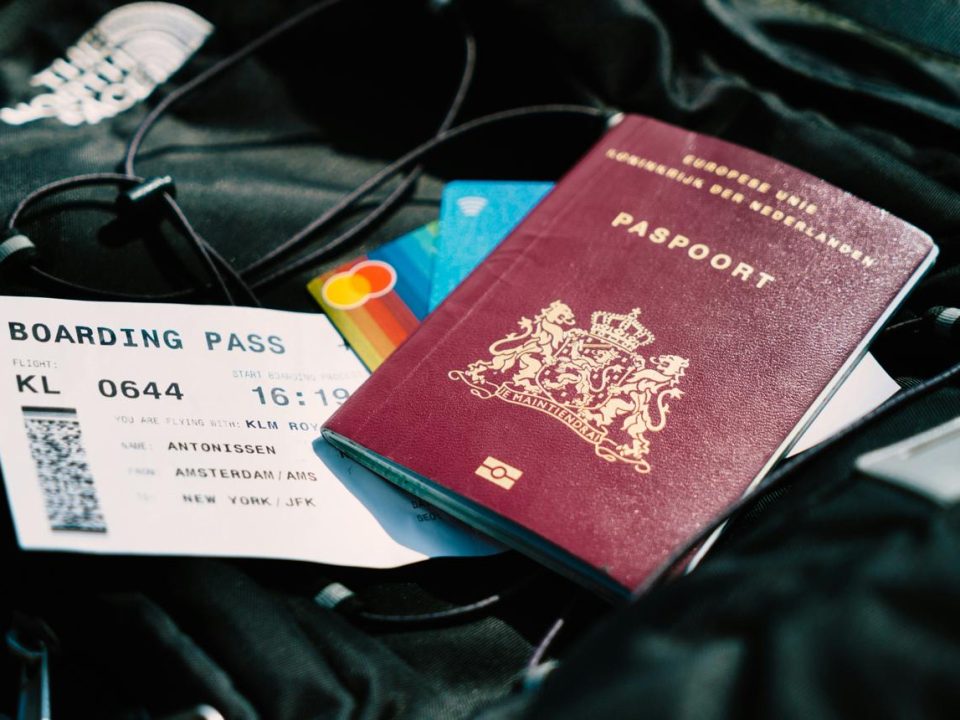
Permit applications require accurate traveller information. The RDB booking instructions request details such as the visitor’s name, passport information, email address and phone number. The application may also require supporting documents.
Tour operators help collect and organise these details before submitting an application through the appropriate booking process. They can compare the information supplied by the traveller with the travel document that will be used during the trip.
This step is important because incorrect details can cause serious problems. For example, a spelling mistake in a name, an incorrect passport number or an expired identity document may affect the application.
The official RDB guidance warns that visitors with erroneous, incomplete or false applications may be denied entry at the park, even if they have received a system-generated permit and made payment.
Therefore, travellers should provide clear and accurate documents from the start. They should also review the information before the operator submits the application.
Safari O’clock recommends checking every detail carefully. Correct information helps reduce avoidable delays and supports a smoother permit process.
How Tour Operators Coordinate Rwanda Gorilla Permits and Payments
Payment is another important part of permit coordination. Tour operators explain the payment arrangements, communicate the amount due and clarify whether the permit cost forms part of a wider safari package.
When a traveller books through an operator, the traveller should understand exactly what the quoted amount covers. It may include the gorilla permit, accommodation, transport, meals, guiding services or other activities. These items should appear clearly in the quotation or booking agreement.
The operator should also explain the payment deadline and the accepted payment method. Travellers should request an official invoice or written payment instructions before transferring money. They should keep proof of payment and ask for confirmation once the booking process is complete.
It is also important to separate payment to a tour company from payment to the permit authority. The exact arrangement depends on the booking channel and the operator’s terms. Travellers should ask who receives the money, how the permit payment is processed and what document confirms the booking.
A responsible operator does not rely on vague promises. Instead, the company explains the payment process and provides clear records.
Before paying, travellers can also review the official Rwanda gorilla tracking booking information.
How Tour Operators Match Rwanda Gorilla Permits With Safari Dates
Securing a permit is only one part of planning a successful gorilla trekking trip. Visitors must also reach Volcanoes National Park on time and prepare for the early morning registration process.
Tour operators help connect the permit date with the wider itinerary. They consider the traveller’s arrival in Rwanda, the distance to the park, accommodation location and planned departure time.
For example, a visitor arriving in Kigali late in the evening may find it more practical to spend the night in Kigali or travel to Musanze the following day. A traveller with a morning trek may prefer to stay closer to Volcanoes National Park the night before.
The operator can also coordinate airport transfers, private transport, accommodation and other activities. This reduces the pressure on visitors to organise every service separately.
The official RDB information states that visitors should report to the park’s visitor information or registration centre at 07:00. Travellers should therefore plan their overnight stay and morning transfer carefully.
Safari O’clock helps travellers consider these practical details when arranging a Rwanda gorilla trekking itinerary. The goal is to make sure that the permit date, accommodation and transport work together.
How Tour Operators Explain Permit Rules and Visitor Requirements
A gorilla permit comes with rules designed to protect visitors and mountain gorillas. Tour operators help explain these requirements before the trekking day.
For instance, Rwanda’s minimum age for gorilla tracking is 15 years. Visitors should also avoid trekking when they have a cold, flu or another contagious illness. This is important because mountain gorillas can be vulnerable to human diseases.
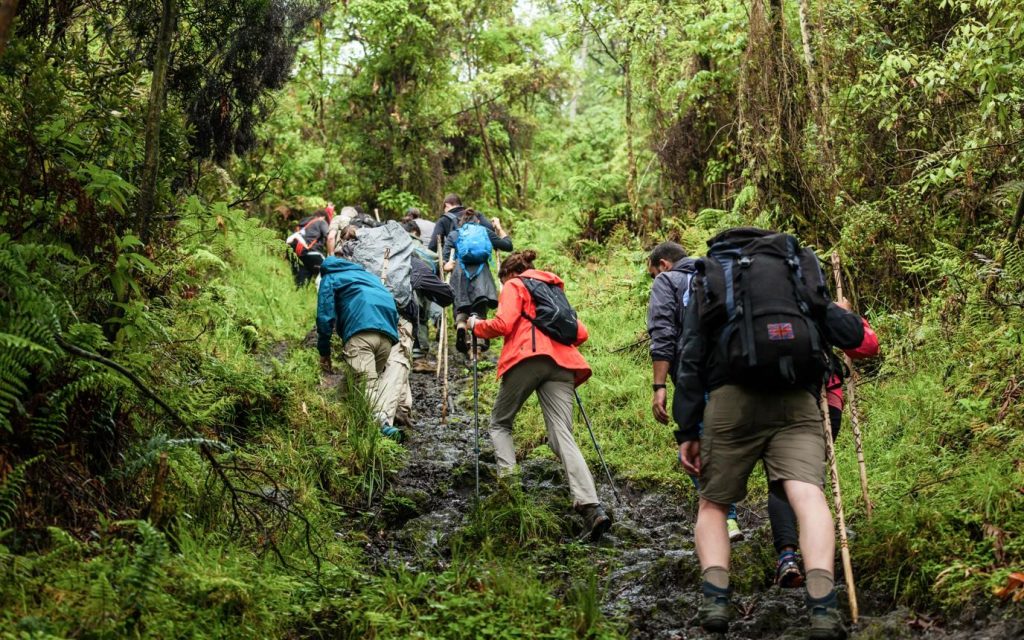
The park provides a briefing before the trek. During this session, guides explain the rules visitors must follow when they meet the gorillas. These include maintaining the required distance, following the guide’s instructions and behaving responsibly around the animals.
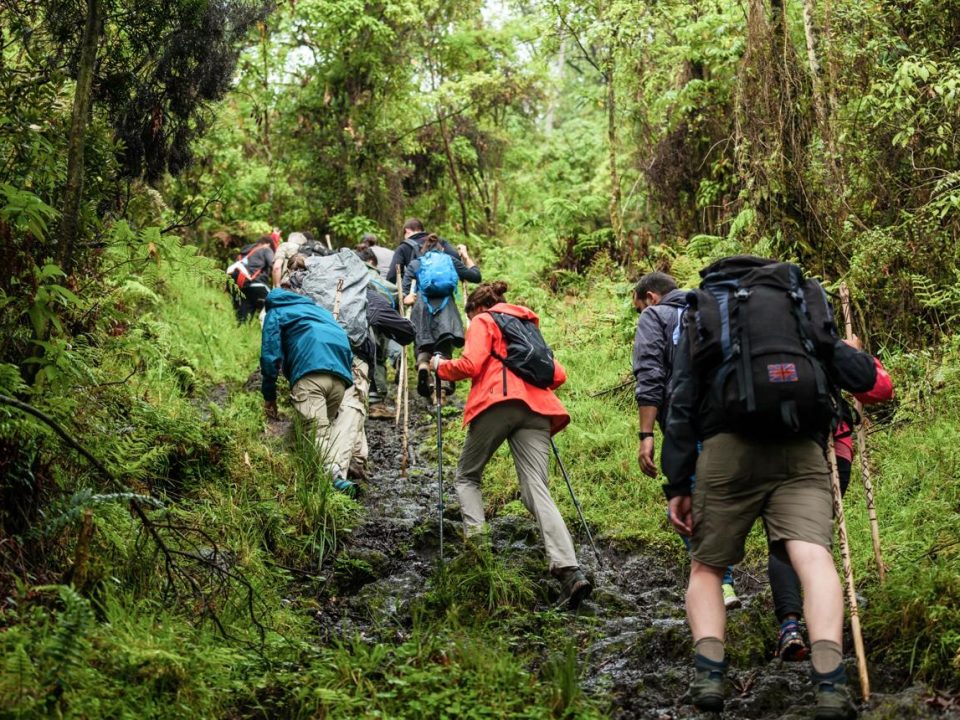
Tour operators can share this information before departure. They can also advise travellers on suitable clothing, sturdy walking shoes, rain protection and other practical items.
Good preparation helps visitors arrive with realistic expectations. It also supports responsible tourism and the conservation of Rwanda’s mountain gorillas.
How Tour Operators Help When Rwanda Gorilla Permit Plans Change
Travel plans can change for many reasons. A visitor may experience a flight delay, a change in holiday dates, illness or an unexpected personal commitment.
When this happens, a tour operator can help the traveller understand the available options and communicate with the relevant booking office. The operator may also help check whether the official system offers a rescheduling or transfer option for that booking.
Rwanda’s official booking portal lists services for rescheduling permits, transferring tourist permits and confirming bookings. However, these services remain subject to the applicable rules and conditions. A change is not automatically approved simply because a traveller requests it.
Travellers should therefore contact their operator as soon as a problem arises. They should avoid assuming that a permit can be moved to another date or person without official approval.
It is also wise to understand the cancellation, refund and rescheduling terms before making payment. These conditions may differ depending on the circumstances and the applicable permit rules.
Safari O’clock encourages visitors to discuss possible changes early. Quick communication gives the traveller and operator more time to explore the options available through the official system.
How Tour Operators Help Coordinate Groups and Multiple Permits
Some travellers plan gorilla trekking as a couple, family, group of friends or organised tour. In such cases, permit coordination requires additional attention.
The operator must establish how many people intend to trek and check whether enough permits are available for the preferred date. The operator also needs to collect accurate details for each traveller.
This is important because one available permit does not automatically mean that an entire group can trek on the same date. Each visitor needs the appropriate permit, and the group must follow the park’s allocation and visitor rules.
Tour operators can help coordinate the group’s booking requirements and explain any available alternatives. If the preferred date cannot accommodate everyone, the group may need to consider another date or adjust the itinerary.
They can also organise shared transport, accommodation and other services. This makes the journey easier to manage, particularly when several visitors are travelling together.
For group bookings, Safari O’clock recommends confirming the number of permits and the details of every traveller before making final travel arrangements.
Why Travellers Should Choose a Licensed Tour Operator
Choosing a tour operator is an important decision. Visitors should work with a company that operates legitimately and understands the local tourism process.
Rwanda’s Tourism Regulation Division states that tourism entities, including tour operators, must obtain a tourism operating licence. Visit Rwanda also advises visitors who book through private companies to use licensed operators and tour guides.
Before choosing a company, travellers should ask for its business details and verify its licensing status through the relevant official channels. They should also review the quotation, payment terms and services included in the package.
A reliable operator should communicate clearly, answer questions and explain what the traveller will receive. The company should not promise guaranteed permit availability before the official booking process confirms it.
Travellers should also be cautious of unusually low offers, unclear payment instructions and requests to send money without proper documentation.
At Safari O’clock, we believe that clear communication is essential throughout the planning process. Visitors should understand the permit arrangements, the services included in their package and the documents they will receive.
What Travellers Should Confirm With Tour Operators Before Paying
Although tour operators make planning easier, travellers should remain involved in the booking process. Before making payment, confirm the important details in writing.
First, check the exact trekking date and the number of permits requested. Next, confirm that the operator has used the correct traveller information and that the booking process has reached the appropriate confirmation stage.
You should also request a breakdown of the total cost. This helps you understand the permit fee and separate it from accommodation, transport and other safari services.
Ask about payment deadlines, cancellation conditions and possible rescheduling arrangements. In addition, find out which documents the operator will provide after the booking is completed.
Finally, confirm the meeting point, reporting time and accommodation arrangements for the night before the trek.
These checks help prevent misunderstandings. They also give travellers a clearer picture of what to expect before travelling to Rwanda.
Can Travellers Book Rwanda Gorilla Permits Without a Tour Operator?
Yes. Travellers can book Rwanda gorilla permits directly through the official RDB online booking platform. The official Visit Rwanda website also directs visitors to the online booking service for tourism permits.
Direct booking may suit travellers who prefer to arrange their own accommodation, transport and activities. However, they must still provide accurate information, follow the official application process and organise their travel logistics.
A tour operator offers a different advantage. The company can coordinate the permit with transport, accommodation, transfers and other parts of the safari. This can be especially helpful for first-time visitors or travellers who prefer one company to manage the arrangements.
Neither option removes the need to follow the official permit rules. The important thing is to use the correct booking channel and confirm that the permit has been successfully secured.
How Safari O’clock Helps Coordinate Rwanda Gorilla Permits
At Safari O’clock, we understand that planning a gorilla trekking experience involves several connected arrangements. Travellers need more than a permit. They also need a suitable travel date, reliable transport, accommodation and clear information about the trekking process.
Our role is to help travellers organise these arrangements and understand the steps involved in securing their Rwanda gorilla permits. We guide visitors through the planning process, help coordinate the required details and connect the permit arrangements with the wider safari itinerary.
We also encourage travellers to ask questions before making payment. Understanding the booking status, payment terms and services included in a package helps create a better travel experience.
Whether you are planning a private trip, a couple’s holiday or a group safari, early communication makes the process easier. It gives everyone more time to check availability, organise documents and prepare for the journey.
For official permit information, visitors can consult the Rwanda Development Board booking platform and the Visit Rwanda gorilla tracking guide.
Final Thoughts on Rwanda Gorilla Permit Coordination
Tour operators play an important role in helping visitors plan Rwanda gorilla trekking experiences. They can check availability, organise traveller information, explain payment arrangements and coordinate the permit with accommodation and transport.
However, the Rwanda Development Board remains responsible for the official permit system. Travellers should always request clear confirmation and understand the rules that apply to their booking.
Choosing a licensed operator and providing accurate information can make the planning process more organised. Most importantly, visitors should confirm the essential details before paying or making non-refundable travel arrangements.
With careful planning and the right support from Safari O’clock, travellers can approach their Rwanda gorilla trekking experience with greater confidence and enjoy a memorable visit to Volcanoes National Park.