- DIRECT CONTACTS:
- +256394517569
- tours@safarioclock.africa

Understanding the Difference Between a Gorilla Permit and a Complete Tour Package

How Tour Operators Help Coordinate Rwanda Gorilla Permits
November 21, 2026
Can You Arrange a Rwanda Gorilla Trek at the Last Minute?
November 21, 2026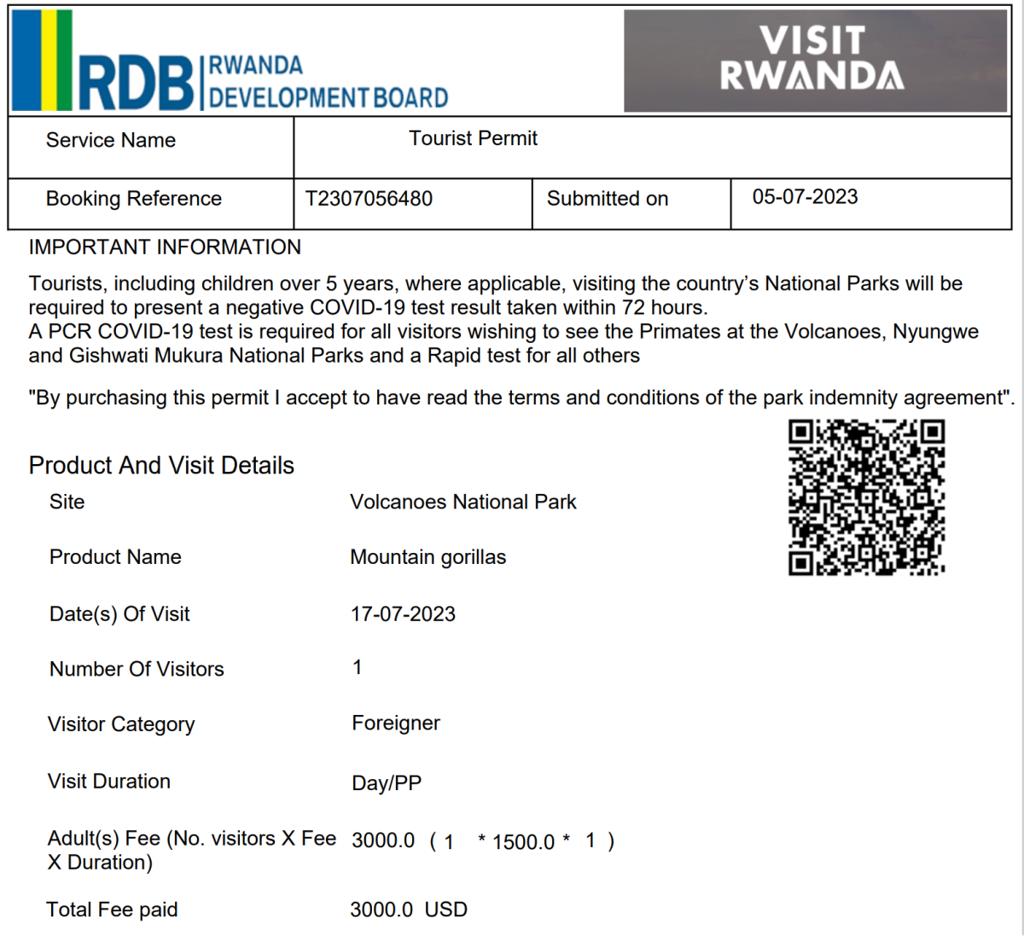
Planning a gorilla trekking holiday in Rwanda is an exciting experience. However, understanding the costs and services involved is an important part of preparing for the journey. One common source of confusion is the difference between a gorilla trekking permit and a complete tour package.
Some travellers believe that purchasing a gorilla permit covers everything needed for the safari. Others assume that every tour package automatically includes the permit. In reality, these are two different things, and understanding the distinction can help you plan your budget more accurately.
A gorilla permit gives a visitor permission to participate in the regulated gorilla trekking activity on an approved date. A complete tour package, on the other hand, combines the permit with other travel services, depending on the arrangements made with a tour operator.
For travellers visiting Rwanda’s Volcanoes National Park, this difference matters. You need to consider not only the permit but also transport, accommodation, meals and other arrangements.
At Safari O’clock, we help travellers understand these details before making their bookings. This guide explains what a gorilla permit covers, what a complete tour package may include and how to choose the option that suits your travel plans.
What Is a Gorilla Permit?
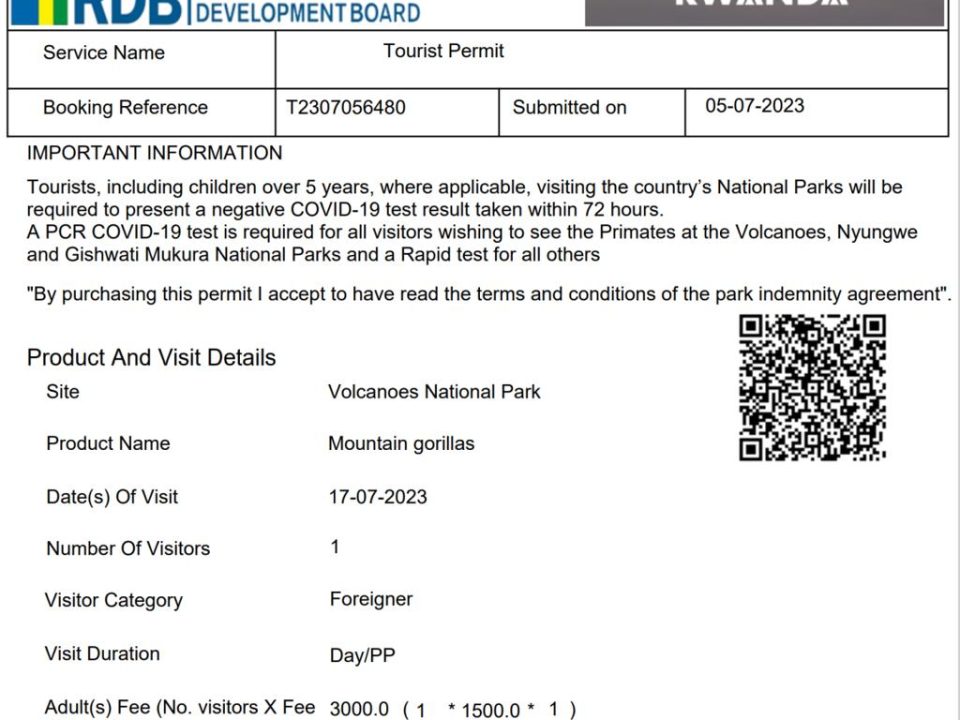
A gorilla trekking permit is an official authorisation that allows a visitor to participate in a scheduled mountain gorilla trekking experience. In Rwanda, the Rwanda Development Board (RDB) manages the official permit booking process for Volcanoes National Park.
The permit is linked to a specific visitor and trekking date. Therefore, travellers must provide accurate personal details during the application process. The official booking platform requires information such as names, passport details, email addresses and phone numbers.
A permit gives the holder access to the regulated trekking experience. It does not automatically arrange every part of the holiday.
For example, a traveller may secure a gorilla permit but still need to organise transport from Kigali, accommodation near Volcanoes National Park and meals during the trip. These services require separate arrangements unless the traveller purchases a package that includes them.
The permit is therefore the essential entry document for the gorilla trekking activity. It is not the same as a complete holiday booking.
What Does a Rwanda Gorilla Permit Include?
Understanding what the permit covers helps travellers avoid unexpected expenses. The permit relates to the gorilla trekking activity itself and the official park arrangements associated with it.
The experience includes the required park registration and briefing, as well as the services of the park’s authorised guides and ranger team. Trackers help locate the gorilla families, while park staff guide visitors throughout the experience.
Once the group reaches the assigned gorilla family, visitors are allowed a maximum of one hour with the gorillas, in line with the park’s visitor regulations.
Rwanda also limits the number of visitors who can visit a habituated gorilla family each day. The official booking system controls the allocation of permits.
However, travellers should understand that the permit does not normally cover the following services:
- International flights to Rwanda.
- Airport transfers and private road transport.
- Hotel or lodge accommodation.
- Meals and drinks outside any services specifically stated in the booking.
- Optional activities such as golden monkey tracking.
- Personal expenses and shopping.
- Porter services and tips.
- Travel insurance.
These costs may form part of a complete tour package, but travellers should never assume that they are included automatically.
The official Rwanda gorilla tracking booking platform provides information about the permit application process, visitor requirements and booking conditions.
What Is a Complete Gorilla Tour Package?
A complete gorilla tour package is a planned travel arrangement that combines several services into one agreed itinerary. Instead of booking every part of the journey independently, the traveller works with a tour operator to organise the required services.
A package can include the gorilla trekking permit, accommodation, transport, meals and a professional driver-guide. Some operators also arrange airport transfers, additional activities and visits to other destinations.
However, the exact services depend on the itinerary and the agreement between the traveller and the tour company.
For example, a traveller may book a two-day Rwanda gorilla trekking package. The arrangement could include airport pickup in Kigali, private transport to Musanze, one night at a lodge, meals listed in the itinerary and the gorilla trekking permit.
Another traveller may choose a three-day package that includes extra time in the area or another activity. Both are tour packages, but their prices and inclusions will differ.
At Safari O’clock, we encourage visitors to look beyond the package name. The most important thing is to understand the services included in the actual quotation.
Gorilla Permit vs Complete Tour Package: What Is the Difference?
The main difference is the range of services covered.
A gorilla permit focuses on the trekking activity. A complete tour package focuses on the wider travel experience, which may include the permit and the services needed to reach and enjoy the destination.
Consider a traveller who wants to trek mountain gorillas in Volcanoes National Park. If the traveller purchases only a permit, they must arrange their own transport, accommodation and meals.
However, if the traveller books a package that includes these services, the tour operator coordinates them according to the agreed itinerary.
The following comparison makes the distinction clearer.
| Travel requirement | Gorilla permit only | Complete tour package |
|---|---|---|
| Gorilla trekking authorisation | Included | Included if stated |
| Official park trekking arrangements | Covered by permit | Covered through permit |
| Transport to the park | Separate arrangement | May be included |
| Accommodation | Separate arrangement | May be included |
| Meals | Separate arrangement | May be included |
| Driver-guide | Not automatically included | May be included |
| Airport transfers | Separate arrangement | May be included |
| Additional activities | Separate booking or fee | May be included |
| Travel insurance | Separate arrangement | Usually separate unless stated |
The table shows why travellers should read their quotations carefully. A package does not have one universal list of inclusions. Each operator may offer different services.
Why the Gorilla Permit and Tour Package Have Different Prices
A gorilla permit has an official fee determined by the relevant tourism authority. The amount depends on the visitor category and the applicable regulations.
A complete tour package has a wider price structure. Its cost depends on the services the operator arranges, the number of travel days, accommodation standards, transport arrangements and the number of travellers.
For instance, a private safari vehicle may cost more than shared transport. A luxury lodge may also have a higher nightly rate than a budget guesthouse.
The number of nights can make a difference too. A traveller who spends two nights in Rwanda will usually have different accommodation and meal costs from someone who stays for four nights.
Additional activities can increase the total price. These may include golden monkey tracking, cultural experiences or visits to other national parks.
Therefore, two packages can have different prices even when they include the same gorilla permit. The difference often comes from the quality and number of additional services.
Safari O’clock advises travellers to compare the complete cost rather than focusing only on the advertised price.
What Should a Complete Rwanda Gorilla Tour Package Include?
A good package should clearly explain the services the traveller will receive. Before making payment, ask the operator for a written itinerary and a detailed list of inclusions.
Gorilla permit and booking confirmation
First, establish whether the gorilla permit is included in the quoted price. Some operators advertise packages without including the permit fee. Others combine it with the transport and accommodation costs.
Ask whether the permit has already been secured or whether the operator still needs to complete the booking process. You should also confirm the trekking date and the number of permits required.
The RDB remains responsible for the official permit system. Therefore, request clear confirmation of the booking rather than relying only on a verbal promise.
Transport and airport transfers
Transport is another important part of a Rwanda gorilla trekking package. Visitors usually travel from Kigali towards Musanze, the main town near Volcanoes National Park.
A package may include airport pickup, a private safari vehicle, a professional driver-guide and transfers between the hotel and park headquarters.
However, transport arrangements differ between operators. Some offer private vehicles, while others use shared transport.
Ask what type of vehicle the company provides and whether the quoted price covers all planned transfers. This helps you understand the level of convenience included in the package.
Accommodation and meals
The accommodation category can greatly influence the total package price. Rwanda offers different types of accommodation around Volcanoes National Park, from simple guesthouses to luxury lodges.
A complete package should state the accommodation name or category, the number of nights and the room arrangement.
It should also explain the meal plan. Some bookings include breakfast only, while others include lunch and dinner. Drinks may attract an additional charge.
Do not assume that every meal is covered simply because the operator describes the package as complete.
Driver-guide and safari support
A professional driver-guide helps coordinate the journey. They can manage road transfers, explain the itinerary and help visitors understand the local travel arrangements.
Some packages include a driver-guide throughout the trip. Others provide transport services with different levels of guiding support.
Ask whether the same guide will accompany you throughout the safari and whether the quoted price covers the guide’s services.
Additional activities and experiences
Travellers may want to explore more of Rwanda after gorilla trekking. Depending on the itinerary, an operator can arrange other experiences.
These may include golden monkey tracking, cultural visits, nature walks or excursions around the Musanze area.
However, additional activities may require separate permits and fees. They should appear clearly in the itinerary if they form part of the package.
Can You Buy a Gorilla Permit Without Booking a Complete Tour Package?
Yes. Travellers can arrange a gorilla permit without purchasing a complete tour package.
The official RDB booking platform allows visitors to apply for permits directly. This option may suit travellers who prefer to arrange their own accommodation, transport and other travel services.
Independent travellers have greater control over individual bookings. They can select their preferred hotel, choose their transport arrangements and plan additional activities separately.
However, they also take responsibility for coordinating every part of the journey. They must ensure that their accommodation and transport arrangements allow them to reach the park on time.
The official RDB guidance requires visitors to report to the park’s visitor information or registration centre at 07:00. This makes the previous night’s accommodation and morning transport especially important.
A traveller who books a permit independently should therefore plan the rest of the trip carefully.
Is Booking a Complete Gorilla Tour Package Better?
The best option depends on your travel style, budget and experience with independent travel.
A complete tour package can be helpful for visitors who want a more organised holiday. It reduces the need to contact several hotels, transport providers and activity organisers separately.
It can also make planning easier for first-time visitors. The operator coordinates the agreed services and provides an itinerary showing where the traveller needs to be and when.
On the other hand, independent travellers may prefer purchasing the permit separately. This allows them to choose each service according to their personal preferences.
For example, someone who already has accommodation in Musanze may not need a package that includes a hotel. Similarly, a traveller with their own transport arrangements may only need help securing the permit.
Neither option is automatically better. The right choice depends on what the traveller needs.
Safari O’clock helps visitors understand these differences so they can select arrangements that match their expectations.
How to Compare Gorilla Tour Packages Before Paying
Comparing tour packages is one of the best ways to understand what you are paying for. However, looking at the total price alone can be misleading.
Start by requesting a written quotation from each operator. Check whether the gorilla permit is included and whether the price covers the same number of travel days.
Next, compare the accommodation. A package with a luxury lodge may cost more than one with a budget guesthouse. This does not necessarily mean the more expensive option offers better value for every traveller.
Also compare the transport arrangements. Find out whether the operator provides a private vehicle, shared transport or airport transfers only.
Review the meal plan and additional activities. Check whether the operator includes all planned excursions or charges separately for some experiences.
Finally, read the payment and cancellation conditions. Ask whether the permit fee is refundable, what happens if you request a date change and which payments are non-refundable.
A clear quotation should show the services included, the services excluded and the payment schedule.
At Safari O’clock, we believe travellers should understand every important part of their safari quotation before making a commitment.
Common Mistakes Travellers Make When Comparing Permits and Tour Packages
One common mistake is assuming that a gorilla permit covers the entire safari. This can lead to unexpected costs when travellers realise they still need transport, accommodation and meals.
Another mistake is comparing two package prices without checking their inclusions. One operator may include the permit, private transport and accommodation, while another may quote for transport and accommodation only.
Some travellers also forget to confirm the trekking date. A package quotation does not automatically mean that a permit has been secured.
Others overlook additional expenses such as porters, tips, drinks and personal purchases. These costs may not appear in the main package price.
Finally, some visitors fail to read cancellation and rescheduling conditions. This can create difficulties if their travel plans change.
To avoid these problems, request a detailed itinerary and confirm every important service in writing.
How Safari O’clock Helps You Understand Your Gorilla Trekking Costs
At Safari O’clock, we understand that planning a gorilla trekking holiday involves several financial and practical decisions. Travellers need to know what the permit covers, which services they must pay for separately and how the complete safari will be organised.
We help visitors understand the difference between permit costs and wider tour package costs. We also help coordinate the travel arrangements included in the agreed itinerary.
Whether you prefer a short gorilla trekking trip or a longer Rwanda safari, we encourage you to consider your available time, accommodation preferences and transport needs.
Our aim is to make the planning process clearer. We want travellers to know what they are paying for before they begin their journey.
You can contact Safari O’clock to discuss your preferred travel dates, the number of visitors and the type of safari experience you would like to arrange.
Final Thoughts: Choose the Right Gorilla Trekking Arrangement
A gorilla permit and a complete tour package serve different purposes. The permit gives a visitor authorisation to participate in the official gorilla trekking experience. A complete package brings together the permit and other travel services agreed upon with a tour operator.
Understanding this distinction helps travellers prepare realistic budgets and avoid unexpected expenses. It also makes it easier to compare different safari quotations.
Before booking, confirm whether the permit is included, review the accommodation and transport arrangements, and understand the payment conditions.
Most importantly, choose an arrangement that matches your travel needs. Whether you prefer independent planning or a coordinated safari, Safari O’clock can help you understand the options and prepare for your Rwanda gorilla trekking adventure.