- DIRECT CONTACTS:
- +256394517569
- tours@safarioclock.africa

How to Plan a September Gorilla Tracking Holiday in Rwanda

Rwanda Gorilla Tracking in August: What to Book Early for Your Safari
November 23, 2026
What to Know About Gorilla Tracking in October: A Complete Rwanda Travel Guide
November 23, 2026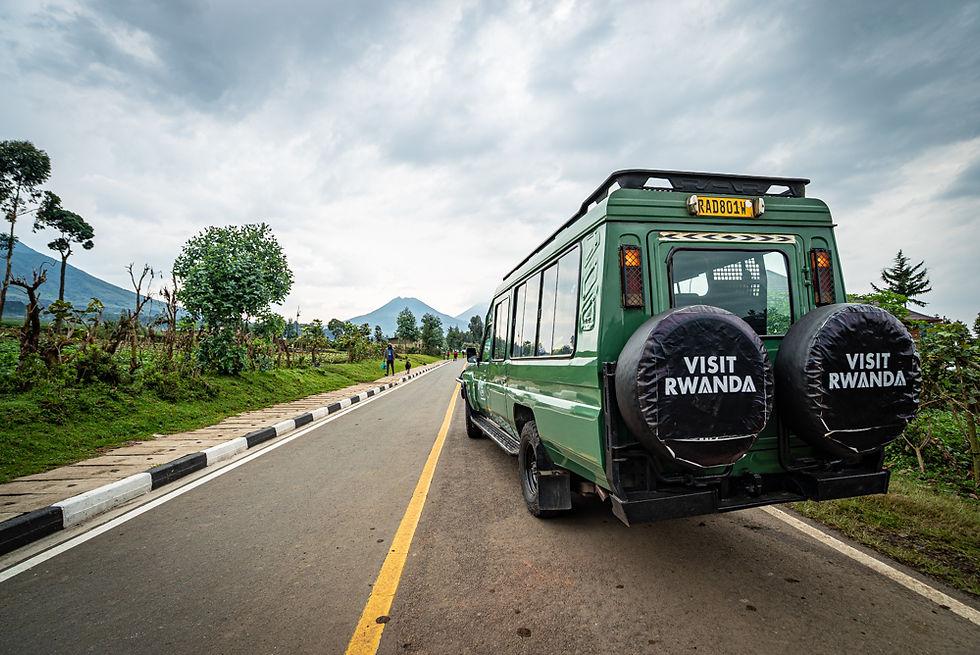
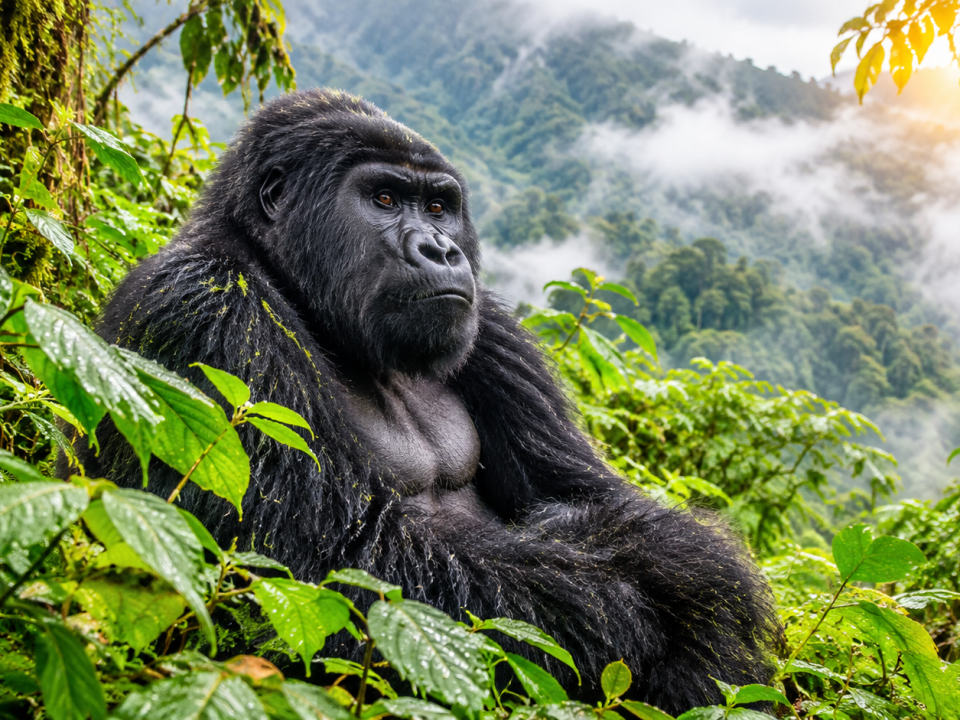
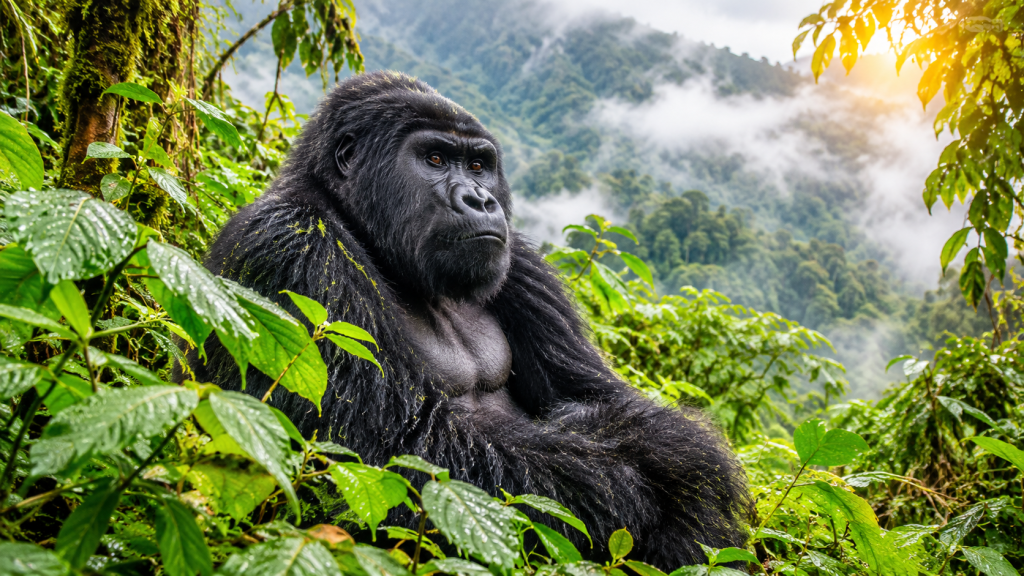
September is a wonderful month to experience mountain gorillas in Rwanda. It falls towards the end of the country’s long dry season, offering travellers an excellent opportunity to explore Volcanoes National Park. The park is home to endangered mountain gorillas, making it one of Africa’s most remarkable wildlife destinations.
Many visitors choose September because rainfall is generally lower than during the main rainy months. As a result, forest trails are often easier to navigate, and outdoor activities can be more comfortable. However, September also marks a seasonal transition. Rainfall may increase towards the end of the month, so travellers should prepare for changing mountain weather.
Planning a successful September gorilla tracking holiday requires more than selecting a travel date. Visitors need to secure permits, arrange accommodation, organise transportation and prepare for the physical demands of trekking. They should also understand the park’s conservation guidelines before arriving.
Whether you are planning a short safari or a longer East African holiday, early preparation can make your experience more enjoyable.
At Safari O’clock, we believe that a memorable gorilla tracking experience begins with proper planning. This guide explains everything you need to consider when organising your September adventure in Rwanda.
Why Choose September for a Gorilla Tracking Holiday in Rwanda?
September offers an attractive opportunity to explore Rwanda’s mountain gorilla habitat. The month falls within the long dry season, which generally extends from June to around mid-September. During this period, the park usually receives less rainfall than during the main rainy season.
One advantage is the condition of the forest trails. During wetter months, paths can become muddy and slippery. However, relatively drier conditions during the earlier part of September can make hiking more manageable.
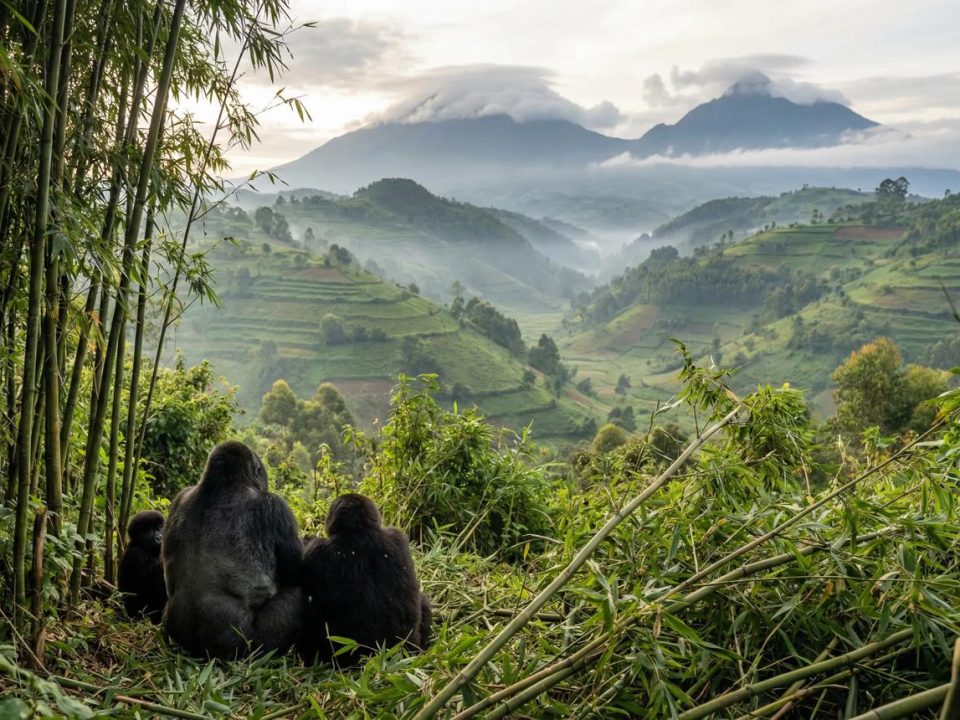
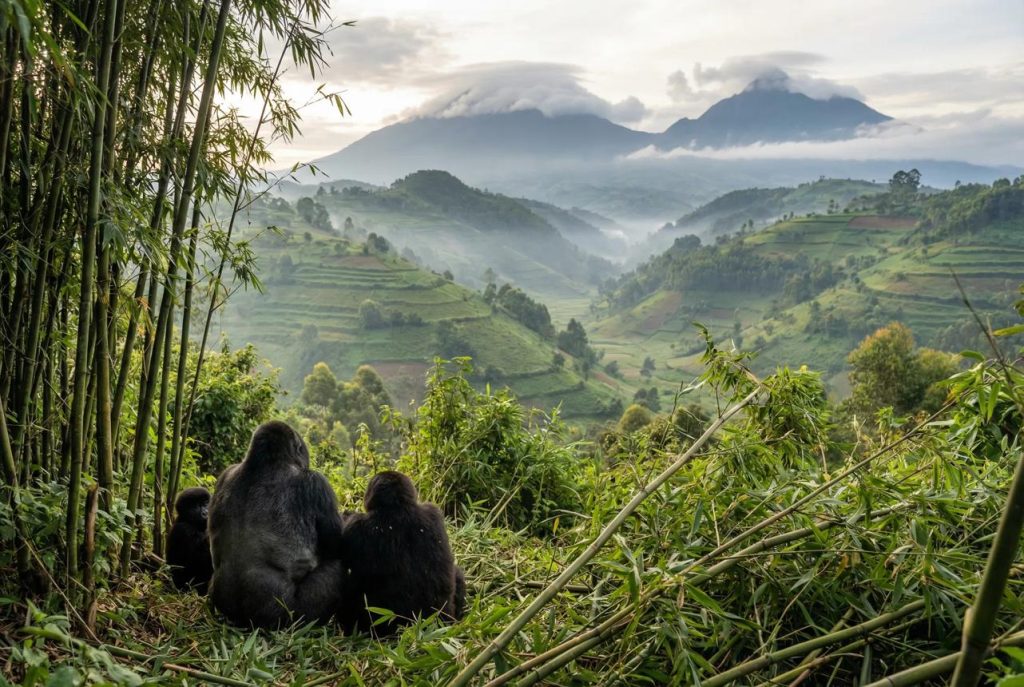
The mountain scenery also makes this period particularly rewarding. Volcanoes National Park features green forests, bamboo vegetation and beautiful views of the Virunga Mountains. Visitors can enjoy the natural surroundings while learning about the conservation of endangered mountain gorillas.
Another advantage is the opportunity to combine gorilla tracking with other activities. Travellers can explore Musanze, visit cultural attractions, discover Lake Kivu or extend their journey to other Rwandan national parks.
However, visitors should remember that gorilla tracking remains possible throughout the year. September is attractive because of its generally favourable weather, not because gorilla sightings are guaranteed to be better during this month.
Safari O’clock encourages travellers to consider September if they want to experience Rwanda during the transition from the long dry season towards the shorter rains.
Understanding September Weather Before Your Gorilla Tracking Holiday
Weather is an important consideration when planning a September gorilla tracking holiday. Rwanda experiences different climatic conditions depending on altitude and location.
Volcanoes National Park lies within the Virunga Mountains in northern Rwanda. Its high elevation creates cooler conditions than many other parts of the country. Early mornings can feel cold, while temperatures may become warmer later in the day.
September requires particular attention because it marks the transition between the long dry season and the shorter rainy season. Rainfall patterns do not change suddenly on a specific date. Therefore, the beginning and end of the month may offer different conditions.
During the earlier weeks, travellers can generally expect relatively drier conditions. However, occasional showers remain possible because the park contains tropical mountain rainforest.
Towards the end of September, rainfall may become more frequent as the wetter season approaches. Consequently, visitors should not rely entirely on dry-season conditions when preparing their luggage.
A waterproof jacket, sturdy hiking boots and comfortable trekking clothes are essential. In addition, carry a warm sweater for the early morning briefing.
Safari O’clock recommends checking weather forecasts close to departure while preparing for both sunshine and rain.
How to Choose the Best Dates for Your September Gorilla Tracking Holiday
Choosing your travel dates is one of the first steps when planning a September adventure. Your preferred dates will influence permit availability, accommodation choices and transportation arrangements.
Start by deciding how many days you want to spend in Rwanda. Travellers interested only in gorilla tracking may choose a short itinerary. However, those arriving from overseas may prefer additional nights for relaxation and sightseeing.
Next, consider whether you prefer travelling during the earlier or later part of September. The first half generally falls within the long dry season, while the latter part approaches the short rains.
This does not mean that one period guarantees better gorilla sightings. Mountain gorillas move naturally through the forest, and their location changes according to food availability and other environmental factors.
You should also consider your arrival and departure times. Allow enough time to travel from Kigali to Musanze before your trekking day. Arriving the previous day is a practical arrangement because the park briefing takes place early in the morning.
If your dates are flexible, ask Safari O’clock to help you explore available permit dates before confirming the rest of your itinerary.
Secure Your Gorilla Tracking Permit Early
A gorilla permit is the most important booking for your Rwanda adventure. It gives you permission to participate in the official mountain gorilla tracking experience in Volcanoes National Park.
The Rwanda Development Board manages the official permit booking process. Visitors can make reservations through its online booking system or organise their permits through a safari company.
Rwanda currently lists the standard international visitor permit at US$1,500 per person. Other visitor categories have different rates, subject to residency, citizenship and promotional eligibility.
Travellers should verify the applicable price for their nationality and intended travel date before making payment. This is particularly important when planning future trips because government rates and promotional conditions can change.
Permits are allocated on a first-come, first-served basis. Therefore, travellers should secure their preferred dates early rather than waiting until their departure month.
When applying, provide accurate passport details and complete all required information. The park authorities verify visitor documents at the entrance. Incorrect or incomplete applications can lead to denied entry, even after payment.
There is also a minimum age requirement of 15 years for gorilla tracking in Rwanda. Families travelling with children should consider this rule when preparing their itinerary.
Safari O’clock recommends confirming permit availability before paying for non-refundable accommodation or other major travel arrangements.
Select Suitable Accommodation Near Volcanoes National Park
Accommodation is another important part of your September gorilla tracking holiday. Choosing the right property can improve your comfort and make the trekking day easier.
Most visitors stay around Musanze or Kinigi in northern Rwanda. Both locations offer convenient access to Volcanoes National Park.
Musanze is a popular base for travellers because it has hotels, guesthouses, restaurants and local shops. Visitors can also explore the town and enjoy views of the surrounding mountains.
Kinigi is particularly convenient for gorilla tracking because it is close to the park headquarters. Staying nearby can reduce early morning travel time before the briefing.
Rwanda offers different accommodation categories to suit various budgets. Travellers can choose simple guesthouses, comfortable mid-range lodges or luxury safari properties.
When comparing options, consider the facilities included in the price. Some lodges provide breakfast, lunch and dinner, while others charge separately for meals.
Also check the property’s distance from the park headquarters and whether it offers transfers. These details are important because visitors must report to the designated briefing centre at 7:00 a.m.
Safari O’clock can help travellers identify accommodation that matches their budget, preferred location and comfort expectations.
Organise Your Transportation from Kigali to Volcanoes National Park
Transportation is another important arrangement when planning a Rwanda gorilla safari.
Most international visitors arrive through Kigali International Airport. From there, they travel north towards Musanze and Volcanoes National Park.
The road journey from Kigali to Musanze generally takes around two to three hours, depending on traffic and road conditions. However, travellers should allow extra time when planning their arrival.
Private transportation is a convenient option for visitors who want flexibility. It allows travellers to move according to their itinerary without depending on public transport schedules.
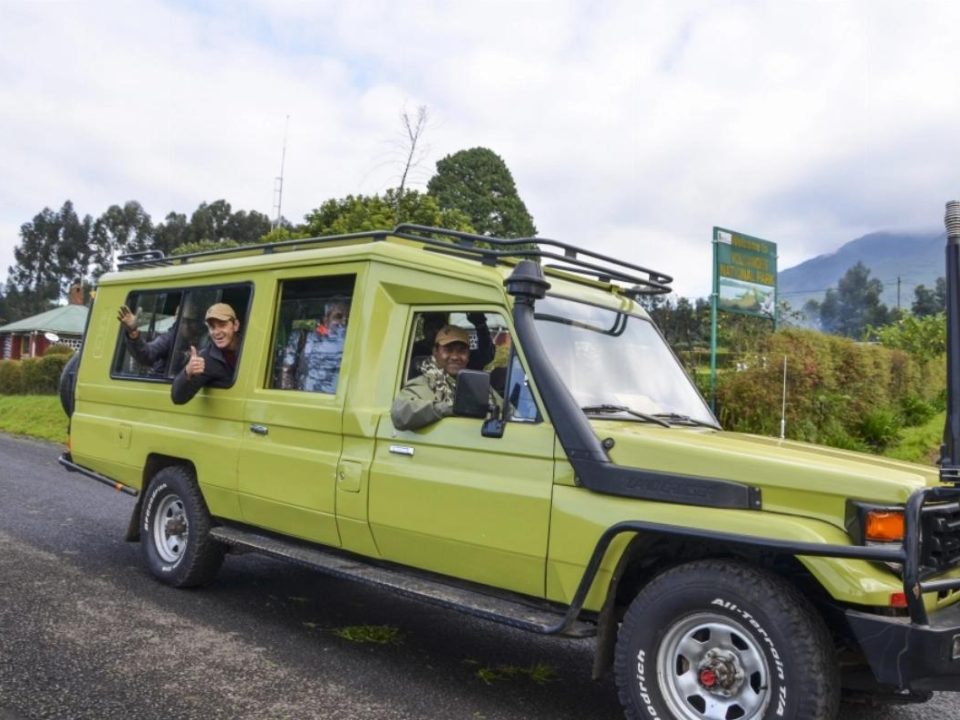
A suitable safari vehicle is also important. A four-wheel-drive vehicle can provide better access when travelling on rough roads around the park.
Travellers should confirm whether their package includes airport transfers, accommodation transfers and transportation to the park briefing centre.
It is also useful to arrange a driver-guide who understands the destination and can provide information during the journey.
Safari O’clock helps visitors coordinate transportation arrangements so that they can focus on enjoying their holiday.
Prepare for the Physical Demands of Gorilla Tracking
Gorilla tracking is an exciting experience, but it involves walking through a mountainous rainforest. The difficulty varies depending on the location of the assigned gorilla family.
Some visitors may reach their assigned family after a relatively short walk. Others may spend several hours navigating steep slopes, dense vegetation and uneven trails.
Therefore, preparing physically before travelling is important.
You do not need to be an experienced mountain climber. However, regular walking can improve your endurance and help your body adjust to longer periods of movement.
Start with short walks and gradually increase the distance. Walking on gentle hills can also help prepare your legs for the terrain.
Remember that Volcanoes National Park lies at a high elevation. Visitors should take their time and communicate with their guides whenever they need assistance.
Travellers with mobility concerns should discuss their needs before booking. This allows the safari organiser to explain the available options and help assess suitable arrangements.
Safari O’clock encourages visitors to prepare at a comfortable pace and avoid underestimating the physical demands of the experience.
Pack the Right Equipment for September Gorilla Tracking
Packing correctly is essential for a comfortable gorilla tracking experience. Although September begins with relatively dry conditions, rain remains possible throughout the month.
Start with waterproof hiking boots that provide good grip and ankle support. Comfortable footwear helps you navigate steep and uneven trails.
Long trousers and long-sleeved shirts are also important. They protect your skin from thorny plants, insects and stinging nettles.
Gardening gloves can protect your hands when holding branches or moving through vegetation. A lightweight rain jacket is useful because mountain weather can change unexpectedly.
Your daypack should contain enough drinking water, personal medication, sunscreen and light snacks. You should also carry a waterproof bag to protect electronic equipment.
Other useful items include:
- A warm sweater for cold mornings.
- Thick hiking socks.
- A waterproof jacket or poncho.
- Insect repellent.
- A safari hat.
- Sunglasses.
- A small first-aid kit.
- A camera without flash.
- Extra camera batteries and memory cards.
- A reusable water bottle.
Avoid carrying unnecessary luggage into the forest. Hiring a local porter is another useful option. Porters help carry visitors’ belongings and provide assistance on difficult sections of the trail.
According to Visit Rwanda’s packing guidance, travellers should prioritise essential items rather than carrying bulky luggage.
Understand What Happens During the Tracking Day
Knowing what to expect on the actual trekking day helps visitors prepare mentally and physically.
Gorilla tracking begins early in the morning at the Volcanoes National Park visitor information centre in Kinigi.
Visitors must report at 7:00 a.m. for registration and briefing. During this session, park officials explain the conservation guidelines and introduce the tracking arrangements.
After the briefing, visitors receive their assigned gorilla groups. They then travel to the appropriate starting points and enter the forest with trained guides and trackers.
The trackers help locate the gorilla families. Their knowledge of the forest and gorilla movements makes them an important part of the experience.
Once visitors find their assigned family, they can spend a maximum of one hour observing the animals.
This encounter offers an opportunity to watch gorillas feeding, resting, grooming and interacting with one another. Visitors may also observe a silverback protecting its family or young gorillas playing in the vegetation.
However, the experience requires respect for wildlife.
Visitors must maintain a distance of at least seven metres from the gorillas. They should also keep their voices low, avoid sudden movements and never use flash photography.
The minimum age is 15 years, and visitors with contagious illnesses such as colds or flu should not participate.
Following the instructions of park guides helps protect both visitors and the endangered animals.
Plan a Realistic Budget for Your September Safari
A successful September gorilla tracking holiday also requires proper financial planning.
The gorilla permit is usually the largest individual activity expense. However, it is only one part of the total safari cost.
Accommodation costs depend on the property you choose. Budget guesthouses generally cost less than luxury lodges, while some high-end properties offer additional services and exclusive facilities.
Transportation is another major consideration. Your budget should include airport transfers, the journey to Musanze and transport to the park.
Other possible expenses include meals, drinks, porter services, tips, travel insurance, visa charges and personal shopping.
If you plan to explore other destinations, include their activities and accommodation in your calculations.
Travellers should also consider the possibility of changing weather. Having suitable clothing and a flexible itinerary can prevent unnecessary last-minute purchases or arrangements.
When requesting a safari quotation, ask for a clear breakdown of included and excluded services.
Safari O’clock encourages travellers to compare packages carefully rather than choosing an itinerary based on the lowest advertised price alone.
Combine Gorilla Tracking with Other Rwanda Experiences
A September visit to Rwanda can become even more rewarding when you include other destinations and activities.
One popular addition is golden monkey tracking in Volcanoes National Park. These endangered primates inhabit the bamboo forests of the Virunga Mountains.
Visitors interested in conservation can also explore the Ellen DeGeneres Campus of the Dian Fossey Gorilla Fund. The centre provides educational experiences about mountain gorillas, research and conservation work.
Another interesting activity is the Dian Fossey tomb hike. This experience introduces visitors to the life and conservation legacy of the renowned primatologist.
Travellers who prefer relaxation can extend their holiday to Lake Kivu. The lake offers beautiful scenery, peaceful surroundings and opportunities for boat excursions.
Kigali is also worth exploring. Visitors can discover local culture, historical attractions, restaurants and markets.
For those with more time, Akagera National Park offers a different wildlife experience. Its savannah landscapes support animals such as elephants, giraffes, zebras, lions and rhinoceroses.
Safari O’clock can help combine these destinations into a balanced itinerary that makes the most of your time in Rwanda.
Common Planning Mistakes to Avoid in September
Even when travelling during a favourable season, poor preparation can affect your experience.
One common mistake is delaying the gorilla permit booking. Since visitor numbers remain restricted, waiting too long can reduce your choice of tracking dates.
Another mistake is assuming September will remain completely dry. The month marks a seasonal transition, and rainfall can increase towards the end. Always pack waterproof clothing.
Some visitors also underestimate the importance of accommodation location. Staying far from Kinigi can make the early morning journey more demanding.
Poor budgeting is another challenge. Remember that a gorilla permit does not automatically include accommodation, meals or transportation.
Travellers should also avoid booking international flights with insufficient time before the tracking activity. Delays can affect the entire itinerary.
Finally, do not ignore the conservation guidelines. The rules exist to protect the gorillas and ensure responsible tourism.
Working with Safari O’clock can help you coordinate these details before departure.
Why Choose Safari O’clock for Your September Gorilla Tracking Holiday?
Planning a safari involves several arrangements, and managing them independently can become complicated.
Safari O’clock helps travellers organise their Rwanda adventures by coordinating important travel services. These include gorilla permit arrangements, accommodation guidance, transportation and additional activities.
Every traveller has different expectations. Some prefer short and affordable holidays, while others want luxury accommodation and longer safari experiences.
For this reason, Safari O’clock considers travel dates, group size, available budget and personal interests when helping visitors plan their journeys.
The company also helps travellers understand what to expect before reaching Volcanoes National Park. This includes information about weather conditions, trekking equipment, physical preparation and conservation rules.
Early planning allows the different services to work together. It also gives travellers more time to prepare financially and organise their documents.
Whether you are travelling alone, with a partner or in a group, Safari O’clock can help you prepare for a memorable Rwanda experience.
Final Thoughts: Start Planning Your September Gorilla Tracking Holiday Early
September offers an exciting opportunity to discover Rwanda’s mountain gorillas. Its position towards the end of the long dry season makes it attractive to travellers who prefer generally drier trekking conditions.
However, the month also approaches the shorter rainy season. Therefore, visitors should prepare for possible showers and changing mountain weather.
A successful holiday starts with securing a gorilla permit and choosing suitable accommodation. You should also organise transportation, prepare a realistic budget and pack the right equipment.
Most importantly, allow enough time to enjoy the destination without rushing between activities.
Meeting mountain gorillas in their natural habitat is a remarkable experience. Watching these endangered animals interact within the forest creates memories that remain with visitors long after their journey ends.
If September is your preferred travel month, begin making your arrangements early.
Contact Safari O’clock and let the team help you organise a rewarding gorilla tracking holiday in Rwanda.
Safari O’clock – Discover Rwanda, experience the extraordinary.