- DIRECT CONTACTS:
- +256394517569
- tours@safarioclock.africa

What to Know About Gorilla Tracking in October: A Complete Rwanda Travel Guide

How to Plan a September Gorilla Tracking Holiday in Rwanda
November 23, 2026
Planning a Rwanda Gorilla Trek in November: Weather, Permits and Travel Tips
November 23, 2026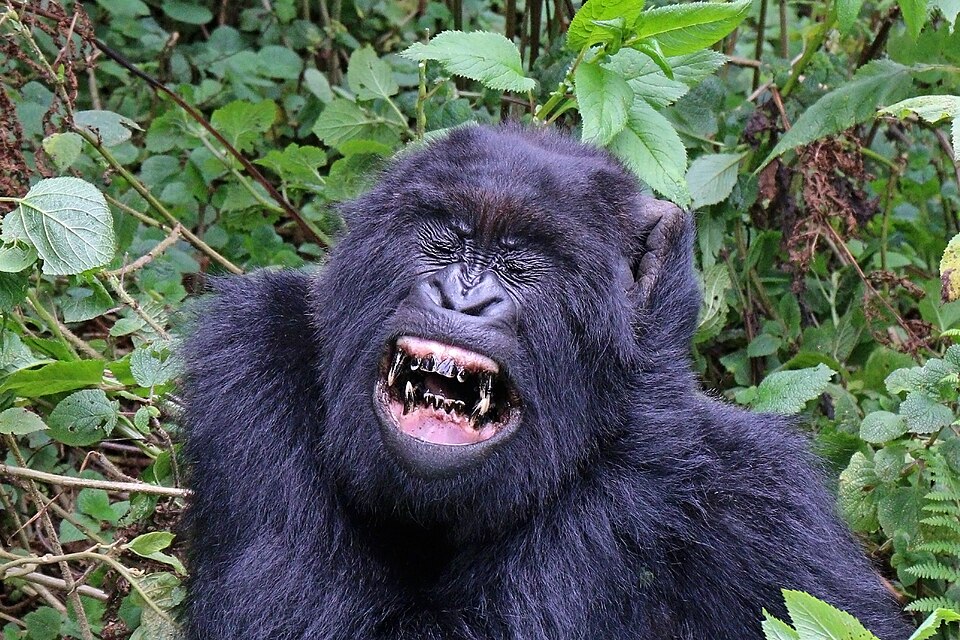
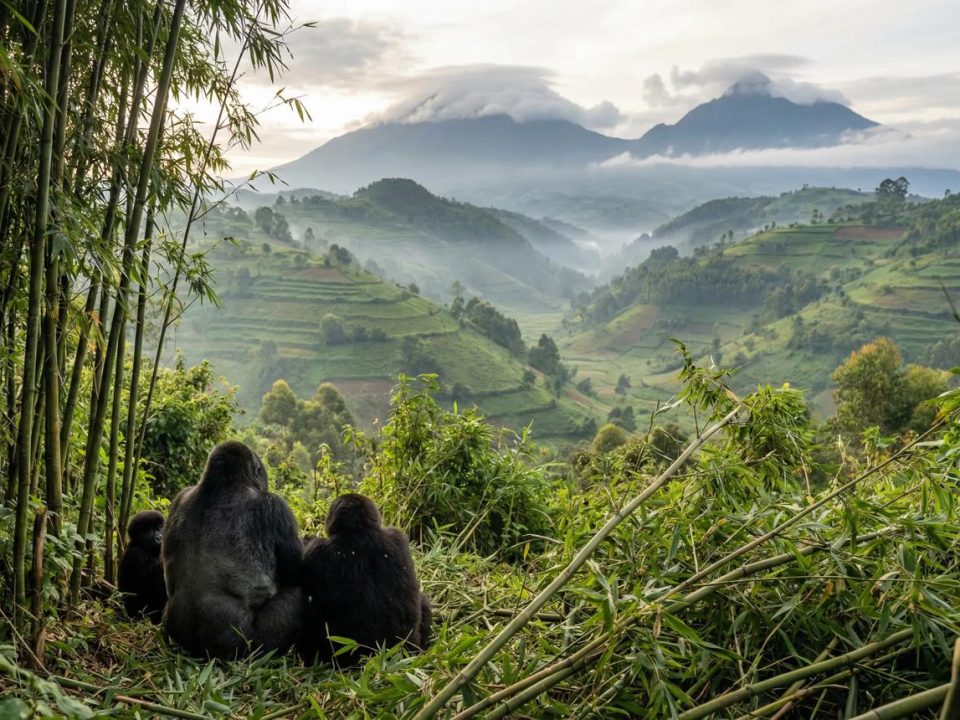
October is a wonderful month to discover Rwanda’s mountain gorillas. It offers a different safari experience from the busy dry-season months. During this period, Rwanda enters its short rainy season, bringing fresh vegetation, misty mountain scenery and occasional rainfall to Volcanoes National Park.
For travellers planning a gorilla tracking adventure, October offers an opportunity to experience the forest in a different atmosphere. The landscape becomes greener, the mountain slopes look beautiful, and the surrounding vegetation supports a rich variety of wildlife.
However, visitors should prepare for changing weather conditions. Rain can make forest trails muddy and slippery. Therefore, appropriate clothing, suitable hiking boots and proper travel arrangements are essential.
Gorilla tracking remains possible throughout the year in Rwanda. The rainy season does not prevent visitors from meeting mountain gorillas in their natural habitat. Instead, it changes some of the practical conditions surrounding the trek.
Whether you are planning a short safari or a longer holiday, understanding what to expect can help you prepare properly.
At Safari O’clock, we believe every successful safari begins with reliable information and thoughtful planning. This guide explores everything you should know before booking a gorilla tracking adventure in October.
1. Understanding Gorilla Tracking in October
October falls within Rwanda’s short rainy season, which generally extends from September to December. The country experiences two main rainy periods, with the longer rains occurring between March and May.
During October, rainfall becomes more noticeable in the northern mountain region. However, the amount and timing of rain can vary from one year to another.
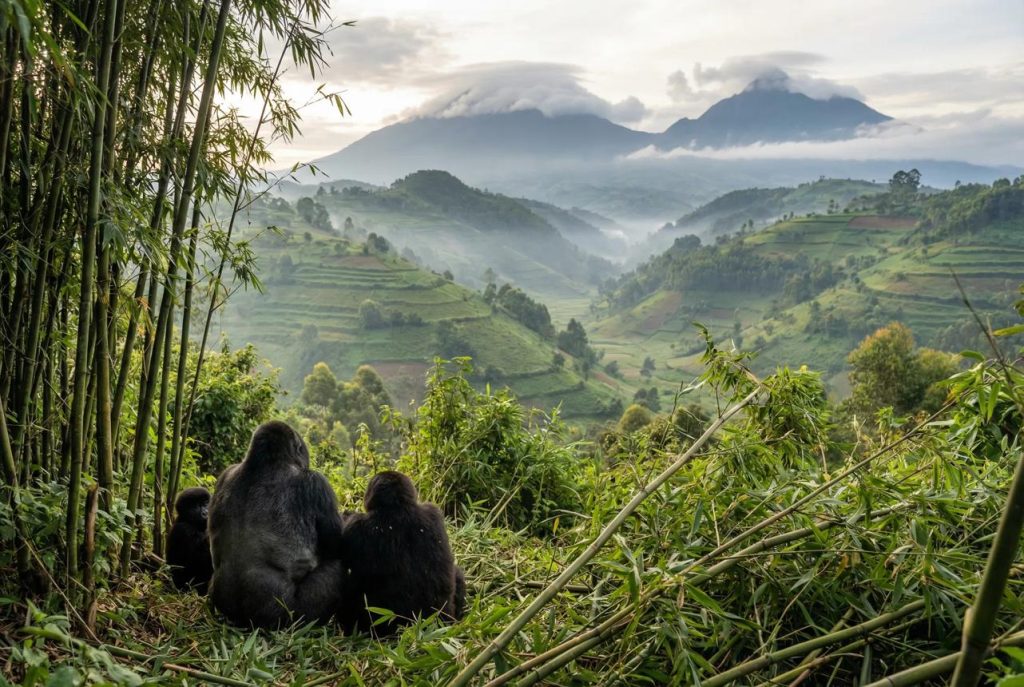
Volcanoes National Park lies within the Virunga Mountains in northern Rwanda. Its high altitude creates a cool mountain environment with changing weather conditions. Visitors may experience sunshine, mist, clouds and showers during the same day.
Despite these conditions, gorilla tracking continues throughout October. The park remains open to visitors, and trained guides lead tracking groups through the forest.
One advantage of visiting during this period is the beautiful green landscape. Rain supports the growth of vegetation, creating attractive scenery for nature lovers and photographers.
However, travellers should understand that the weather can make some sections of the forest more challenging. Wet soil, slippery slopes and dense vegetation may require additional care.
Safari O’clock encourages visitors to approach October with realistic expectations. Proper preparation allows you to enjoy the experience despite changing weather conditions.
2. Why Choose Gorilla Tracking in October?
Many travellers automatically associate gorilla tracking with the dry season. However, October also offers several reasons to visit Rwanda.
First, the forest becomes especially lush during the rainy season. Visitors can enjoy the rich green vegetation, mist-covered mountains and beautiful natural surroundings.
Second, October may attract fewer visitors than the busy July and August period. This can create a different atmosphere around some tourism facilities. However, actual visitor numbers vary, and travellers should not assume that every lodge or permit will be readily available.
Another advantage is the opportunity to explore Rwanda beyond gorilla tracking. Visitors can combine their forest adventure with cultural experiences, scenic destinations and other wildlife activities.
October may also appeal to travellers who enjoy photography. The mist, changing light and fresh vegetation create interesting natural compositions.
Nevertheless, visitors should remember that rain can affect photography. Waterproof camera protection and spare batteries are useful when exploring the forest.
Safari O’clock recommends October to travellers who appreciate nature, flexible itineraries and the beauty of Rwanda’s mountain environment.
3. What Is the Weather Like During October Gorilla Tracking?
Weather is one of the most important considerations when planning an October gorilla tracking adventure.
October generally receives more rainfall than the long dry-season months. However, this does not mean that rain falls continuously throughout the day.
Some mornings may begin with cloudy skies, followed by sunshine and occasional showers. Other days may experience longer periods of rain.
Temperatures in the Musanze area remain relatively cool because of its elevation. Early mornings and evenings can feel particularly cold.
Visitors should therefore prepare for both wet and cool conditions. A waterproof jacket, warm sweater and suitable hiking clothes are essential.
The forest also retains moisture even when rainfall stops. Consequently, some trails may remain slippery for several hours.
Safari O’clock advises visitors to check local weather forecasts before departure. However, mountain weather can change quickly, so packing rain protection remains important.
4. Are Gorilla Sightings Possible During October?
Yes. October is a suitable month for mountain gorilla tracking in Rwanda.
Mountain gorillas live within the forests of Volcanoes National Park throughout the year. They do not migrate away simply because the rainy season begins.
Their daily movements depend on several natural factors. These include food availability, feeding patterns, resting areas and interactions within their families.
Trained trackers monitor the gorilla families and help guides locate them before visitors enter the forest.
However, travellers should understand that finding a particular gorilla family may require different amounts of walking. Some groups may be closer to the starting point, while others may require longer hikes.
Rain does not remove the opportunity to observe gorillas. Nevertheless, wet conditions can make the journey more physically demanding.
Once visitors reach their assigned family, the viewing experience follows the same conservation rules throughout the year. Visitors can spend a maximum of one hour observing the gorillas.
For travellers visiting in October, the main difference lies in the trekking conditions rather than the gorilla encounter itself.
5. What to Expect on the Gorilla Tracking Trails in October
Forest trails can feel different during the rainy season. Visitors planning an October safari should prepare for muddy ground and slippery sections.
Volcanoes National Park contains steep mountain slopes, bamboo forests and dense vegetation. Some routes also involve navigating uneven ground and thick undergrowth.
Rain can make these paths more difficult to walk on. Therefore, suitable footwear is extremely important.
Waterproof hiking boots with good ankle support provide better stability. Visitors should also walk carefully and follow their guides along the designated routes.
In some areas, vegetation may grow densely during the wetter months. Guides and trackers help visitors navigate the forest safely.
The duration of the trek varies depending on the location of the assigned gorilla family. Some encounters require relatively short walks, while others involve several hours of hiking.
Travellers should avoid rushing through the forest. Taking regular breaks and drinking enough water can help maintain energy.
Safari O’clock recommends preparing for a flexible trekking experience rather than expecting a fixed walking distance or finishing time.
6. How to Book Gorilla Permits for October
A gorilla permit is the most important reservation for your Rwanda tracking adventure.
The Rwanda Development Board manages the official mountain gorilla permit booking process. Visitors can make reservations through the official booking portal or organise their trip through a safari company.
The standard international visitor permit is currently listed at US$1,500 per person. However, different visitor categories may qualify for different rates.
Travellers should confirm the applicable fee for their nationality, residency status and intended travel date. Promotional rates may also carry specific conditions.
Although October is part of the rainy season, visitors should not assume that permits will always be available at short notice.
Rwanda limits gorilla tracking groups to protect the animals. A maximum of eight visitors can visit one gorilla family per day.
For this reason, reserving your preferred date early remains advisable.
The minimum age for gorilla tracking in Rwanda is 15 years. Families travelling with children should consider this requirement before making reservations.
When applying for a permit, provide accurate passport information. Incorrect or incomplete applications can lead to problems at the park entrance.
Safari O’clock can guide travellers through the permit arrangements and help coordinate the remaining parts of their safari.
7. Where to Stay During an October Gorilla Tracking Safari
Choosing suitable accommodation can make your October holiday more comfortable.
Most visitors stay around Musanze or Kinigi in northern Rwanda. These locations provide convenient access to Volcanoes National Park.
Musanze offers different accommodation categories. Travellers can choose guesthouses, comfortable hotels or luxury lodges depending on their budgets.
The town also provides access to restaurants, shops and local experiences.
Kinigi is another practical location because it is close to the park headquarters. Staying nearby can reduce early morning travel before the tracking briefing.
When choosing accommodation, consider its location and available facilities. Some properties provide full-board packages, while others charge separately for meals.
You should also check whether the lodge offers reliable transport to the park headquarters.
October’s rainfall makes accommodation comfort particularly important. A warm room, comfortable bedding and suitable facilities can improve your overall experience after a long trek.
Safari O’clock can help visitors compare accommodation options and select properties that suit their preferences.
8. What Should You Pack for Gorilla Tracking in October?
Packing correctly is essential when visiting Volcanoes National Park during the rainy season.
Unlike the dry-season months, October requires extra attention to waterproof clothing and equipment.
Begin with waterproof hiking boots that provide good grip. Comfortable footwear helps you navigate muddy and uneven forest trails.
Long trousers and long-sleeved shirts protect your skin from thorny vegetation, insects and stinging nettles.
Gardening gloves are also useful. They protect your hands when holding branches or moving through dense vegetation.
A waterproof jacket or poncho should be part of your luggage. You should also carry a waterproof bag to protect cameras, phones and other electronic equipment.
Other important items include:
- A warm sweater or fleece jacket.
- Thick hiking socks.
- Waterproof hiking boots.
- Long-sleeved shirts and trousers.
- Gardening gloves.
- Insect repellent.
- A reusable water bottle.
- Light snacks for the trek.
- Sunscreen.
- Personal medication.
- A small first-aid kit.
- Camera equipment without flash.
A walking stick can also provide extra support on difficult sections of the trail. Park staff can advise visitors about available assistance.
Additionally, consider hiring a local porter. Porters can carry your daypack and assist you on challenging sections. Their services also support communities around Volcanoes National Park.
Safari O’clock recommends packing practical clothing rather than bringing unnecessary luggage.
9. Preparing Physically for October Gorilla Tracking
Gorilla tracking requires walking through a natural mountain environment. October’s wet conditions can make some sections more challenging.
Therefore, physical preparation is important.
You do not need to be a professional athlete to enjoy the experience. However, regular walking can help improve your endurance.
Begin preparing several weeks before your trip. Start with comfortable walks and gradually increase the distance.
Walking on gentle hills can also help your legs adjust to uneven terrain. If possible, practise wearing the hiking boots you intend to use during the trek.
Remember that Volcanoes National Park lies at a high altitude. Some visitors may feel tired more quickly when walking uphill.
Take your time and communicate with your guide whenever you need assistance. Drinking enough water and taking appropriate breaks can also help.
Travellers with mobility concerns should discuss their needs before booking.
Safari O’clock encourages visitors to prepare at a comfortable pace and choose suitable arrangements for their individual needs.
10. Understanding the Rules During Gorilla Tracking
Responsible tourism is essential when visiting endangered mountain gorillas.
Rwanda has established conservation guidelines to protect the animals from unnecessary disturbance and disease transmission.
Before entering the forest, visitors receive a briefing from park officials. The guides explain the rules and answer important questions.
One important requirement is maintaining a distance of at least seven metres from the gorillas, according to the current RDB visitor guidance.
Visitors must also keep their voices low and avoid sudden movements.
Flash photography is not permitted. Therefore, photographers should adjust their camera settings before approaching the gorilla family.
Eating, smoking and littering near the gorillas are prohibited. Visitors should also avoid touching the animals.
Another important rule concerns human illness. People with colds, flu or other contagious conditions should not participate in the tracking experience.
These measures help reduce the risk of transmitting human diseases to mountain gorillas.
Visitors should follow their guides’ instructions throughout the encounter. Respecting these guidelines protects the animals and supports responsible tourism.
11. How Much Does Gorilla Tracking in October Cost?
The cost of a Rwanda gorilla tracking holiday depends on several factors.
The permit is usually the largest single activity expense. For standard international visitors, Rwanda currently lists the permit at US$1,500 per person.
However, the total safari cost includes more than the permit.
Accommodation is another major expense. Budget guesthouses generally cost less than mid-range and luxury lodges.
Transportation also affects the total price. Visitors need to arrange transfers from Kigali, accommodation transport and access to the park.
Additional expenses may include:
- International flights.
- Meals and drinks.
- Travel insurance.
- Visa fees, where applicable.
- Porter services.
- Tips.
- Personal purchases.
- Optional safari activities.
October may offer opportunities to compare accommodation prices because it falls outside the main mid-year dry-season peak. However, prices vary by property, booking date and demand.
Travellers should also ask whether their safari package includes all required transfers and meals.
When comparing quotations, check what each company includes. A lower advertised price does not always represent better value.
Safari O’clock encourages visitors to request a detailed quotation before confirming their holiday.
12. Activities to Combine with October Gorilla Tracking
An October visit to Rwanda offers opportunities to explore more than Volcanoes National Park.
Travellers can combine gorilla tracking with other attractions to create a longer and more rewarding holiday.
Golden monkey tracking is one popular activity in the Virunga Mountains. Visitors can observe these endangered primates in their natural bamboo forest habitat.
Another option is the Ellen DeGeneres Campus of the Dian Fossey Gorilla Fund. The centre provides educational experiences about mountain gorillas, scientific research and conservation.
Visitors interested in history can consider the Dian Fossey tomb hike. This experience introduces travellers to the conservation legacy of the famous primatologist.
Lake Kivu is another attractive destination. Its peaceful shoreline offers beautiful scenery and opportunities for relaxation after a mountain trek.
Travellers with more time can visit Kigali to explore local culture and historical attractions.
For a broader wildlife experience, Akagera National Park offers savannah landscapes and animals such as elephants, giraffes, zebras, lions and rhinoceroses.
Safari O’clock can help organise these activities into a balanced itinerary based on your available time and budget.
13. Common Mistakes to Avoid When Tracking Gorillas in October
Planning an October safari requires attention to several details.
One common mistake is assuming that the rainy season makes gorilla tracking impossible. The activity continues throughout the year, although weather conditions can affect the trails.
Another mistake is travelling without waterproof equipment. Even when the morning begins with sunshine, rain may develop later.
Some visitors also choose unsuitable footwear. Ordinary trainers may not provide enough grip on steep and muddy forest paths.
Delaying permit arrangements is another mistake. Although October may have different visitor patterns from July and August, permits remain limited.
Travellers should also avoid scheduling their international arrival too close to the tracking date. Delays can affect the entire itinerary.
Finally, remember to respect conservation guidelines. Your behaviour contributes to the protection of these endangered animals.
Working with Safari O’clock can help you organise the important details before departure.
14. Why Plan Your October Gorilla Safari with Safari O’clock?
Planning a safari involves coordinating several different services. These include permits, accommodation, transportation and additional activities.
Managing everything independently can take considerable time, particularly when travelling internationally.
Safari O’clock helps visitors organise their Rwanda adventures by bringing these arrangements together.
The planning process considers your preferred travel dates, budget, group size and accommodation expectations.
Whether you want a short gorilla tracking holiday or a longer East African adventure, the itinerary should reflect your interests.
Safari O’clock can also provide guidance on packing, weather expectations, trekking preparation and conservation requirements.
Most importantly, proper coordination helps reduce unnecessary last-minute pressure.
With the important arrangements in place, travellers can focus on enjoying Rwanda’s natural beauty and remarkable wildlife.
Final Thoughts: Is October a Good Month for Gorilla Tracking in Rwanda?
October is a suitable month for experiencing Rwanda’s mountain gorillas. Although it falls within the short rainy season, tracking continues in Volcanoes National Park.
The month offers beautiful green landscapes, misty mountain views and an opportunity to explore the forest during a different season.
However, visitors should prepare for rainfall, muddy trails and cooler mountain conditions.
Booking your permit early, choosing suitable accommodation and arranging reliable transportation are important steps. Packing waterproof equipment and preparing physically can also improve your trekking experience.
Most importantly, remember that gorilla tracking is a conservation experience. Respecting the park’s rules helps protect the endangered animals for future generations.
If you are considering an October adventure, start planning with Safari O’clock.
Let the team help you organise your Rwanda gorilla tracking holiday and discover the extraordinary beauty of Volcanoes National Park.
Safari O’clock – Discover Rwanda. Experience the extraordinary.