- DIRECT CONTACTS:
- +256394517569
- tours@safarioclock.africa

The Link Between Responsible Tourism and Gorilla Conservation

The Link Between Responsible Tourism and Gorilla Conservation
November 11, 2026
Why Human Disease Prevention Is Essential for Gorilla Visits
November 11, 2026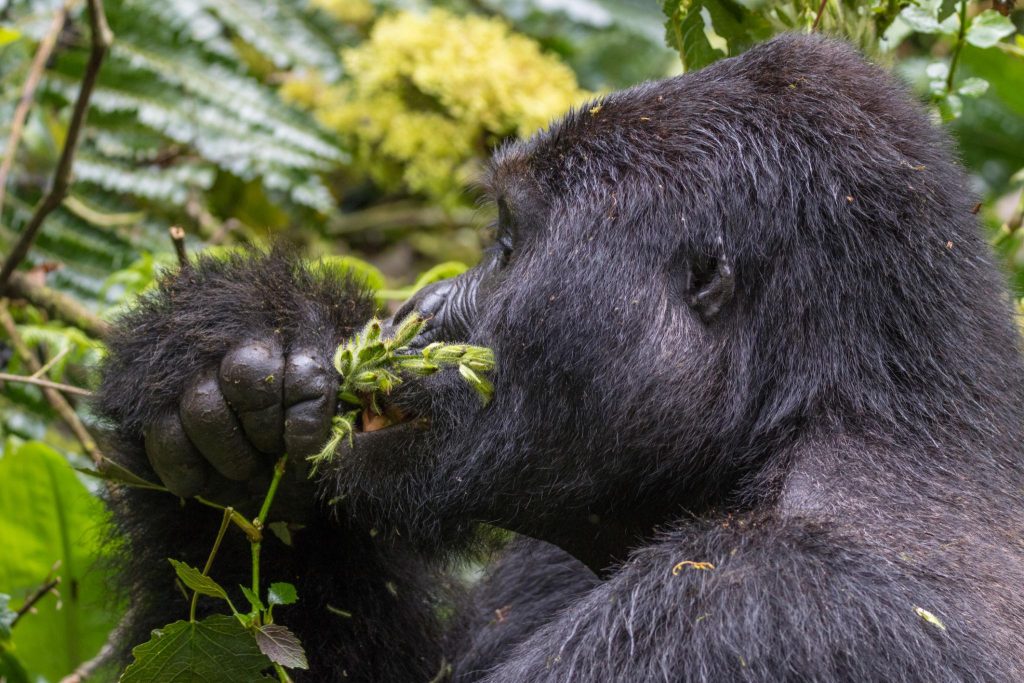
Mountain gorilla tracking is one of Africa’s most remarkable wildlife experiences. Visitors travel to Rwanda and Uganda to observe these endangered great apes in their natural forest habitats. However, this experience comes with an important responsibility. Every visitor, tour operator and conservation partner has a role to play in protecting the gorillas and their environment.
Responsible tourism helps make wildlife experiences safer for animals and more beneficial for local communities. It encourages visitors to follow conservation rules, respect natural habitats and support businesses that value wildlife protection. Moreover, it helps connect tourism income with the long-term management of protected areas.
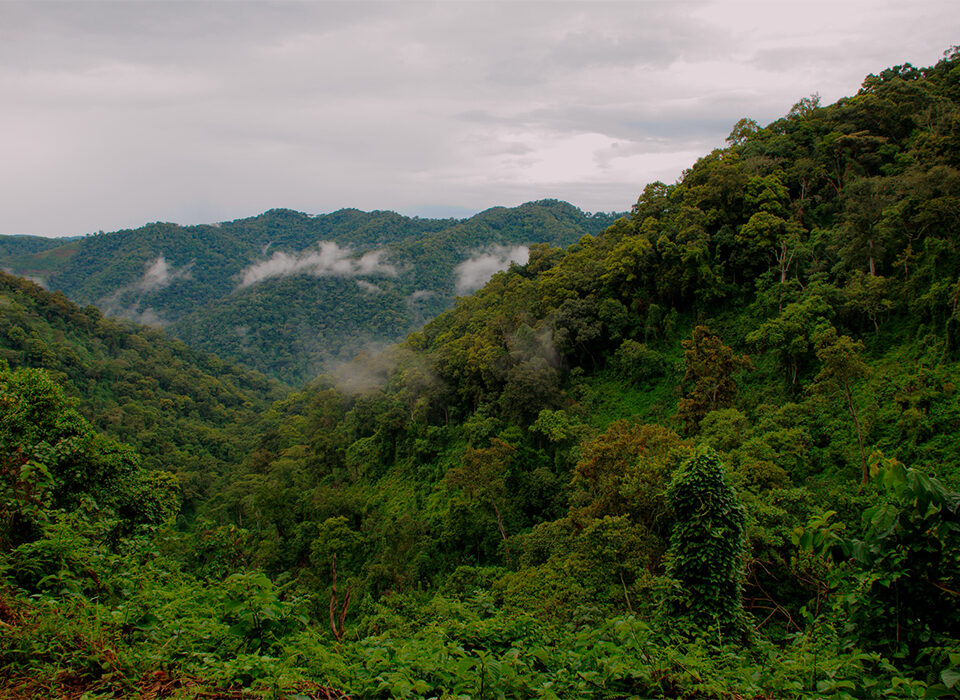
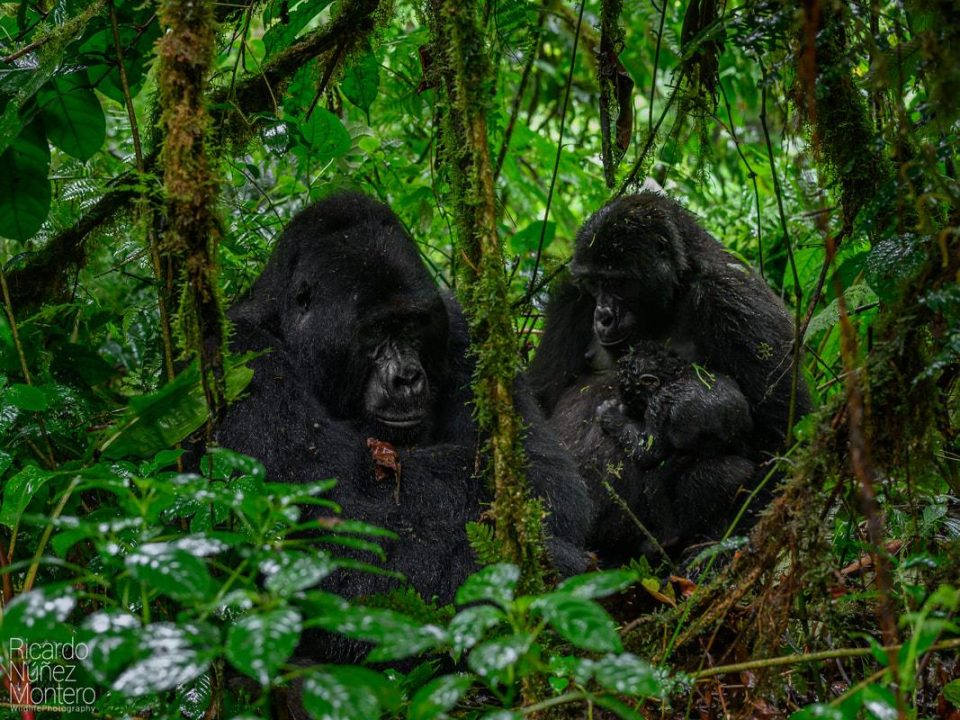
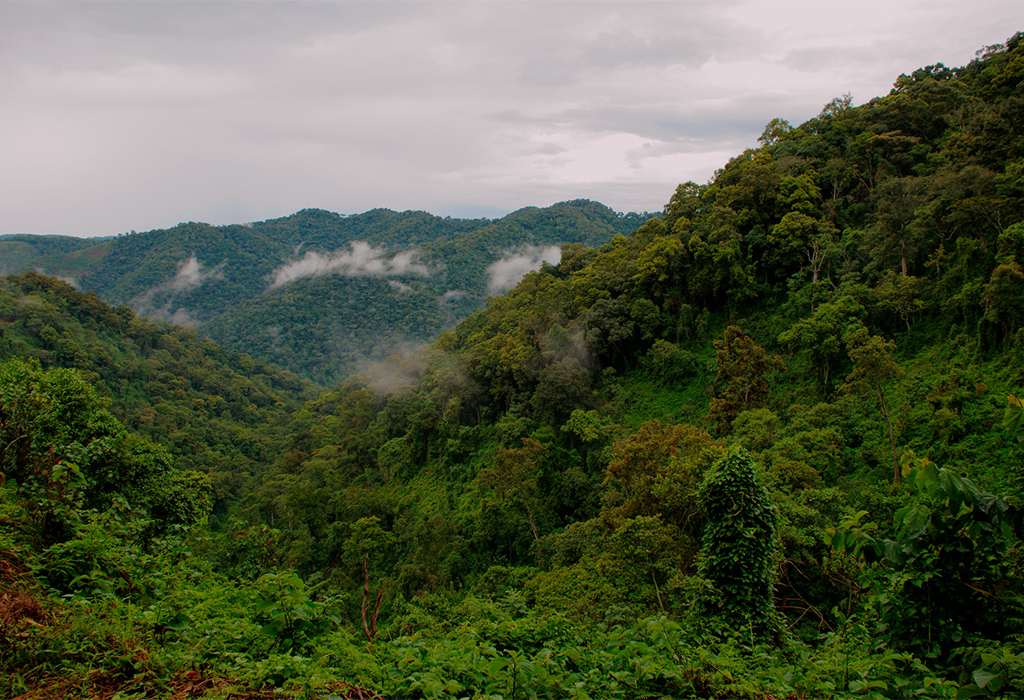
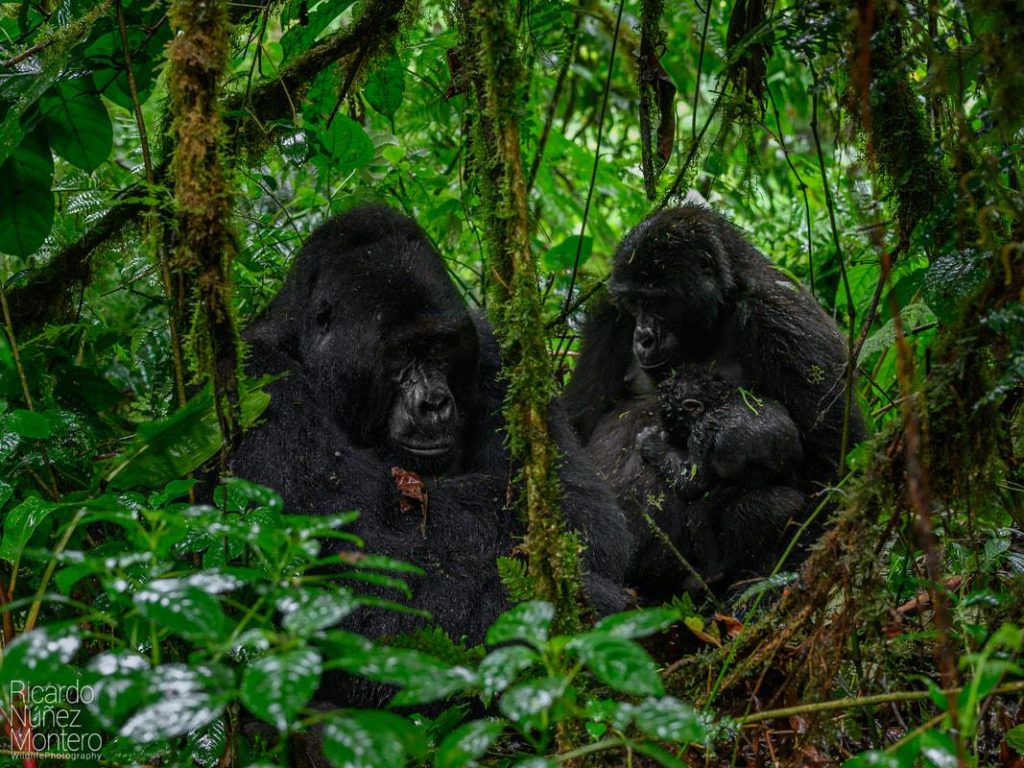
In Rwanda, Volcanoes National Park protects mountain gorillas within the Virunga mountain ecosystem. In Uganda, visitors can track mountain gorillas in Bwindi Impenetrable National Park and Mgahinga Gorilla National Park. These destinations demonstrate how carefully managed tourism can contribute to conservation while creating opportunities for people living nearby.
According to the International Gorilla Conservation Programme (IGCP), tourism provides important revenue for park management and local economies. However, tourism must minimise disease transmission and avoid disrupting gorillas’ natural behaviour. Therefore, responsible tourism is not simply about enjoying a wildlife encounter. It is about helping ensure that gorillas and their habitats remain protected for future generations.
At Safari O’clock, we believe that a meaningful gorilla tracking journey should combine unforgettable experiences with respect for wildlife and local communities. This guide explores the link between responsible tourism and gorilla conservation, including the practical steps visitors can take to make a positive difference.
What Is Responsible Tourism in Gorilla Conservation?
Responsible tourism means travelling in ways that reduce harm to the environment, respect local communities and support the long-term protection of natural and cultural heritage. In gorilla tourism, this means following official visitor guidelines and recognising that the welfare of the animals must come first.
For example, responsible visitors follow their guides’ instructions, maintain the required distance from gorillas and avoid sudden movements. They do not touch the animals, feed them or attempt to attract their attention. They also avoid littering and respect restrictions on group size and viewing time.
Responsible tourism extends beyond the forest. Travellers can support local guides, porters, accommodation providers, restaurants and craft makers. These choices help local businesses participate in tourism and can increase the economic benefits that remain near protected areas.
Tour operators also have responsibilities. They should provide accurate information, explain conservation rules before the trek and encourage visitors to behave appropriately. In addition, they should work with authorised providers and follow the requirements of the relevant wildlife authorities.
Safari O’clock can help travellers understand these responsibilities before they arrive at their destination. With proper preparation, visitors can enjoy their experience while respecting the needs of the gorillas and the people who live around their habitat.
1. Responsible Tourism and Gorilla Conservation: Protecting Gorilla Health
One of the strongest links between responsible tourism and gorilla conservation is disease prevention. Mountain gorillas are closely related to humans, so some human respiratory illnesses can also threaten their health. Even a visitor who feels only mildly unwell may pose a risk to a gorilla group.
For this reason, wildlife authorities establish health and behaviour guidelines for visitors. Rwanda’s official gorilla tracking guidance advises people with contagious illnesses, including colds and flu, not to visit the park. It also sets rules on keeping a safe distance, covering the mouth when coughing and avoiding actions that could disturb the animals. Visitors should always follow the current instructions issued by the park authorities.
Responsible visitors should therefore assess their health honestly before a trek. If they develop symptoms of a contagious illness, they should inform their tour operator and follow the park authority’s advice. They should never hide symptoms simply because they have paid for a permit.
Furthermore, visitors must follow all current hygiene requirements. These may include wearing a mask when required or instructed by the relevant authorities. During the encounter, travellers should avoid touching the gorillas and should never try to get closer for a photograph.
Group size and viewing time also matter. Limiting the number of people around gorillas helps manage human contact and reduce disturbance. Rwanda’s official tracking guidance specifies a maximum of eight visitors per group and a one-hour viewing period. Visitors should confirm the current rules before travelling because regulations and operational guidance can change.
At Safari O’clock, we encourage travellers to put gorilla welfare ahead of photographs or personal expectations. A successful conservation experience means observing the animals responsibly, even when that requires visitors to change their plans.
2. Responsible Tourism and Gorilla Conservation: Protecting Natural Behaviour
Mountain gorillas need to feed, rest, travel and interact with members of their social groups without unnecessary interference. Responsible tourism helps reduce the risk that human presence will disrupt these normal activities.
Gorillas may appear calm around trained trackers and visitors, but they remain wild animals. Loud voices, sudden movements and attempts to approach them can cause unnecessary disturbance. Visitors should therefore remain calm and follow their guide’s instructions throughout the encounter.
For example, a traveller may want to move closer to capture a better photograph. However, responsible behaviour means accepting the position recommended by the guide. Visitors should use cameras without flash and avoid blocking the animals’ movements. They should also refrain from calling to the gorillas or trying to attract their attention.
These precautions support a more respectful wildlife encounter. They also help guides manage visitor behaviour and respond appropriately when gorillas move through the forest.
The International Gorilla Conservation Programme’s Certified Gorilla Friendly tourism standards aim to minimise disturbance and changes in gorilla behaviour. The programme also promotes practices that reduce human-gorilla interactions and the risk of disease transmission.
Consequently, responsible tourism protects more than the physical health of gorillas. It also respects their need to behave naturally in their own habitat.
Safari O’clock encourages visitors to approach gorilla tracking with patience. The best encounter is not necessarily the one with the closest photograph. Instead, it is one in which visitors observe wildlife without placing unnecessary pressure on the animals.
3. Responsible Tourism Helps Fund Gorilla Conservation
Protecting mountain gorillas requires trained staff, regular monitoring, habitat management and effective protection against threats. These activities need financial resources. Revenue from gorilla tourism can help support the protected areas and conservation systems that make tracking possible.
The International Gorilla Conservation Programme identifies tourism revenue as an important source of funding for conservation and park management. This creates a direct link between carefully managed visitor experiences and the long-term protection of gorillas.
Gorilla permits are one part of the tourism economy. Visitors also pay for transport, accommodation, meals and other services. Meanwhile, tourism businesses employ people whose work supports the wider visitor experience.
However, it is important to distinguish between the different sources of funding. Not every payment made by a visitor goes directly to gorilla conservation. The allocation of permit revenue and other tourism income depends on the policies and arrangements in place at each destination.
Even so, a well-managed tourism industry can help sustain the infrastructure, staffing and community partnerships needed to protect wildlife. When visitors follow the rules, they also help ensure that the experience remains compatible with conservation objectives.
For Safari O’clock travellers, understanding where tourism fits into conservation makes the journey more meaningful. It reminds visitors that a gorilla tracking permit is not simply access to an attraction. It forms part of a carefully managed wildlife experience.
4. Responsible Tourism Supports Communities Living Near Gorilla Habitats
Gorilla conservation cannot succeed in isolation from the people who live near protected forests. Local communities need opportunities to earn a living, access essential services and participate in decisions that affect their surroundings.
Responsible tourism can create jobs for guides, porters, drivers, cooks and hospitality workers. It can also support farmers who supply food to lodges and restaurants. Craft makers, shopkeepers and local transport providers may gain additional customers when visitors travel to the region.
These opportunities matter because they can connect household income with the continued protection of wildlife. When people have fair opportunities to benefit from tourism, they may have stronger reasons to support conservation efforts.
Rwanda provides an example through its Tourism Revenue Sharing Programme. The programme directs a portion of national park tourism revenue towards community development projects near protected areas. Rwanda’s Development Board has reported that these projects have supported services and infrastructure, including schools, health facilities and other community priorities.
Nevertheless, responsible tourism must consider fairness. Not every household automatically receives tourism income, and some residents may face challenges associated with living near wildlife. Benefits should therefore reach communities through transparent projects, fair employment and genuine participation.
Visitors can contribute by choosing local services where appropriate, buying authentic products and treating community members respectfully. They should also ask permission before taking photographs of people and respect local customs.
Safari O’clock recognises that local people are an important part of the wider conservation story. Protecting gorillas and supporting community well-being should work together rather than compete with each other.
5. Responsible Tourism Encourages Gorilla Habitat Protection
Mountain gorillas depend on healthy forests for food, shelter and space to move. Protecting their habitat is therefore essential to their long-term survival.
Responsible tourism can contribute to habitat protection by creating economic reasons to maintain natural landscapes. Tourism businesses rely on healthy ecosystems and the wildlife that attracts visitors. In turn, tourism income can help support park management and community initiatives connected to conservation.
However, tourism must operate within environmental limits. Poorly planned development can place pressure on forests, water resources and local infrastructure. Littering and irresponsible behaviour can also damage the visitor experience and the natural environment.
For this reason, visitors should follow designated routes and avoid leaving rubbish behind. They should never remove plants, disturb wildlife or ignore restrictions imposed by park authorities. Tour operators should also respect protected-area rules and avoid promoting activities that harm sensitive habitats.
The wider mountain gorilla conservation effort depends on cooperation across the countries where these animals live. The International Gorilla Conservation Programme works with protected-area authorities and conservation partners in Rwanda, Uganda and the Democratic Republic of Congo to support gorilla and habitat protection.
This regional approach matters because wildlife and ecosystems do not follow national borders. Long-term conservation requires coordinated protection, research and cooperation among the institutions and communities connected to these landscapes.
When travellers book with Safari O’clock, they can make habitat protection part of their travel priorities. Choosing responsible services and respecting park rules helps support a tourism model that values the natural environment.
6. Responsible Tourism Builds Conservation Awareness
A gorilla tracking experience can change the way visitors understand wildlife conservation. Seeing mountain gorillas in their natural habitat helps people appreciate that these animals are not attractions created for human entertainment. They are wild animals that require protection and respect.
Responsible tourism gives guides and conservation professionals opportunities to explain the challenges facing gorillas. Visitors may learn about habitat loss, disease risks, the work of trackers and the importance of protected forests. They can also gain a better understanding of the communities living around these areas.
This knowledge can continue to influence travellers after they return home. Some may share accurate information about conservation, support credible wildlife organisations or encourage friends to follow responsible travel practices.
However, awareness should be based on reliable information rather than dramatic claims. Tour operators should explain conservation challenges honestly and avoid promising that every visitor payment directly funds a particular project unless they can verify that claim.
Visitors can also support conservation by following the guidance of park authorities and reputable conservation organisations. Learning about the rules before a trek helps travellers understand why certain restrictions exist.
At Safari O’clock, we believe that preparation is an important part of responsible travel. When visitors understand the reasons behind conservation guidelines, they are more likely to follow them and encourage others to do the same.
7. Responsible Tourism Requires Ethical Tour Operators
Travellers make many decisions before arriving at a gorilla tracking destination. Their choice of tour operator can influence the quality of their experience and how responsibly their trip is organised.
A responsible operator provides clear information about permits, accommodation, transport, trekking requirements and visitor conduct. It should also explain the importance of wildlife protection and the need to follow official instructions.
Before booking, travellers should check whether the operator communicates transparently about prices and services. They should ask which services are included, which costs are separate and how the itinerary will work. Clear communication helps avoid misunderstandings and supports informed decisions.
In addition, travellers should be cautious of operators who promise guaranteed close encounters or encourage visitors to ignore park rules. Gorilla tracking takes place in a natural environment, so the animals’ movements cannot be controlled for a visitor’s convenience.
Ethical operators respect the authority of park guides and conservation staff. They do not pressure visitors to approach wildlife or put photographs ahead of animal welfare.
Safari O’clock can help travellers plan their journey with a clear understanding of the requirements and responsibilities involved. Before booking any gorilla tracking experience, visitors should review the current permit rules and guidance from the relevant wildlife authority.
Ultimately, responsible tour operators help connect travellers with conservation-conscious experiences. Their role is not simply to organise a trip, but to help visitors understand how to travel respectfully.
8. Responsible Tourism Helps Make Gorilla Tracking Sustainable
Sustainable gorilla tourism must balance three important priorities: wildlife protection, community well-being and a positive visitor experience. If any of these areas is neglected, the long-term success of tourism may be weakened.
For instance, tourism that ignores animal welfare can create unnecessary risks for gorillas. Tourism that excludes local residents may fail to deliver fair economic benefits. Similarly, tourism businesses that damage the environment can undermine the natural attractions on which they depend.
Responsible tourism seeks to balance these priorities. It supports visitor management, habitat protection and community participation while recognising that conservation must guide decisions about wildlife encounters.
Research on Rwanda’s tourism revenue-sharing programme has found positive links between protected-area tourism and community development. However, the research also identifies challenges that can limit the programme’s impact. This is an important reminder that tourism revenue alone does not guarantee fair benefits or strong community support.
Therefore, conservation organisations, park authorities, tourism businesses and local communities need to continue working together. They should monitor outcomes, address concerns and improve the way tourism benefits are distributed.
Visitors also have a role. By respecting wildlife, following rules and supporting responsible businesses, they can help maintain the conditions that allow gorilla tourism to continue.
Safari O’clock encourages travellers to see sustainability as a shared responsibility. Every careful decision contributes to a culture of respect for gorillas, their habitats and the communities connected to them.
9. How Visitors Can Practise Responsible Gorilla Tourism
Visitors do not need to be conservation experts to make responsible choices. They simply need to prepare well, respect the rules and understand that gorilla welfare comes first.
Before travelling, read the official guidance for the park you plan to visit. Confirm the permit requirements, minimum age, meeting time, health precautions and recommended equipment. Also, tell your tour operator if you have a health concern that may affect your trek.
If you develop symptoms of a contagious illness, do not conceal them. Contact your operator and follow the park authority’s advice. This protects the gorillas and helps staff make appropriate decisions.
During the trek, listen to your guide and follow the required distance from the animals. Keep your voice low, avoid sudden movements and never attempt to touch or feed a gorilla. If you need to cough or sneeze, follow the guide’s instructions and the park’s health guidance.
Visitors should also keep the forest clean. Carry waste out as directed and never leave food wrappers or other rubbish behind. Avoid using flash photography and do not pressure guides to extend the viewing time or change their instructions.
Beyond the park, consider supporting local businesses and community-based experiences. Pay agreed fees, respect cultural boundaries and choose products made or sold by local people when possible.
Safari O’clock encourages travellers to approach every stage of their journey with care. Responsible actions may seem small, but together they help reduce avoidable risks and support better wildlife tourism practices.
10. The Future of Gorilla Conservation Depends on Responsible Choices
Mountain gorilla conservation has benefited from long-term protection, research, cooperation and responsible tourism. Yet continued progress requires ongoing effort. Gorillas still need secure habitats, careful monitoring and protection from human-related risks.
Responsible tourism can help sustain these efforts by supporting park management and creating opportunities for nearby communities. It can also encourage travellers to understand conservation as a long-term commitment rather than a single wildlife encounter.
However, the responsibility does not belong to visitors alone. Governments must manage protected areas effectively. Conservation organisations must use evidence to guide their work. Tourism businesses must act ethically, and communities must have meaningful opportunities to participate in decisions that affect them.
Together, these efforts can help maintain a healthier relationship between tourism and conservation. They can also make gorilla tracking more sustainable for future visitors and, most importantly, safer for the animals.
At Safari O’clock, we believe that responsible travel begins with informed choices. By learning about conservation rules, respecting local communities and choosing services carefully, travellers can help support a future in which mountain gorillas continue to thrive in the wild.
Conclusion: Responsible Tourism Makes Gorilla Conservation Stronger
Responsible tourism and gorilla conservation are closely connected. Well-managed tourism can provide income for protected-area management, support community livelihoods and raise awareness of wildlife protection. At the same time, responsible visitor behaviour helps reduce disease risks and disturbance to gorillas.
Nevertheless, tourism must be managed carefully. Financial benefits should reach communities fairly, wildlife rules must remain a priority and natural habitats need continued protection. A memorable visitor experience should never come at the expense of the animals.
Travellers can make a difference by preparing for their trek, following official guidance, respecting the gorillas’ space and supporting responsible local businesses. These choices help protect the wildlife experience that attracts visitors to Rwanda and Uganda.
When planning your next gorilla tracking journey with Safari O’clock, remember that responsible tourism is part of the conservation story. The aim is not simply to see mountain gorillas. It is to help ensure that they, their forests and the communities around them can benefit from a more sustainable future.