- DIRECT CONTACTS:
- +256394517569
- tours@safarioclock.africa

Why Human Disease Prevention Is Essential for Gorilla Visits

The Link Between Responsible Tourism and Gorilla Conservation
November 11, 2026
How Anti-Poaching Work Helps Protect Mountain Gorillas
November 11, 2026
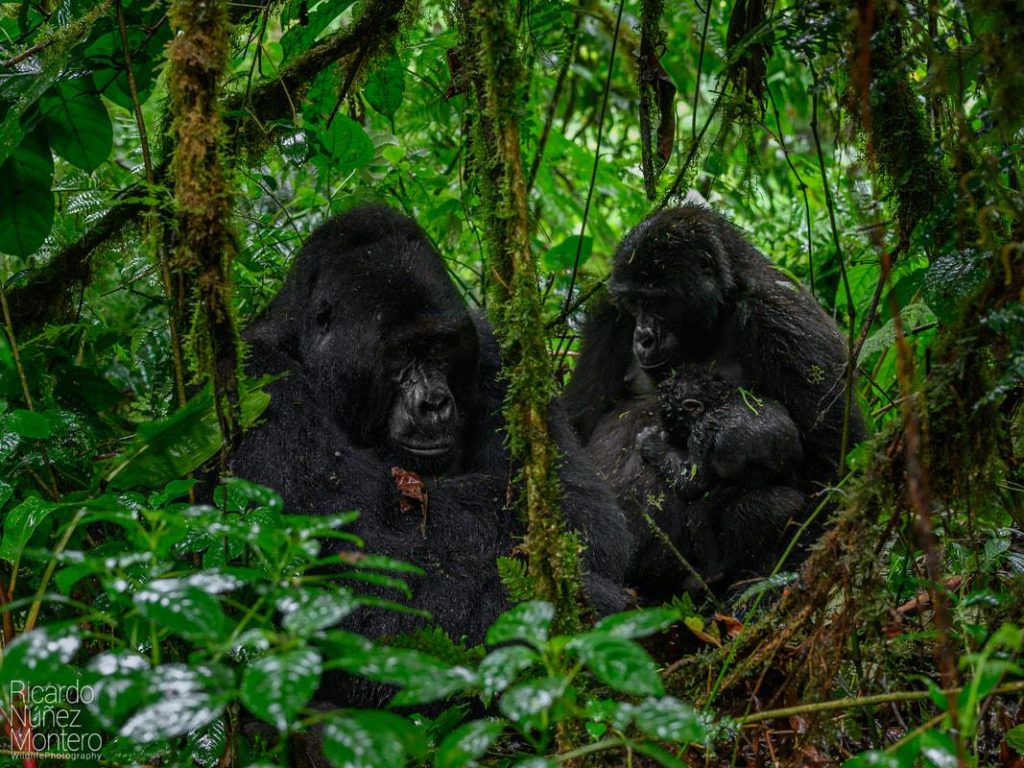
Gorilla trekking is one of the most memorable wildlife experiences in Africa. Visitors travel to Rwanda and Uganda to observe mountain gorillas in their natural habitat. However, spending time close to these endangered animals comes with an important responsibility. Tourists must help protect gorillas from diseases that can spread from humans to wildlife.
Human disease prevention is therefore an essential part of responsible gorilla tourism. Even common illnesses, such as colds and flu, can pose serious health risks to gorillas. This is because humans and gorillas share many biological similarities. As a result, some infections that affect people can also affect these great apes.
At Safari O’clock, we believe that a successful gorilla trekking experience should protect wildlife as well as satisfy visitors. Understanding disease prevention helps travellers make responsible choices before, during and after their encounter with gorillas.
Why Human Disease Prevention Matters During Gorilla Visits
Mountain gorillas are vulnerable to several infectious diseases. Some human respiratory infections can spread to gorillas through close contact. These include viruses that cause coughing, sneezing and other respiratory symptoms.
Research has confirmed that human respiratory viruses have reached mountain gorilla populations. One scientific study detected human respiratory syncytial virus in samples collected from mountain gorillas experiencing respiratory illness. This evidence shows that disease transmission between humans and gorillas is a real conservation concern.
Furthermore, gorillas live in close family groups. They groom, play, rest and interact with one another throughout the day. Therefore, when an infection enters a group, it may spread between members. Protecting one gorilla can consequently help protect the entire family.
Human disease prevention also supports long-term conservation. Mountain gorillas remain an endangered species, and every individual contributes to the survival of the population. Preventing avoidable infections helps reduce additional pressure on these already vulnerable animals.
How Human Diseases Can Spread to Gorillas
Understanding how infections spread helps visitors appreciate the importance of park health rules. Disease transmission does not always require direct physical contact. In some cases, respiratory droplets can carry infectious organisms from one individual to another.
Respiratory Infections and Gorilla Health
Respiratory infections are among the major health concerns during gorilla tourism. When an infected person coughs or sneezes, they may release droplets containing viruses or bacteria. Gorillas standing nearby may become exposed to these infectious particles.
Importantly, a visitor may carry an infection without experiencing obvious symptoms. Feeling well does not always mean that a person cannot transmit a disease. This is one reason why health precautions remain important throughout the trekking experience.
Research involving mountain gorillas has documented respiratory disease outbreaks over several years. Scientists have also found evidence of human respiratory viruses in gorillas. These findings explain why park authorities take visitor health screening and hygiene seriously.
Close Contact Increases Disease Risks
Gorilla trekking allows visitors to observe habituated gorillas at a controlled distance. However, close proximity increases opportunities for disease transmission.
For this reason, authorities require visitors to maintain a safe distance from gorillas. Rwanda’s official guidance requires a distance of at least seven metres. Visitors should always follow the instructions given by their park guides because requirements may differ between destinations or change over time.
Maintaining distance reduces direct exposure to respiratory droplets. It also gives gorillas enough space to move naturally without unnecessary human interference.
Human Waste Can Create Health Risks
Disease prevention involves more than avoiding coughs and sneezes. Human waste can also introduce harmful microorganisms into the forest environment.
For example, careless disposal of tissues, food wrappers and other waste can expose wildlife to contamination. Similarly, visitors who relieve themselves in the forest must follow the guide’s instructions on safe sanitation.
Therefore, travellers should never leave rubbish behind. They should carry all personal waste out of the forest and use designated sanitation facilities whenever available.
Why Sick Visitors Should Not Track Gorillas
One of the most important gorilla trekking rules concerns visitors who feel unwell. People experiencing symptoms of contagious illnesses should not proceed with a gorilla visit.
A common cold may seem harmless to a human visitor. However, the same infection can have serious consequences for vulnerable wildlife. Gorillas do not have the same exposure history or immunity as people living in human communities.
Symptoms such as coughing, sneezing, fever and a runny nose should therefore receive attention before trekking. Visitors should inform their tour operator and park authorities if they feel unwell.
Rwanda Development Board guidance states that visitors may be denied access to the park if they have a cold, flu or another contagious illness. This measure helps reduce the risk of introducing infections into gorilla habitats.
Safari O’clock encourages travellers to communicate honestly about their health before their trekking date. A responsible decision to postpone a visit when sick can help protect an entire gorilla family.
Essential Human Disease Prevention Rules for Gorilla Visits
Park authorities use several health measures to reduce disease transmission during gorilla encounters. These rules protect gorillas while allowing responsible tourism to continue.
Wear a Face Mask During Gorilla Visits
Face masks help reduce the spread of respiratory droplets. Visitors should wear the type of mask required by the park authorities and ensure that it covers both the nose and mouth.
The mask should fit properly throughout the encounter. Visitors should not remove it simply because they want clearer photographs or feel uncomfortable.
Even vaccinated visitors should follow the current mask requirements. Vaccination does not protect against every infection or guarantee that a person cannot transmit a pathogen.
Maintain the Required Distance From Gorillas
Keeping a safe distance is another important disease prevention measure. Visitors should never approach gorillas to take photographs, touch them or get a closer view.
In Rwanda, the official guidance requires a minimum distance of seven metres. However, gorillas may sometimes move closer on their own. When this happens, visitors should remain calm and follow their guide’s instructions.
Do not attempt to push a gorilla away or move towards it. Instead, allow the guide to manage the situation safely.
Practise Good Hand Hygiene
Clean hands help reduce the spread of harmful microorganisms. Visitors should use hand sanitiser when appropriate and follow the hygiene instructions provided by park staff.
Hand hygiene is especially important before entering the forest and after handling personal items. It also supports general health during a long trekking experience.
However, hand sanitiser does not replace other precautions. Visitors must still maintain distance, wear the required mask and follow all park rules.
Cover Your Mouth When Coughing or Sneezing
Sometimes a visitor may suddenly need to cough or sneeze. In such situations, they should turn away from the gorillas and cover their mouth and nose with their elbow or arm.
Avoid coughing or sneezing directly towards the animals. Also, do not remove your mask unnecessarily during the encounter.
If you begin experiencing symptoms while trekking, inform your guide immediately. They can advise on the appropriate next steps.
Avoid Touching Gorillas
Gorillas may appear calm and comfortable around visitors because they have become accustomed to controlled human presence. However, this does not mean that tourists should touch them.
Physical contact increases opportunities for transferring microorganisms. It may also disturb the animals and create unnecessary stress.
Visitors should never attempt to feed, hold or touch a gorilla. Responsible observation means appreciating these animals without interfering with their natural behaviour.
Dispose of Waste Responsibly
Every visitor should keep the forest clean. Do not throw away tissues, food wrappers, bottles or other personal items during the trek.
If you need to use the toilet in the forest, ask your guide for assistance. Follow the park’s sanitation instructions carefully.
These simple actions help protect the gorillas and their habitat from avoidable contamination.
How Park Authorities Help Prevent Human Diseases in Gorillas
Disease prevention requires cooperation between visitors, guides, park authorities, researchers and conservation organisations.
Before trekking begins, park staff provide briefings about visitor behaviour and health requirements. These briefings explain why visitors must maintain distance, avoid contact and follow hygiene rules.
Park authorities also limit the number of tourists who can visit a habituated gorilla group. In Rwanda and Uganda, the standard trekking arrangement generally limits a group to eight visitors. The visit is also time-limited, usually to one hour after locating the gorillas.
These restrictions help manage human exposure and reduce disturbance. They also give gorillas more opportunities to continue their normal activities without prolonged visitor presence.
Furthermore, trained guides monitor visitor behaviour throughout the encounter. They remind tourists about the required distance and intervene when someone approaches too closely.
Veterinary teams and conservation researchers also play an important role. They monitor gorilla health, investigate signs of illness and support appropriate responses when disease outbreaks occur.
Together, these measures help reduce the risk of infection while supporting responsible gorilla tourism.
The Role of Visitors in Preventing Gorilla Diseases
Although park authorities establish health regulations, visitors also have a personal responsibility. Following the rules should not be viewed as an inconvenience. Instead, it is part of protecting the wildlife that makes gorilla trekking possible.
Before travelling, visitors should assess their health and avoid trekking when they have symptoms of a contagious illness. They should also understand the health requirements of their chosen destination.
During the trek, travellers should listen carefully to their guides. They must wear the required protective equipment, maintain the recommended distance and avoid touching the animals.
Photography also requires responsible behaviour. Visitors should use their cameras without moving closer to the gorillas or disturbing their activities. Flash photography should be avoided.
Most importantly, travellers should remember that gorilla tourism is a privilege. The experience takes place in the animals’ natural environment, so human behaviour must always respect their welfare.
Safari O’clock encourages every traveller to approach gorilla trekking with patience, respect and a strong commitment to conservation.
Why Disease Prevention Supports Sustainable Gorilla Tourism
Gorilla tourism provides important economic opportunities in communities around protected areas. It supports employment for guides, trackers, porters, drivers, accommodation providers and other tourism workers.
Tourism can also generate revenue that contributes to protected-area management and conservation activities. However, these benefits depend on maintaining healthy gorilla populations and protecting their habitats.
Disease outbreaks can threaten this balance. Sick gorillas may require veterinary attention and close monitoring. Severe outbreaks can also affect conservation efforts and create additional challenges for park management.
Therefore, preventing disease is not only about protecting individual animals. It also helps safeguard the long-term future of gorilla tourism.
Responsible visitors contribute to this goal by following health regulations. Tour operators also support conservation by educating travellers and encouraging responsible conduct.
For Safari O’clock, promoting safe and responsible gorilla encounters is an important part of helping visitors understand the value of wildlife protection.
What Travellers Should Do Before a Gorilla Trek
Preparing for gorilla trekking involves more than booking a permit and packing suitable clothing. Visitors should also prepare to meet the health requirements established by park authorities.
First, check the latest visitor guidelines for your destination. Rwanda and Uganda may have different instructions, so travellers should not assume that every rule is identical.
Second, avoid trekking if you have symptoms of a contagious illness. Inform your tour operator as early as possible so that the appropriate guidance can be provided.
Third, pack the protective items required by the park. These may include suitable face masks and hand sanitiser. Your tour operator can help clarify the current requirements.
Finally, listen carefully during the pre-trek briefing. Guides explain the rules that visitors must follow when they reach the gorillas.
Safari O’clock helps travellers prepare for their gorilla experiences by highlighting the importance of responsible behaviour and destination-specific requirements.
Conclusion: Protecting Gorillas Starts With Responsible Visitors
Human disease prevention is essential because gorillas can be vulnerable to infections carried by people. Respiratory illnesses, poor hygiene and irresponsible visitor behaviour can create unnecessary health risks for these endangered animals.
Fortunately, simple actions can make a meaningful difference. Staying away when sick, wearing the required mask, maintaining a safe distance and practising good hygiene all help reduce the risk of disease transmission.
Gorilla conservation is a shared responsibility. Park authorities, researchers, tour operators, local communities and visitors all have a role to play.
When you choose to track gorillas with Safari O’clock, remember that the experience is about more than seeing these remarkable animals. It is also about respecting their health, protecting their habitat and supporting responsible wildlife tourism.
A memorable gorilla encounter should leave a positive impact on the visitor without putting the gorillas at unnecessary risk.