- DIRECT CONTACTS:
- +256394517569
- tours@safarioclock.africa

How to Check Visa Requirements Before Travelling to Rwanda

Best Time of the Year for Gorilla Tracking in Rwanda: What to Consider
November 9, 2026
Travel Insurance Questions to Ask Before Rwanda Gorilla Tracking
November 9, 2026
Planning a trip to Rwanda involves more than booking flights, choosing accommodation and preparing an itinerary. Before travelling, you should confirm whether you need a visa, which documents you must carry and how long you can legally stay in the country. These checks help you avoid unnecessary delays and make your journey more comfortable.
Rwanda welcomes international visitors for holidays, business, family visits and wildlife experiences. Many travellers visit to explore Kigali, discover the country’s beautiful landscapes or enjoy mountain gorilla tracking in Volcanoes National Park. However, entry requirements can differ depending on your nationality, travel purpose and length of stay.
The good news is that checking Rwanda’s visa requirements is straightforward when you use reliable information. The country’s Directorate General of Immigration and Emigration provides official guidance on visa categories, application procedures, fees and travel documents.
Safari O’clock encourages every traveller to confirm these details before departure. Whether you are planning a gorilla safari, a romantic getaway or a wider East African adventure, understanding the entry requirements is an essential first step.
Why You Should Check Rwanda Visa Requirements Before Travelling
Checking visa requirements early helps you understand what you need before making final travel arrangements. It also gives you time to correct mistakes, prepare supporting documents and contact immigration authorities if you need clarification.
Although Rwanda allows citizens of all countries to obtain a visa on arrival under its general visa regime, the applicable fees, exemptions and conditions differ. Some travellers qualify for fee-free entry arrangements. Others must pay the relevant visa fee or meet additional requirements for their visa category.
Furthermore, permission to enter Rwanda does not automatically give you permission to work there. A visitor’s visa generally covers eligible short-term activities rather than employment. Therefore, travellers should select a visa category that matches the actual purpose of their visit.
Safari O’clock recommends checking these details before paying for non-refundable flights, accommodation or safari activities. Early preparation gives you more time to address any questions before your departure date.
How to Check Rwanda Visa Requirements on Official Websites
The most reliable way to check your requirements is to begin with Rwanda’s official immigration website. Avoid relying entirely on travel blogs, social media posts or information shared by friends. Immigration rules and procedures can change, so older information may no longer apply.
Step 1: Visit the Official Rwanda Immigration Website
Start with the website of the Directorate General of Immigration and Emigration at migration.gov.rw.
Open the visa section and look for information about visitor visas, visa exemptions and application procedures. The official website explains the available visa categories and their requirements.
You can also consult the government’s visa-on-arrival guidance. This page explains the general visa-on-arrival policy and special arrangements for eligible nationalities.
Read the information carefully instead of assuming that every traveller receives the same conditions. Check the visa duration, fees, permitted activities and application options that apply to your situation.
Step 2: Check Requirements for Your Nationality
Your nationality is one of the most important factors when checking visa requirements. Different countries may qualify for different entry arrangements.
For example, citizens of East African Community member states, including Uganda, Kenya, Tanzania, Burundi and South Sudan, can receive a free entry pass for a stay of up to six months under Rwanda’s published arrangements.
Citizens covered by certain African Union, Commonwealth and La Francophonie arrangements may qualify for a fee-free visa for a specified period. Other nationalities may receive different visa-free periods under Rwanda’s rules.
Therefore, do not assume that a friend with a different passport can follow exactly the same procedure. Check the official information for your own nationality and travel document.
Step 3: Confirm Whether You Need to Apply Before Departure
Rwanda’s general policy allows citizens of all countries to obtain a visa on arrival at Kigali International Airport and at land borders. Eligible travellers may also apply online or through an appropriate Rwandan diplomatic mission.
However, the most suitable option depends on your visa category, travel circumstances and personal preference. Applying in advance may help you prepare, while a visa on arrival may be convenient for eligible visitors.
If you choose the online route, follow the instructions provided through Rwanda’s official immigration channels. The government’s Irembo platform provides access to online public services, including visa applications.
You can visit Irembo to find the relevant service. Always make sure you select the correct visa category before submitting your details.
Rwanda Visa Requirements: Documents to Prepare
Once you understand which entry arrangement applies to you, prepare the required documents. The exact list depends on your nationality and visa category. Therefore, always check the official instructions for your specific application.
Check Your Passport Validity
Your travel document is one of the first things you should check. Rwanda’s immigration guidance generally requires an acceptable travel document that remains valid for at least six months.
Check the expiry date well before your trip. If your passport does not meet the required validity period, contact your country’s passport authority to arrange renewal.
Also, ensure that your personal details are correct. Your name and other identifying information should match the details on your travel bookings and application documents.
Prepare Supporting Travel Documents
Depending on your visa category, immigration officials may request supporting information. This may include accommodation details, an itinerary, proof of sufficient funds or a return or onward ticket.
For example, a visitor planning a gorilla tracking holiday may prepare their accommodation confirmation and safari itinerary. These documents can help explain the purpose and duration of the visit if officials request them.
However, do not assume that every document is compulsory for every traveller. Check the specific requirements before submitting an application or travelling to the border.
Check Health and Vaccination Requirements
Visa requirements and health requirements are not always the same. A traveller may satisfy the visa rules but still need to meet a separate public health requirement.
Rwanda may require proof of yellow fever vaccination from travellers arriving from countries with yellow fever risk or active transmission. Requirements can depend on current public health guidance and your travel history.
Before departure, check the latest official information for your route. If your journey includes other African countries, review their entry requirements as well.
Safari O’clock recommends carrying relevant vaccination documents when applicable. Keep them with your passport and other essential travel documents so you can access them easily.
How to Check Rwanda Visa Fees and Processing Times
Before submitting an application, confirm the current fee for your intended visa category. Do not rely on an old quotation or an amount mentioned in an unrelated travel article.
Rwanda’s official immigration information lists a standard holiday visa fee of USD 50 for single entry and USD 70 for multiple entry. Eligible travellers may qualify for fee waivers, while other visa categories have different charges.
These figures relate to the specified visa categories. They should not be treated as universal fees for every type of entry or stay. Always confirm the applicable amount through the official government website before paying.
You should also check the processing guidance if you intend to apply online before travelling. Processing times can vary by application type and individual circumstances. Therefore, submit your application early enough to address any requests for further information.
Remember that visa fees may be non-refundable if an application is refused or withdrawn. For this reason, review your details carefully before submitting your application.
Rwanda Visa Requirements for Gorilla Tracking Visitors
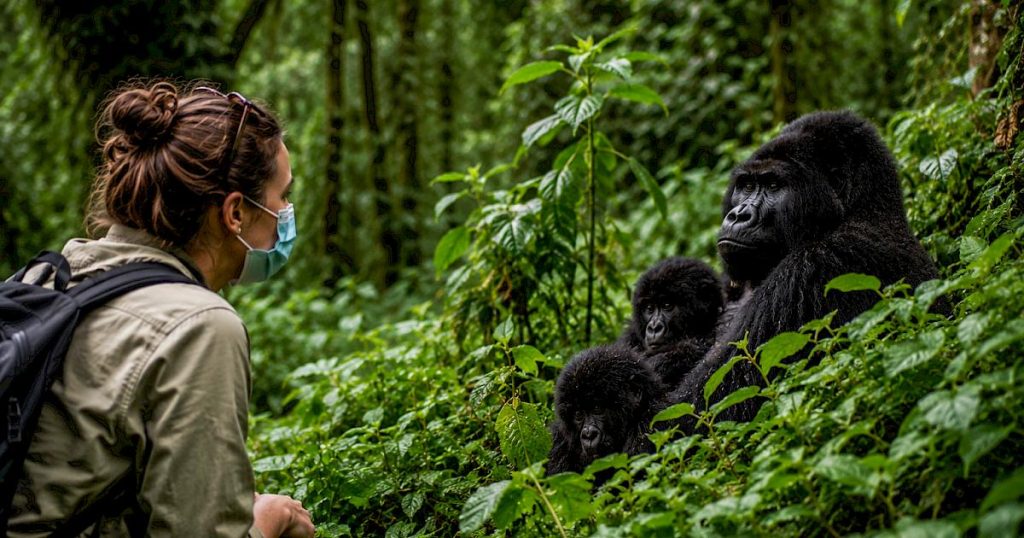
Rwanda is a popular destination for travellers who want to see mountain gorillas in their natural habitat. However, arranging a gorilla tracking permit and meeting immigration requirements are two separate parts of the trip.
A gorilla permit allows an eligible visitor to participate in the tracking activity on the relevant date. It does not replace a passport, visa or other required entry documents.
If you plan to visit Volcanoes National Park, check your visa requirements before finalising your travel arrangements. Confirm your permit date, accommodation bookings and transport schedule as well.
Travellers who are entering Rwanda for a holiday should choose the appropriate visitor visa or entry arrangement. They should not use a tourist visa to undertake employment that the visa does not permit.
Safari O’clock can help visitors organise the tourism side of their journey, including safari planning and accommodation arrangements. Nevertheless, travellers should confirm immigration decisions and individual visa requirements directly with the relevant government authorities.
Should You Apply for the East African Tourist Visa?
Travellers planning to visit several East African destinations may benefit from checking the East African Tourist Visa.
This joint tourist visa allows eligible visitors to travel for tourism between Rwanda, Uganda and Kenya. It supports multiple entries within those participating countries during its validity period.
The visa is generally valid for 90 days and costs USD 100 under the published scheme. It is intended for tourism rather than employment. The issuing country must also be the traveller’s first point of entry into the participating countries.
For example, a visitor who plans to arrive in Rwanda, continue to Uganda and then visit Kenya should check whether the East African Tourist Visa suits the itinerary. If the traveller will enter Uganda first, the relevant application should be made through the appropriate issuing country’s official process.
However, this visa is not automatically the best choice for everyone. Travellers visiting Rwanda alone should compare the available options and select the arrangement that matches their plans.
Before applying, review the official guidance from the immigration authorities of the participating countries. This will help you confirm eligibility, documentation and the correct application process.
Common Mistakes to Avoid When Checking Rwanda Visa Requirements
One common mistake is relying on outdated information. Visa rules, fees and procedures can change. Therefore, always check an official government source close to your departure date.
Another mistake is assuming that visa on arrival means no preparation is necessary. Even when a visa can be obtained at the border, travellers still need an acceptable travel document and must meet the applicable entry conditions.
Some visitors also choose the wrong visa category. A tourist visa is intended for permitted short-term visits, not every possible activity. If you plan to work, study or stay for another specific purpose, check the correct category before travelling.
In addition, avoid paying unofficial agents who claim to be the only people authorised to arrange a visa. Rwanda’s immigration authority warns travellers about unauthorised agents who may mislead applicants or charge extra fees.
Finally, do not leave every travel document until the last minute. Keep copies of your passport details, relevant approvals, accommodation confirmations and itinerary. Store them securely and make sure you can access them during your journey.
A Simple Checklist Before Travelling to Rwanda
Before leaving home, take time to review the key requirements for your trip. First, confirm whether your nationality qualifies for a visa exemption, a fee-free entry pass or another special arrangement.
Next, check your passport validity and confirm whether you need to apply online or can obtain the relevant visa at the border. If you need to pay a fee, verify the current amount through the official immigration website.
Then, prepare any supporting documents required for your circumstances. These may include accommodation details, an itinerary, evidence of sufficient funds or health documents.
Finally, review the entry rules again shortly before departure. Keep your travel documents organised and allow enough time for airport or border procedures.
Taking these steps can reduce avoidable stress and help you begin your visit with greater confidence.
Plan Your Rwanda Trip With Safari O’clock
A memorable Rwanda holiday starts with careful preparation. Alongside checking your visa requirements, you should arrange your accommodation, transport, activities and travel dates.
Safari O’clock helps travellers plan Rwanda safari experiences, including mountain gorilla tracking and other wildlife adventures. We can help you organise the tourism arrangements that make your trip easier to manage.
Before travelling, however, always confirm your personal visa requirements through Rwanda’s official immigration channels. Your nationality, travel document and purpose of visit determine which rules apply to you.
Whether you are planning a short holiday, a gorilla tracking adventure or a multi-country East African journey, start preparing early. Contact Safari O’clock to plan your Rwanda itinerary and make your next adventure a well-organised experience.