- DIRECT CONTACTS:
- +256394517569
- tours@safarioclock.africa

How to Organise Gorilla Permits for Couples Travelling Together

Why Permit Rules and Prices Should Be Checked Before Publication
November 21, 2026
How Families Can Check Gorilla Tracking Age Requirements Before Booking
November 21, 2026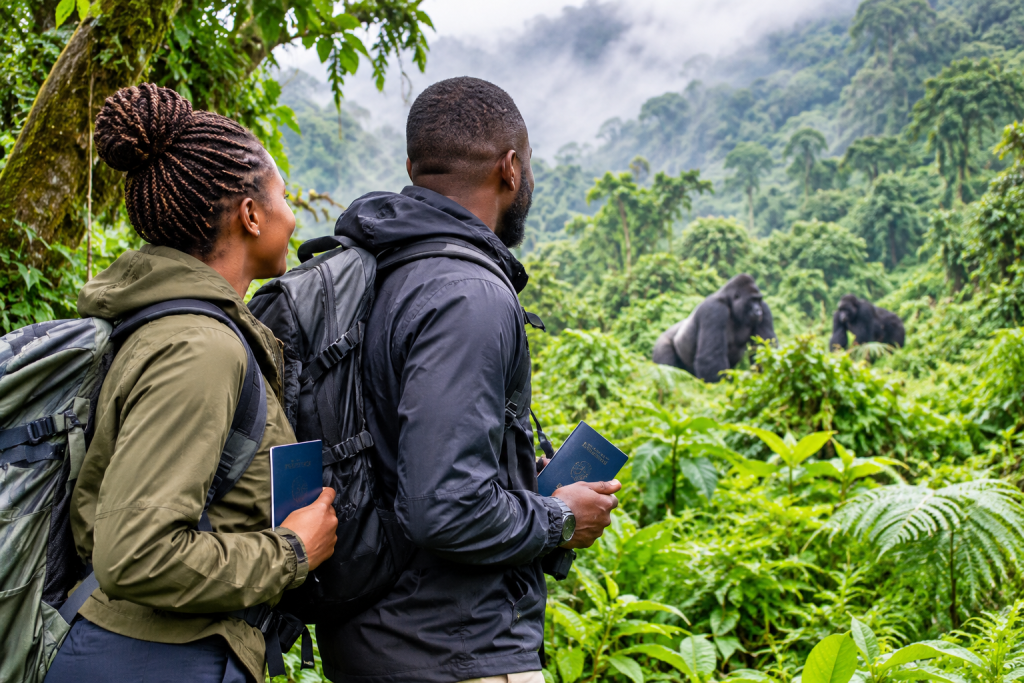
Planning a gorilla trekking adventure as a couple is an exciting way to experience Africa’s remarkable wildlife. Sharing the journey through the forests of Rwanda or Uganda can create unforgettable memories. However, before booking accommodation, arranging transport or choosing activities, couples should organise their gorilla permits carefully.
A gorilla trekking permit gives one visitor permission to participate in a guided gorilla tracking experience. Therefore, couples must arrange two separate permits, even when they intend to travel together. Both permits should match the planned trekking date and the correct visitor information.
At Safari O’clock, we encourage couples to plan their permits early and confirm every booking detail before making other travel arrangements. A well-organised booking helps both travellers avoid unnecessary stress and enjoy a smoother safari experience.
1. Understand how gorilla permits for couples work
The first step is understanding that a couple cannot share one gorilla trekking permit. Each person must have an individual permit issued under their own identification details. This means that two people travelling together need two permits for their selected trekking date.
For example, if a couple plans to track mountain gorillas in Rwanda on 15 August, the booking must include one permit for each traveller on that date. The same principle applies when booking in Uganda, where gorilla tracking takes place in Bwindi Impenetrable National Park and Mgahinga Gorilla National Park.
Although the couple may make one combined travel enquiry, the permit records must identify both visitors correctly. Consequently, couples should check that the booking confirmation accounts for two individual permits rather than assuming that one reservation automatically covers both people.
2. Choose the country and trekking destination together
Before checking permit availability, couples should agree on where they want to track gorillas. Rwanda and Uganda both offer mountain gorilla trekking, but the destinations, travel arrangements and permit procedures differ.
In Rwanda, gorilla trekking takes place in Volcanoes National Park. The main visitor registration and briefing point is at Kinigi. In Uganda, visitors can track gorillas in Bwindi Impenetrable National Park or Mgahinga Gorilla National Park.
Bwindi also has four main trekking sectors: Buhoma, Ruhija, Rushaga and Nkuringo. Therefore, couples planning a Ugandan safari should discuss their preferred sector before confirming accommodation and transport. Staying near the correct starting point can make the trekking morning easier.
Safari O’clock can help couples compare these destinations, understand the available travel arrangements and select an itinerary that suits their time and budget.
3. Check availability for both gorilla permits
Checking availability is one of the most important parts of organising gorilla permits for couples. A date may appear suitable for one traveller but may not have two permits available. Therefore, couples should confirm availability for both visitors before making non-refundable travel arrangements.
The best approach is to request two permits for the same trekking date at the same destination. If the couple plans to trek in Bwindi, they should also confirm the preferred sector. This helps the booking team check the correct location rather than searching across unrelated trekking areas.
In Rwanda, the Rwanda Development Board manages the official gorilla permit booking system. Its booking information explains that reservations are handled on a first-come, first-served basis. This makes early planning particularly important during busy travel periods.
In Uganda, the Uganda Wildlife Authority manages gorilla permit reservations. Its published guidance describes an availability calendar and a booking process that requires payment to complete the reservation.
Couples should therefore avoid paying for flights or accommodation based on an unconfirmed permit enquiry. First, confirm that both permits can be secured. Then, organise the rest of the safari around the confirmed trekking date.
4. Prepare the correct passport details for each traveller
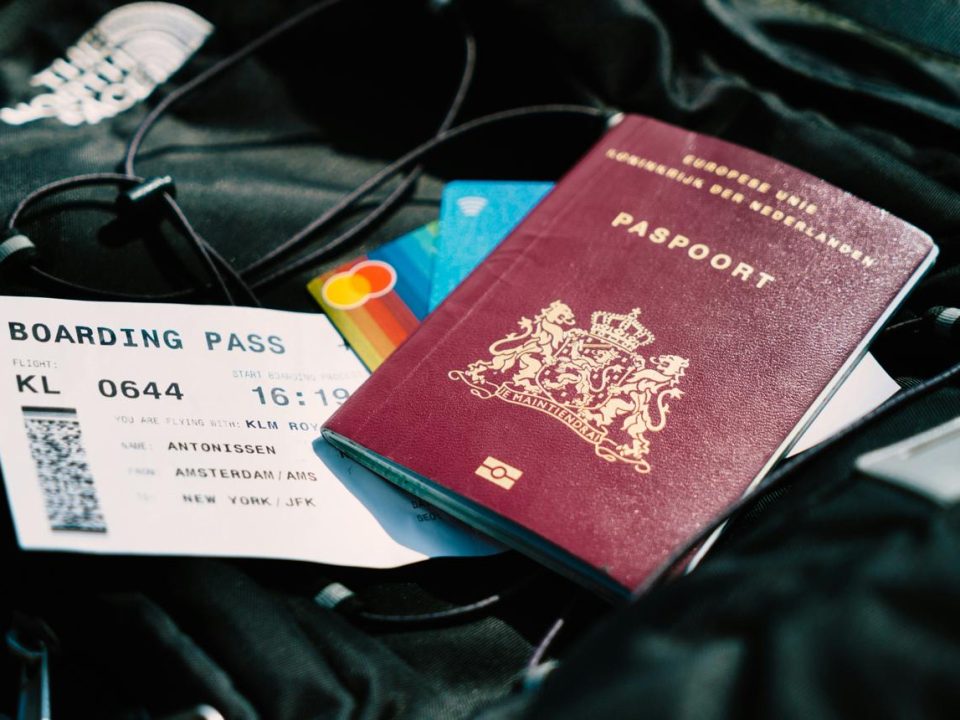
Accurate identification details are essential when organising gorilla permits for couples. Each traveller should provide their own valid passport or other identification document accepted by the relevant authority.
Before submitting an application, compare the information carefully. The names should match the travel documents, and passport numbers should be entered correctly. Also, check nationality and residency details because these can affect the applicable permit category.
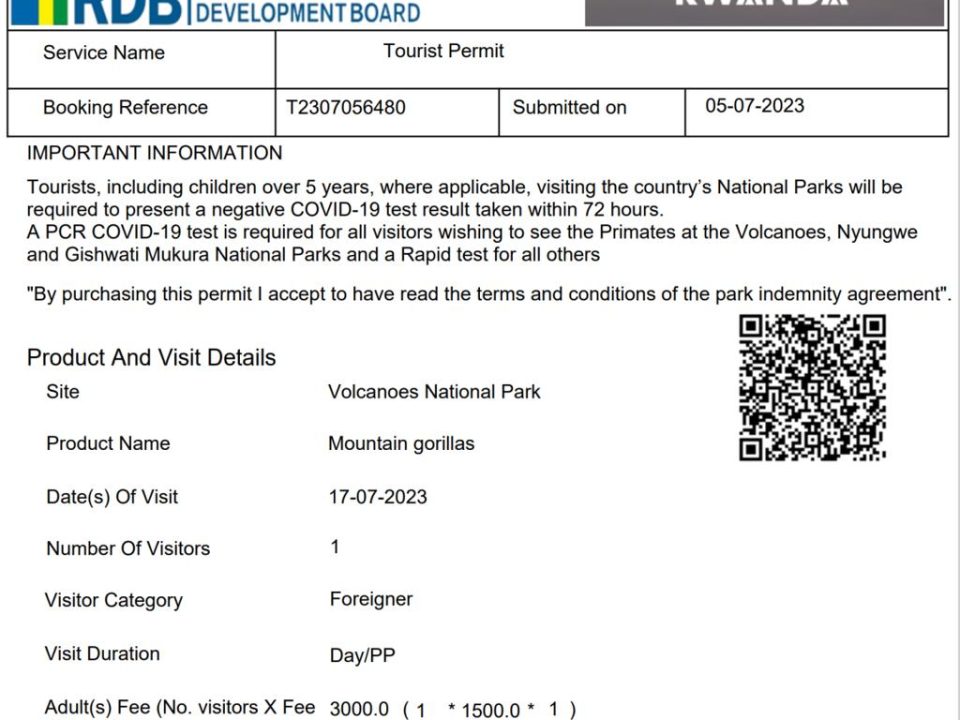
The Rwanda Development Board requires applicants to provide full client details, including names, passport information, email addresses and telephone numbers. It also warns that incorrect, incomplete or fraudulent applications can lead to refusal of entry, even where a system-generated permit has been issued.
Uganda Wildlife Authority also uses identification documents to verify visitor categories. Its published guidelines explain that different documents apply to East African citizens, foreign residents, visitors from other African countries and foreign non-residents.
For this reason, couples should not submit one person’s details for both permits. Each traveller must have an individual and accurate record.
5. Confirm whether you belong to the same permit category
Couples sometimes assume that travelling together means they automatically qualify for the same permit price. However, this is not always true.
Permit fees can depend on nationality, residency status and the applicable tariff. Therefore, two partners may qualify for different rates even when they travel on the same date.
For example, one traveller may be an East African citizen while the other may be a foreign non-resident. In Uganda, the visitor categories include East African Community citizens, foreign residents, rest-of-Africa citizens and foreign non-residents. Each category has specific documentation requirements.
Rwanda also applies different visitor categories and promotional conditions. Its official booking information explains that certain residents and citizens must provide supporting documents to qualify for the relevant rates.
Couples should therefore submit each person’s correct details rather than selecting the same category simply for convenience. If either traveller is unsure about their eligibility, they should confirm the requirements with the relevant tourism authority or their licensed tour operator before payment.
6. Request the same trekking date and clarify group arrangements
One of the main reasons couples book together is to share the gorilla encounter. For that reason, both permits should be requested for the same trekking date.
However, securing two permits for one date does not automatically guarantee every aspect of the trekking arrangement. Park authorities organise visitors into trekking groups according to operational arrangements and available gorilla families.
In Rwanda, the official visitor guidance sets a maximum of eight visitors per gorilla group. Uganda also uses a maximum of eight visitors per habituated gorilla family during ordinary tracking.
These limits help manage visitor numbers and reduce disturbance to the gorillas. However, couples should still ask their tour operator or the relevant authority to confirm how their two bookings will be handled. They should not assume that a shared booking reference alone guarantees assignment to the same trekking group.
When making the enquiry, clearly state that the two travellers are a couple and wish to participate in the same trekking experience. Request confirmation of the arrangements before finalising the rest of the itinerary.
7. Understand the payment process before confirming
Once availability and visitor details have been checked, couples can proceed with payment. It is important to understand the payment requirements of the destination before sending money.
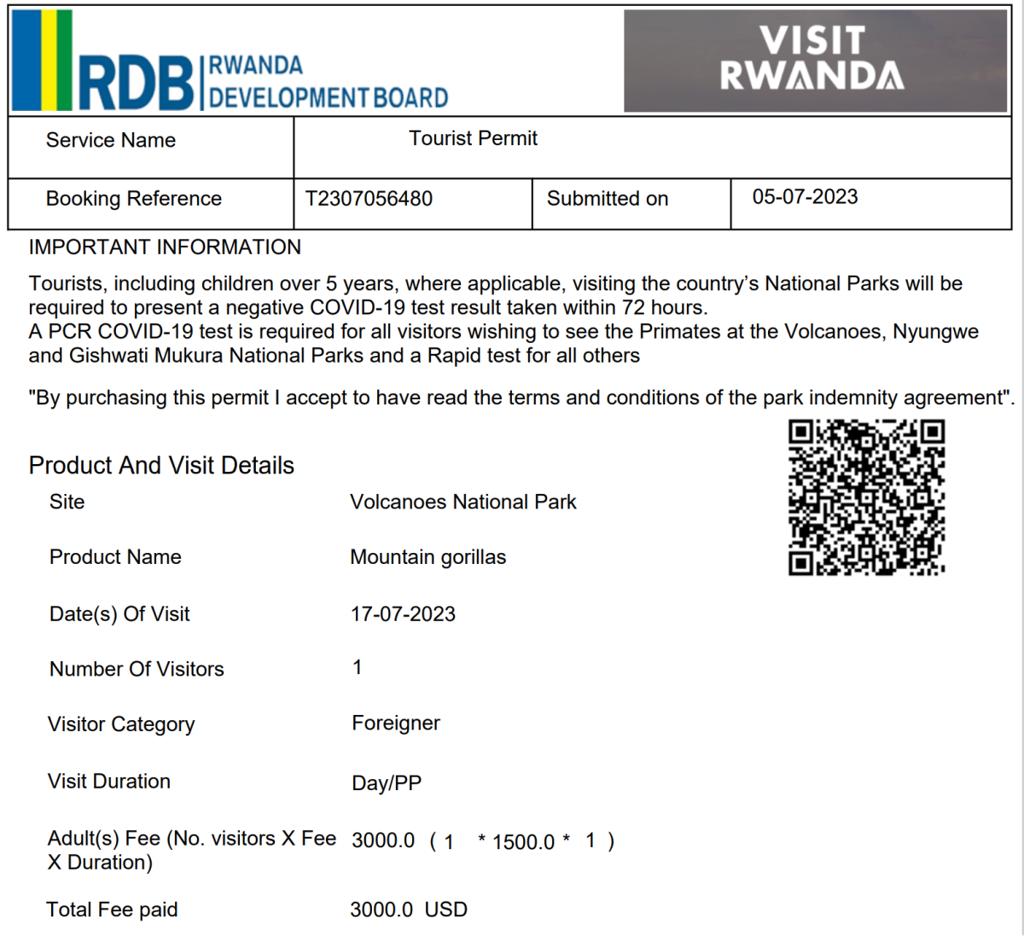
In Rwanda, the Rwanda Development Board provides an official online permit application system. Visitors select an available date, complete the required information, upload supporting documents where necessary and pay the applicable fee. The system automatically issues a tourist permit after successful completion of the process.
In Uganda, the Uganda Wildlife Authority has published guidance requiring full payment for online permit bookings. Its advisory also tells visitors to obtain an official proforma invoice confirming the reservation before making payment. Foreign non-residents should use a tour operator licensed by the Uganda Tourism Board when purchasing gorilla permits.
For couples, the payment calculation should account for two individual permits. If the travellers qualify for different visitor categories, the total may not simply be twice the same individual rate.
Safari O’clock recommends requesting a clear cost breakdown before payment. This should show the permit fee for each traveller, any applicable service charges and the other safari expenses included in the package.
Always use the official payment instructions provided by the relevant authority or a properly licensed operator. Keep receipts, invoices and permit confirmations for both travellers.
8. Book accommodation and transport around the confirmed permits
After securing the two permits, couples can organise accommodation and transport. This order matters because gorilla trekking locations have specific starting points, and visitors must report for their morning briefing.
For Rwanda, visitors tracking gorillas in Volcanoes National Park should plan their accommodation and transport around Kinigi. The official RDB guidance requires visitors to report for registration and briefing at 7:00 a.m.
In Uganda, the best accommodation location depends on the selected park and trekking sector. For example, couples tracking in Buhoma should consider accommodation that offers convenient access to the Buhoma starting point. Those booked in Rushaga, Ruhija or Nkuringo should plan around their respective sectors.
Private transport can be useful for couples because it allows them to travel together and manage their schedule more easily. It also reduces the inconvenience of coordinating separate transfers.
When booking accommodation, confirm the number of guests, meal arrangements, check-in dates and distance from the trekking starting point. Safari O’clock can help coordinate these arrangements so that the couple’s accommodation, transfers and trekking schedule work together.
9. Check age requirements and prepare for the trek
Before confirming the permits, couples should also check whether both travellers meet the age requirements. The minimum age for mountain gorilla tracking in Rwanda and Uganda is 15 years.
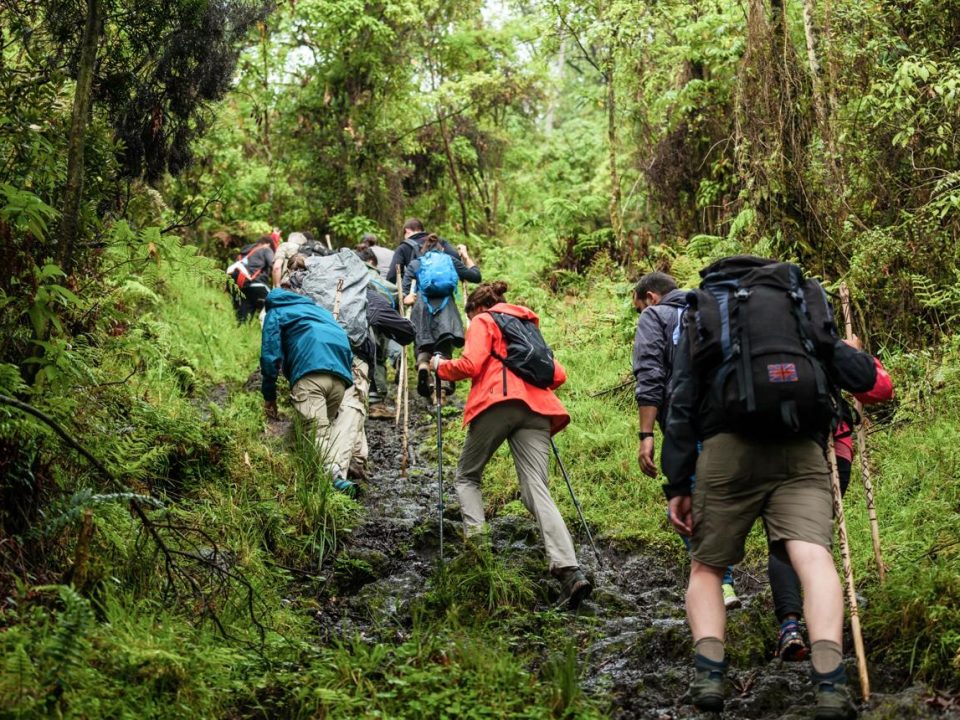
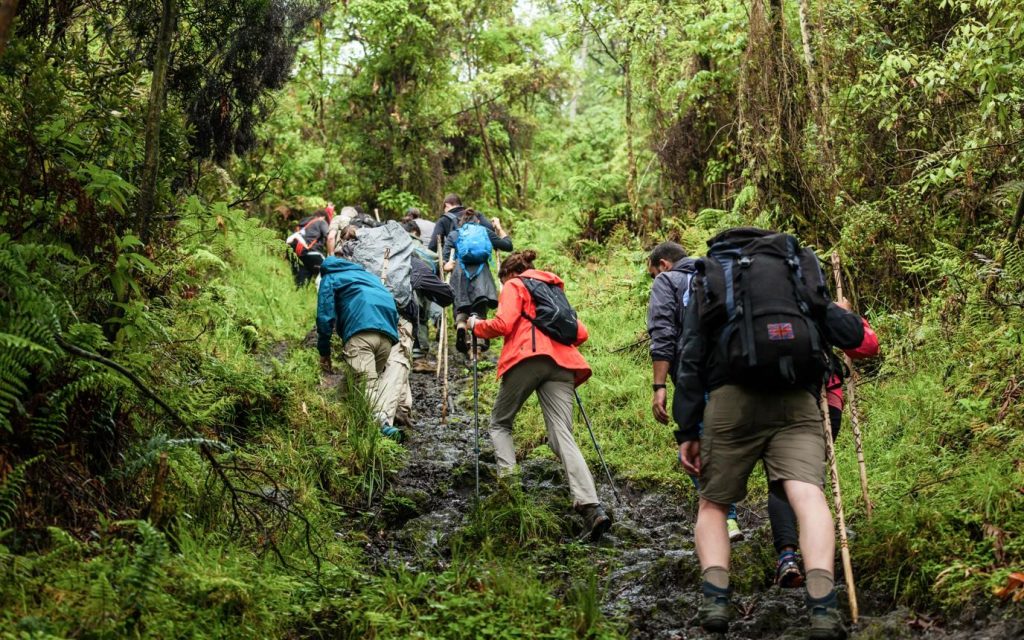
Both visitors should also consider their physical readiness. Gorilla trekking takes place in mountainous forest environments, and the duration can vary depending on the movement and location of the gorilla family.
Uganda Wildlife Authority explains that tracking can take approximately two to seven hours. Rwanda’s official visitor information also notes that hikes may vary considerably depending on the gorilla family’s location.
Couples should prepare suitable hiking boots, long trousers, long-sleeved shirts, rain protection and drinking water. Walking poles and porters may also make the experience more comfortable.
Importantly, visitors should follow all instructions from their guides. Anyone who feels unwell with a contagious illness should inform the relevant operator or park staff before the trek. This helps protect the gorillas, which are vulnerable to human diseases.
10. Keep both permit confirmations and travel documents safe
After payment, couples should keep copies of both permit confirmations and the supporting payment records. It is useful to store digital copies on a phone and keep accessible offline copies as a backup.
Check that each confirmation shows the correct visitor details, destination and trekking date. If the couple notices a spelling error, incorrect passport number or wrong date, they should contact the booking authority or tour operator immediately.
Do not wait until arrival at the park to report a problem. Rwanda’s official booking guidance specifically warns that incorrect applications can result in denied entry.
Couples should also carry the original identification documents used during booking. Park officials may verify visitor details before allowing them to participate in the activity.
11. Understand changes, cancellations and unexpected situations
Travel plans can change because of illness, flight delays, emergencies or other unexpected events. Therefore, couples should understand the permit change and cancellation rules before paying.
Do not assume that both permits can automatically be transferred, refunded or rescheduled under the same conditions. The rules may differ between Rwanda and Uganda, and the reason for a change can affect the available options.
Rwanda’s official permit information outlines specific refund circumstances. For example, it provides for another opportunity or a full refund in certain situations where visitors cannot track because of the gorilla group’s movement. It also states that refunds are not made for several other situations, including late arrival, flight delay or cancellation for unrelated reasons.
Uganda Wildlife Authority publishes its own permit and booking guidance. Couples should confirm the current conditions directly with UWA or their licensed tour operator before committing to payment.
It is also wise to consider suitable travel insurance. A policy that covers relevant trip disruptions can offer additional protection, although travellers should always check the actual policy exclusions.
12. Use Safari O’clock to organise your couple’s gorilla experience
Organising two gorilla permits involves more than selecting a date and making payment. Couples must coordinate visitor details, permit categories, availability, accommodation, transport and the practical requirements of the trekking experience.
Safari O’clock helps couples bring these arrangements together through a well-planned safari itinerary. From selecting between Rwanda and Uganda to checking permit requirements and arranging accommodation, careful coordination makes the experience easier to manage.
We also encourage couples to share their preferred travel dates early. This gives the booking team time to check availability for both travellers and explain any important requirements before payment.
Whether you are celebrating an anniversary, planning a honeymoon or simply looking for a memorable adventure together, gorilla trekking offers a special opportunity to explore Africa’s natural heritage.
With the right preparation, both travellers can focus less on booking concerns and more on enjoying the journey.
Frequently Asked Questions About Gorilla Permits for Couples
1. Can a couple use one gorilla trekking permit?
No. Each visitor needs an individual gorilla trekking permit. A couple travelling together must arrange two permits for the selected trekking date.
2. Can couples book gorilla permits for the same date?
Yes. Couples can request two permits for the same date, subject to availability. They should confirm that both permits have been secured before arranging the rest of the trip.
3. Will couples automatically trek with the same gorilla family?
Not automatically. Park authorities organise trekking groups according to availability and operational arrangements. Couples should request the same trekking group and confirm the arrangements with their operator or the relevant authority.
4. Do both partners need to provide passport details?
Yes. Each traveller must provide their own accurate identification details. The required documents depend on the destination and the visitor’s nationality or residency category.
5. Can couples pay for both permits together?
The payment process depends on the booking channel and the relevant authority. A tour operator may coordinate both permits in one booking arrangement, but each permit remains individual. Couples should request a clear invoice showing both permits.
6. Should couples book permits before accommodation?
It is generally advisable to confirm permit availability first, especially during busy travel periods. Once both permits are secured, couples can arrange accommodation and transport around the confirmed trekking date and location.
7. What happens if one partner cannot travel?
The couple should contact the booking authority or tour operator immediately. Refunds, transfers and rescheduling depend on the applicable permit rules and the circumstances of the request.
Plan Your Gorilla Trekking Adventure Together with Safari O’clock
A shared gorilla trekking experience begins with careful planning. By arranging two individual permits, checking the correct visitor details and confirming the same trekking date, couples can avoid many common booking challenges.
Safari O’clock is ready to help couples plan a memorable gorilla trekking safari in Rwanda or Uganda. Start planning early, confirm the permit requirements and prepare for an unforgettable adventure together.